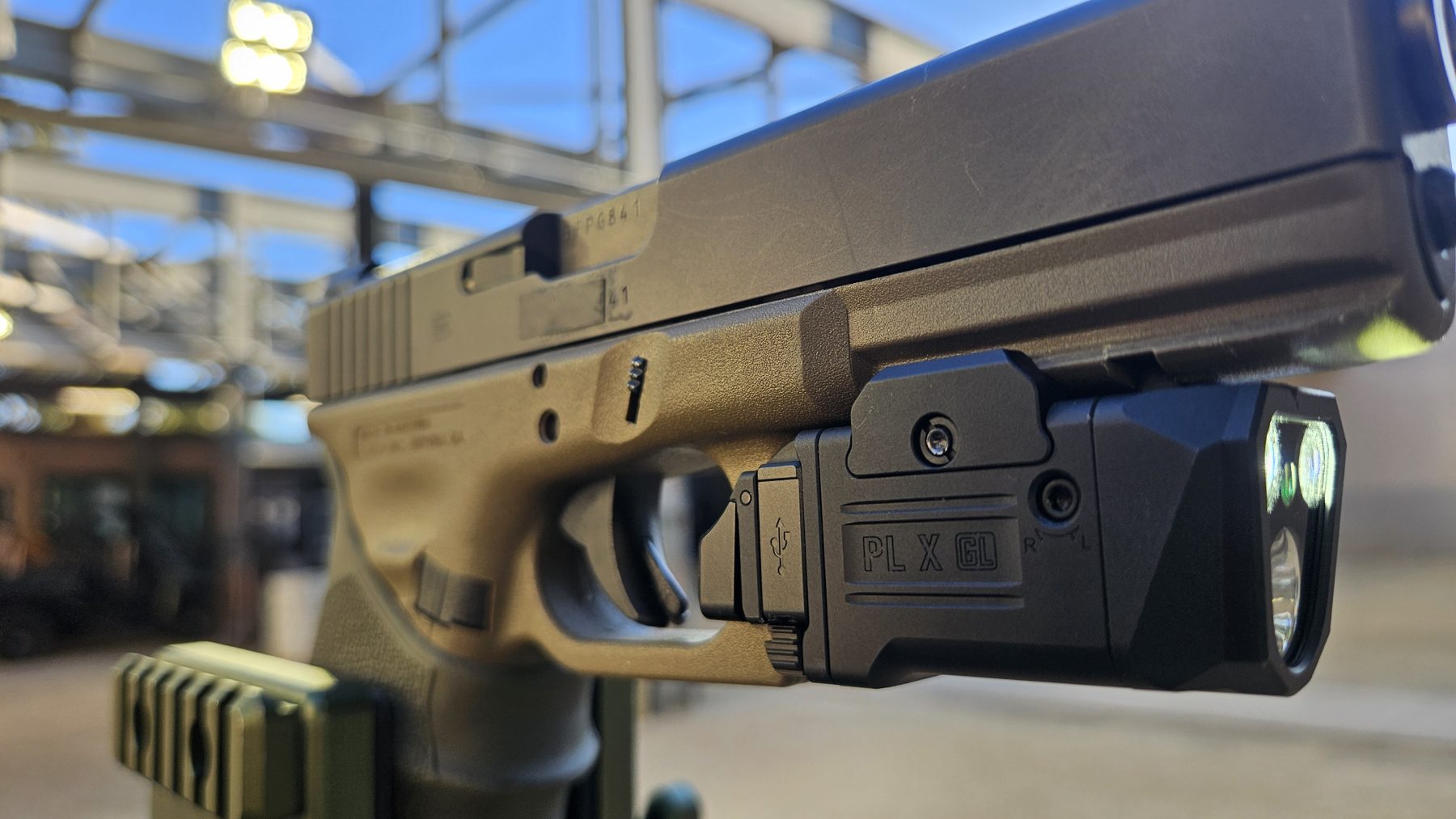
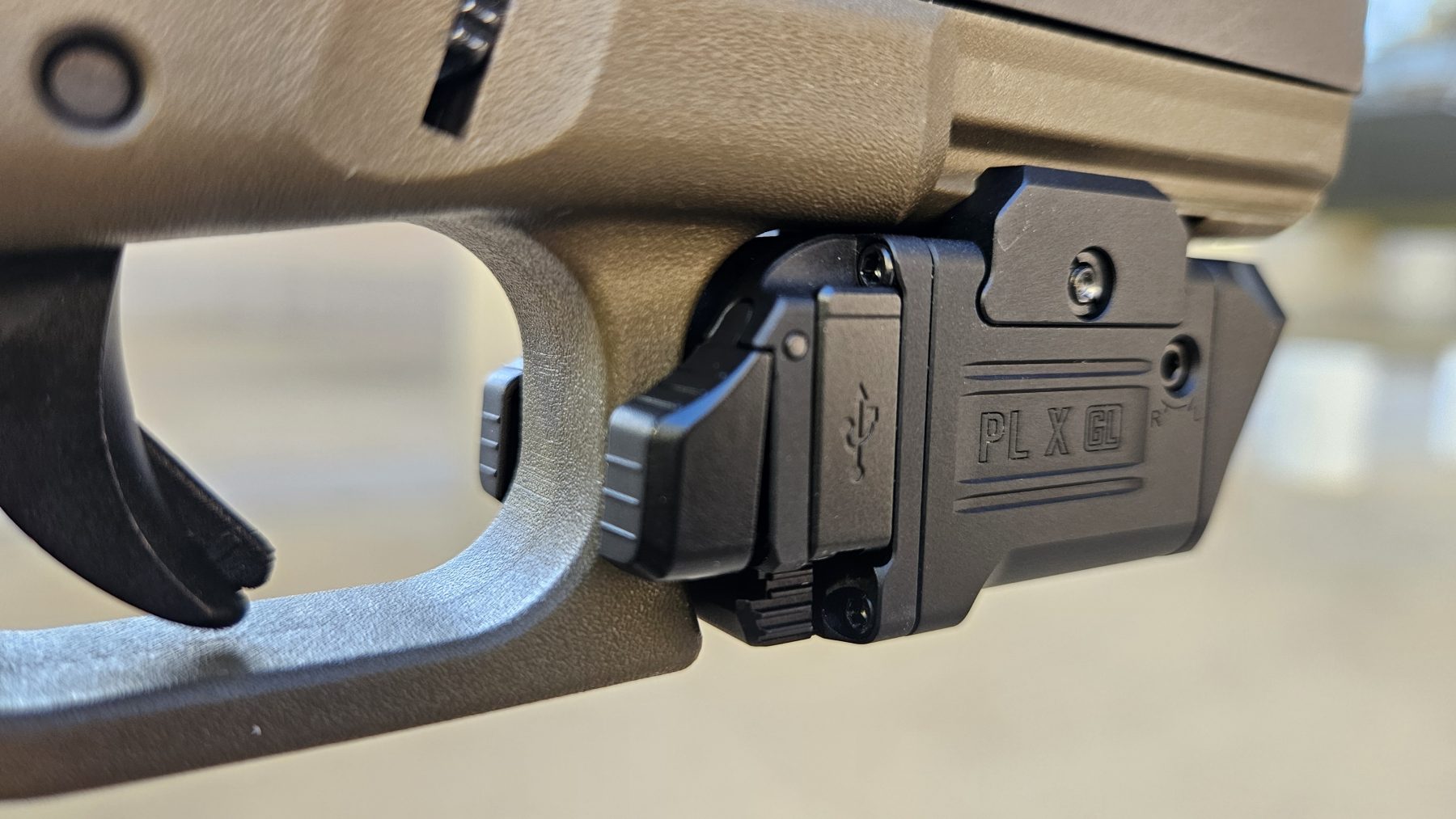
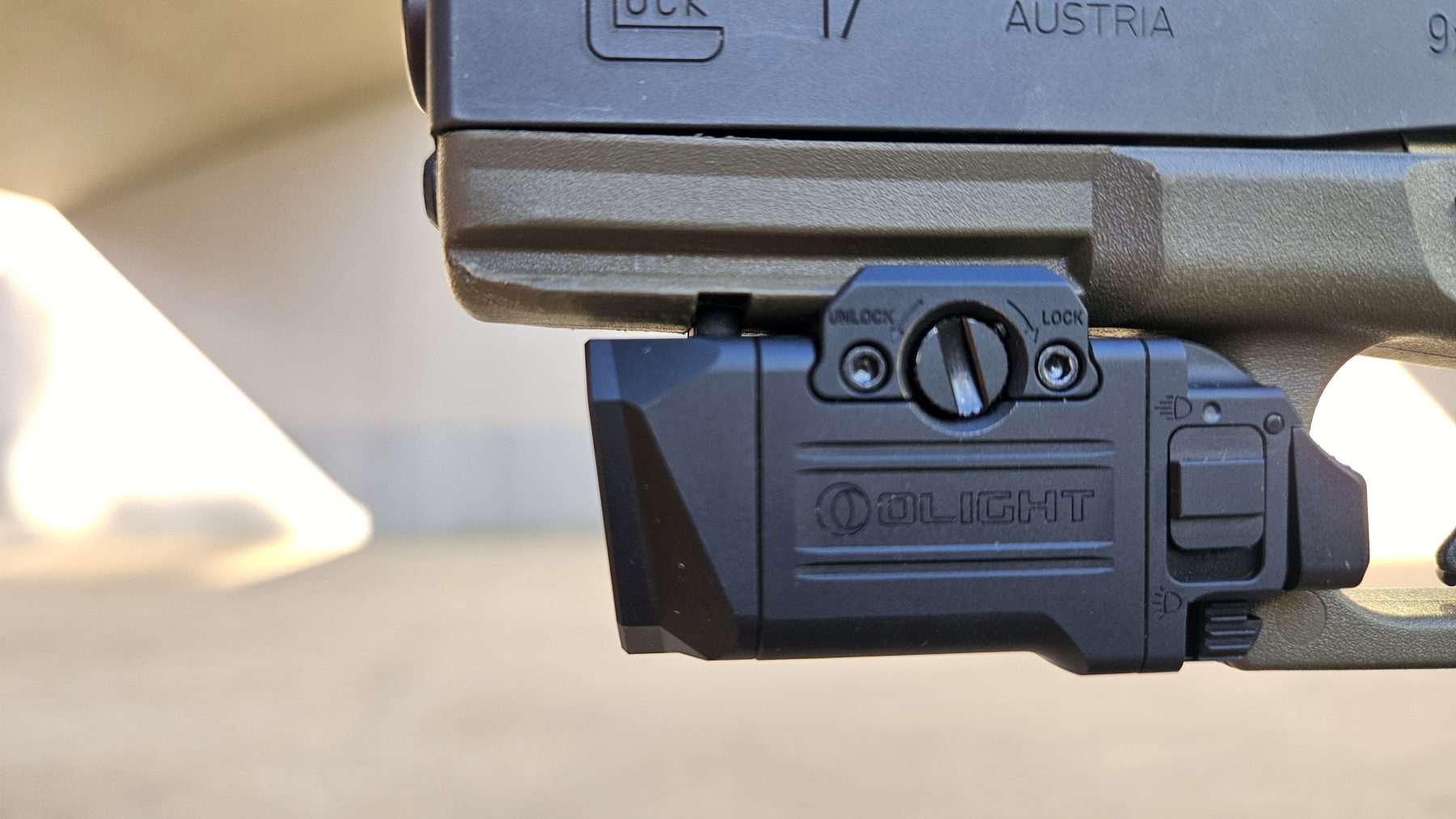
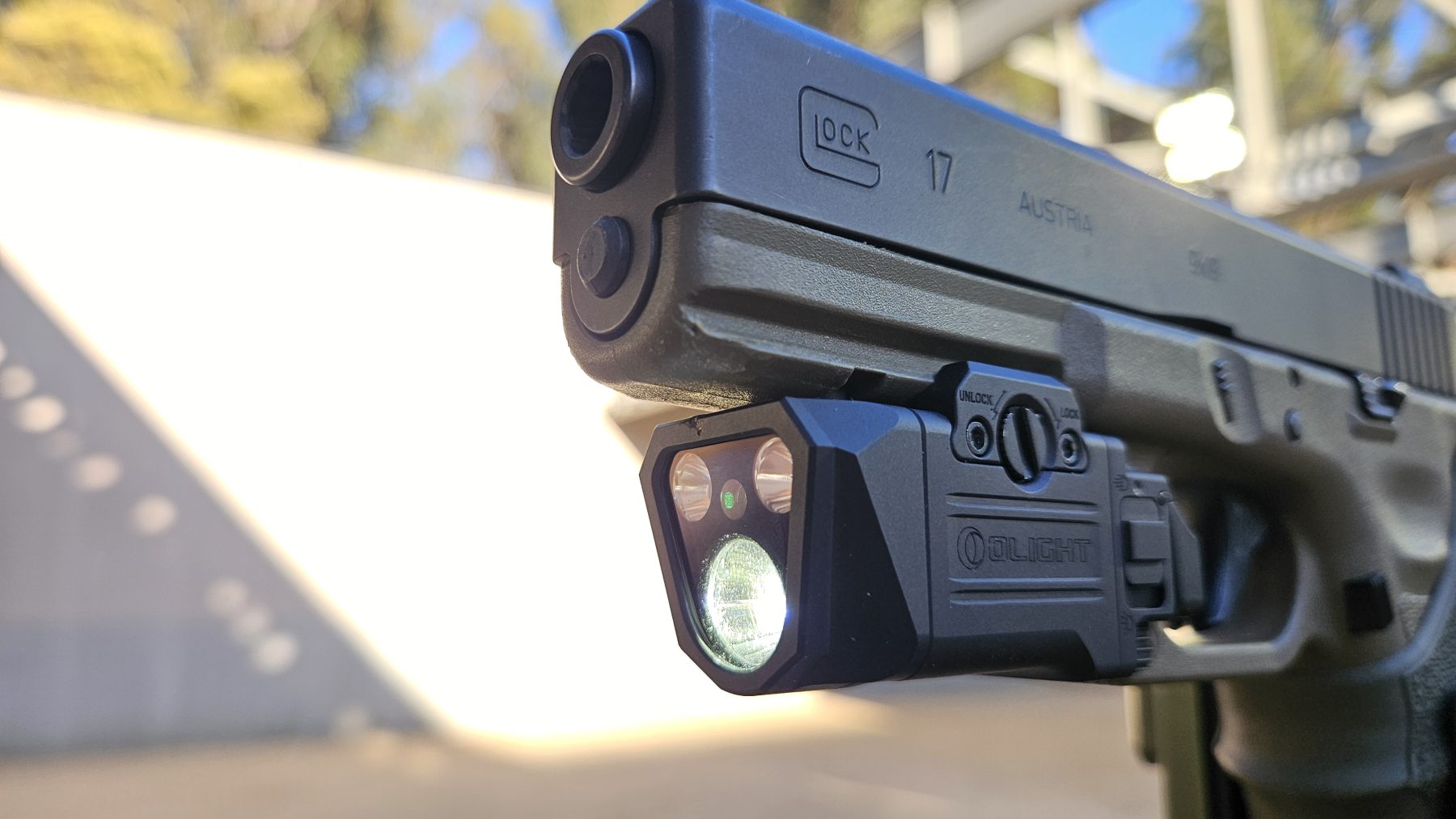
The PL X is an evolution in OLights’ pistol lights. They designed the PLX to be shorter and more compact than their previous PL models, to be more holster-compatible. The PLX has the ability to switch between a flood or spot beam. The new GL adds a green laser for aiming assistance in low light.
Physically, the GL is similar to the original PL X. The USB-C port at the bottom has been moved and replaced with a flat switch for white light, laser, or combined output. The flood/spot selector switch can still be found on the left side of the unit.
The PL X has contoured buttons that allow you to push forward or push downward to activate the beam. The PL X has OLight’s familiar controls able to switch between low- and high-brightness modes with a double-tap, and strobe by pressing both buttons simultaneously or triple-tapping.
Thankfully, this OLight now recharges with a universal standard USB-C port. Remarkably, the unit is IPX 7 rated and able to be submerged in water for up to 30 minutes. I don’t claim that any OLIGHT is as durable or as reliable as military-tested weaponlights, but OLIGHT offers a lifetime warranty with good customer service.
Max Lumens: 1200 (Flood mode) Max Run Time: 95 min Maximum Throw: 260 yards (Spot mode) Battery type: 620 mAh Charging type: USB-C Dimensions: 63 x 30 x 31.5 mm (2.48 in x 1.18 in x 1.24 in) Weight w/battery: 3.1 oz / 88 g Track compatibility: 1913, Glock IPX: 7 waterproof
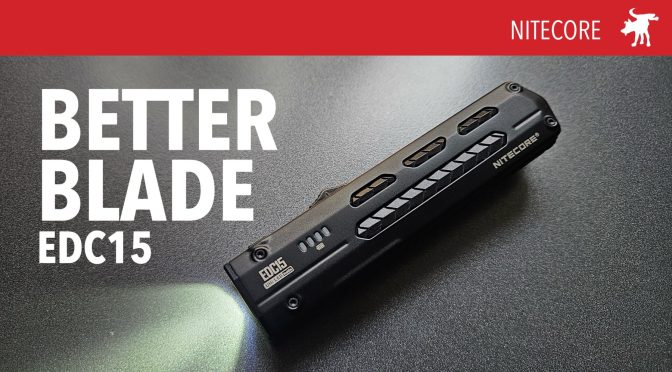
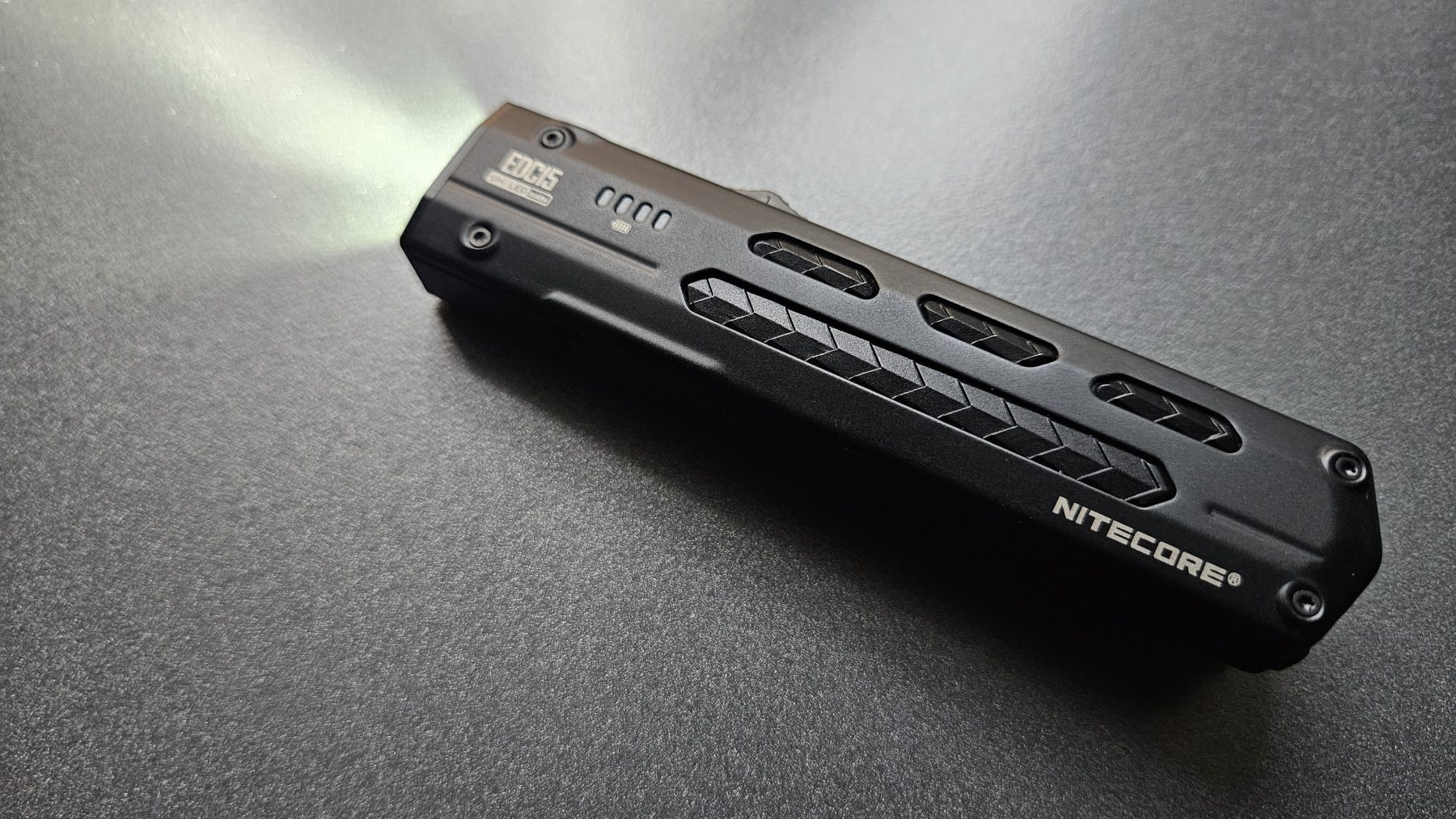
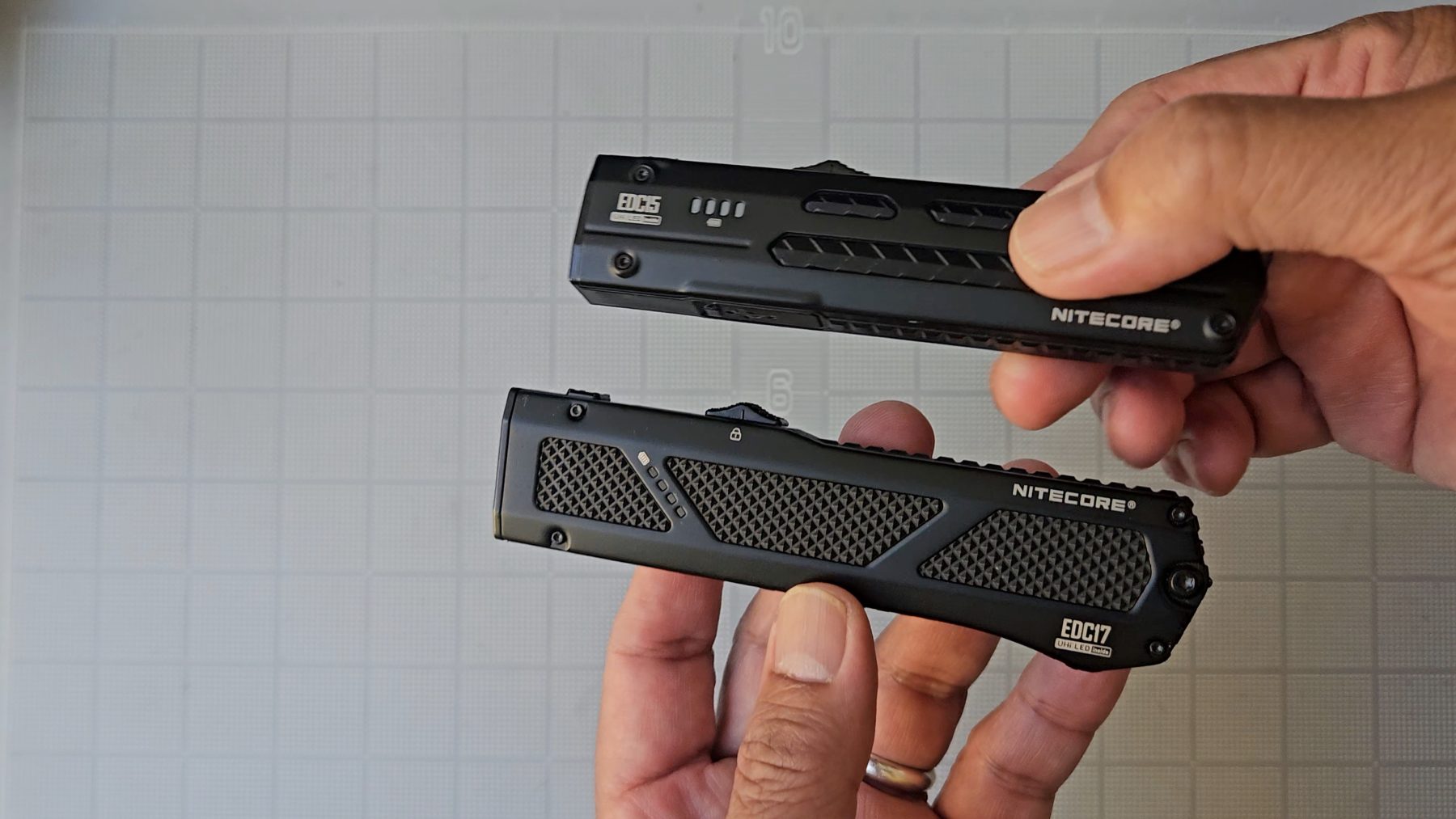
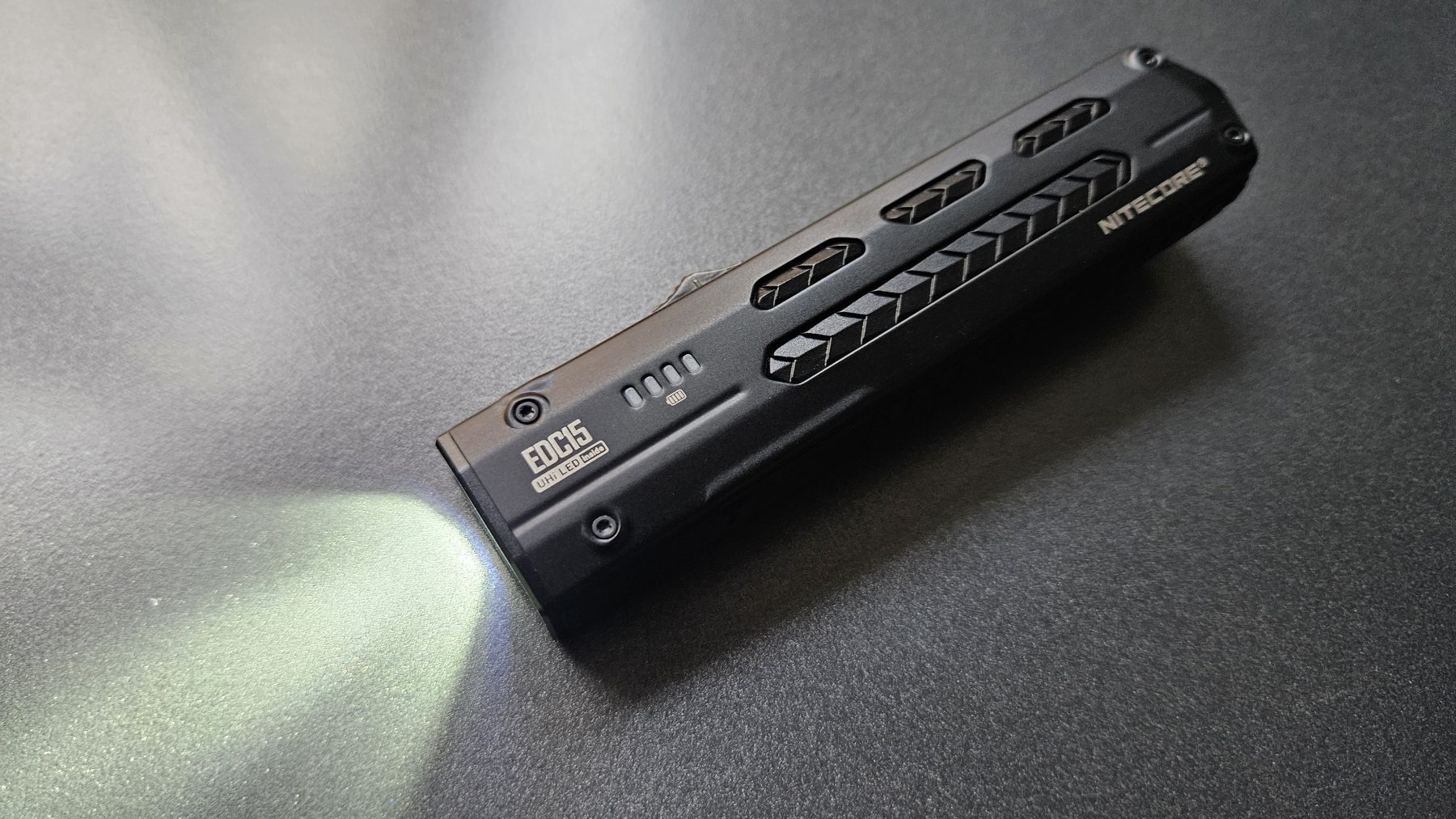
If you’ve ever fumbled for your phone’s flashlight in a dark parking lot and muttered something unprintable, meet the EDC15. This blade-style EDC is the little brother of the EDC17 minus the laser and about an inch in overall length.
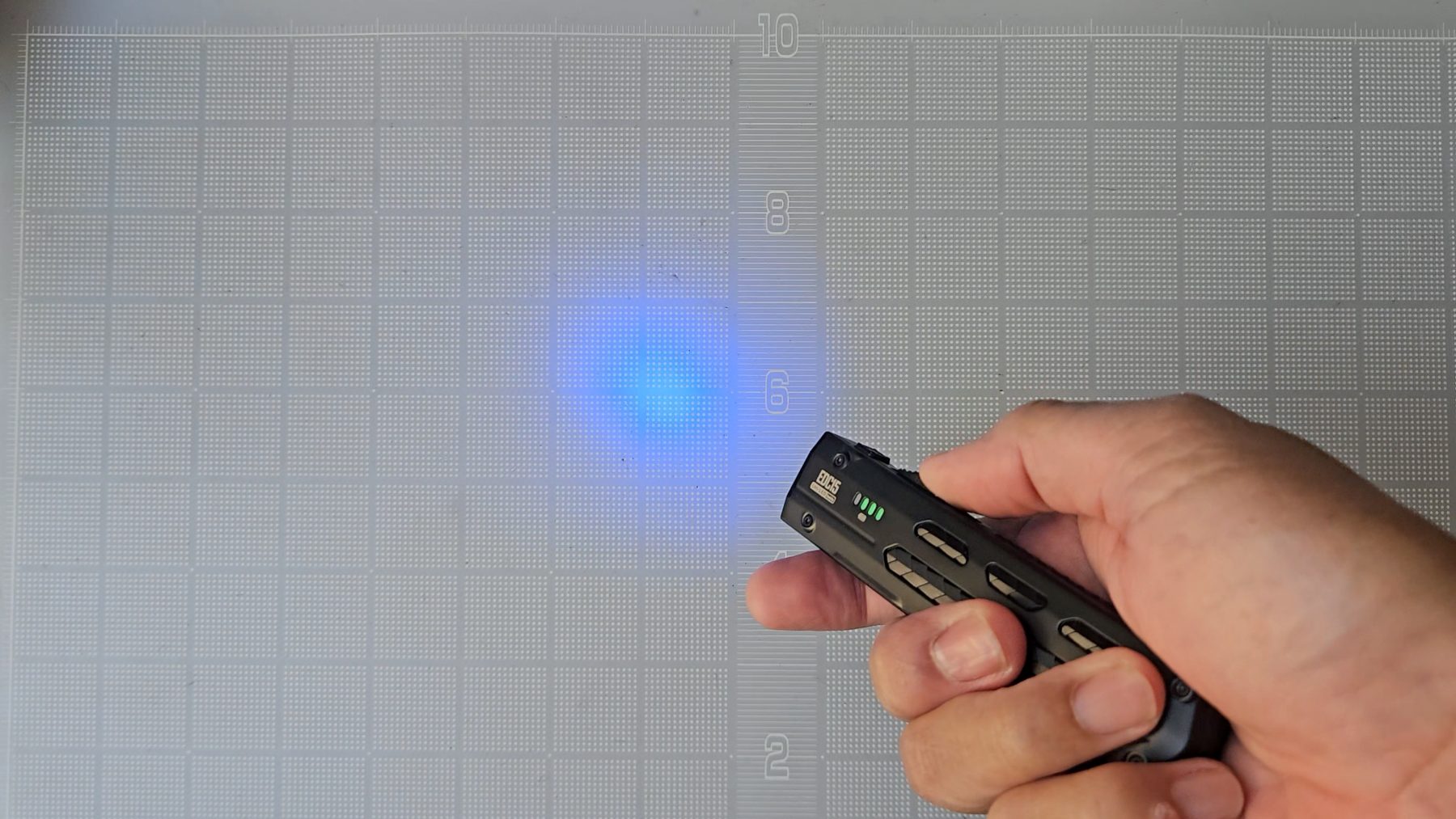
The slide-switch operation keeps things simple. Four steady white levels plus strobe and a hidden unltra-low mode. In addition it has 3 levels of UV brightness for identifying bogus bills or unsavery activity by the previous occupiers of your hotel room.
The beam is mostly flood, great for close work, less great if you’re trying to spot a raccoon across the field. Build quality feels solid for the size made of aluminum that shrugs off pocket lint and the occasional drop. It even comes with a clip and lanyard.
Is it the brightest, throwiest, or fanciest light on the market? No. But it’s the one you’ll actually have with you when the power goes out, the basement gets weird, or you just need to find the remote under the couch.
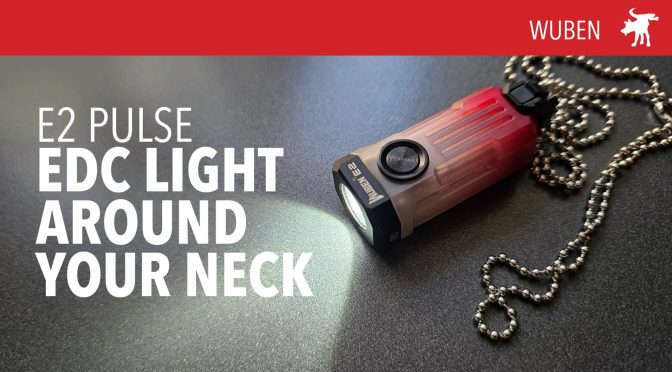
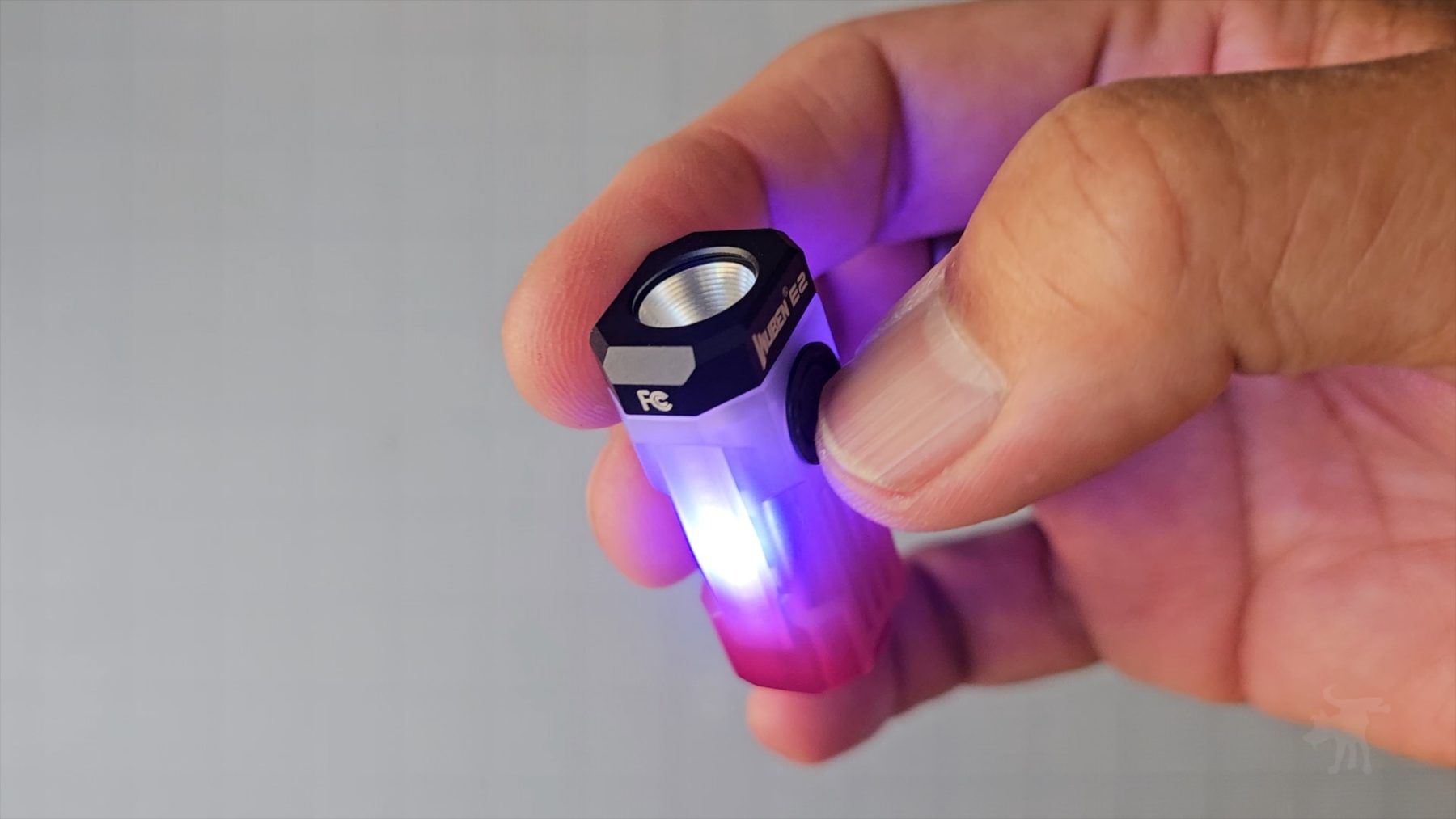
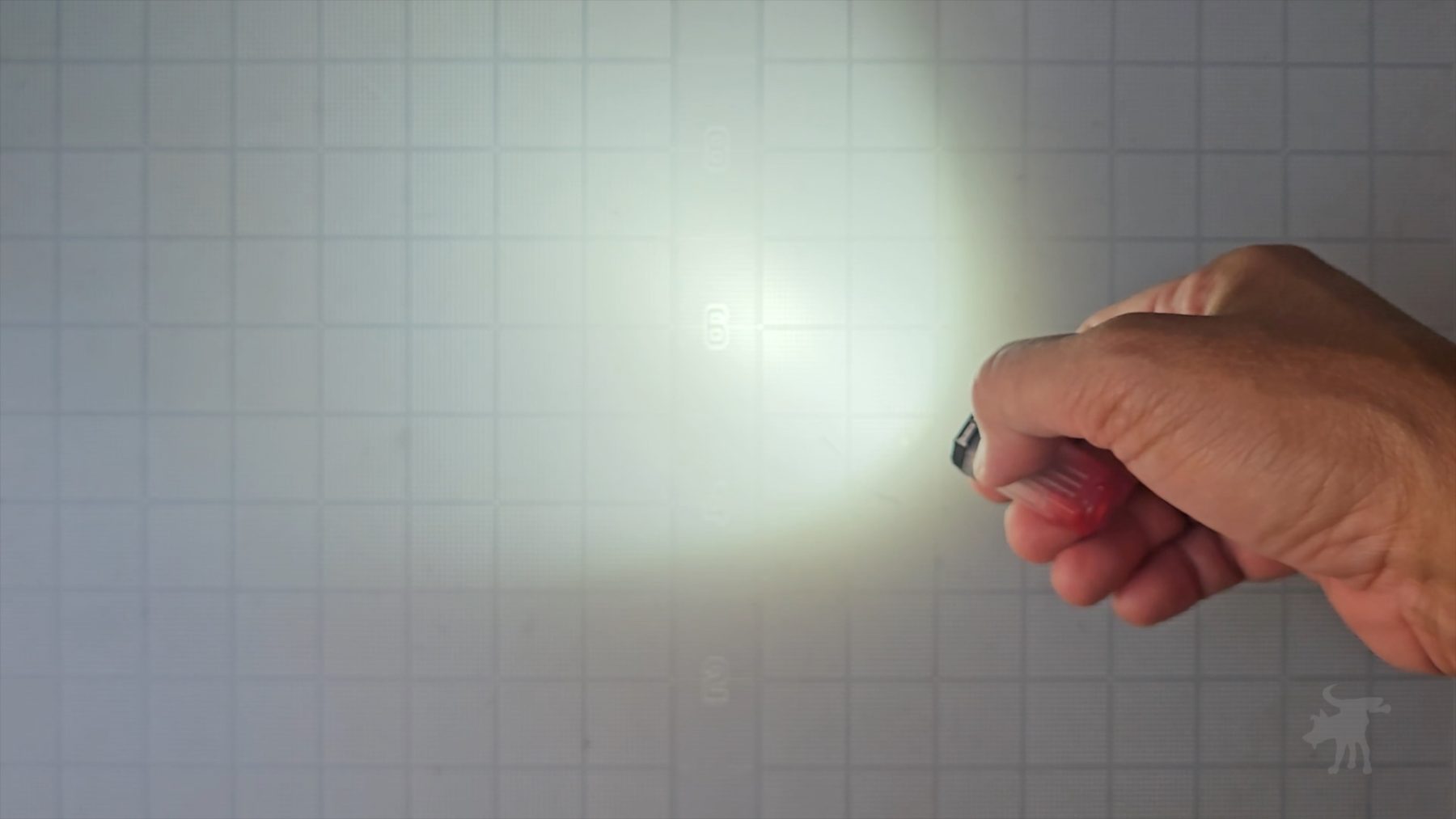
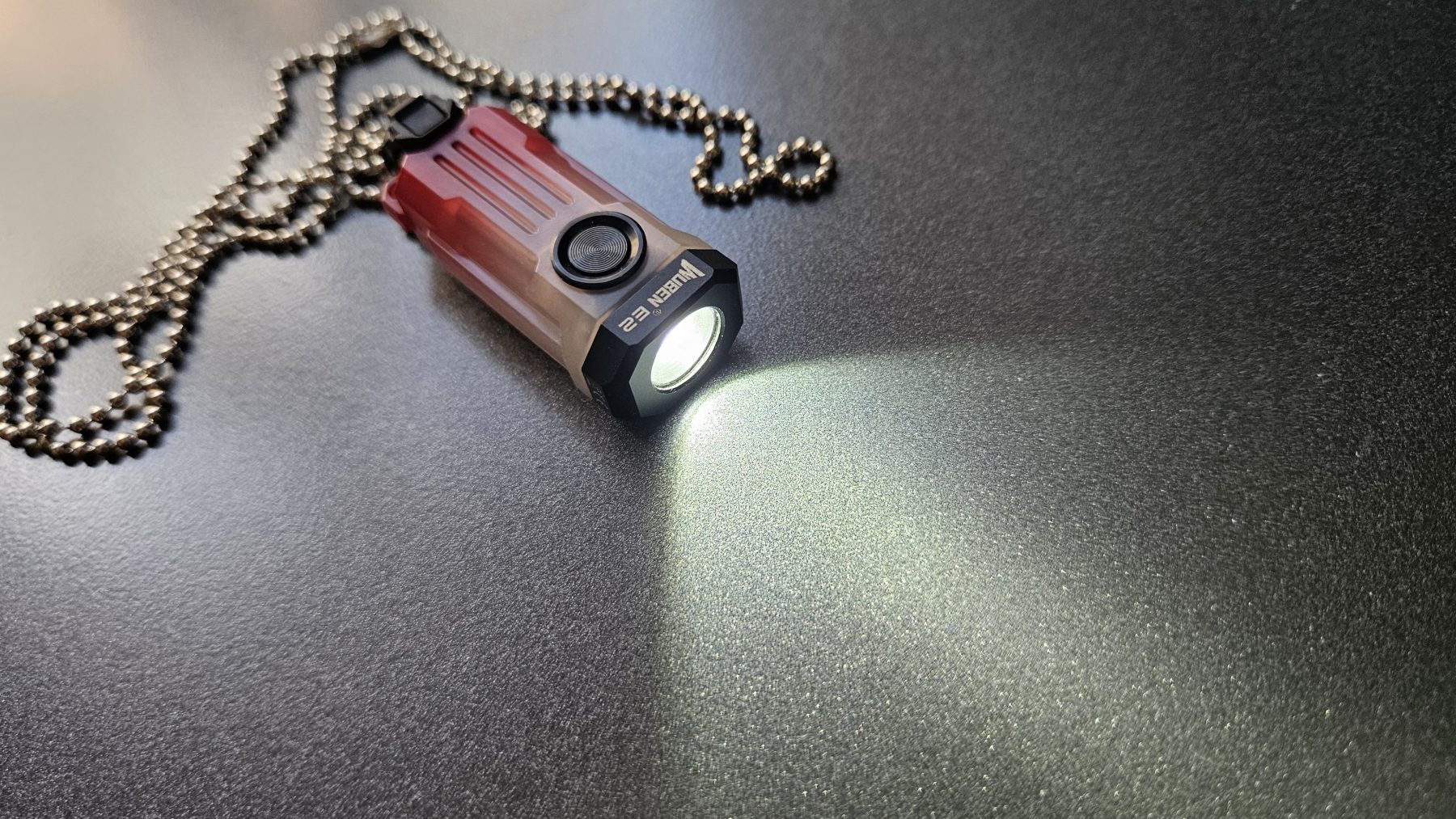
The E2 is a lightweight, compact keychain with some unique features that set it apart. It has a multi-output main beam with a 150 lumen max, body light, and body blue/red signal lights. The E2 Necklace Edition is the first flashlight I’ve ever tested that comes with a clip-on bead chain that turns it into a neck-worn flashlight.
My sample was not perfect. The activation button would occasionally stick when pressed. And like the X5, Wuben seems to have a reputation for less-than-perfect waterproofing. In my high-power water test, some water worked itself inside the body. Despite this, the unit continued to function through the rest of my testing.
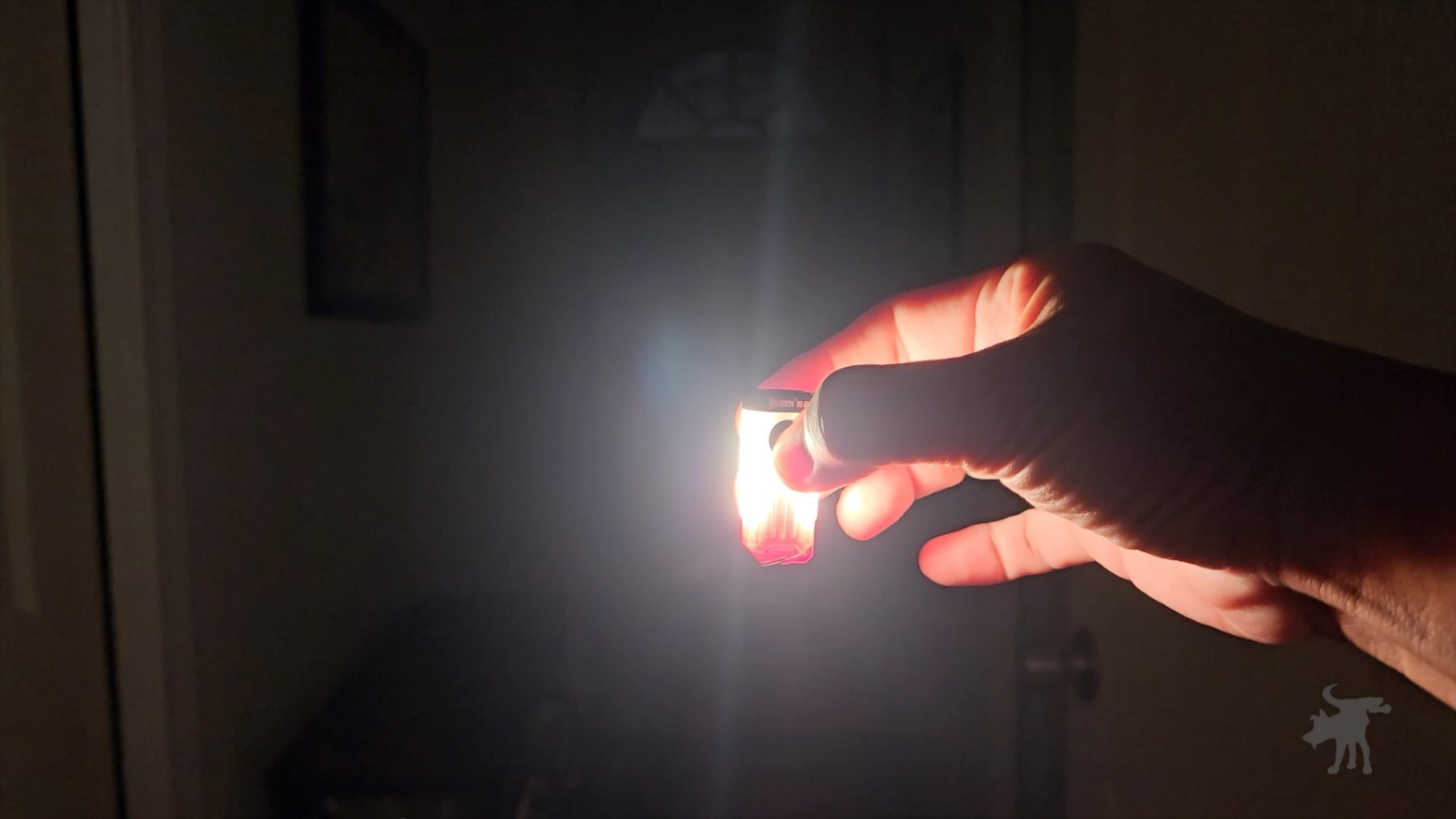
One cool feature escaped me until nighttime testing: its body is glow-in-the-dark.
SHOP
SPECS
Max Output: 150 lumens (main) Max Throw: 26 meters Battery: Built-in 120 mAh Li-ion battery Charging: USB-C port Dimensions: 19 × 14.6 × 41.4 mm Weight: 10.7 grams Durability: IP66
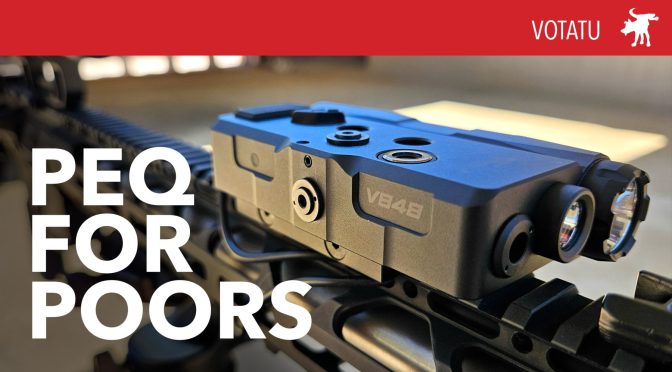
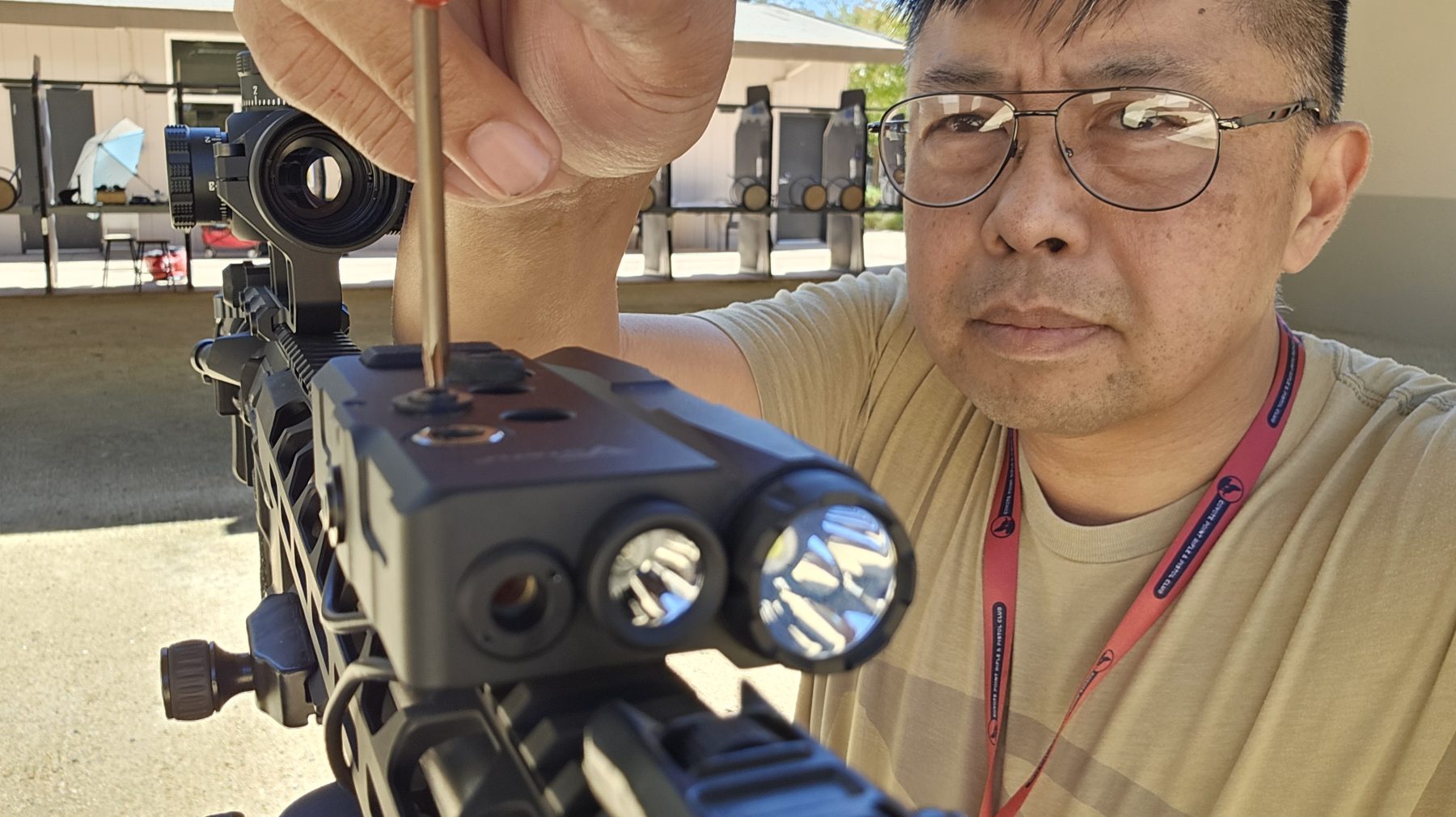
Poor Man’s PEQ or Airsoft Cosplay? If you want a full-featured laser, flashlight, and infrared (IR) multi-function device, you could drop a couple of grand on an L3Harris unit. But the V848 offers these features for less than $100.
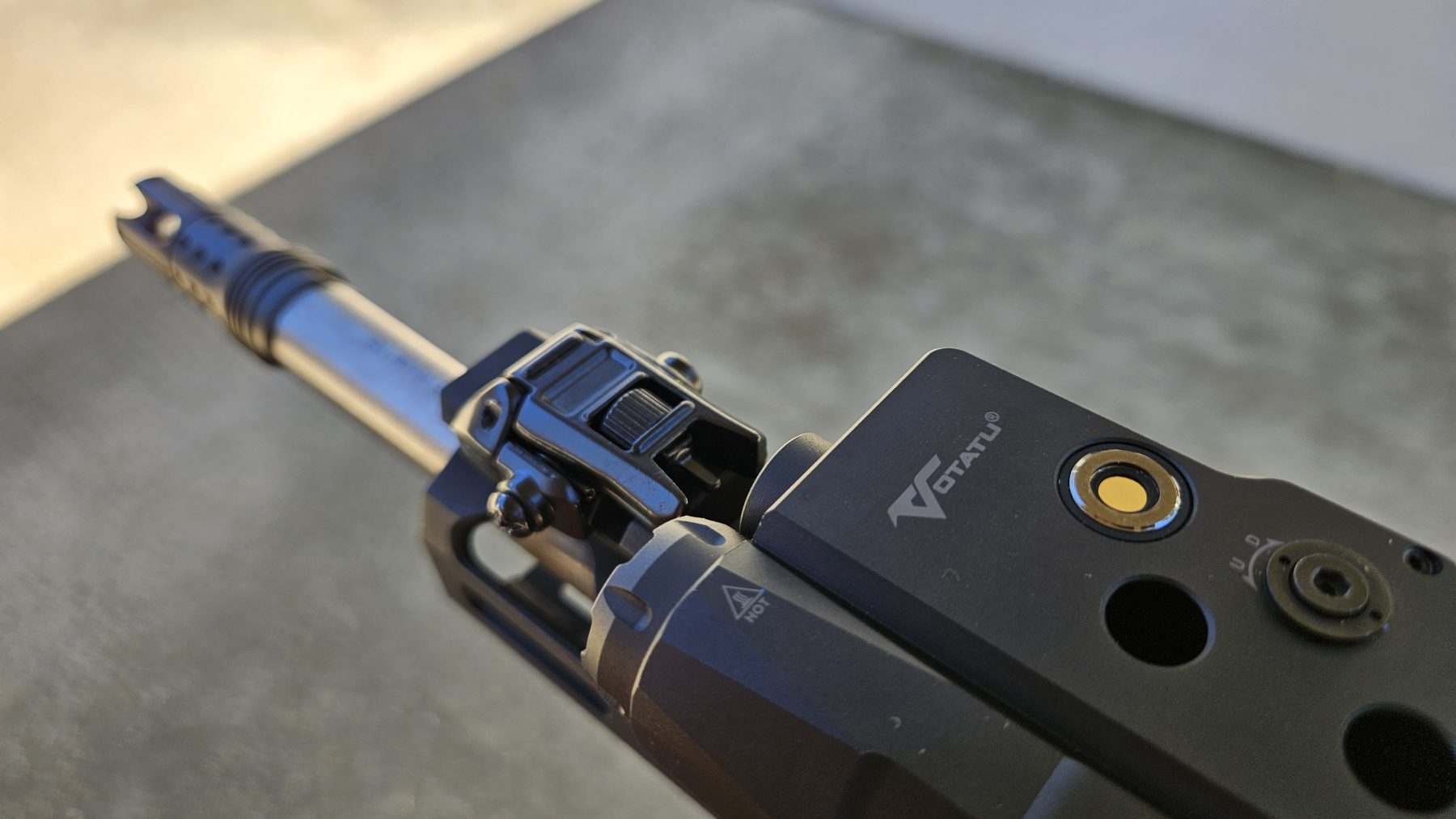
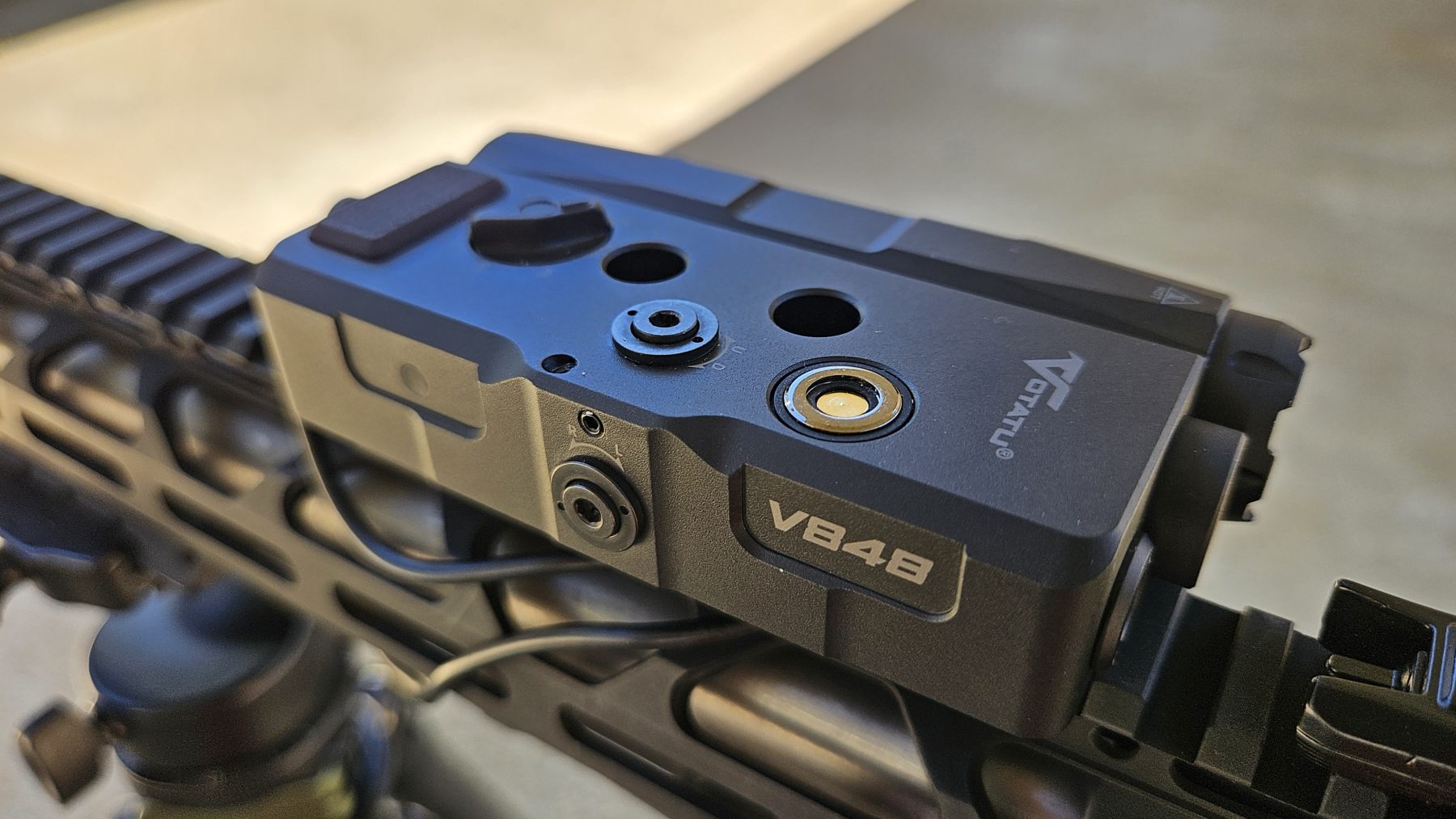
Out of the box, the V848 feels surprisingly substantial. It features an all-metal housing and comes with a 3ft pressure switch cable. It measures roughly 4″ long, 2″ wide, and 1″ thick, and weighs less than half a pound. It’s actually smaller and lighter than a phone power bank.
The unit comes with a Picatinny mount but this can be removed to allow it to bolt it directly to an M-LOK handguard using the included hardware. The unit has a built-in battery, which is recharged using a proprietary magnetic USB cable. There is a small digital display which shows the charge remaining in the battery and the V848’s selected illumination mode.
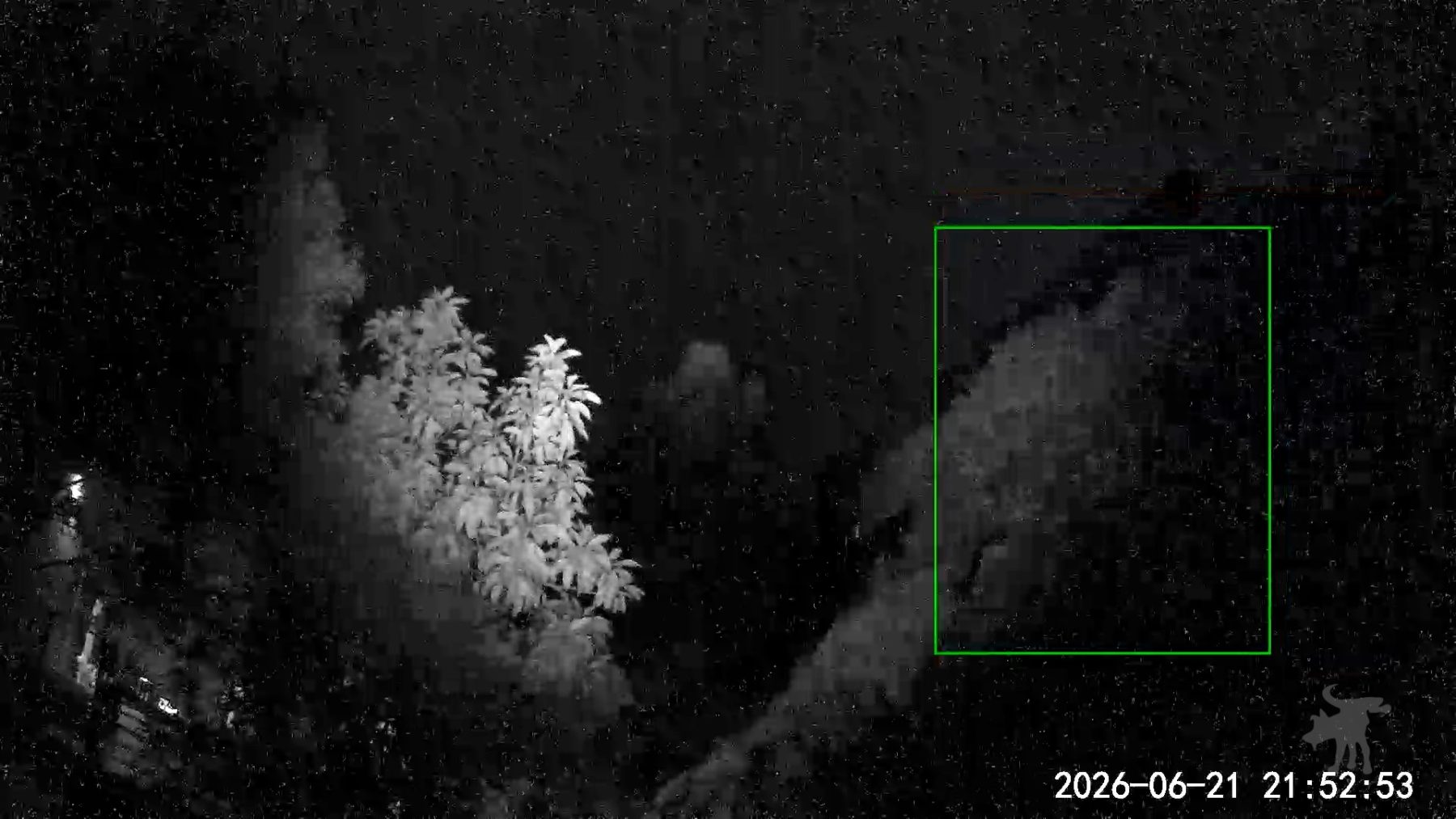
Testing its white light performance, the V848 was just a little above the stated 1,700 lumens. Using a Gen 1 equivalent IR security cam, the V848’s IR flashlight provided a bright beam out and IR laser.
I am not going to claim that the V848 has the proven combat durability of an L3Harris PEQ-15 box. However, for less than $100, the Votatu V848 completely delivers on its performance as a rifle flashlight and IR laser.
NO PURCHASE OR DONATION IS NECESSARY TO ENTER. YOUR CHANCES OF WINNING DO NOT INCREASE WITH A PURCHASE. MUST BE PRESENT DURING THE LIVESTREAM TO WIN. VOID WHERE PROHIBITED.
1. Sponsors and Platforms
OLight (known as the SPONSOR) and Moondog Industries (known as the CO-SPONSOR) is a video entertainment producer and game promoter based in San Francisco, CA. YouTube, TikTok, Rumble, X and online video platforms (known as PLATFORMS) are not SPONSORS or in any way affiliated with the contest or content.
2. Entry Period
Contest email entries must be received between: 12:00pm EST 1 June 2026 and 12:00pm EST 30 June 2026
3. Eligibility
Void where prohibited by law. Must be a legal resident in the USA. Moondog Industries employees, subsidiaries, affiliates, suppliers, advertising and promotion agencies, and employees’ immediate family members are ineligible to participate in the contest/giveaway.
Entrants must be willing and able to appear on YouTube to discuss the contest and post images of the prize on their social feed should they win the contest.
Entrants must be present and able to post comments during the TMI Livestream show to identify themselves within 1-minute of the live drawing.
4. Agreement to Rules
By entering the contest, participants agree to abide by the SPONSOR’s Official Rules and decisions. The SPONSOR retains the right to refuse, withdraw, or disqualify entries at their sole discretion. By submitting an entry, the participant agrees to accept the decision of the SPONSOR as final and binding.
5. How to Enter
This contest requires your skill in navigating your phone or computer controls to screen capture an image of the following YouTube channels/Social Media accounts. Subscribe or Follow and make a screen capture of those pages showing a greyed out Subscribe button or indicator that your account is Following that page. If the page is not functioning, please contact contest@moondogindustries.com . One entry per person or per Social Media account. Fraudulent methods of entry, photo retouched, or other methods of circumvention of the rules may result in the SPONSOR invalidating a participant’s entries.
6. Prizes
The winner must be able to receive the prize by e-mail or by physical mail. Prize may be substituted at the sole discretion of the SPONSOR. Acceptance of the prize grants SPONSOR permission to use the winner’s entry, name, and likeness for advertising, promotion, and trade without further compensation or remuneration unless prohibited by law.
7. Odds
The odds of winning are dependent upon the number of eligible entries received.
8. Selection and Notification of the Winner
The winner will be chosen at random by the SPONSOR from among the entrants who demonstrated the skill to navigate the electronic entry and have met the minimum requirements. The selected entrant must respond in the Livestream chat within 1-minute selection to be designated the Winner. Winners will be contacted via the email used to enter the contest to confirm their shipping information. Winner must have a legal address within the US to ship the prize.
SPONSOR is not liable for the winner’s failure to receive notification of winning if he or she provided the wrong email address or if their email security settings caused your prize notification to go into the spam or junk folder. If a winner does not respond within 24hrs of sending a shipping information confirmation email, the SPONSOR will select an alternate winner. Receipt of the prize is upon the condition of compliance with federal, state, and local laws.
9. Rights Granted by the Entrant
The SPONSOR, upon submission of an entry into the giveaway or contest, has the right to use the participant’s submission, voice, likeness, image, statements about the contest, etc., for publicity, news, advertising, promotional purposes, trade, and so forth, without any further notice, review, consent, compensation, or remuneration.
Participants shall defend or settle against such claims at their sole expense, and shall indemnify, defend, and hold harmless the SPONSOR from any suit due to damage of or by the prize.
10. Terms & Conditions
The SPONSOR reserves the right to modify, suspend, cancel, or terminate if unauthorized human intervention, a bug or virus, fraud, or other causes beyond your control impact or corrupt the security, fairness, proper conduct, or administration of the contest/giveaway.
11. Limitation of Liability
Entry into this contest constitutes the participant’s agreement to release and hold harmless the SPONSOR and PLATFORMS, subsidiaries, affiliates, employees, etc., against all claims, liability, illness, injury, death, loss, etc., that occurs directly or indirectly from participation in the contest or use/misuse of the awarded prize.
12. Disputes
As a condition of participating in the promotion, the participant agrees to resolve all disputes with an arbitrator designated by the SPONSOR in the state of California, without resorting to any form of class action. Entrants waive all rights to punitive, incidental, or consequential damages, and waive all rights to have damages multiplied or increased.
13. Privacy Policy
Participants agree to abide by all privacy and NDA laws in the State of California and any federal laws of the United State of America.
14. Winners List
Participants may request a list of winners by submitting a request in writing to Moondog Industries for up to 30 days after the contest ends.
15. Social Media Platform Rules
Winners will agree to post a photo of the prize on their social media channels in such a way as does not violate any rules of that platform. The winners also agree to appear for an interview where they will discuss the prize and its performance. If there are functional problems with the prize, the winner agrees to make a good-faith effort to resolve all issues with the SPONSOR prior to posting reviews or opinions about the prize.
16. Affirmation of Acceptance of and Agreement to All of the Official Rules
By entering the contest, the entrant has affirmatively reviewed, accepted, and agreed to all of them.
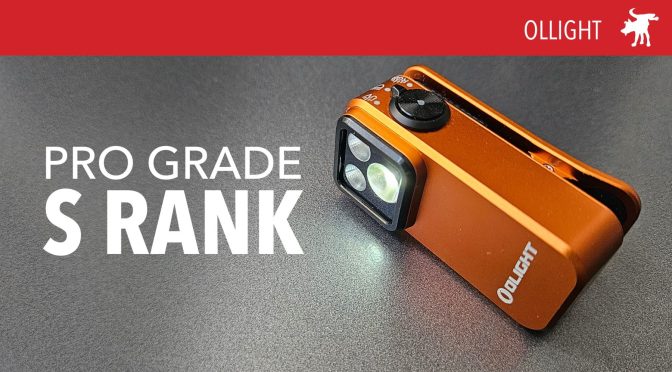
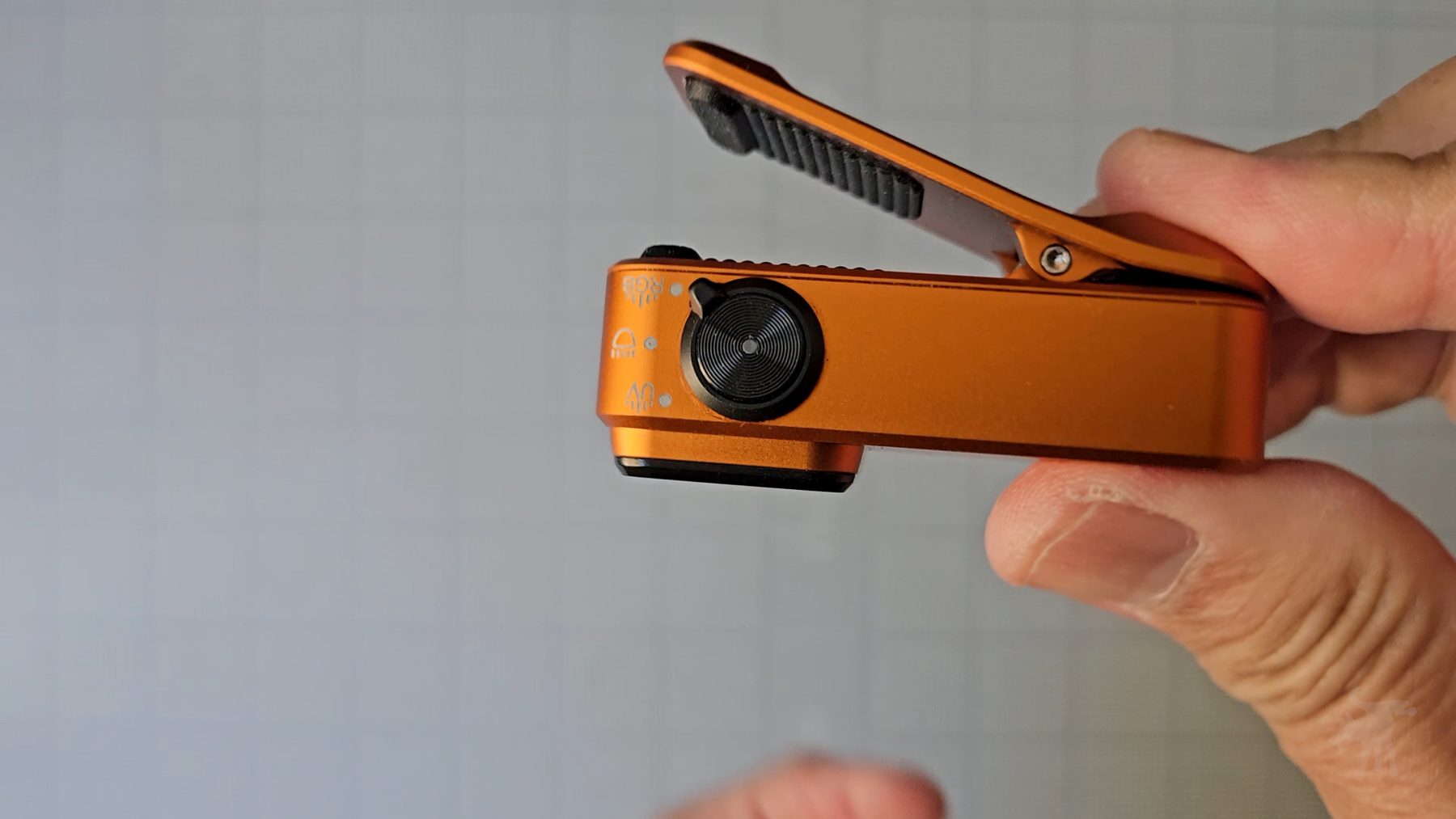
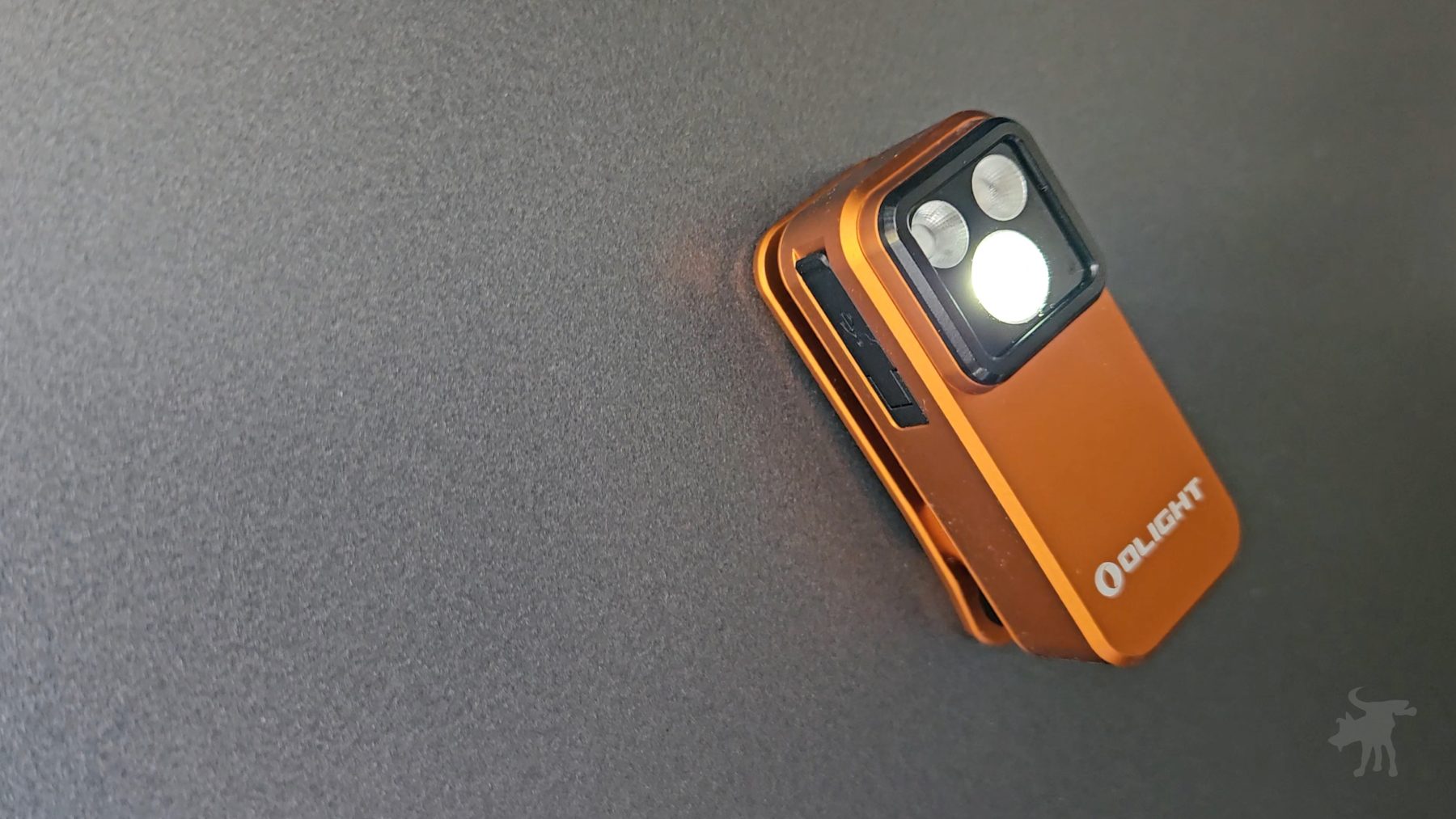
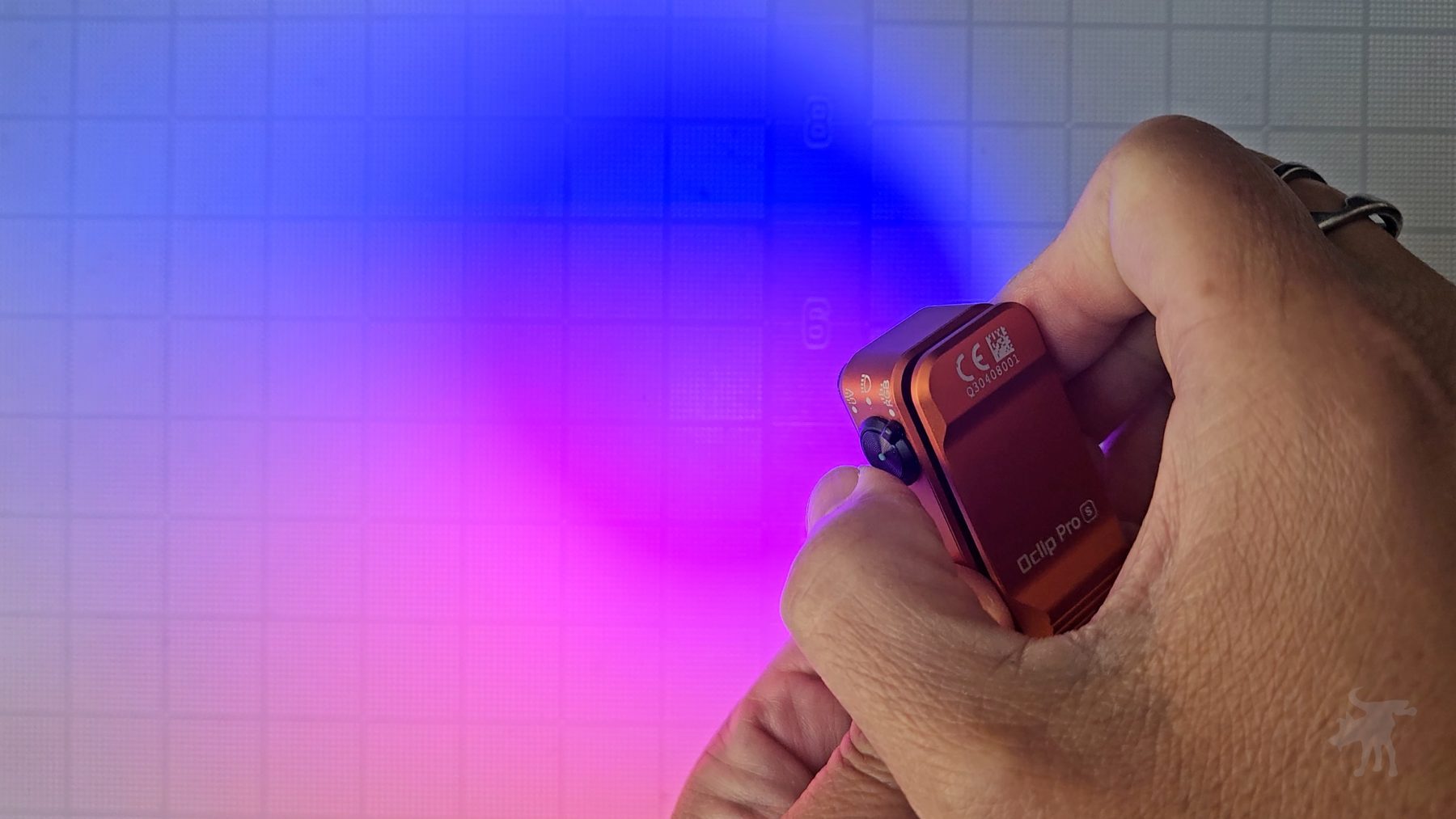
Olight upgraded their already best-selling OCLIP Pro with a new S model. It looks practically identical on the outside. The OClip is named for the large spring clip built into the body that allows the flashlight to clip onto clothing, gear, and objects; and has an embedded magnet to be attach to metal surfaces.
But the difference is more colorful. Instead of simply outputting a red beam for night vision preservation, the S model now offers RGB color; you can cycle between red, green, or blue color output.
The OClip is designed to clip on pockets, backpack straps or even a hat brim. But note that attached to a hat brim The OClip illuminates as much of the user’s face as it does items at hand reach.
Despite its limited beam direction and mounting choices, the design is compact, elegant, and affordable.
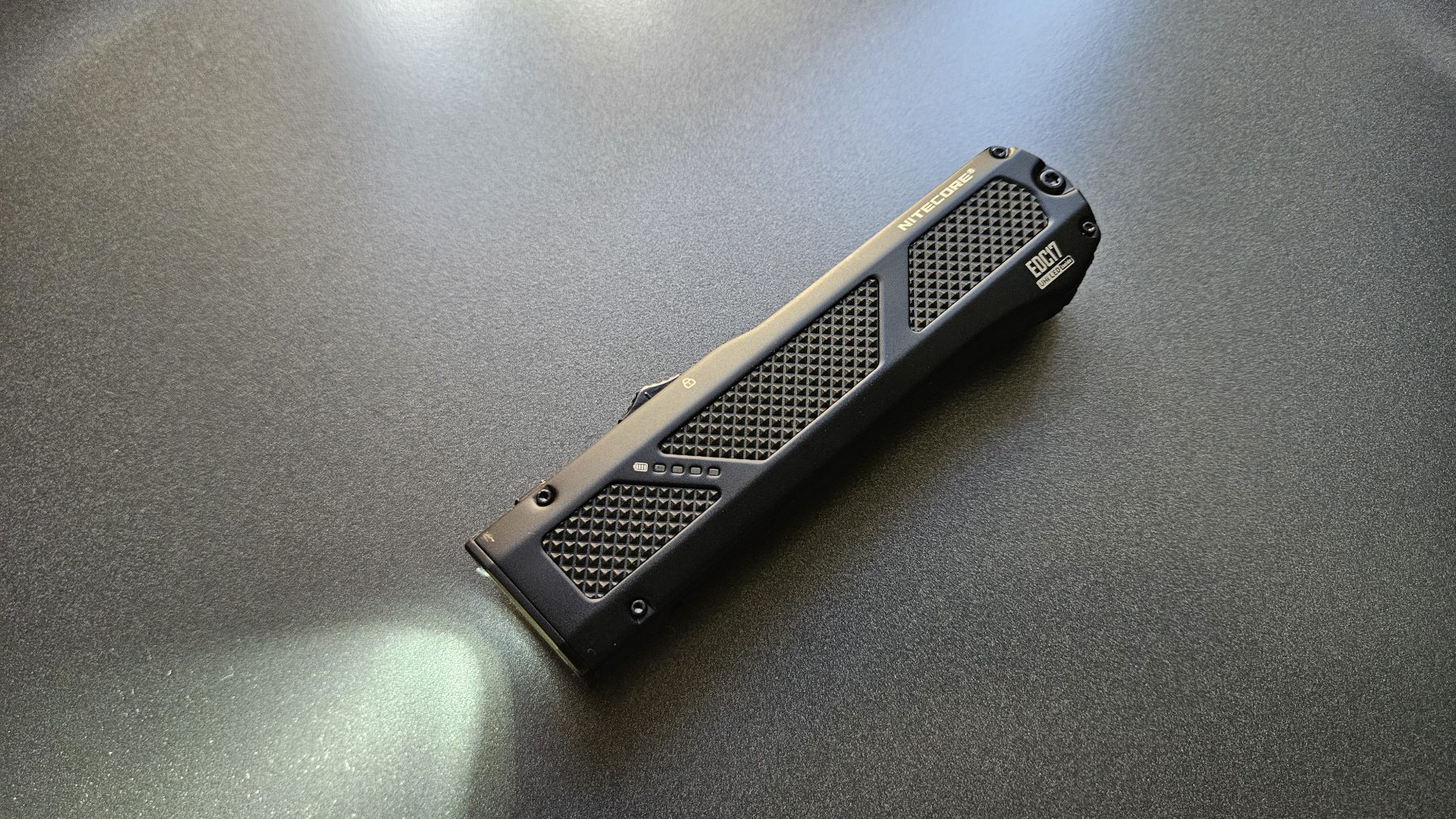
Modern, flat/rectangular flashlights with analog switch controls blew up in the EDC market with the introduction of the OLight Arklight flashlights. These flat flashlights fit far more comfortably in back pockets, like EDC knives and multi-tools. Nitecore leans hard into this aesthetic with the EDC17.
At SHOT Show 2026, I got a look at Nitecore’s newest flashlights and the ED17 was a standout. At first, I thought Nightcore was releasing a folding knife, but as it turned out, it was a flashlight.
Its analog control switch runs along the thin side, like a box cutter. Next to it is a mode button that switches the light between white beam, green laser pointer, and UV bulb. Both the white and UV beam have low-medium-high output settings. The EDC17 maxes out at 1500 lumens and in my testing exceeded 1600 lumens.
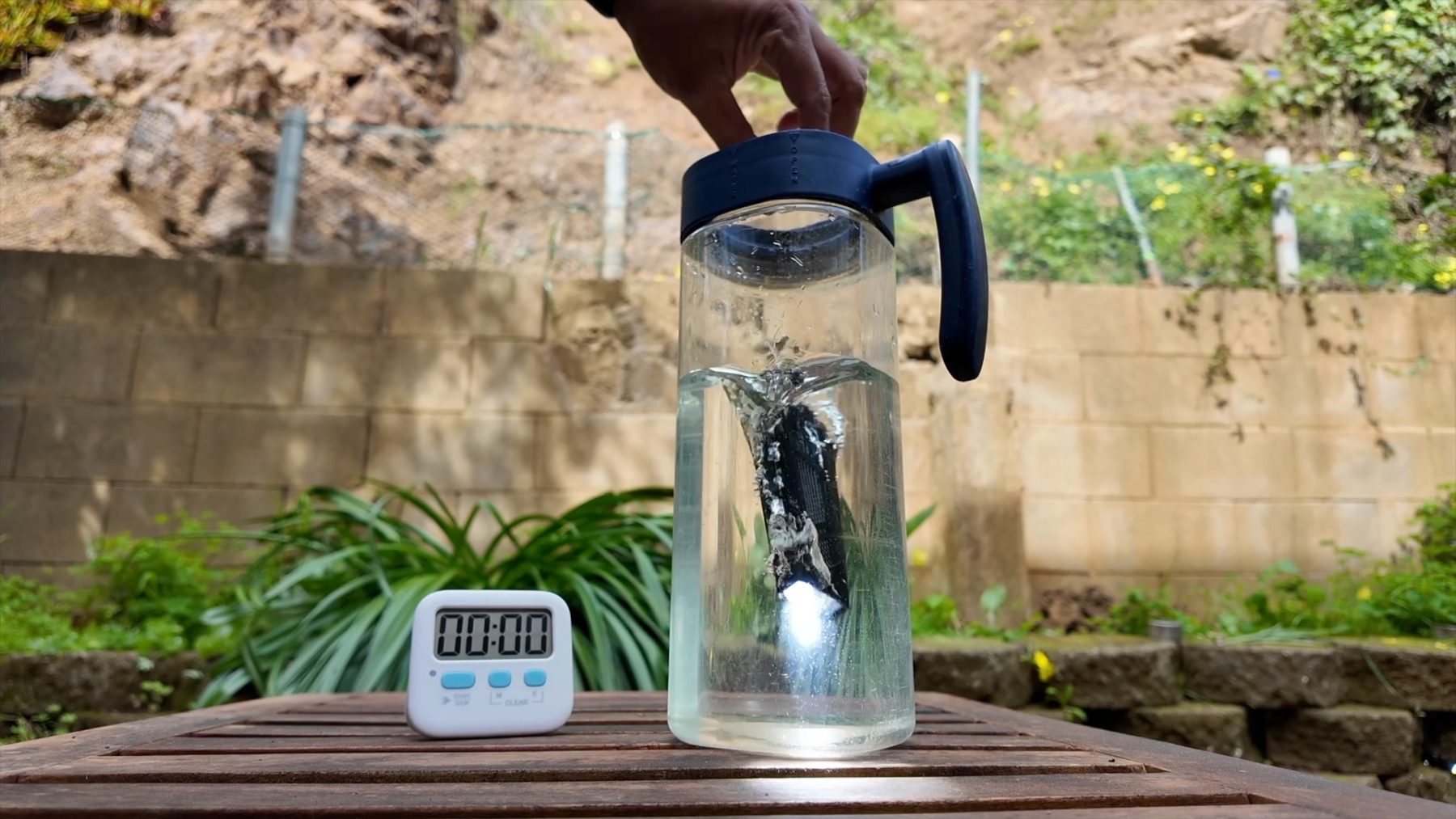
During my waterproof testing, my flashlight turned itself off after a minute. After drying and testing it, I was surprised to find it met its IPX7 rating and kept water out of the housing.
I recharged it and found it functioned normally. In my runtime test, it slightly exceeded its 105 minutes in high-mode, and stayed at high light output for 99% of its runtime. I still don’t know why it turned itself off during the IPX7 test?
Nitecore lit up SHOT Show 2026 with new flashlights. Their EDC37 output a crazy 8000 lumens. I reviewed its smaller brother the EDC29 last year which outputs 6500 lumens and burned a hole in my vest.
Nitecore has also branched out into selling ultra-compact power banks.
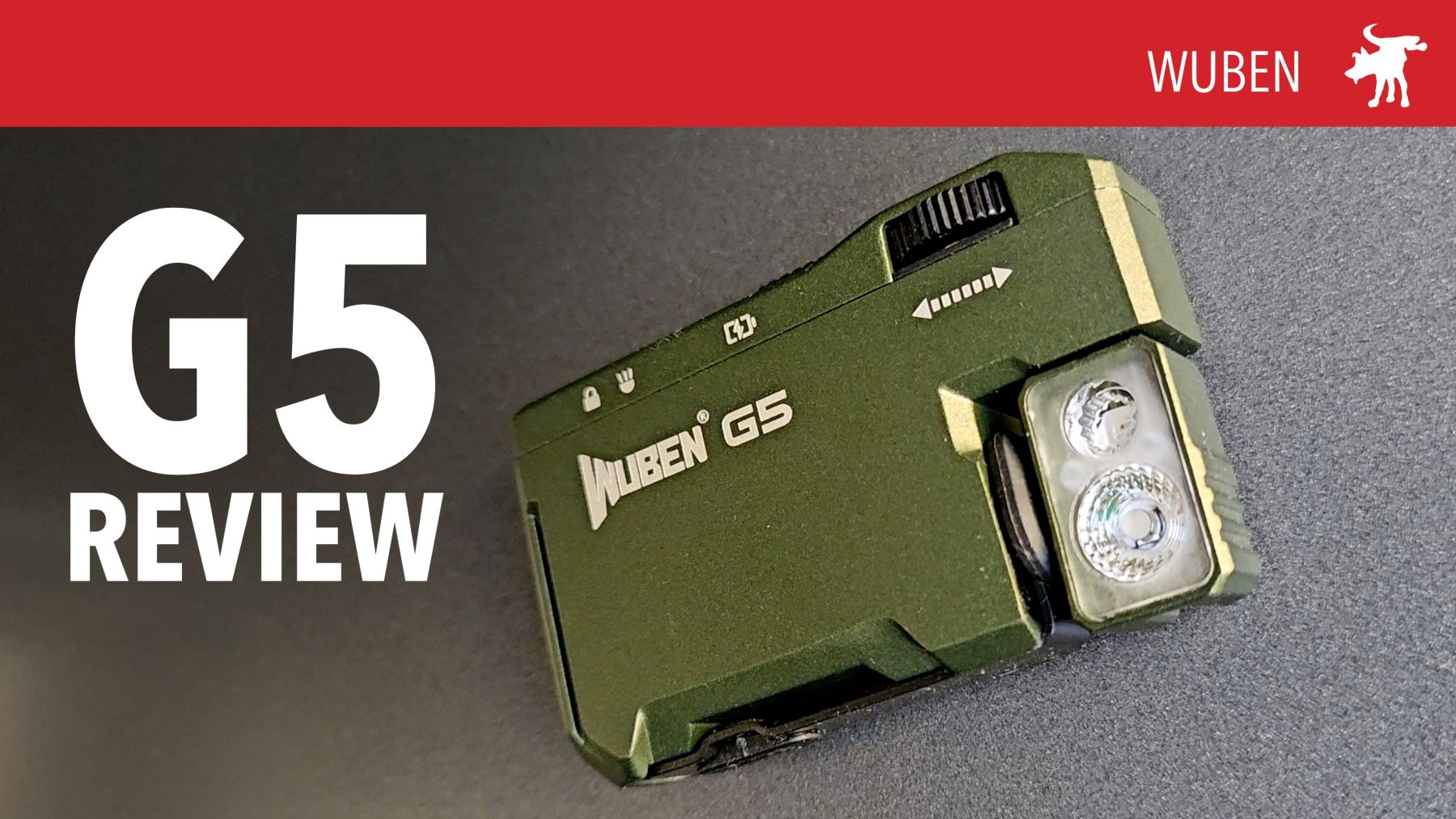
The G5 is an unusual, flat EDC flashlight that is about the size and form factor of a zippo lighter. But that isn’t what makes it unique. This flashlight has a pivoting emitter head that can rotate 180º and a pocket clip that can also rotate 180º. This allows a lot of flexibility in how this flashlight can be mounted, stored, and used as a work light or head lamp.
The controls are primarily analog. Sliding the lockout switch one click allows the primary button to function and sliding it all the way up, reveals a USB-C port. Under to the activation/mode button is a rotary dial which is a stepless brightness adjustment and when pressed into the RGB allows you to change the color of the light. A double-tap switches the flashlight into a colored emergency beacon.
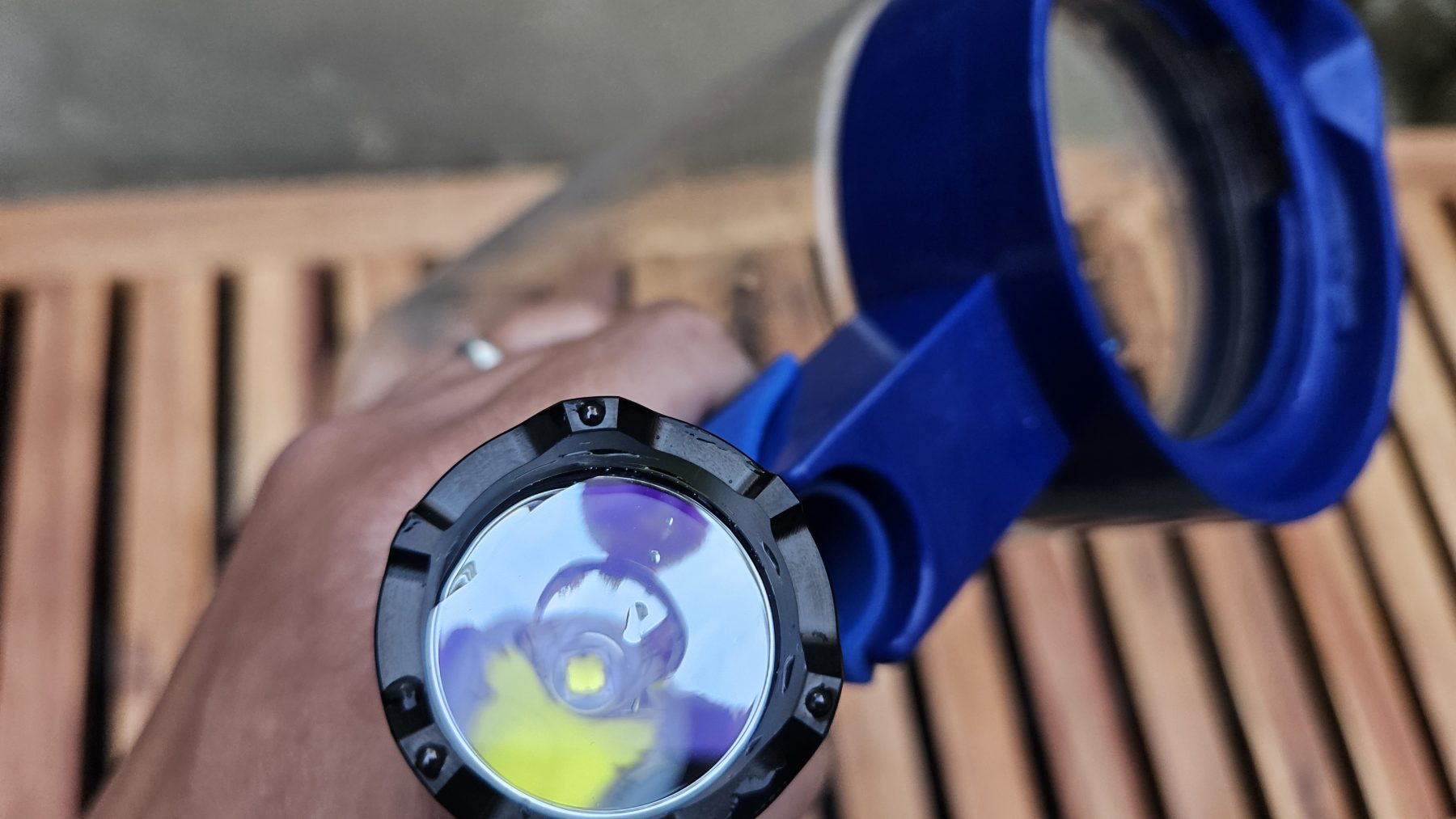
I found the flashlight to be more than bright, exceeding 400 lumens in high mode. The G5 is IPX68 rated, which means it is supposed to survive underwater immersion, but when I tested it with a power washer, water got into the unit (probably through the analog switch or dial). After a few hours, the flashlight turned on by itself in blue light mode and wouldn’t turn off until the battery died. It would not recharge.
I contacted Wuben’s customer service. They have up to a 5-year warranty if you register your product with Wuben. My unit was a testing sample, so I did not have a receipt or order number so they couldn’t replace my unit. I had to contact my marketing contact at Wuben to get a replacement. So if you are buying a G5 be sure to keep your receipt or if giving it as a gift, include a gift receipt so that your recipient can register the product.
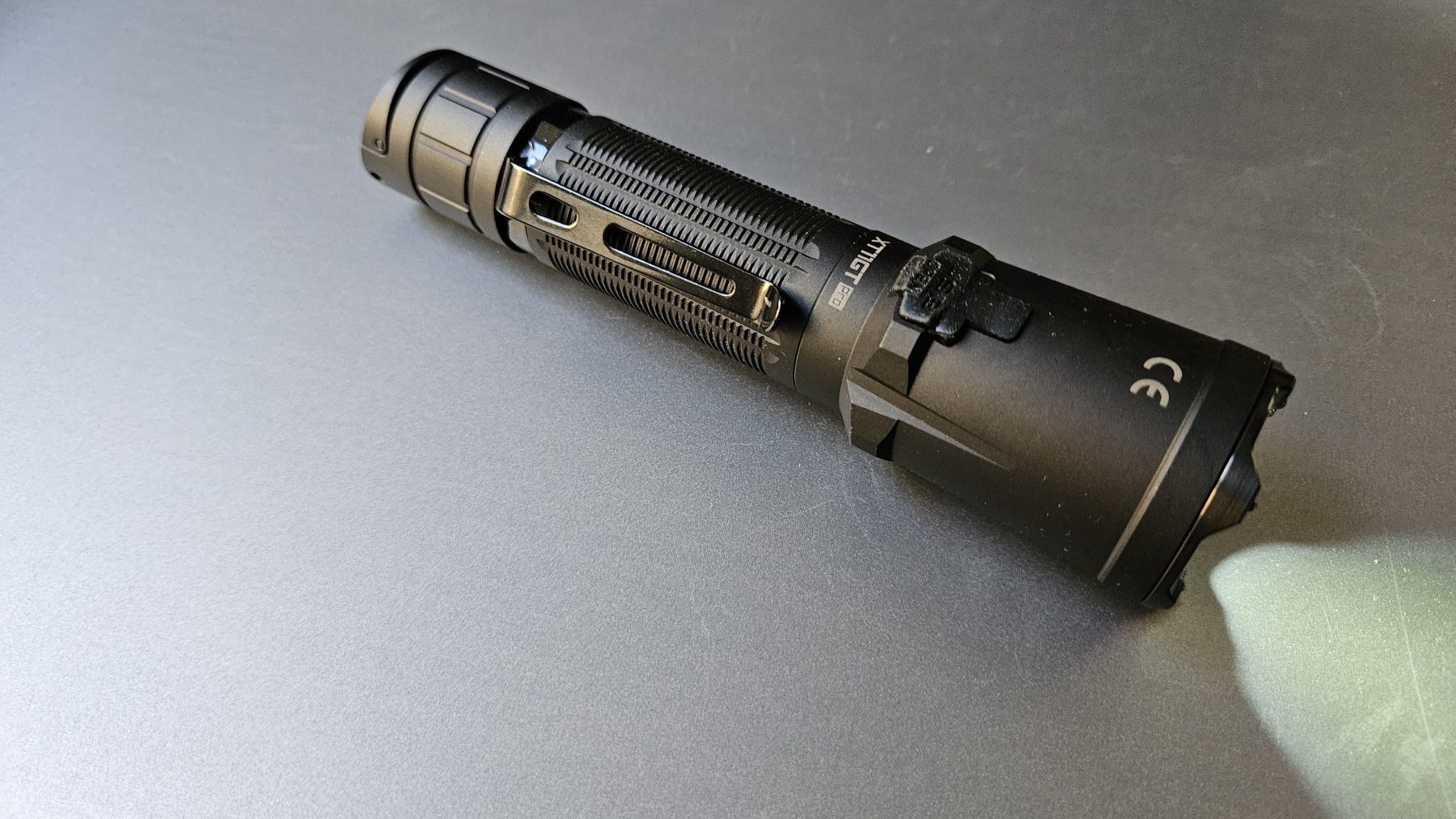
The Klarus XT11GT Pro is a traditional tactical flashlight that is 5″ long with a 1″ tube. It uses a standard 18650 (or 2x CR123) Lipo battery to drive an emitter with an output of 3300 lumens. It has a USB-C port to allow direct recharging of the battery inside the flashlight.
Its bell is impressively thick and reinforced with ceramic glass-breaking beads embedded in 3 of its crown teeth. The base of the bell is flared, similar to a sword pomel, to help prevent your hand from slipping when striking with the flashlight to break glass.
It’s operated via a primary clicky button, which activates its turbo mode of 3300 lumens. Along the rim of the tail cap is its Auxiliary control switch, which activates the flashlight in low, medium, high, SOS, and strobe. This dual button system makes for easier control but the angled Aux button prevents the flashlight from tail standing.
iThe XT11GT Pro is an incremental but significant upgrade. For those who are used to and comfortable with a traditional tactical light that will fit into many standard holsters, this is a great choice.