At Shot Show 2023, I got an early look Lapua’s new Long Range and Super Long Range .22LR ammunition. They claim these new rounds are designed to shoot consistently at ranges of 200yrds, 300yrds or more.T he bullet and case are identical to Lapua’s Center-X and Midas+ match .22LR. By tuning the powder chemistry they claim to have increased velocity by a modest 30fps while keeping the maximum velocity spread to a minimum.
The new ammo will be released towards the end of February. I’m hoping to get my hands on some directly from Lapua to test and evalute myself.
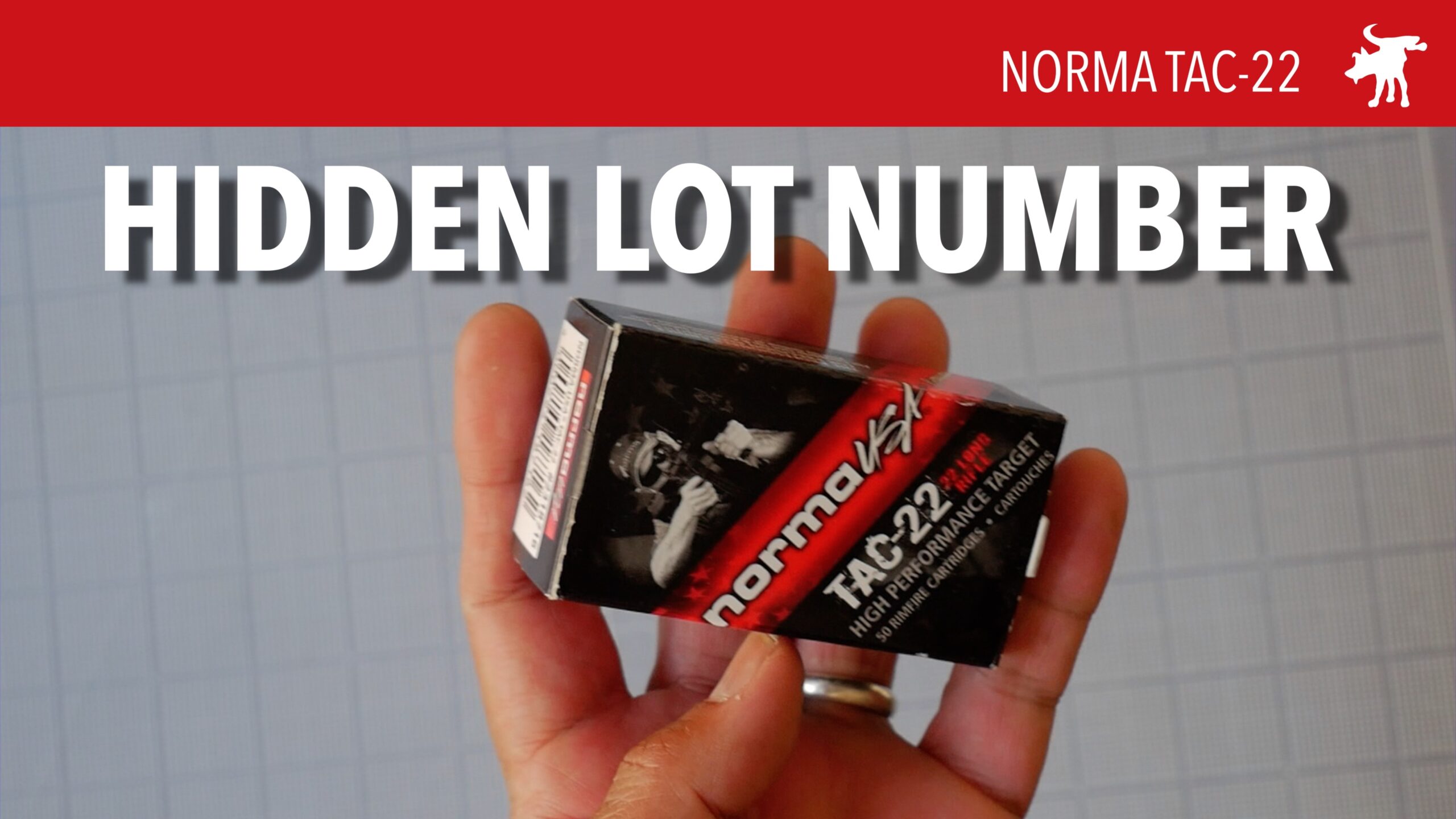
I was this old when I found the hidden lot number on Norma Tac-22. I reviewed Norma Tac-22 a few months ago, comparing it to Federal Champion in my CZ457. One thing that I found odd was that I could not find an imprinted lot number on the ammo box.
Competitive shooters know that not only does ammo vary with brand and model but that ammo performance can vary with the factory batches (lot) that produced them. Typically match grade or European made ammo will imprint a lot number on their boxes. Savvy buyers will bulk buy ammo based on specific lot numbers.
Norma Tac-22’s packaging says it’s made my Norma USA but upon close inspection, I found RWS head stamps on the casing. RWS is a German munitions company well known for making 22LR ammo. RWS was the brand CZ used when proofing my rifle at the factory.
I looked carefully at the Tac-22 package and I could not find a lot number or any set of numbers or characters that appeared to be a lot number. The only numbers on the packaging were next to the barcode and appeared to be the UPC (Universal Product Code) and the model number. Typically a lot number would be embossed or die-printed mechanically onto a box as these numbers are printed at the end of the packing process at the factory to reflect each batch lot the factory produces.
I mentioned this in my review and a viewer commented on my YouTube channel that the number was embossed on the edge of the box flap next to barcode. Son-of-a-gun, I went back to my box of Tac-22 and found it. This flap is inside the box, when unopened. It is an embossed number on a black printed flap which is nearly invisible to my old eyes and easily missed; essentially a hidden number.
I honestly do not understand why ammo makers do not print their lot numbers clearly on the external panel that also has the barcode, or on any other side on the carboard box like Eley and Hornady? Why do they hide it from users until after they open the box? I guess I’ll have to ask Norma this the next time I’m at Shot Show.
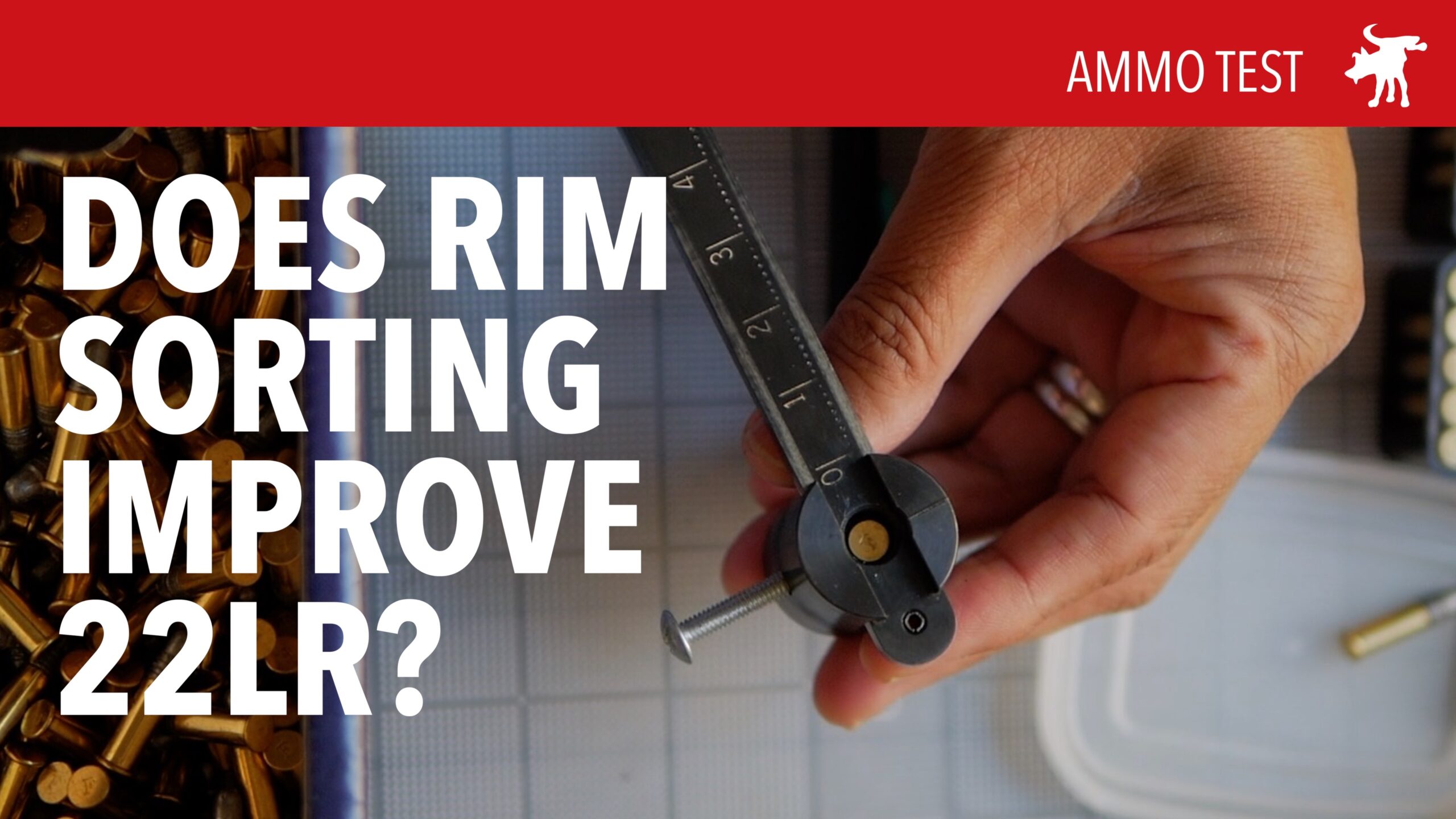
After testing weight sorted cartridges of Federal Champion 22LR LRN and finding that they produced 60% smaller groups than non weight-sorted cartridges, I decided to test the other big old-school 22LR accuracy technique: sorting cartridges by rim thickness.
The thickness of the a 22LR rim can effect the amount of headspace of the bullet in the chamber. And presumably, the thickness could also effect the amount and burn rate of the primer inside it. Both of these factors could effect the velocity and stability of a .22 bullet.
For the test used a batch of weight sorted 22LR cartridges from which to draw my rim sorted samples from. All the cartridges I measured weighed between 51.3gr and 51.5gr. I put 50 aside as a control group and measured the rim thickness of the remaining cartridges and sorted them by rim thickness. A friend from my rifle club lent me his Neil Jones Rimfire Gauge tool which made the measurement process relatively quick.
For my testbed I used my same CZ 457 VPC that I used for the weight sort test. At the range, I set up 2 rows of 3″ paste up targets at 100yrds. I fired 5 rounds into each target for a total of 40 rounds of rim sorted and 40 rounds of my non-sorted ammo.
Upon inspection the target groups were each a bit different from each other but overall appeared relatively similar in size. Just how similar surprised me after I ran a photo through my phone’s Range Buddy App. On overage both the rim sorted and the randomized control group produced a 1.27 MOA average size. Identical.
RIM SORTED 1.03 1.28 1.61 1.16 MOA Avg 1.27 MOA
RANDOM CONTROL 1.83 0.99 1.14 1.14 MOA Avg 1.27 MOA
So it would appear that rim thickness plays an insignificant role in 22LR accuracy and performance. At least so far as Federal Champion LRN is concerned. My buddy who lent me his Rim Gauge told me as much when he tested his Match Grade 22LR for competitions. Were it not the case, I doubt he’d be lending me his gauge.
There’s some old-school lore among bolt-action rimfire shooters that weight sorting bulk 22LR ammo is almost as good as buying Match Grade ammo. I put that theory to the test, partially out of curiosity and partly out of necessity. Since the COVID pandemic, Match Grade rimfire ammo has been impossible for me to find locally and what few boxes I could find were outrageously priced.
Match Grade rimfire ammo differs to cheap bulk ammo primarily in the quality control testing of the product. Many manufacturers do not make “practice” or “plinking’ grade ammo. Instead really only make Match ammo but based on the quality control testing of the batches, they reclassify and repackage the rejects lower grade varieties (Club, Target, Rifle, etc.). This quality control includes visually inspecting the uniformity of the cartridge as well as weighing them. Consistency in ballistic performance comes from consistency of the bullet cartridge.
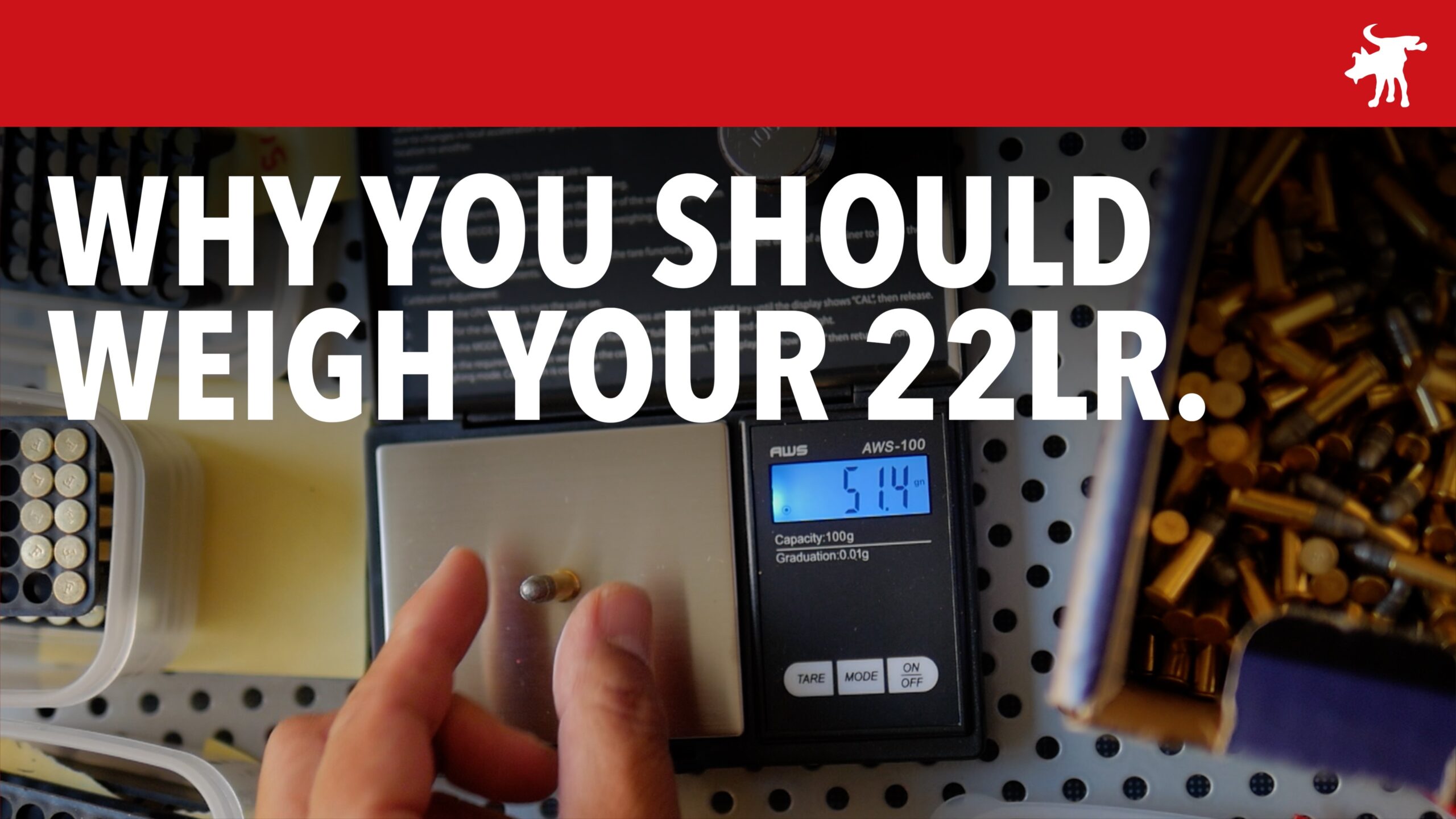
I took the more mediocre 22LR ammo I had in stock, which was a loose box of Federal Champion “Blue Box”. Using a digital scale, I measure the weight in grains of each 22LR cartridge I would pull out of the box. I sorted the measured cartridges into groups: 49.8gr-51.2gr and under, 51.3-51.5gr, and 51.6gr-5.19gr. Any cartridges outside of these 3 batches was thrown in the “junk” pile; about 1 in 30 fell.
I took 50 rounds of the middle-weight batch (~51.4gr) to the range along with the new box of Federal Champion. Using my CZ-457 as the test bed, I set up a target downrange at 100yrds. I pasted up eight, 5/8″ sticker dots as my targets. I would fire 20 shots, 5 at shots at each of the 4 targets in each group.
The first group would be my weight-sorted batch. On second row of dots would use random bullets pulled from the Federal blue box. I chose to shoot the random batch 2nd to afford it the best opportunity possible. Compared to the Weight Sorted batch, the barrel would be well seasoned and I would have been warmed up from shooting the 1st batch.
Inspecting the target afterwards, my first impression was that there wasn’t a huge difference between the two rows. But after taking a photo and crunching the numbers using my phone’s Range Buddy app, the number told a different story. The Weight Sorted batch scored an average of 1.25 MOA whilst the Random Batch scored an average of 1.83 MOA. That 0.58 MOA difference that’s an almost 60% improvement!
But in the real world 0.6 MOA, hardly seems worth the time and effort to measure each 22LR cartridge. Certainly when shooting at a competition, every little bit helps. In one of my recent matches the difference between my 1st place win and 2nd place was only 3 points.
You can try it yourself to see how much a difference weight sorting is to you. You’ll need a precision digital scale that can measure to the nearest 0.01g . I used this one: https://amzn.to/3s8NG4j
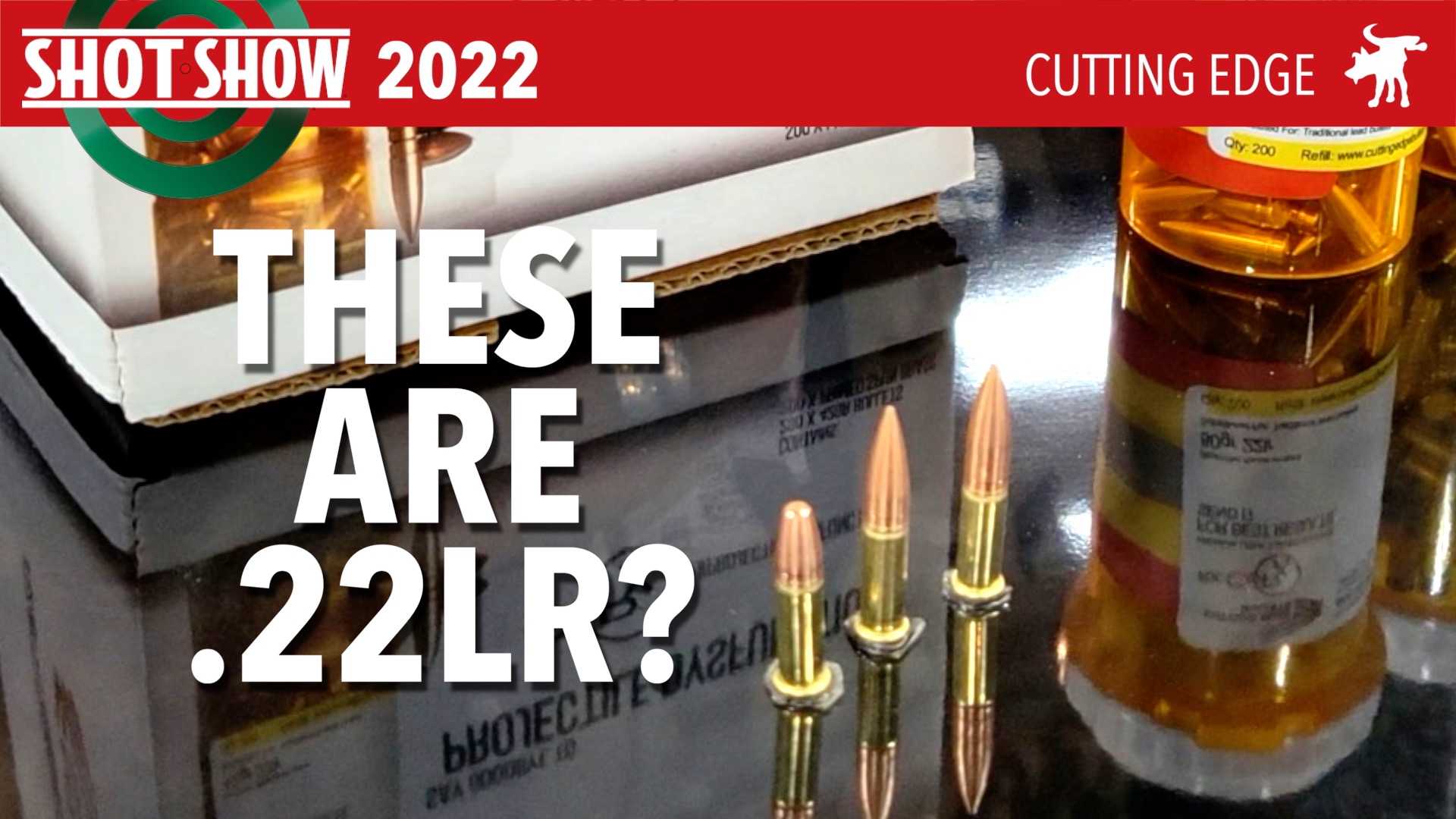
In 2020, Precision rimfire shooters were equal parts, intrigued and dubious of photos of circulating on the interwebs of 22LR bullets with fantastically elongated sharply pointed bullets, not unlike those on a 6.5 Creedmoor or similar speciality ELR ammunition. As it turned out, these bullets were real, solid-copper spitzer-style bullets created by custom bullet manufacturer, Cutting Edge of Idaho.
I saw photos of these pointy spitzer-style bullets last year and they looked pretty wicked, but I wondered if these were some gimmick or just experimental? Regardless, I’m sure many of us thought, I’d give it a try if could get my hands on some?
These bullet were first shown off at Shot Show 2020 but due to the pandemic shutting down the show in 2021, I hadn’t seen or heard about them until I saw Josh of Pursuit of Accuracy posted a video about them. His initial tests seemed positive but he wasn’t convinced that their performance were worth the cost.
I got a chance to visit the Cutting Edge booth and learn a bit more. They only bullets and not as boxed cartridge ammo so strictly for Loaders/Reloaders. And given the unusual nature and barrel requirements, probably strictly for competition .22LR loaders.
Still I’m curious if anybody has bought this kit or have had a chance to load and fire them? So far it’s been second-hand word-of-mouth about their performance. For those who are reloaders, these bullets are sold in kits which include the bullets and brass for about $80 for 200rnds.
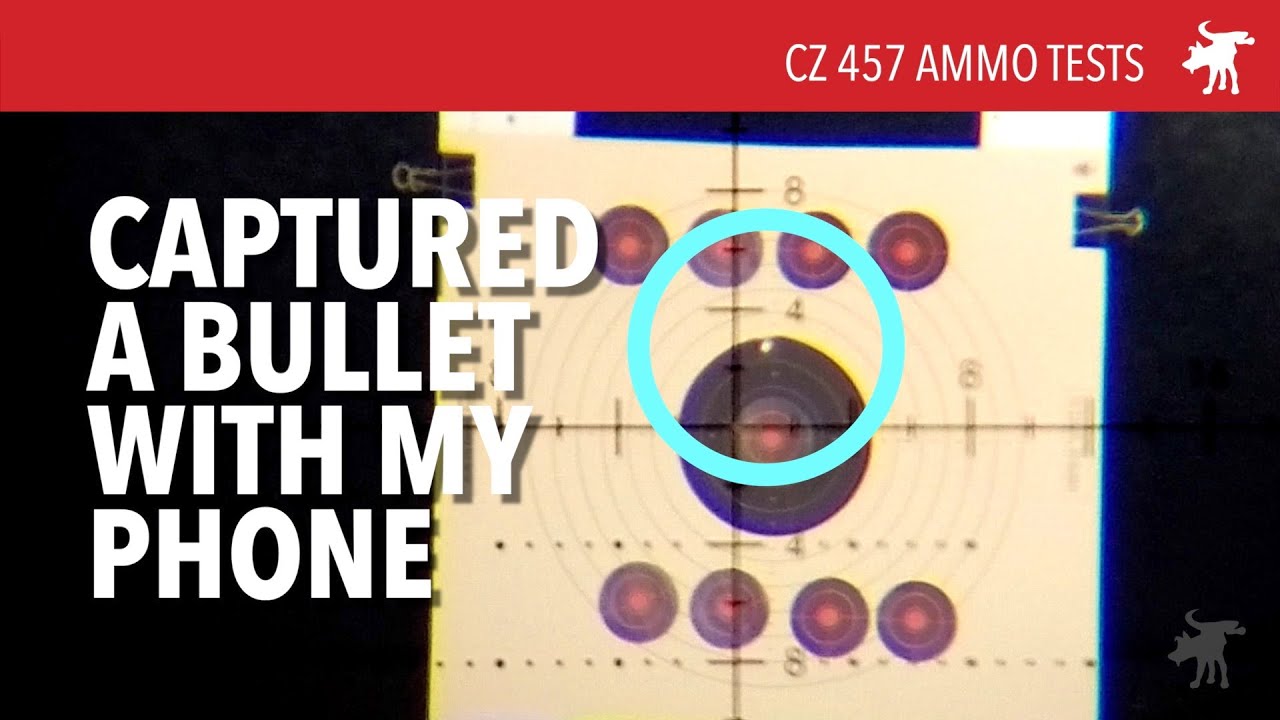
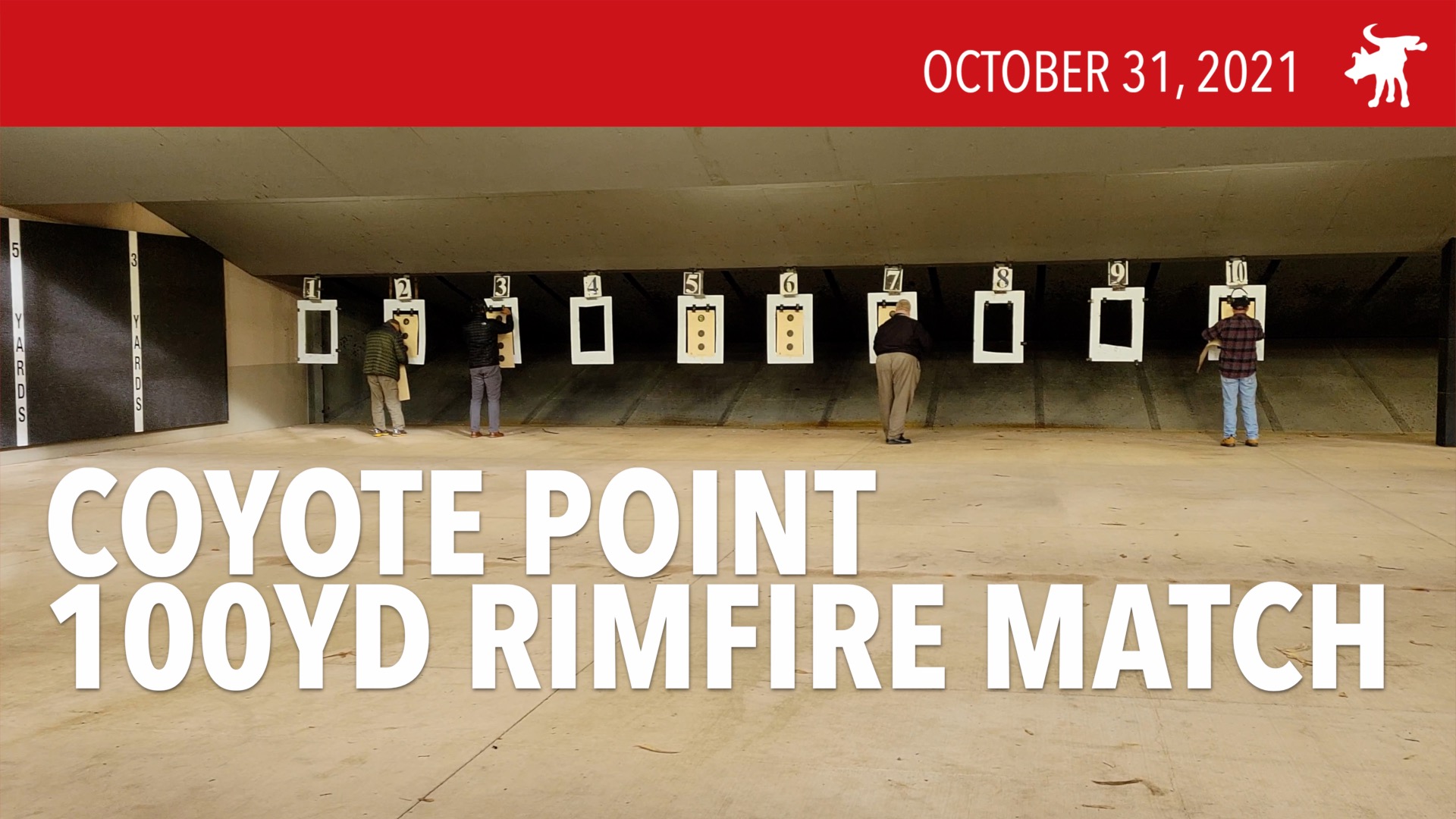
While competing at a 100yrd match with my new CZ457 with a 6-24×50 Vortex Diamondback Tactical I noticed a flash of something when firing at the bullseye. At first I didn’t know what it was but after seeing it again the next time I fired, I couldn’t believe that I was seeing the bullet in flight to the target.
I know you can see the shockwave mirage of a bullet in flight at long range (over 500m). But in 40 years of shooting I’ve never heard nor seen a bullet at 100yrds. Much less a tiny bullet like a .22cal.
After the match, I set up up my camera on the scope and tried to capture what I was seeing. It requires the right lighting conditions (the sun was directly at my back) and a high-quality magnified scope with ED glass, but this footage shows that it is possible.
I competed in my 2nd match with my new CZ457 VPC. A made a few minor changes to the setup. I returned my Athlon Argos to my AR and replaced it with a Vortex Diamondback Tactical 6-24×50; the finer reticle lines makes spotting .22cal holes easier. I lightened the factory-stock 3lb trigger pull to just under 2lbs.
Perhaps the biggest change in performance came from the ammo. Instead of running CCI Standard again, I stumbled upon the performance potential of Federal Champion when I used it to initially sight in the Vortex Diamondback (not wanting to waste my limited match-grade ammo). I noticed the surprisingly small group it was printing. I ran out of time before the match to properly test other ammo, so opted to take a risk. I ran with “Blue Box”.
I ended up winning the match, coming in 1st place to my utter surprise. It was a very close score. I scored only two points more than the next highest scoring competitors. I hope to fine tune my setup and find an even better ammo than “Blue Box” for the next match. But if it turns out this is the best ammo for this rifle, so much the better as far as my wallet is concerned.
I tested one of Federal’s cheapest 22LR. Range Pack a.k.a “Blue Box”. It’s a 40gr LRN that looks identical to Federal AutoMatch but at a lower price. I wonder if it’s actually AutoMatch that didn’t pass or that Federal doesn’t run as thorough a quality check.
I ran 20 rounds through the Ruger 10/22 with one dud round that failed to fire. I got middling group sizes averaging about 3″ at 50yrds. But when I ran it through the Marlin 60, the shots were all over the place. Average group sizes were over 5 1/2″ and numerous failures to cycle.
I thought something might be wrong with my rifle so shot a few rounds of Aguila Super Extra HV and those shot normally in a 1.8″ group. Then I reloaded it with more Fed Range and again got loose, inconsistent groups. While this ammo works ok in my Ruger for plinking, my Marlin really does not like this ammo.
In 3 testing sessions, I noted that the rounds sounded more muffled when fired in the Marlin than the Ruger. I experienced 3 failures to cycle; where the spent case was ejected but the bolt did not feed the next round. And one squib that I had to push out with a cleaning rod. We’ve all been told that ammo do shoot very differently in different rifles; this is one of most extreme examples.
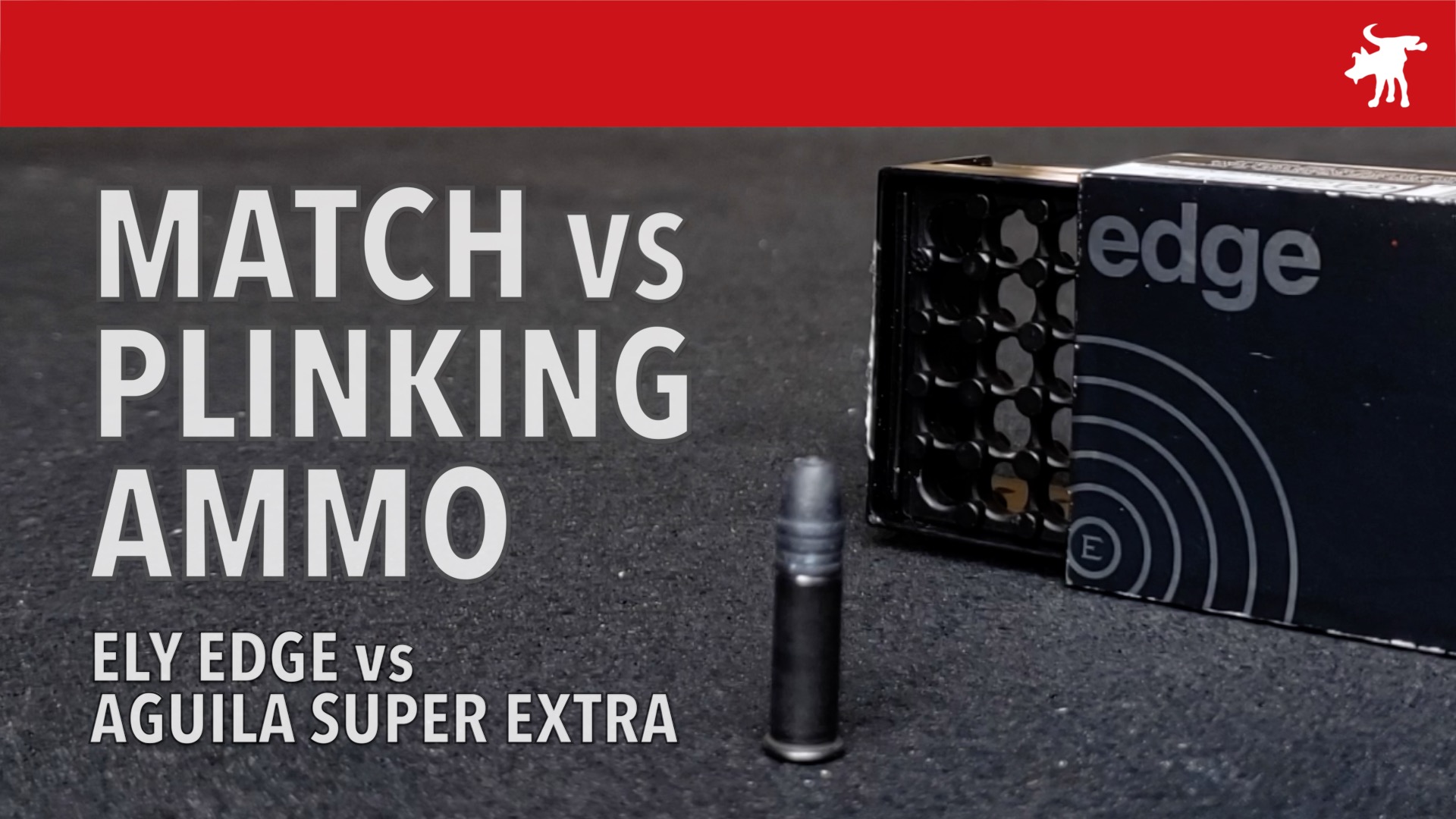
Eley Edge 22LR vs Aguila Super Extra HV at 100yrds. We know that expensive match-grade ammo shoots better than cheap bulk pack ammo at 50yrds. But does that difference still apply at 100yrds? I compare the performance of both ammo in a typical factory stock Ruger 10/22 takedown. Special thanks to Harry S.
PRODUCT LINK Eley Edge Aguila Super
SMARTER EVERY DAY See this cool video on supersonic bullet shockwaves by Smarter Every Day “Shockwave Shadows in Ultra Slow Motion (Bullet Schlieren) – Smarter Every Day 203” https://www.youtube.com/watch?v=BPwdlEgLn5Q
Eley Edge 22LR vs Aguila Super Extra HV 22LR. How much better does expensive ammo shoot compared to cheap bulk pack ammo in a factory Ruger 10/22? No spoilers. Before watching the end, let me know in the comments what you think will happen?