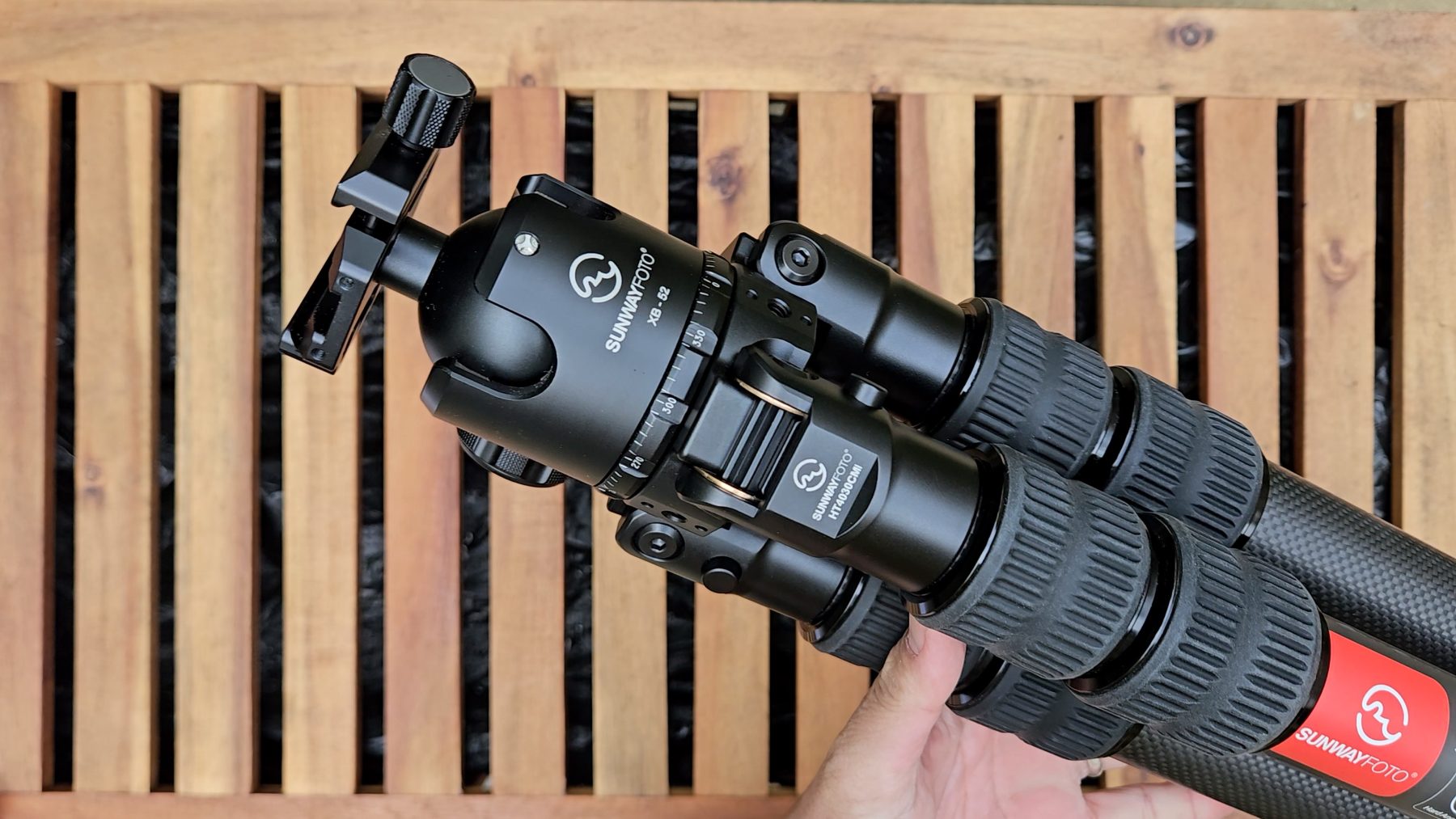
The HT4030CMI is Sunwayfoto’s tallest heavy-duty, large-diameter inverted-leg tripod. Unlike most tripods, the locking rings of the legs are located at the top of the leg near the tripod hinges. This position allows the shooter to easily reach the locking rings from a shooting position without having to break position to reach half-way down the leg as in traditional designs, while retaining the same extended length. This tripod is not only extra strong due to its 40mm diameter legs but also tall at over 6ft from foot to the tripod’s baseplate.
Main Material: Carbon fiber and Aluminum Leg Sections: 3 Leg Diameter: 40mm Max Height: 68.5 in./ 174cm Min Height: 3.9 in./ 9.8cm Length with legs folded: 31 in./78.5cm Net Weight: 4.9 lb./2.2kg Load Capacity: 66.1 lb./30kg Screw Thread: 3/8″ Leg Angles: 20°、55°、85° Top Plate Diameter: 2.68 in./6.8cm
I have USB powered WiFi security cams around the house, including one on my second floor overlooking the street. It’s an 80 year old home so it doesn’t have outdoor power outlets and I didn’t want to drill a hole in the walls to snake a USB cable through to power an external outdoor cam. Instead, I mounted my Wyze cam indoors in my window.
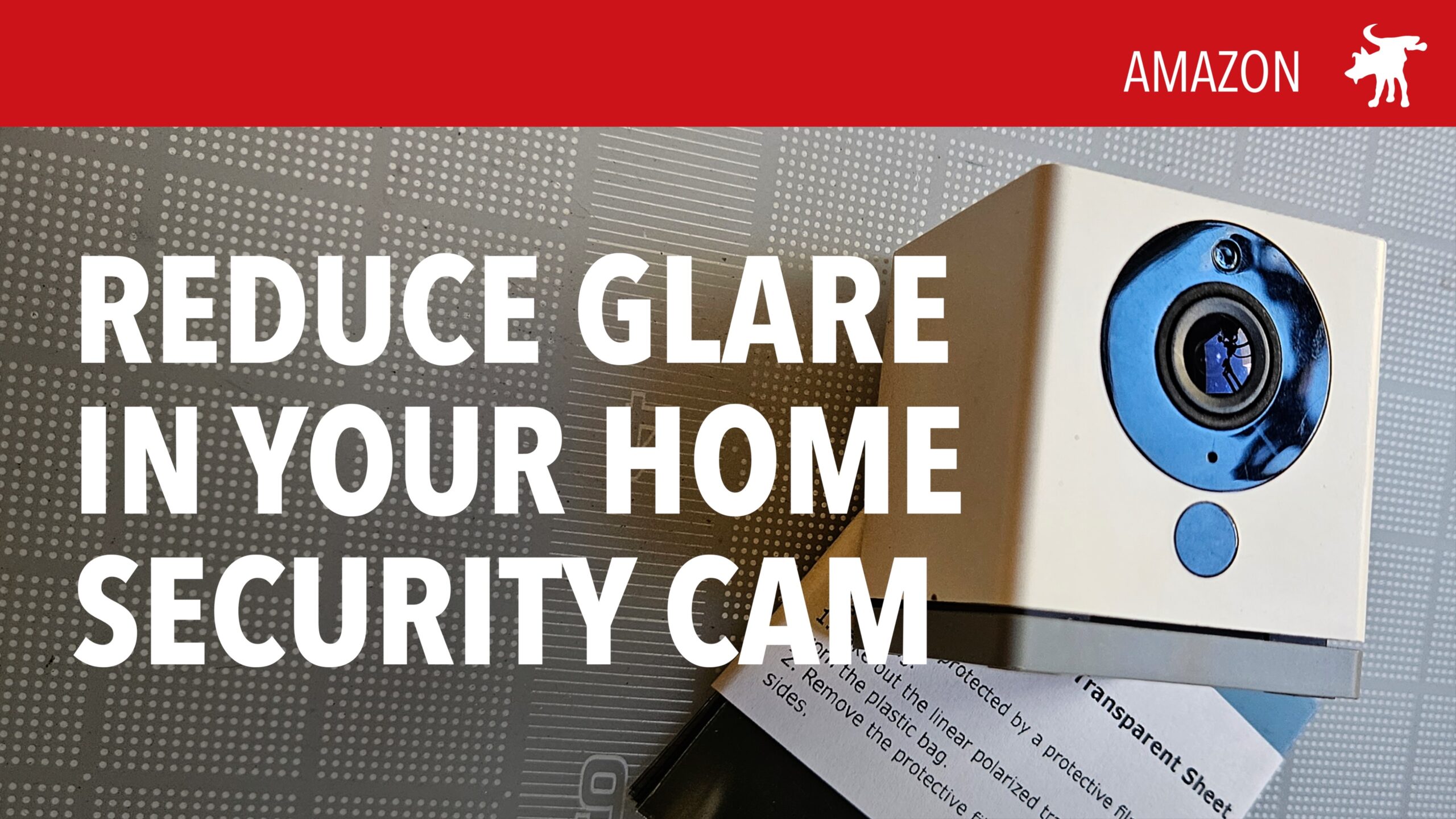
Unfortunately my window mounted cam gets a lot of glare and unwanted reflections. Taking an idea from the world of photography, I wondered if I could somehow attach a polarizing filter to the cam. Polarizer filters restrict the angle of light that enters a lens. This reduces the overall amount of light entering a camera but it also significantly reduces glare and reflections in a photo or footage.
Polarizing filter sheets are available from most photo and camera stores (though there are fewer and fewer of those). I purchased a pack of polarizing filter sheets from the Photography section on Amazon. These are thin square sheets of plastic film that appear tinted.
By placing this film at 90º or 45º to the axis of your camera, you can reduce perceived glare and reflections. Some experimenting is required to get the best results. I cut off a piece of filter just large enough to cover my cam lens then taped it down.
One re-mounted, I found that the film did not entirely remove all of the reflections but it reduced it noticeably. Furthermore shadow areas in the scene were enhanced and the overall scene had greater contrast and detail. The only downside is that it reduces night/low-light performance slightly with more blurs and digitizing of night footage. I think the trade-off is worth it. This 5-minute DIY hack works on any home security cam and also works on car dash cams.
10-PACK POLARISING SHEETS vailable on Amazon through this affiliate link: https://amzn.to/46eRe6i
When I was offered a travel tripod by SunwayFOTO, I wasn’t expecting more than another clone Chinesium tripod that would likely last long before some screw stripped itself. What I got was a feather light carbon fiber tripod that impressed me.
This tripod comes in a black velvet pouch containing the folded and collapsed tripod and a plastic pouch containing four Allen wrenches (to tighten screw joints which work their way loose over time) and a cleaning cloth. While the velvet was probably meant to make it feel high end and protect the parts, it does make for a dust magnet.
The tripod weighed in at 1.67 oz on my scale and that includes the metal ballhead! The overall length when collapsed was barely 14″. Technically I’ve used lighter tripods but these were mini-tripods or accessory tripods; not real photo tripods that you could mount a full sized DSLR and telephoto lens with any confidence or stability, and certainly not at eye level. Fully extended, the tripod stands at 52″ in height, perfectly standard.
The ball head has a slight divot cut in the ARCA QR mount to make room for the tripod foot to rest in it, making the tripod just few millimeters smaller. Levers were used instead of twist heads for added torque on locking joints. These little design details make the SunwayFOTO stand out as a cut above typical tripods. As does it’s price, which is a around $220 as of this writing, so not as expensive as some higher-end carbon fiber tripods; it’s certainly not cheap.
The leg segments lock and unlock with a 180º twist at the feet. They utilize an internalized locking mechanism without individual locking rings at the segments, so extra care needs to be made if you attempt to retract an individual leg or segment, as twisting the outermost segment can transfer torque and unlock the previous segment. This makes adjustments on uneven surfaces tedious but this also makes deployment on normal level surfaces extremely fast.
I was able to unfold and depoly the tripod in under 19 seconds pretty much the first time without rushing it. And the leg extension and locking can be done essentially one handed. This makes this tripod ideal for guerrilla-style shooting where you have to get into position fast, get your footage an go.
The light weight, fast deployment, and compact size make this an ideal travel tripod or live event vlogging tripod. This will surely be my go-to tripod for my range videos and I’ll be sure to give those leg locks a thorough durability test in the near future.
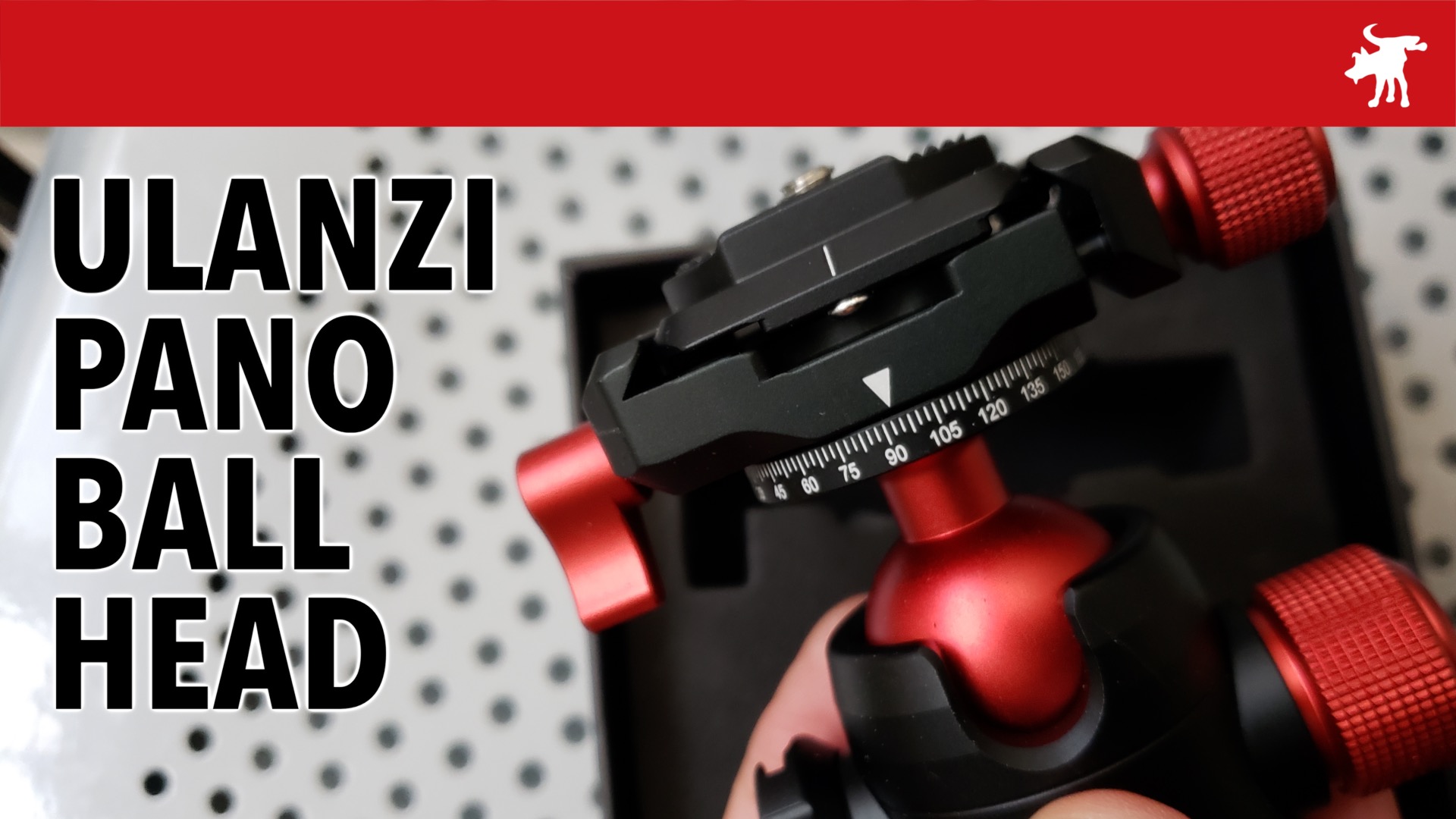
The Ulanzi U70 Panoramic Ball Head is a high-quality photo/video tripod head with a 3/8 base and 1/4 adapter. It offers a pan on top of the ball head, a feature only found on high end tripod heads that cost hundreds more.
These two tripods are highly rated and competitively priced on Amazon. The Joilcan claims it can extend slightly longer and is rated to hold 6.4 more lbs. but is about $20 more expensive than the Phopik. As it turns out both tripods are actually 77” in max height. The Joilcan comes with a 3-inch extension tube that has to screwed on to achieve the claimed 80” length. The Phopik is slightly lighter and faster to deploy and stow. Both appear to be well made and a good value in a light to medium-weight tripod for most photo and vlogging use.