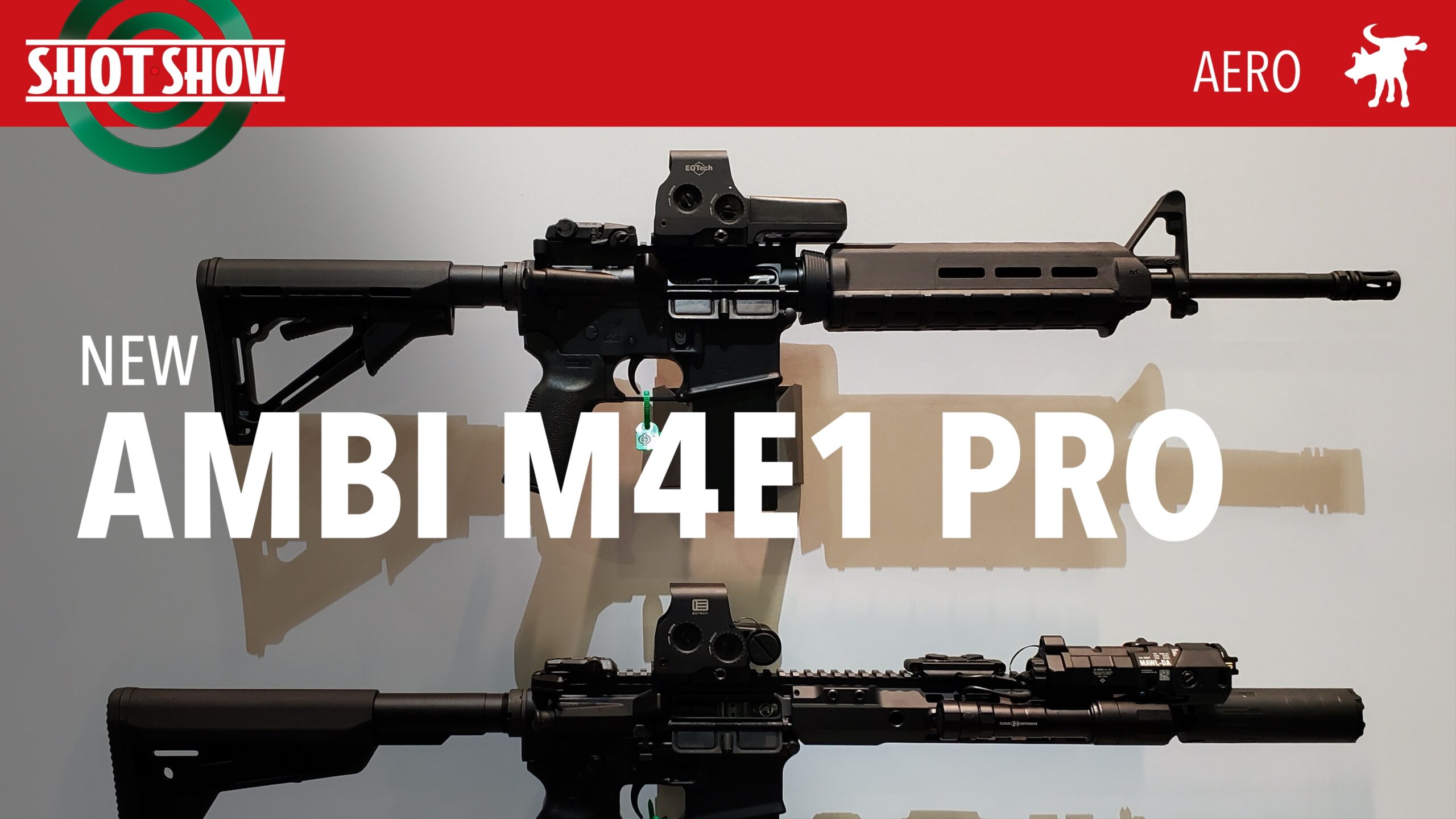
The M4E1 lower has been one of the most popular components made by Aero Precision. This year they’ve released an upgraded design which offers true ambidextrous controls on this popular lower receiver. I had a chance to shoot an Aero AR build during Industry Range Day and it was indeed easy to shoot and intuitive.

Ideagle Adjustable Target Stands
Ideagle sent me a set of their adjustable target stands to test. These steel square tube bases allow you to clamp up two vertical wooden planks to staple or hang archery or firearms targets. Unfortunately no instructions or photos were included in the generic brown cardboard box, so I had to figure it out on my own. I contacted Ideagle and they said they were still working on downloadable instructions.
The two main arm sections are square tubular frames that can adjust from 16″ to 24″ apart. The sections telescope into each other and allow the mounting of full sized and letter sized targets. At the end of each arm, one screws in perpendicular bar to form the legs to create an overall “H” like base. At each end of the H base, two rectangular sockets allow you to insert up to a 1″x2″ wood plank or steak to form the vertical stand for your target. Knob screws at the sockets lock the planks in place.
My first impression was how rough, spotting, and minimal the welding was in its construction. The edges were not finished leaving sharp edges which almost sliced open my thumb during assembling so take caution and I recommend deburring it with a file before assembly or using thick work gloves. Thick black paint covers this to provide rust protection but the spottiness of the welding, I would not recommend leaving these stands out year round exposed to the elements.
The weight of the mount should be sufficient to keep a target up. Should you be in gusty conditions, the base has slots to insert ground stakes. The box came with a bag of steel ‘U’ lawn stakes. The wood for the vertical planks can be purchased at any lumber store. Overall, it works well as a target stand at most ranges and does its job. You get a set of 2 stands so it’s a reasonable price for the pair.


ONLINE RETAIL AFFILIATE LINK
Amazon: https://amzn.to/3yJa6j1
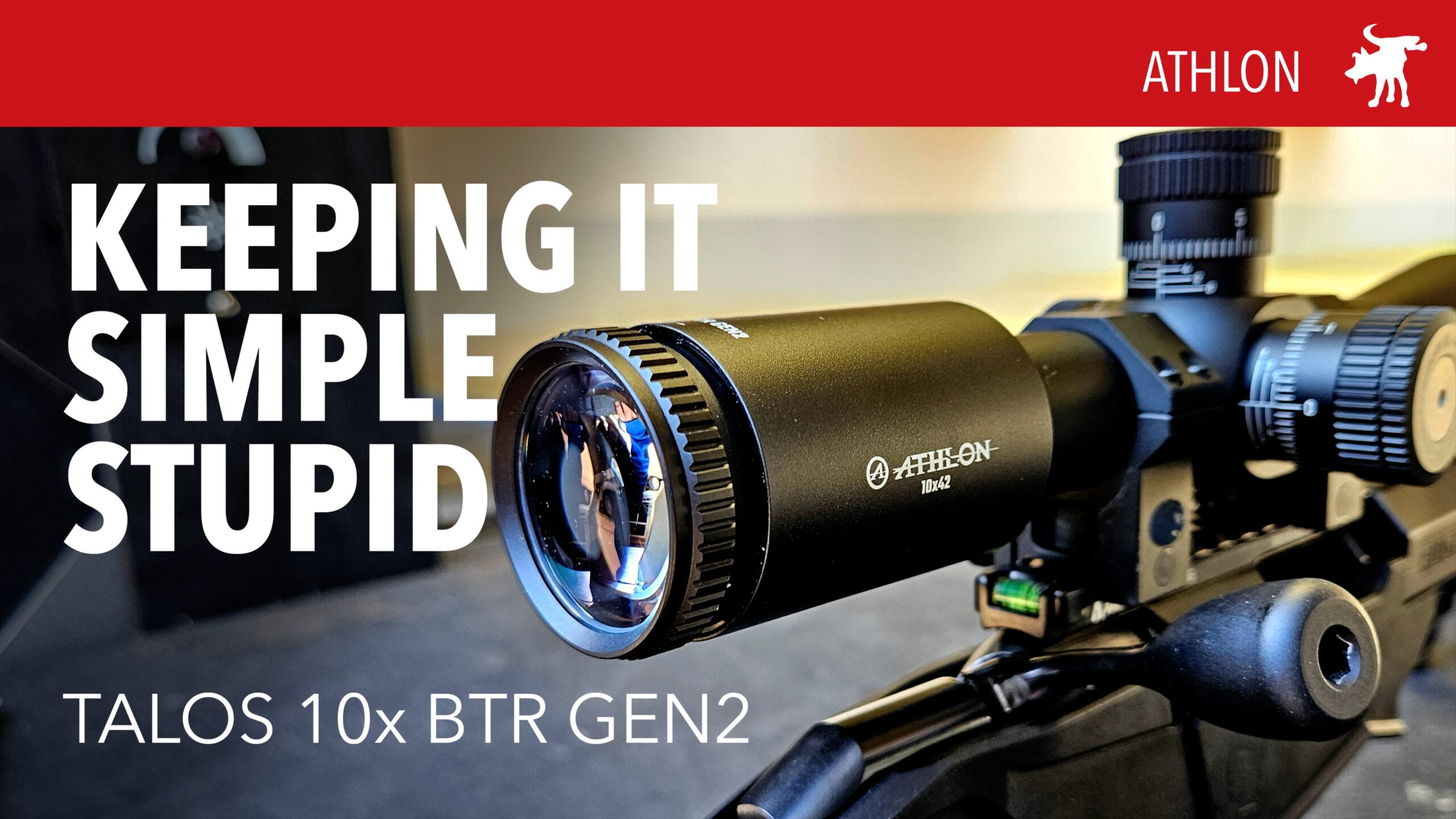
Athlon Talos 10×42 BTR Gen2
While chatting at their booth at SHOT Show, I asked my buddy Matt at Athlon what his favorite new product was and he surprised me by showing me a Talos 10×42 scope. This fixed power scope is old school without illumination. But has thoroughly modern precision MIL reticle.
The turrets are surprisingly good for an “entry level” scope. Loud clicks and very tactile positive. The elevation has an updated version of Athlon rock solid zero-stop locking ring.
The advantage to a fixed power is that all things being equal has less glass elements and internal gearing than a variable power optic. This translates to less weight and in theory better light transmission, durability, and sharpness. At the range I was able see my targets as clearly as higher power scopes albeit with less detail due to the lower magnification.
For fixed bench competitions at 100yrd, 50yrd rifle or 30yrd air gun having a fixed power scope is not a negative as the target distance doesn’t change. For reliability the adage K.I.S.S. (Keep it Simple Stupid) is an explanation for why having a dependable and capable scope like this Talos has its advantages.


RETAIL AFFILIATE LINKS
Amazon https://amzn.to/3wa6HJa
Adorama Camera: https://adorama.rfvk.net/rQM0W5
RESOLUTION TEST RESULTS
@100yrds Element 6 / Group -2
SPECS
MAGNIFICATION: 10x
OBJ. LENS : 42 mm
TUBE: 30 mm
EYE RELIEF: 3.6″
FOV @ 100 YDS: 11.5 ft
PARALLAX: 10 yrds–Infinity
CLICK VALUE: 0.1 MIL
ADJ PER ROTATION: 6 MIL
MAX ELEV ADJ: 35 MIL
MAX WIND ADJ: 35 MIIL
LENGTH: 13.3″
WEIGHT: 24.6 oz
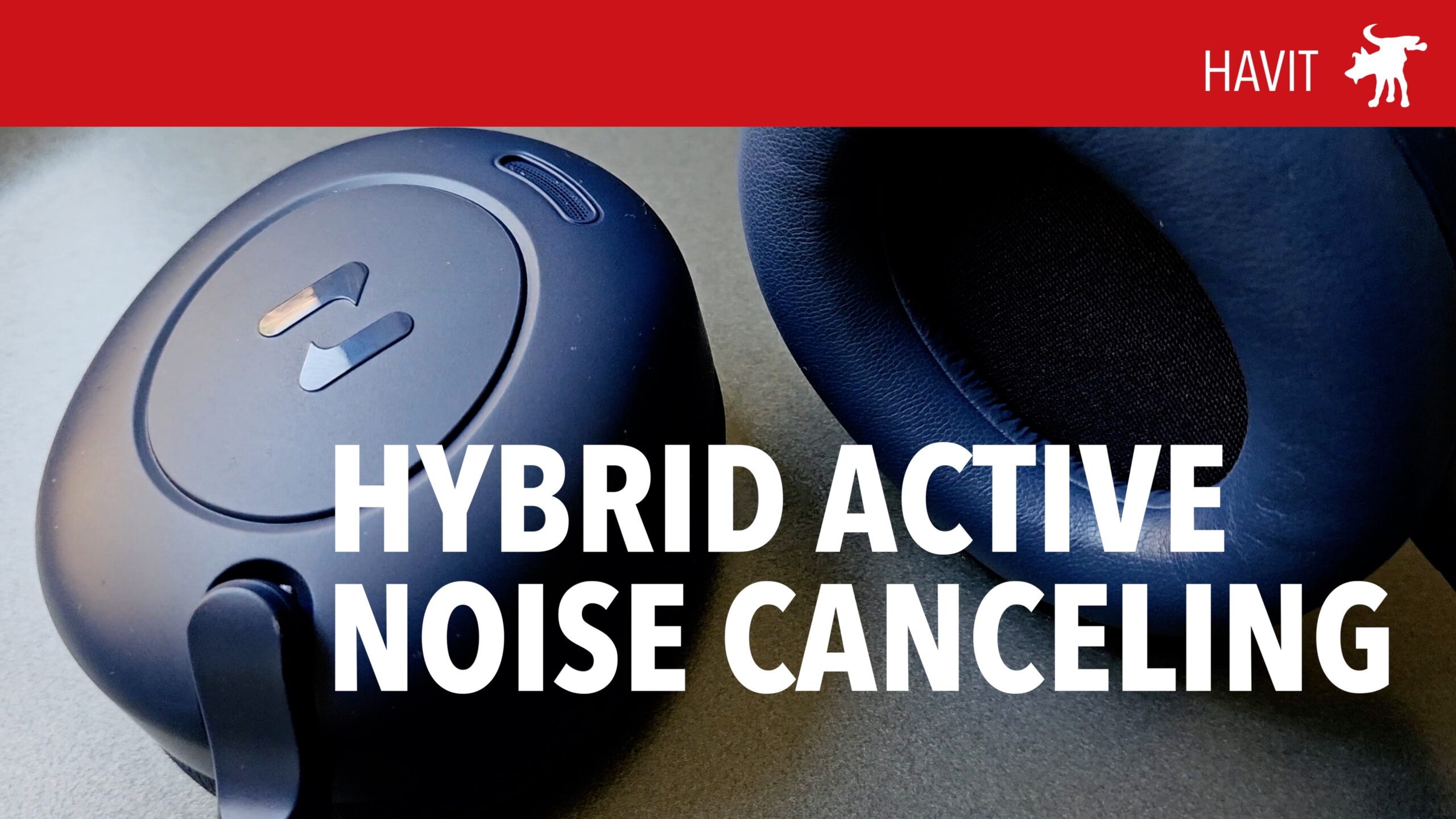
Havit HB655BT Headphones
Havit, like Anker and Mopower is a Chinese brand of headphones and personal electronics that is now available in the US. I wasn’t aware of them until they reached out to me and offered a set of their new HB655BT headphones to test out. These are hybrid noise canceling headphones with Bluetooth connectivity.
Hybrid headphones have microphones inside and outside of the ear cups to create a inverse soundwaves to cancel up to 35db of ambient noise; Active Noise Cancelation (ANC). Its battery powers it up to 76hrs and connects via bluetooth. In addition, it has a 3.5mm auxiliary audio port to provide direct wired connection to your devices.
The headphones have 3 sound modes: ANC on, ANC off, and Ambient. Ambient amplifies ambient sounds and projects them into your ears to simulate what you would hear without the headphones on. Moreover, there is a Game Mode setting which reduces Bluetooth lag by sacrificing sound fidelity (but I didn’t notice much degradation in music quality). Without Game Mode, there is a noticeable lag when watching videos with the headphones where sounds and voices do not match up with the picture.
Overall I found the headphones to be very bass heavy to a fault. While this may not be to my or an audiophile’s tastes it tdoes make the HB655BT perfect for gaming or for the majority of the pop-music listening public. Where these headphones also excel is in price, roughly a hundred dollars less than equivalent BEATS headphones.
Get 12% off until 6/8/24 at www.prohavit.com Discount Code MOONDOG12


RETAIL AFFILIATE LINK
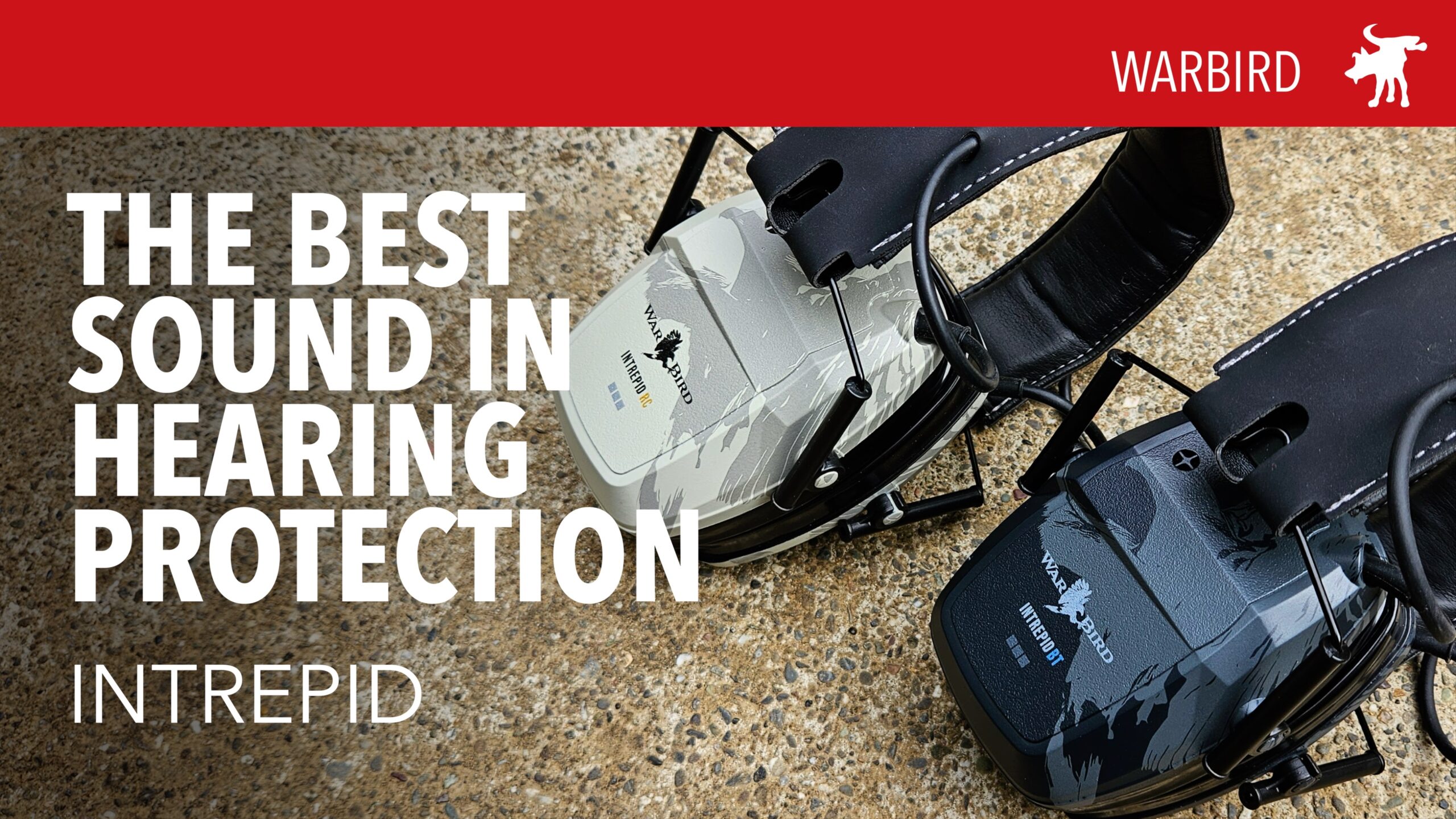
Warbird Intrepid Electronic Earmuffs
Warbird made their reputation creating soft body armor. Now they’ve expanded their protective gear offerings with what are among the best sounding earmuffs on the market. Perhaps its not that surprising. Warbird’s founders have decades of experience in the personal protection market; they know what gear works.
The Intrepid has a built in rechargeable battery with approximately an 8hr run time; recharged via a micro-USB port. It features an energy saving auto shut off (though it’s not clear how many hours or minutes it will run before this occurs). It has a 3.5mm audio input port to connect to devices though wired connections are becoming increasingly rare. They also launched with Bluetooth compatible BT version of the Intrepid which looks identical to the ivory colored RC but in a dark grey color scheme.
The Interpid has padded faux leather suede headband, and comes with a velvet lined hard storage case. Like more premium headphones, it comes with gel earpads providing both comfort and a tight audio seal. Its has 4 control buttons; 2 for volume and its power button is thoughtfully recessed so you can identify it by touch and avoid accidentally pressing it. Its 4th button allows you to manually disable ambient amplification on the right or left earphones or both; helpful when the shooter in the lane next to you has an annoyingly loud or ported firearm.
The Intrepid has a NRR rating of 23db and in my testing was able to deliver slightly better than that. The noise cut off and reset is fast at .001 seconds. It’s built in microphones are labeled as omini-directional though this term is often misused in earpro. The Intrepid has realistic quad stereo sound allowing you to discern the direction of the sound source: left, right, front, or behind.
It’s audio performance is where this mid-priced headphone shines. The ambient sounds it amplifies were very clear and realistic. It’s internal speakers sound higher quality with better bass response than any earpro earmuffs I’ve ever tested. When plugged into a device listening to music, they sound as good as the Sony MDR-ZX110. While these are not audiophile quality headsets by any stretch they sound much better than the thin, cheap audio quality of even the boojeest earpro.
Audio quality may not seem important for firearms hearing protection. But realistic sound gives you better situational awareness as well is the ability to discern subtle but important audible details that can be missing on most shooting earmuffs. Soft sounds like safety lever being disengaged, or the direction an ejected shell casing when it lands on gravel. For hunters, this means you can not just identify the direction of moving prey but be able to tell if the rustling came is from a game in the bushes or up a small critter in the canopy.
These headphones come in at a mid-tier price point of $99 for the RC ($149 for the Bluetooth enabled BT). While not as cheap as new budget brands entering the market, the Warbirds sound as good or better than premium headphones two or three times more.
The only negatives I found was a pinching around my ears after 30-40 of wearing them due to my ears pressing up against the inside of the earcup; a problem I’ve found with all low profile earmuffs I’ve ever worn. And whats with the micro-USB port, why not USB-C? I would also like a visible indicator light that stays one while the unit is powered. The power down tone which is a low warble sound is too quiet and a missed opportunity. With the name like “War Bird” they should have used the screech of a hawk.
These headphones are available directly from Warbird using my affiliate link. Get 10% off using discount code Moondog10
Warbird: https://classic.avantlink.com/click.php?tool_type=ml&merchant_link_id=51647f2b-3681-416c-98da-1bc439c63c4d&website_id=23805a2c-a4cb-4870-b1b7-8e7ffb2488ba


SPECS
NRR: 23dB
2x Omnidirectional Microphones
Full Dynamic Range HD Speakers 40mm, 20 ohm
Battery Life: Up to 8hrs
Sound Active Reaction time: 0.01
Audio Input Jack: 3.5mm
TPU Covered Gel Ear Pad
Comfort Headband with Metal Frame
USB-micro charging

MNN Budget LCD Monitor
The 2016 Macbook Pro had a fatal flaw in its hinge design. Over time and with use, the monitor wiring passing through the hinge would frey and cause the monitor to turn off when the monitor face is raised into normal operating position. Recently my wife’s 2016 began experiencing the “Dead Screen” problem which progressed to the point that she could only open the hinge about 4 inches before it would deactivate.
Fixing her screen would required replacing the entire LCD screen and display wiring which costs over a hundred dollars; almost as much as buying a used Macbook. As a hack, I purchased an inexpensive MNN portable LCD monitor from Amazon. The package includes a 1080p color screen, USB-C and HDMI cables, and a magnetic cover that can be folded into a monitor stand.
Plugging the MNN screen into the Macbook USB-C port, the LCD screen automatically synced to Mac and functioned as an extended monitor. Changing the System Prefs I was able to change the MNN to a mirrored monitor. This allowed me to functionally replace the Macbook screen with the MNN monitor.
I also tested the MNN monitor connecting it to my phone and it effortlessly sync and mirrored my phone screen. Color rendition was fair though not as intense or sharp as my Samsung OLED display. It also has built in speakers but these provide disappointingly thin sound.


AFFILIATE RETAILER LINK
Amazon https://amzn.to/3Wc5Imm
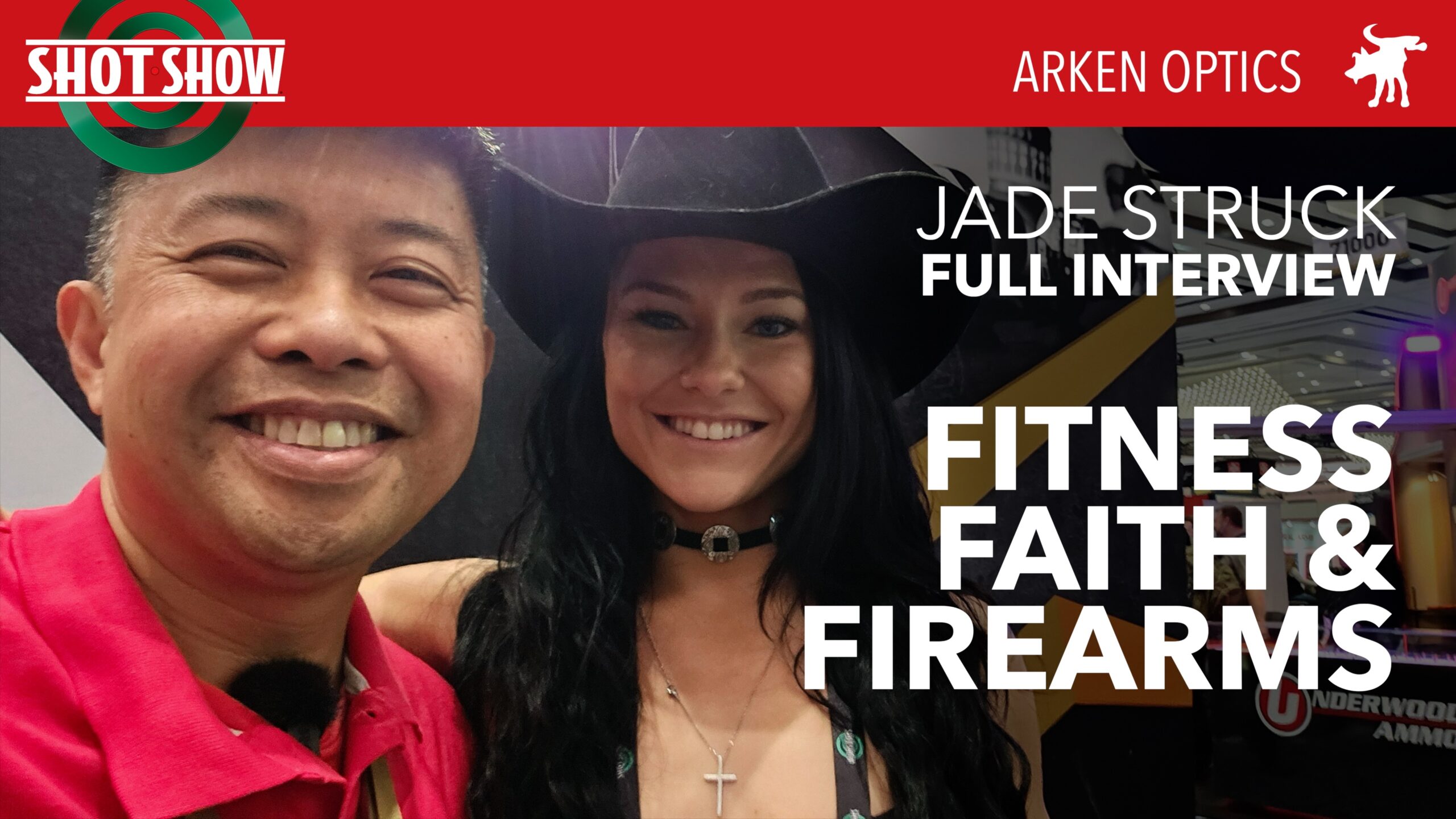
Jade Struck interview at Arken
At SHOT Show 2024, I was invited by Arken Optics to interview Jade Struck, competitive shooter, firearms instructor for Keanu Reeves on John Wick, the face is Call of Duty’s “Iskra”, and proud Arken LPVO shooter. Jade has a remarkable resume and is an equally remarkable individual. She is one of the most physically fit firearms instructor I’ve ever met and she owes that inspiration her husband, former marine, Rudy Reyes.
In a feature rich half-hour conversation that ranged from working with celebrities, her competition background, the importance of fitness, Christian faith, and our favorite Batman actor. Thanks to Arken Optics for sponsoring this video and the opportunity to meet and be inspired by Jade.

PSA Emerge Bolt Gun: SHOT Show
The PSA Emerge will come standard with Magpul furnature and an adjustable trigger that you’d usually find with more premium builds. Not surprising as PSA is known for giving us Poors more gun for the money. The first calibers to be developed will be 308 and 6.5 Creedmor.
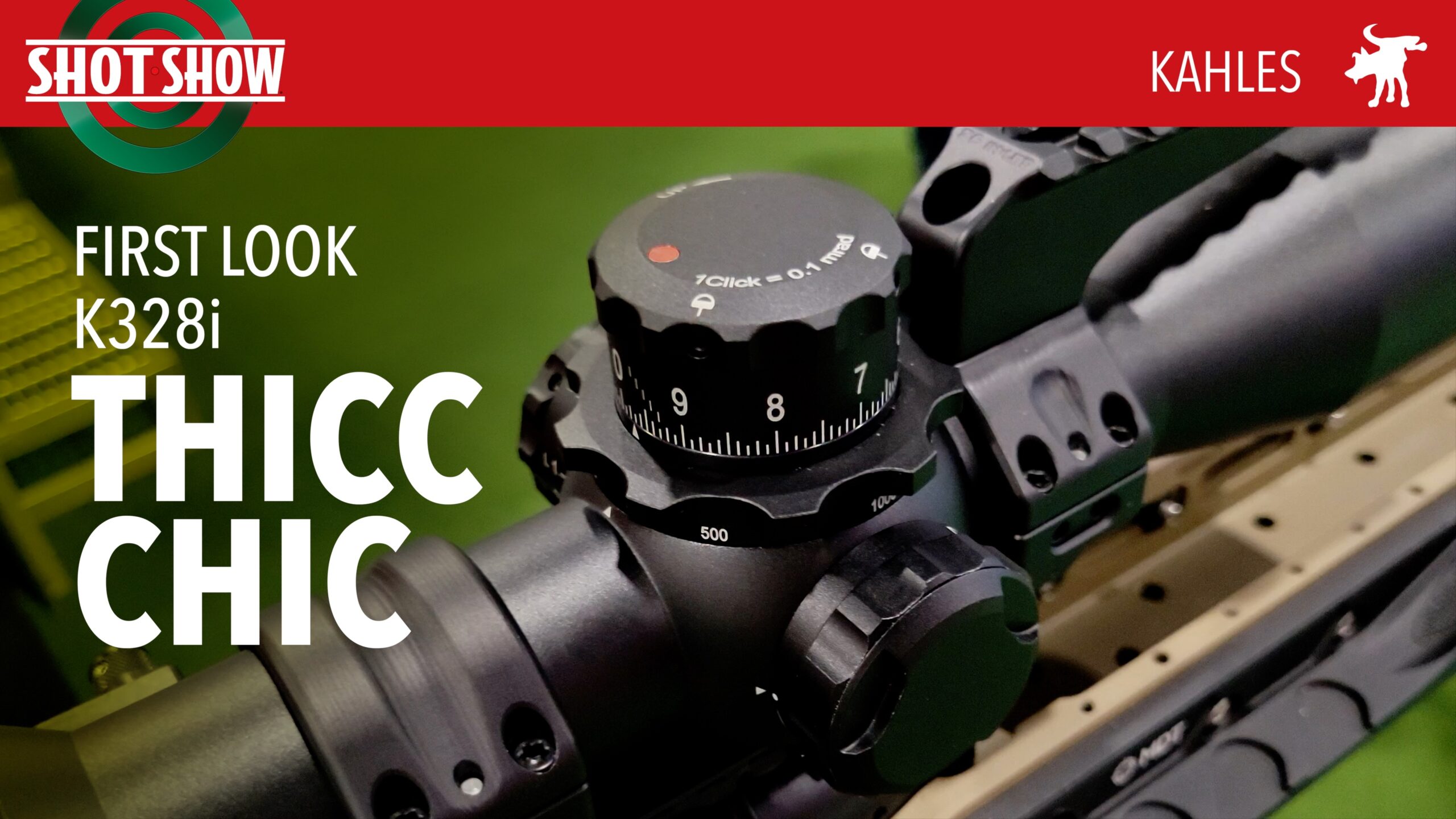
Kahles K328i: SHOT Show
Kahles is known in the PRS world for having some of the sharpest, clearest scope when going after targets at 1000yrds or more. After 5 years of development Kahles was eager to show off their newest long range precision scope at SHOT Show. This features not a 36mm tube (good luck finding a many choices for mounts) for an extended range of adjustment and a 40% wider field of view.
AFFILIATE RETAIL LINK
Amazon https://amzn.to/3Qvip88
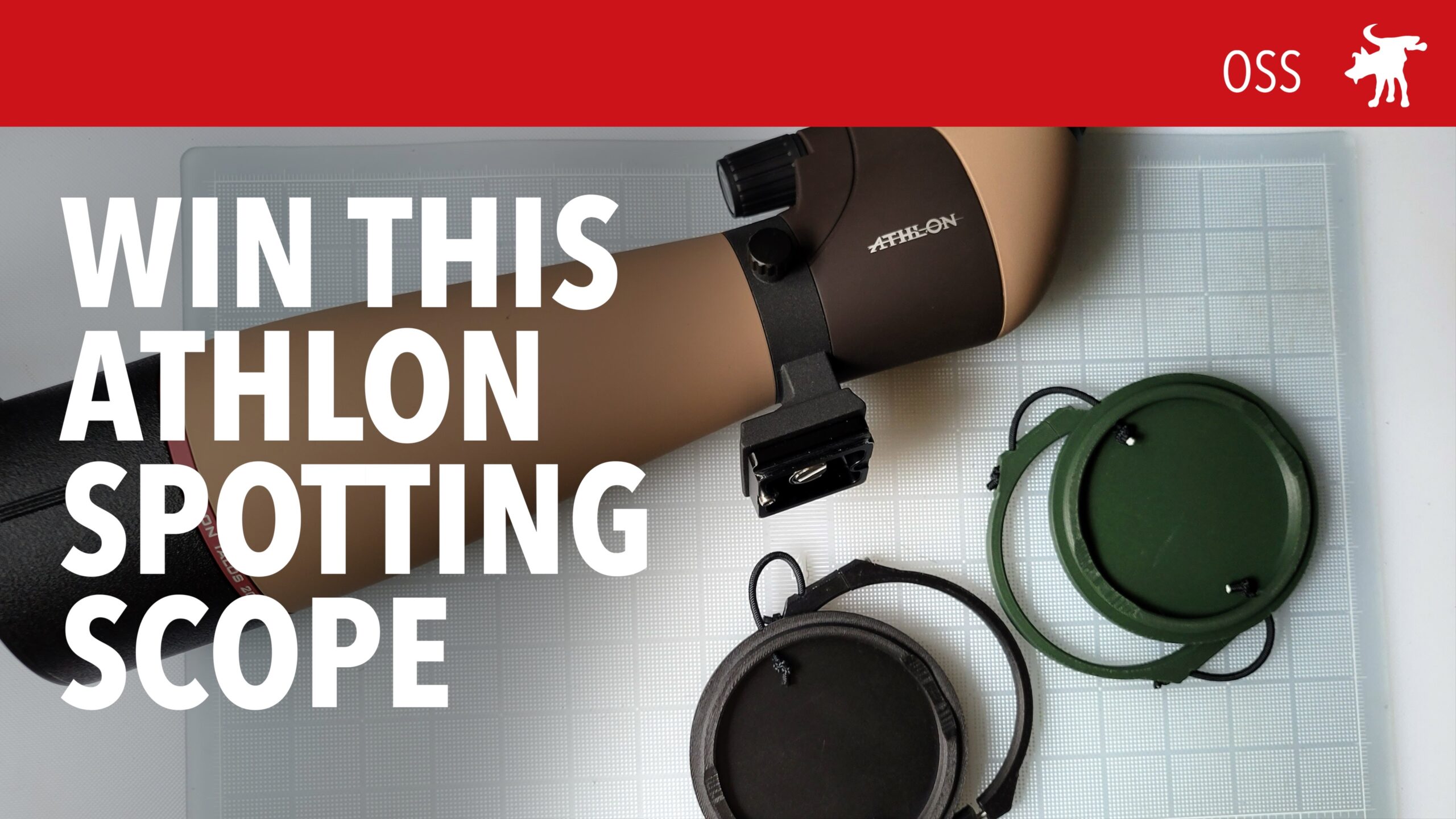
June 23 Contest: Athlon Talos Spotter
June 23 Contest: OSS Talos
Win an Athlon Talos 20-60×80 spotting scope with OSS lens cap, provided by OSS. Entries must be received no later than 12pm EST on June 22, 2024. Buy your own OSS lens cap on Etsy.
CONTEST INSTRUCTIONS

1. Subscribe to my travel channel on YouTube: Moondog Go
2. Take a screen shot showing you’ve subscribed.
3. Prove you have the skills to fill out a form and upload that screen shot
https://forms.gle/VmxYq4gQc1JhMd3r8
This prize supplied by OSS (Outdoor Sporting Solutions)
RULES
NO PURCHASE IS NECESSARY TO ENTER. YOUR CHANCES OF WINNING DO NOT INCREASE WITH A PURCHASE. VOID WHERE PROHIBITED.
1. Eligibility
Void where prohibited by law. Must be legal resident within the USA or Canada. Moondog Industries employees, subsidiaries, affiliates, suppliers, advertising and promotion agencies, employees’ immediate family members, are ineligible to participate in the contest/giveaway.
Entrants must be willing and able to appear on YouTube to discuss the contest and post images of the prize on their social feed should they win the contest.
2. Sponsors and Platforms
Moondog Industries (known as the SPONSOR) is a video Edutainment producer and game promotor based in San Francisco, CA. YouTube, TikTok, Rumble, and online video platforms (known as PLATFORMS) are not SPONSORS or in any way affiliated with the contest or content.
3. Agreement to Rules
By entering your contest, participants agree to abide by the SPONSOR’s Official Rules and decisions. The SPONSOR retains the right to refuse, withdraw, or disqualify entries at their sole discretion. By submitting an entry, the participant agrees to accept the decision of the SPONSOR as final and binding.
4. Entry Period
Contest email entries must be received between:
12:00pm EST 18 May 2024
and
12:00pm EST 22 June 2024
5. How to Enter
This contest requires your skill in navigating your phone or computer controls to screen capture an image of the following YouTube channels/Social Media accounts. Subscribe or Follow and make a screen capture of those pages showing a greyed out Subscribe button or indicator that your account is Following that page. Send a screen capture image file of any of those sites to contest@moondogindustries.com . One entry per person or per Social Media account. Fraudulent methods of entry, photo retouched, or other methods of circumvention of the rules may result in the SPONSOR invalidating a participant’s entries.
6. Prizes
Winner must be able to receive the prize by e-mail or by physical mail. Prize may be substituted at the sole discretion of the SPONSOR. Acceptance of the prize grants SPONSOR permission to use the Winners entry, name, and likeness for advertising, promotion, and trade without further compensation or remuneration unless prohibited by law.
7. Odds
The odds of winning is dependent upon the number of eligible entries received.
8. Selection and Notification of the Winner
The winner will be chosen at random by the SPONSOR from among the entrants that demonstrated the skill to navigate the electronic entry and have met the minimum requirements. Winners will be contacted via the email used to enter the contest no later than December 31, 2024.
SPONSOR is not liable for the winner’s failure to receive notification of winning if he or she provided the wrong email address or if their email security settings caused your prize notification to go into the spam or junk folder. If a winner does not respond within 24hrs of sending a notification, the SPONSOR will select an alternate winner. Receipt of the prize is upon the condition of compliance with federal, state, and local laws.
9. Rights Granted by the Entrant
The SPONSOR, upon submission of an entry into the giveaway or contest, has the right to use the participant’s submission, voice, likeness, image, statements about the contest, etc., for publicity, news, advertising, promotional purposes, trade, and so forth, without any further notice, review, consent, compensation or remuneration.
Participants shall defend or settle against such claims at their sole expense, and shall indemnify, defend and hold harmless the SPONSOR from any suit due to damage of or by the prize.
10. Terms & Conditions
The SPONSOR reserves the right to modify, suspend, cancel or terminate in the event that non-authorized human intervention, a bug or virus, fraud, or other causes beyond your control impact or corrupt the security, fairness, proper conduct, or administration of the contest/giveaway.
11. Limitation of Liability
Entry into this contest constitutes the participant’s agreement to release and hold harmless the SPONSOR and PLATFORMS, subsidiaries, affiliates, employees, etc., against all claims liability, illness, injury, death, loss, etc., that occurs directly or indirectly from participation in the contest or use/misuse of the awarded prize.
12. Disputes
As a condition of participating in the promotion, the participant agrees to resolve all disputes with an arbitrator designated by the SPONSOR in the state of California, without resorting to any form of class action. Entrants waive all rights to punitive, incidental, or consequential damages, and waive all rights to have damages multiplied or increased.
13. Privacy Policy
Participants agree to abide by all privacy and NDA laws in the State of California and any federal laws of the United State of America.
14. Winners List
Participants may request a list of winners by submitting a request in writing to Moondog Industries for up to 30 days after the contest ends.
15. Social Media Platform Rules
Winners will agree to post a photo of the prize on their social media channels in such a way as does not violate any rules of that platform. The winners also agree to appear for an interview where they will discuss the prize and its performance. If there are functional problems with the prize, the winner agrees to make a good-faith effort to resolve all issues with the SPONSOR prior to posting reviews or opinions about the prize.
16. Affirmation of Acceptance of and Agreement to All of the Official Rules
By entering the contest, the entrant has affirmatively reviewed, accepted, and agreed to all of them.