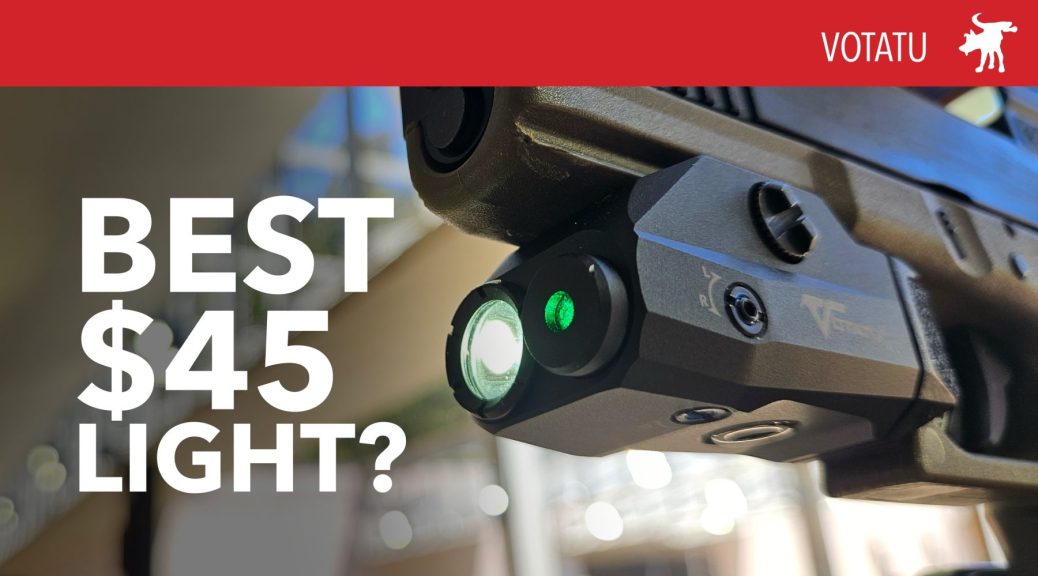
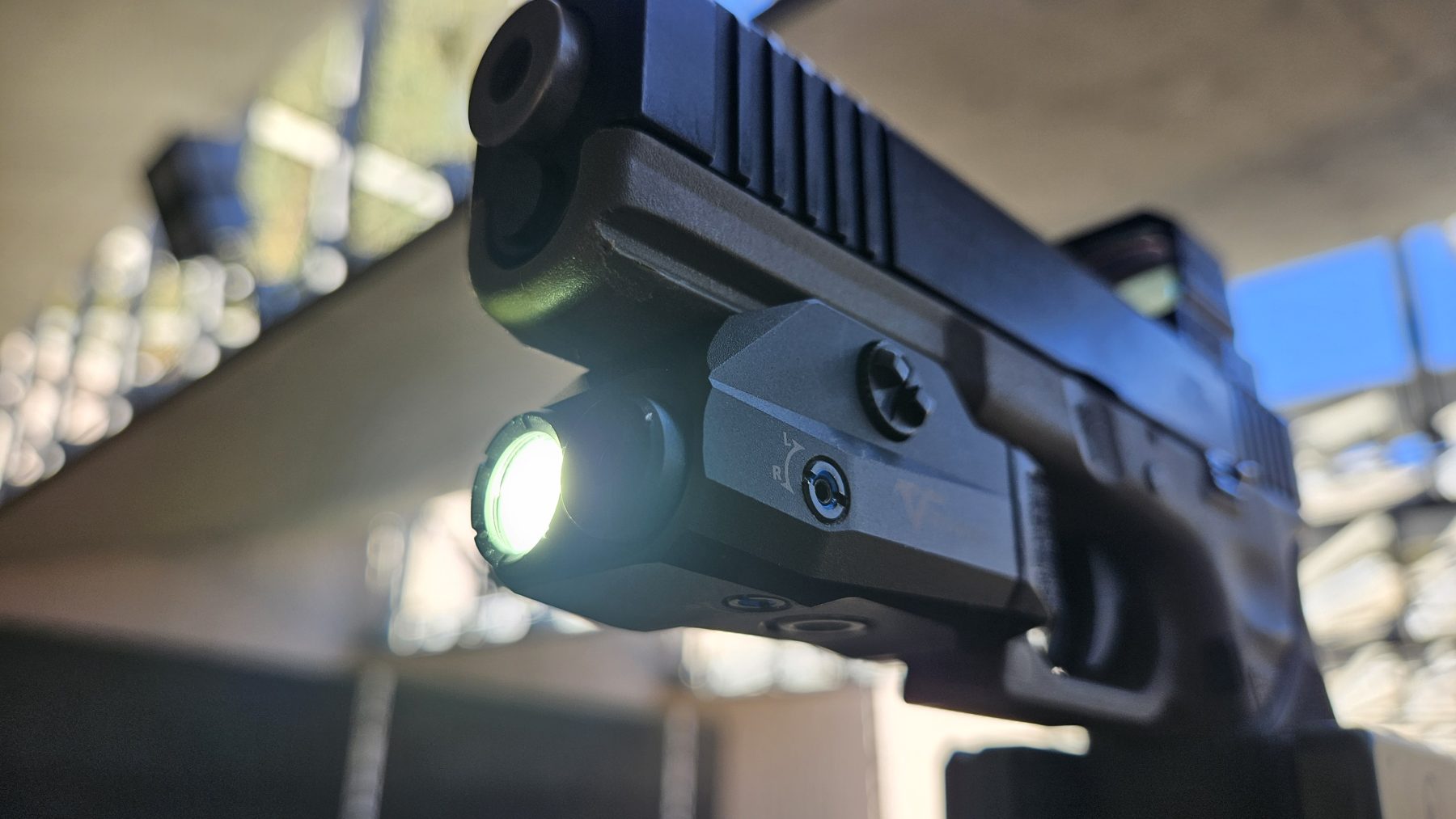
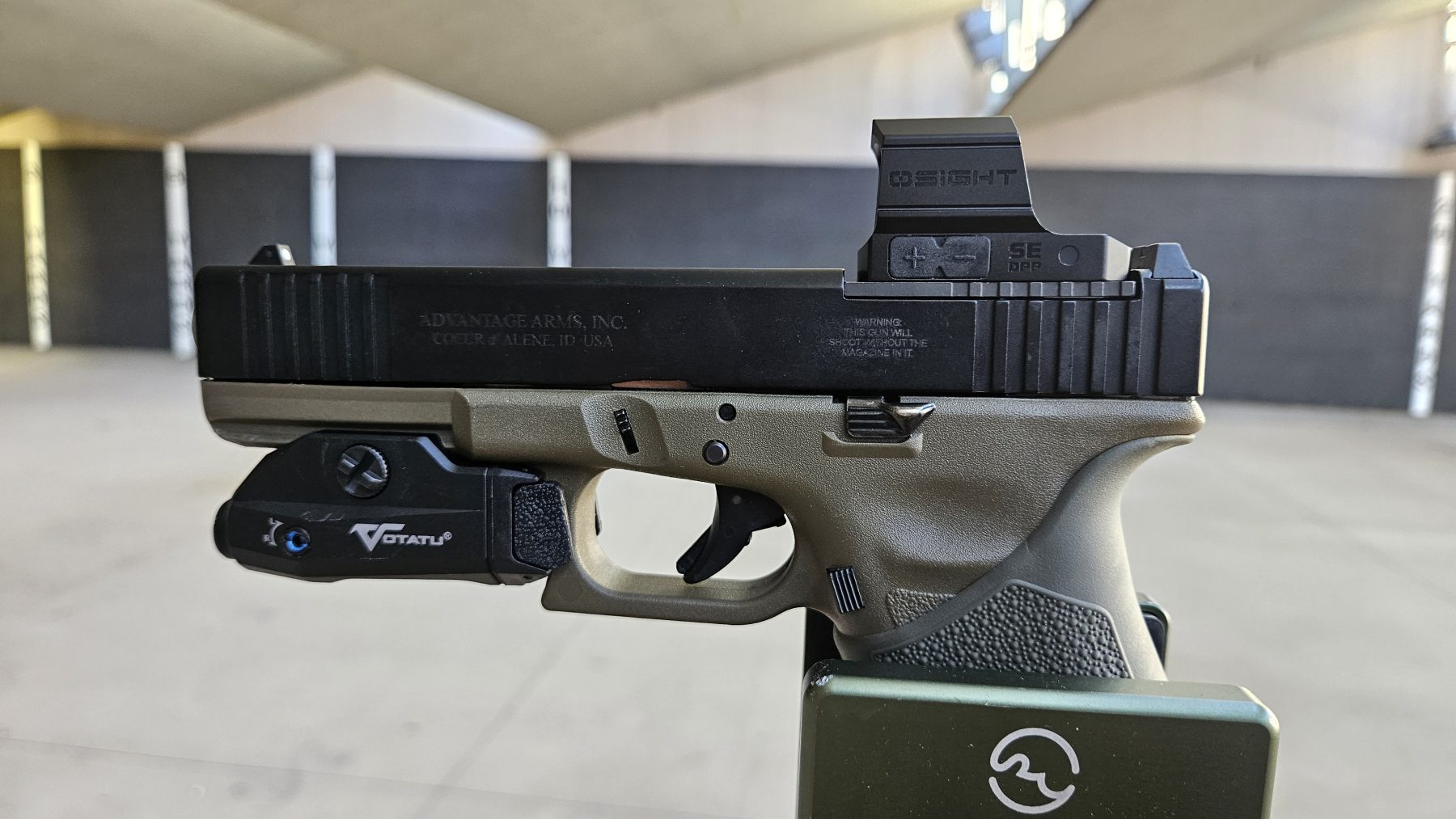
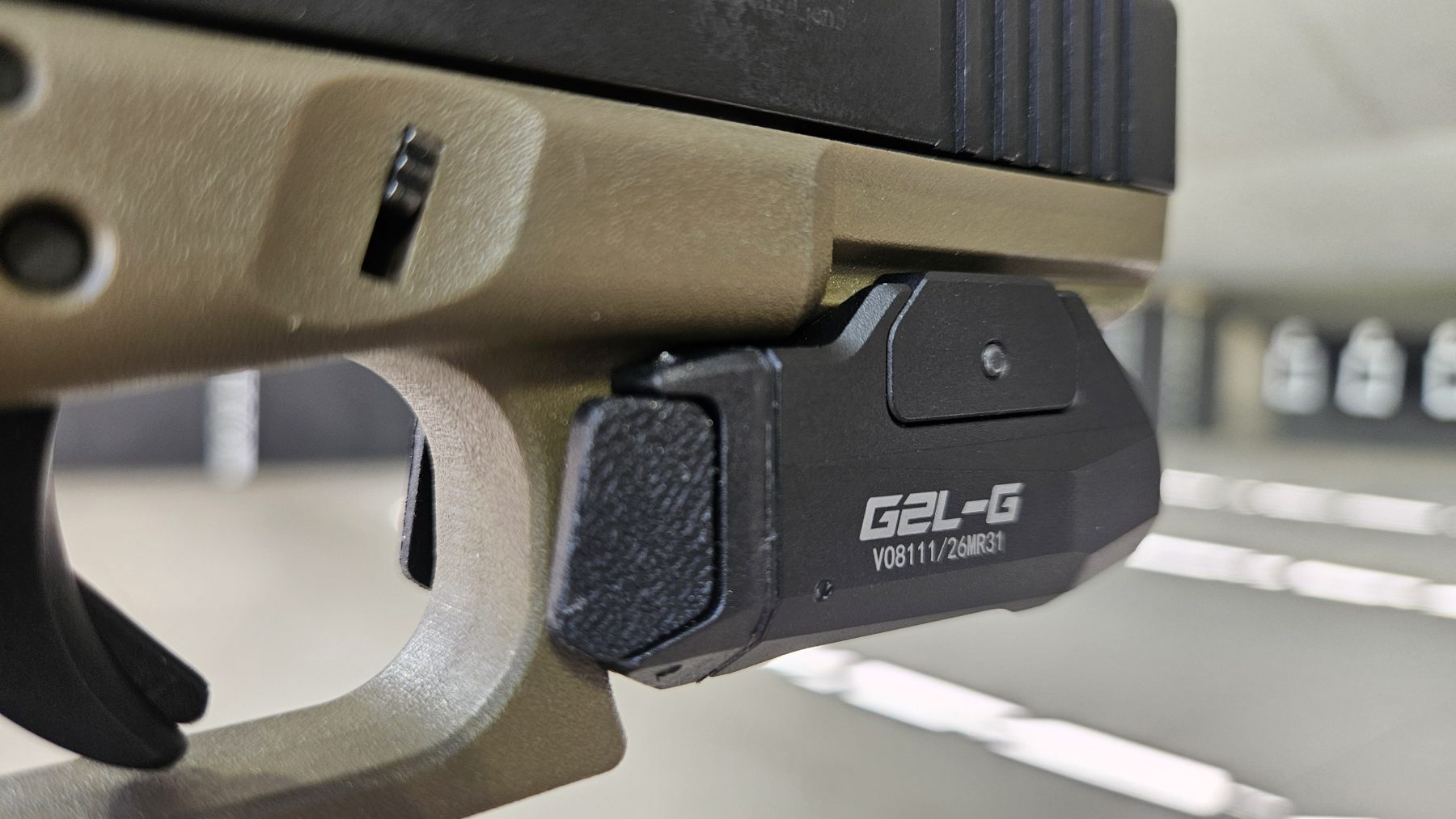
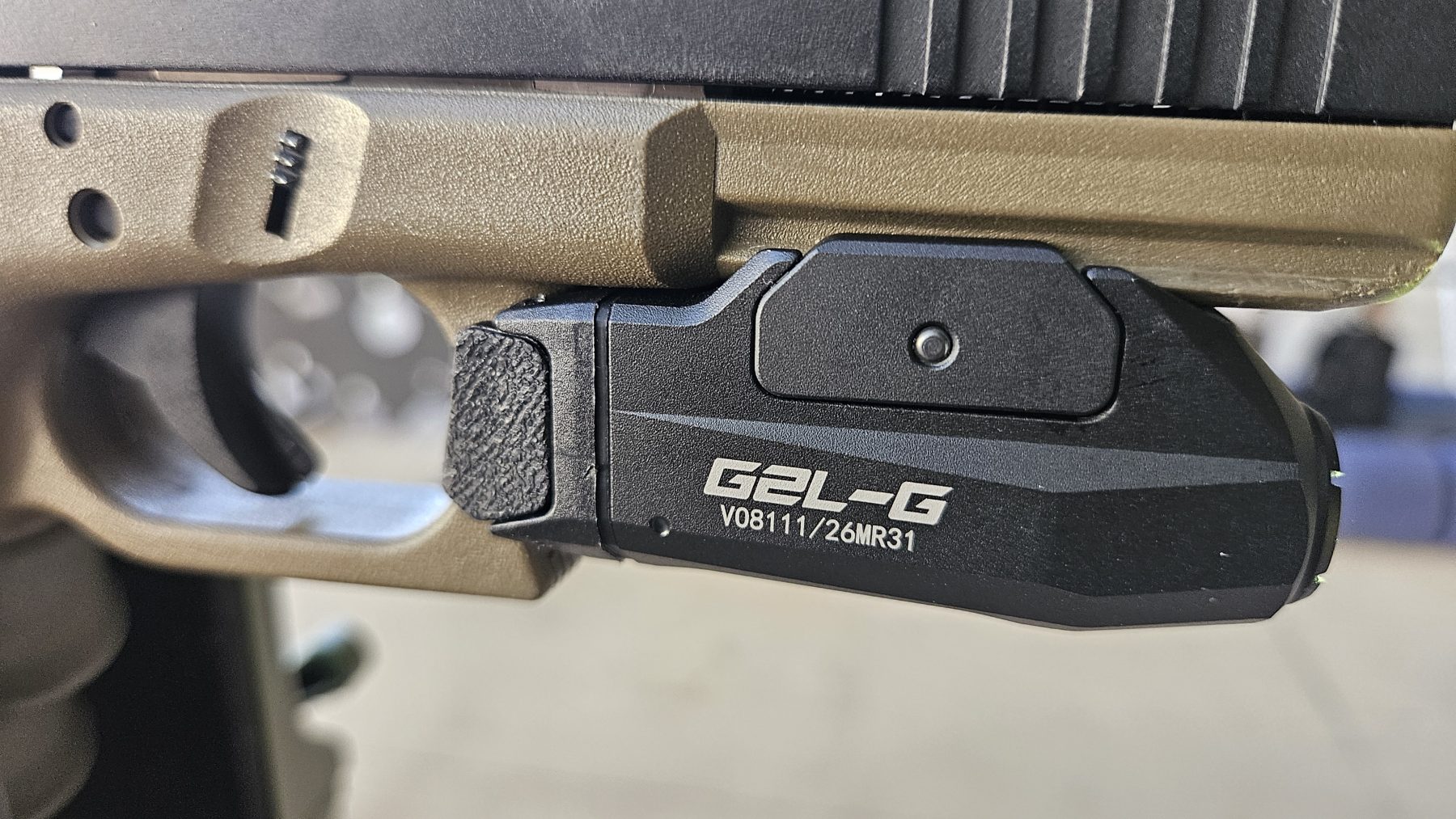
Most people have never heard of the Votatu brand but the G2L is one of the most affordable lights I’ve tested. The G2L is a compact green laser and flashlight unit that is about half the size of typical 1000 lumen weaponlights. My unit only achieved 800 lumens of output, which is still a respectably bright flashlight. The flattened main body is metal and feels robust, but while testing its IPX 65 rating, I accidentally used high-pressure water. Water did find its way into the unit, but it continued to function normally until runtime testing eventually evaporated the moisture.
The G2L has some disappointing aspects. The unit charges via a proprietary magnetic cable, so you better not lose it. It is not truly ambidextrous. The white light is only activated by the right paddle, and the laser is controlled by the left paddle. Despite these shortfalls, the G2L stands out for its low price under $50.
G2L-G Body: Aluminum Max Output: 1000 lumens Max Throw: 100m Laser Color: Green Laser Max Output: <5mW Mount Type: Picatinny, Glock Battery: Polymer Battery (Built-in) Charger: Magnetic IPX: 65 Dimension: 68x33x30mm (2.7×1.3×1.2″) Weight: 81g/2.86oz
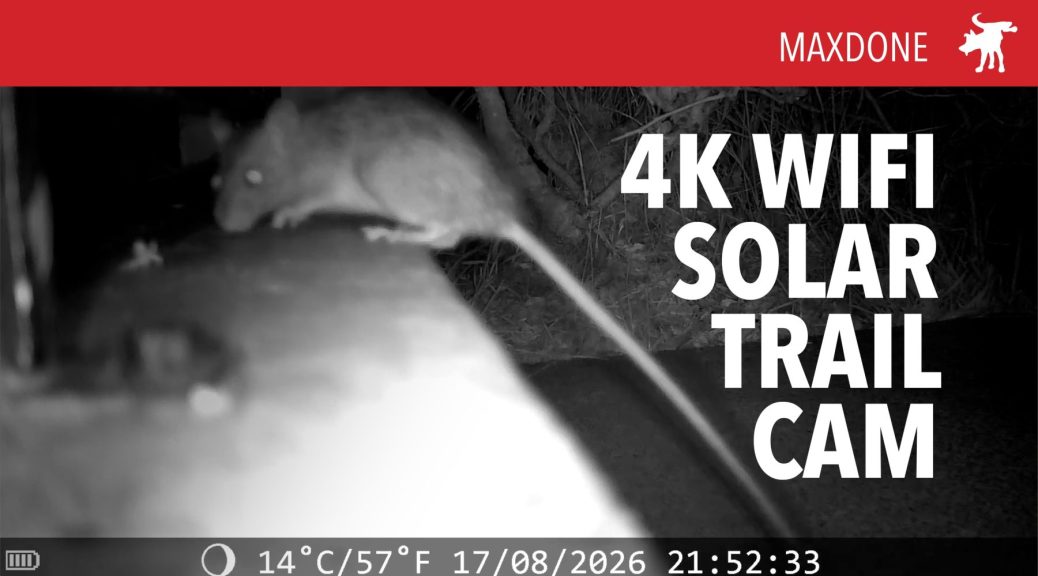
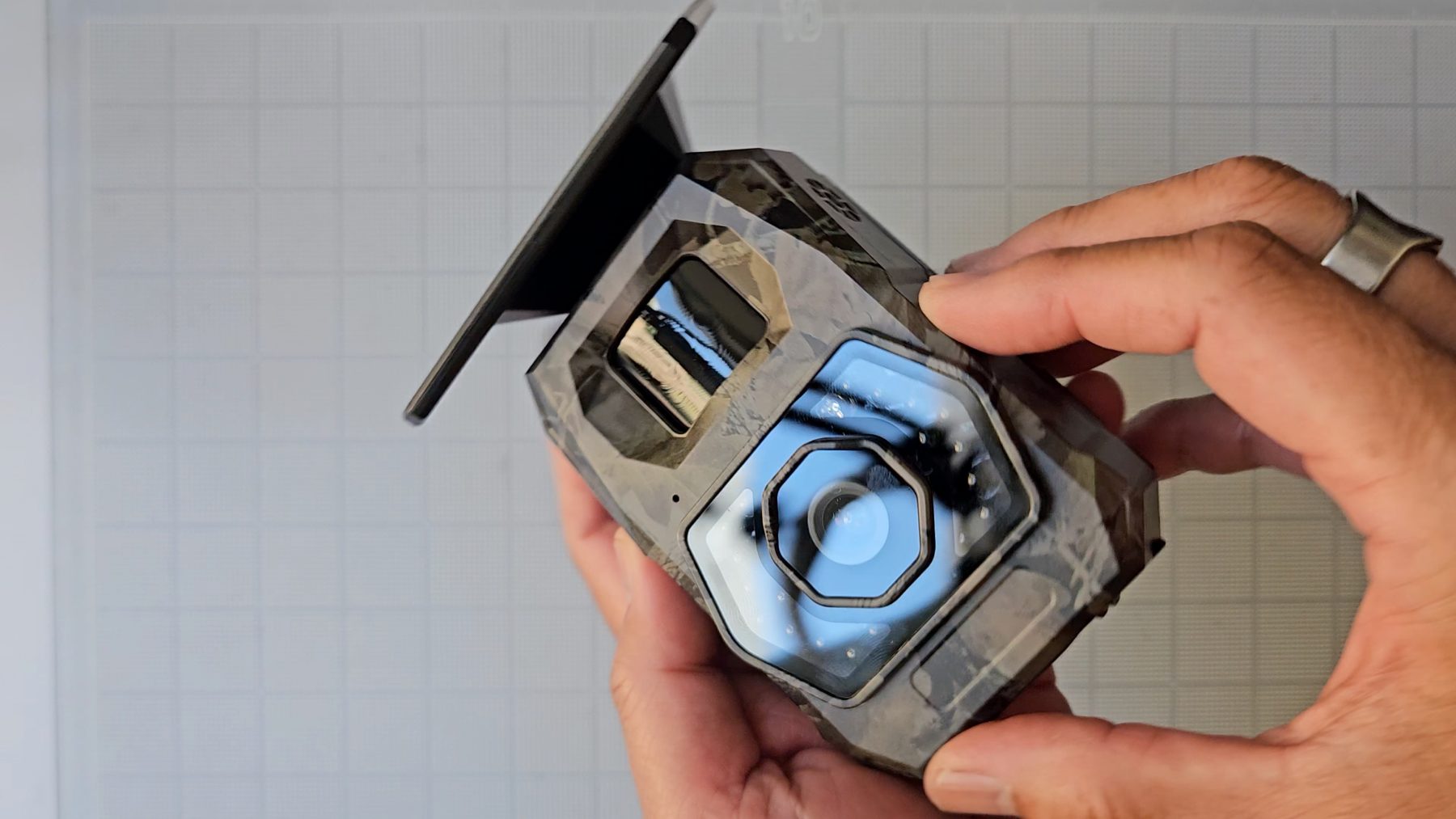
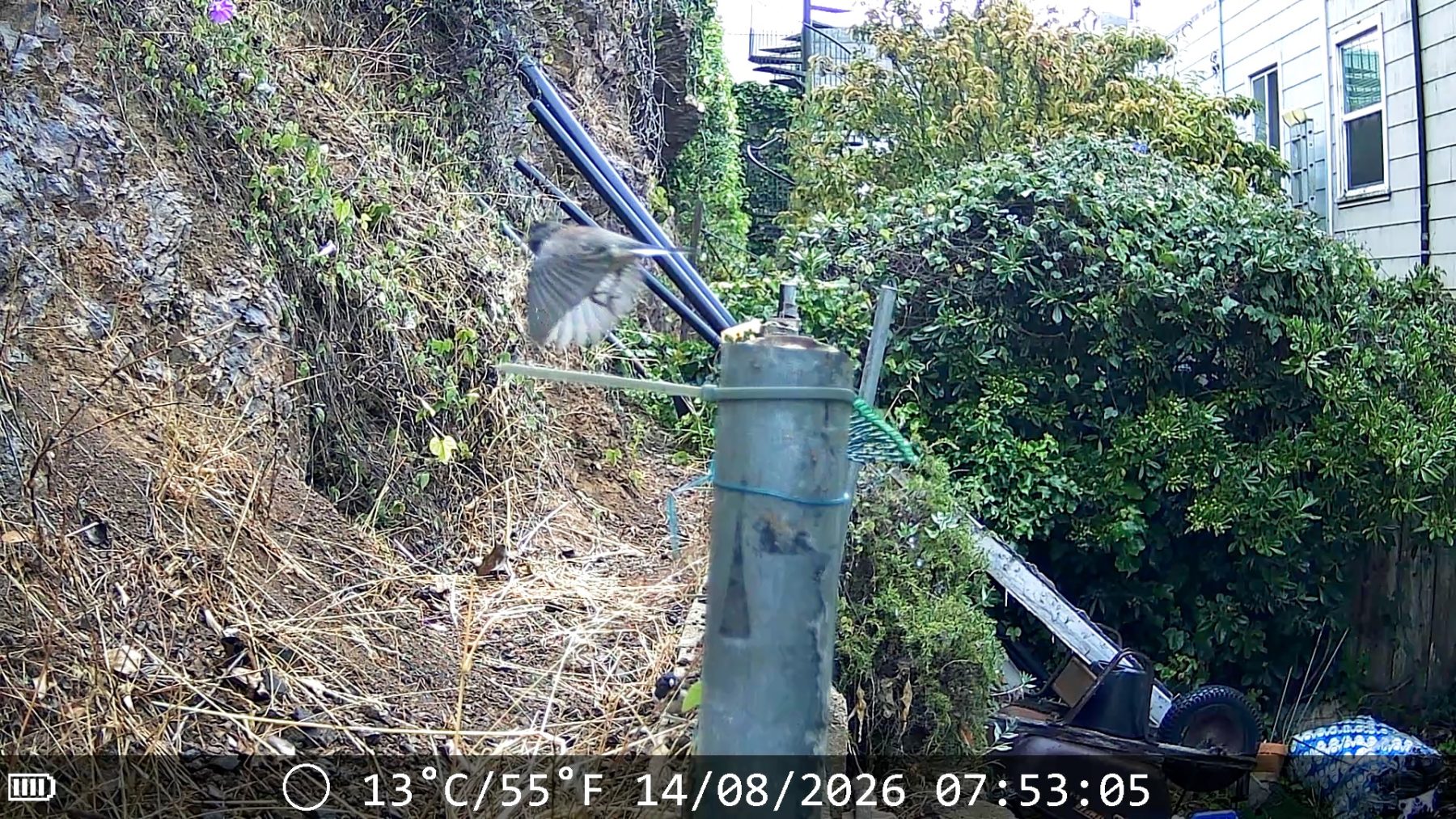
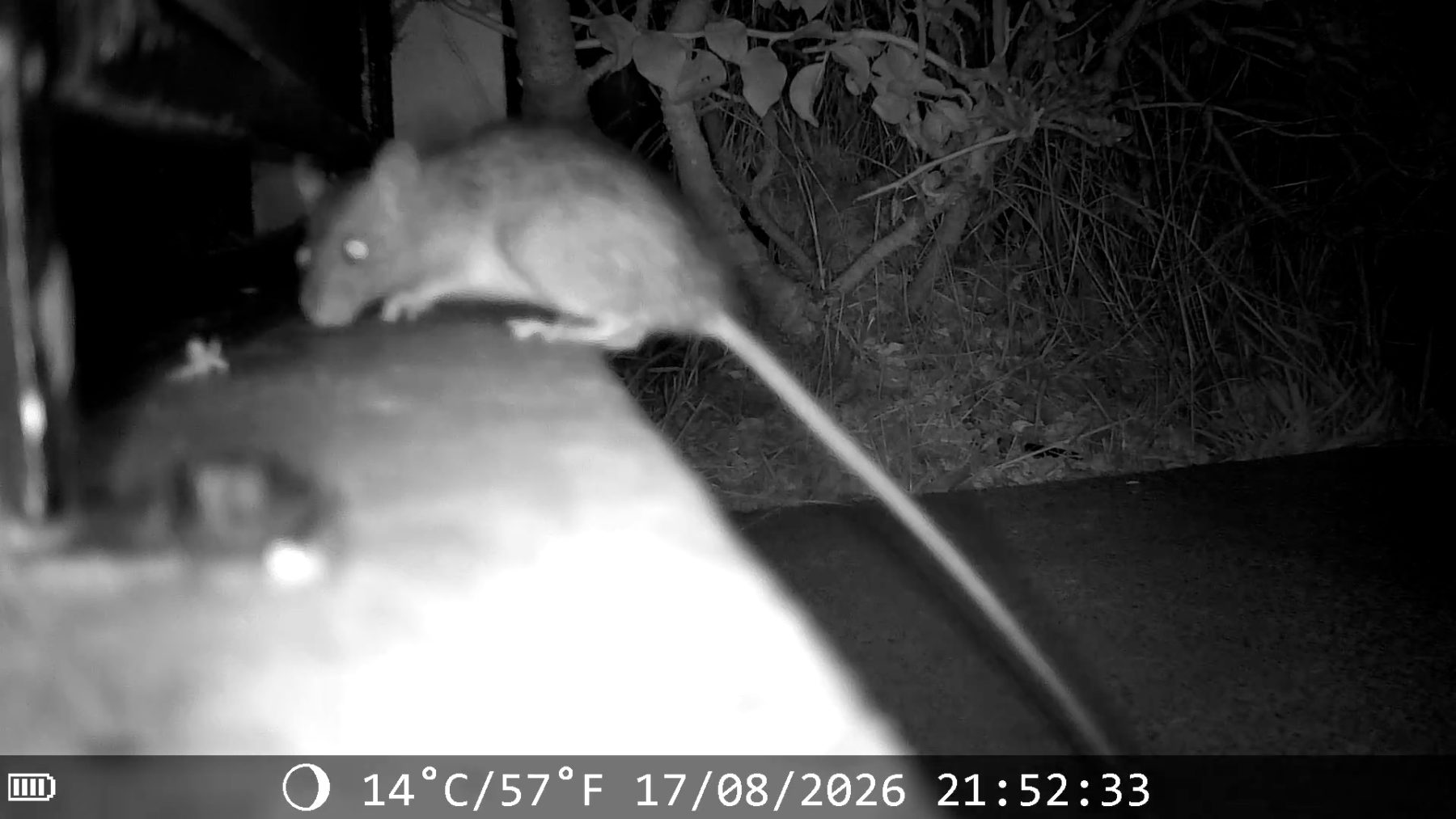
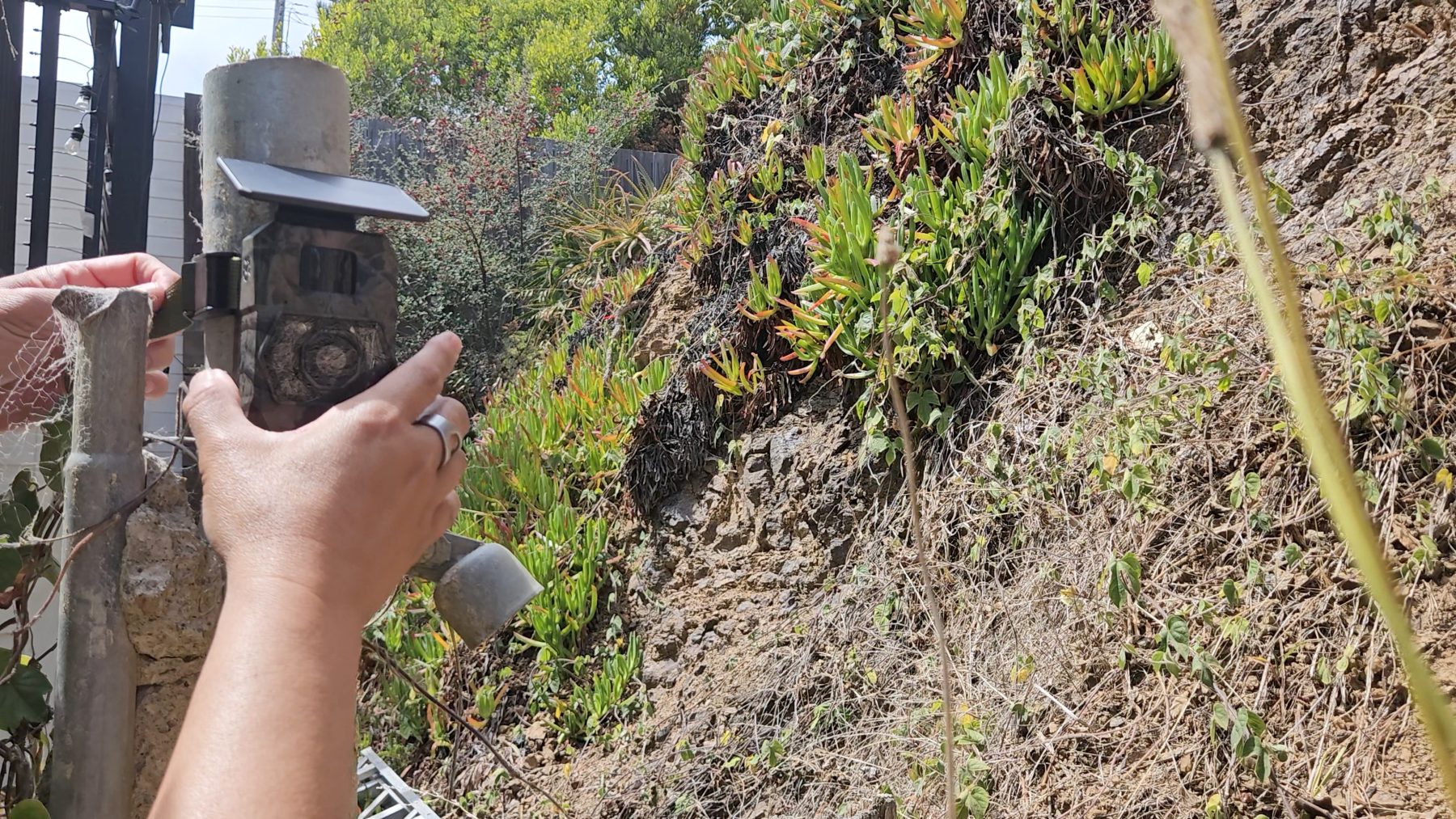
The Maxdone 4K incorporates a solar panel can keep the unit powered day and night. Over a 2.5 week test, it captured footage through multiple overcast days in direct sun as well a 2-day test mounted under a bush with limited direct sunlight. If the unit can not be mounted in a location that receives direct sunlight, is has a USB-C port, which allows it be powered or recharged via an external battery or solar panel.
The unit’s LED lamps that allow it to capture nightvision footage. My package came with a 32GB SD card and the unit can accomodate 256 GB cards. The cam can be accessed via WiFi and Bluetooth using a downlodable phone App. This is vital in aiming and positioning the camera and allows you to review captured footage.
This solar powered trailcam solves the biggest issue I’ve had with trailcams: the battery pack. AA powered trailcams I’ve tested in the past failed because the batteries never lasted as long as needed or worse, corroded and destroyed the internals of the trailcam. The Maxdone camera is light weight and priced at under $60 on Amazon.
By the way, why researching this article, I discovered that trailcams aren’t aren’t a modern invention. They are nearly as old as film cameras themselves. I discussed it on my TMI livestream show.
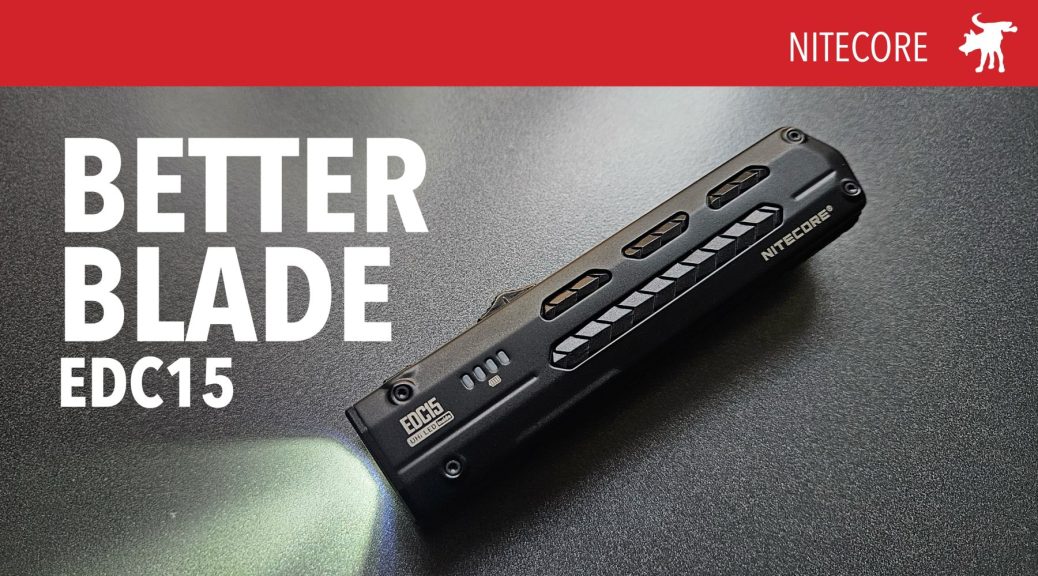
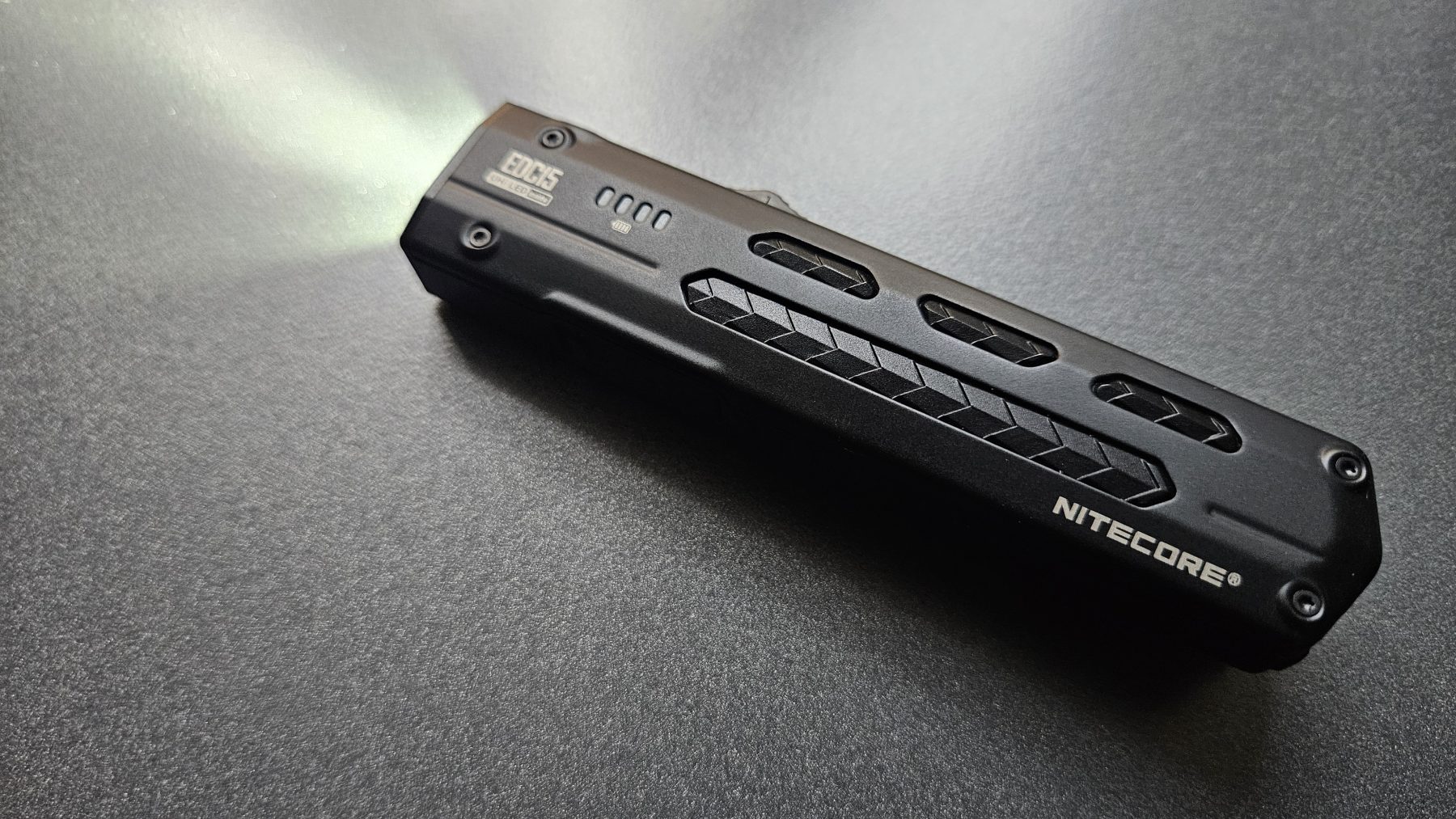
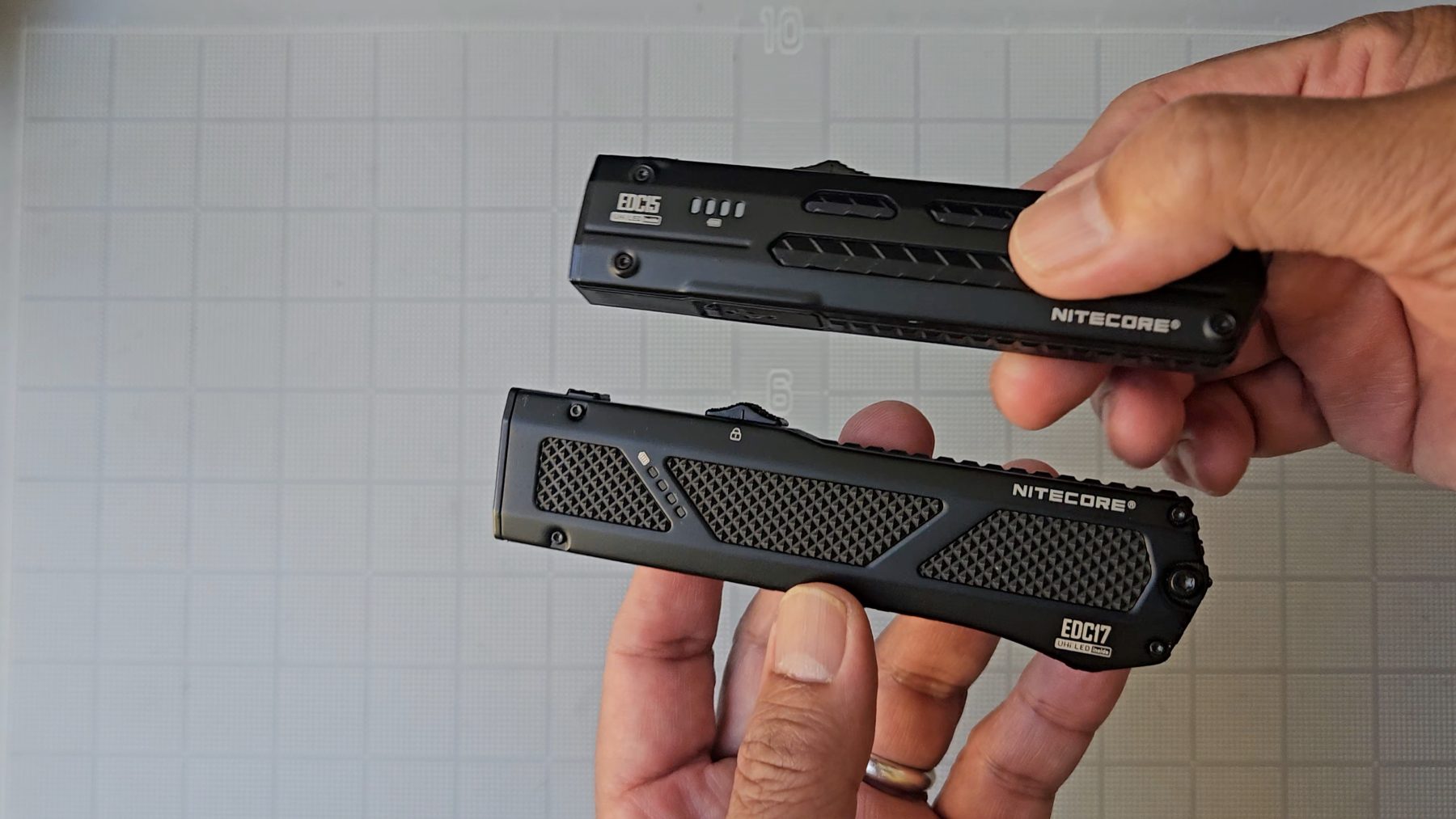
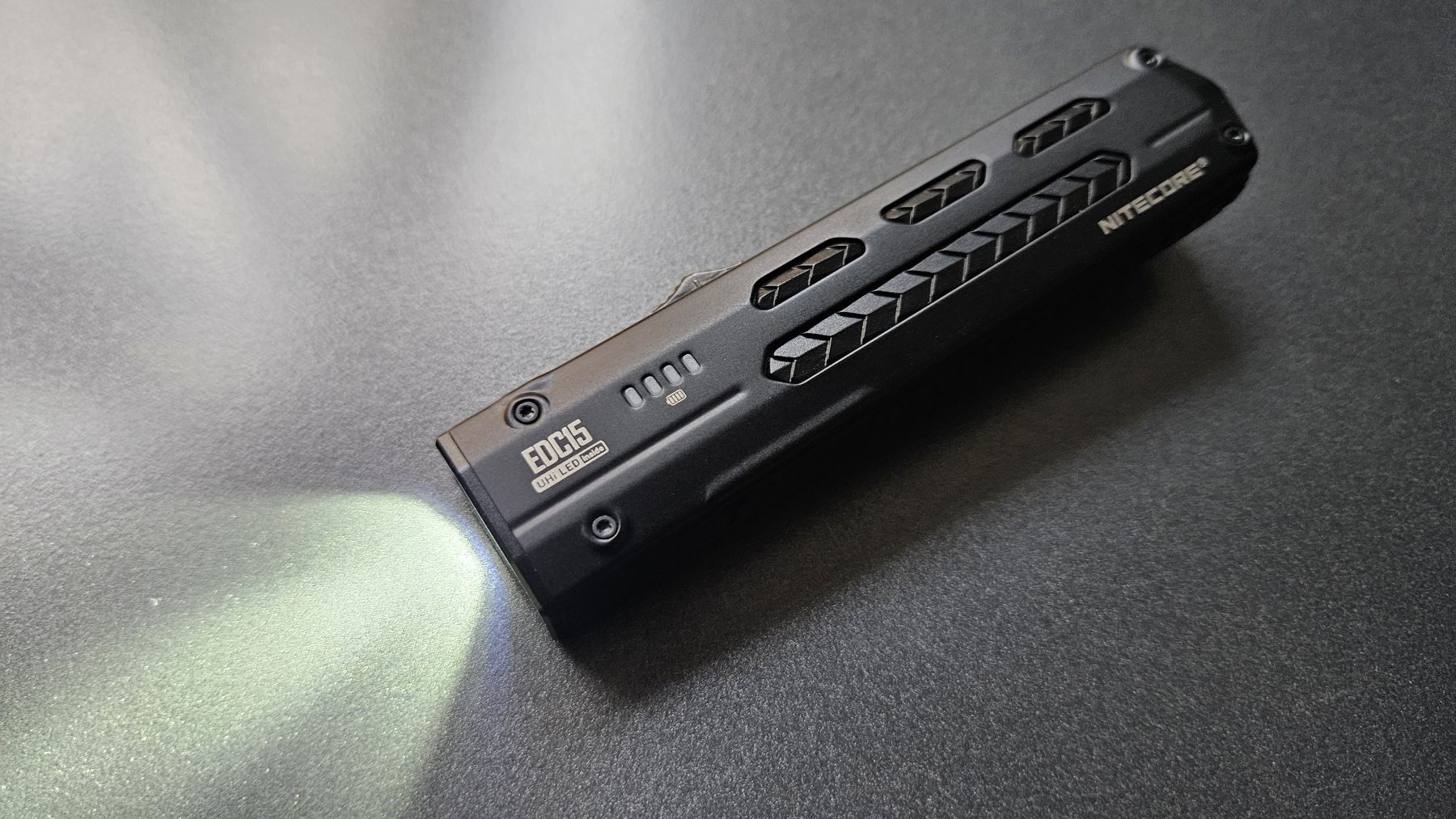
If you’ve ever fumbled for your phone’s flashlight in a dark parking lot and muttered something unprintable, meet the EDC15. This blade-style EDC is the little brother of the EDC17 minus the laser and about an inch in overall length.
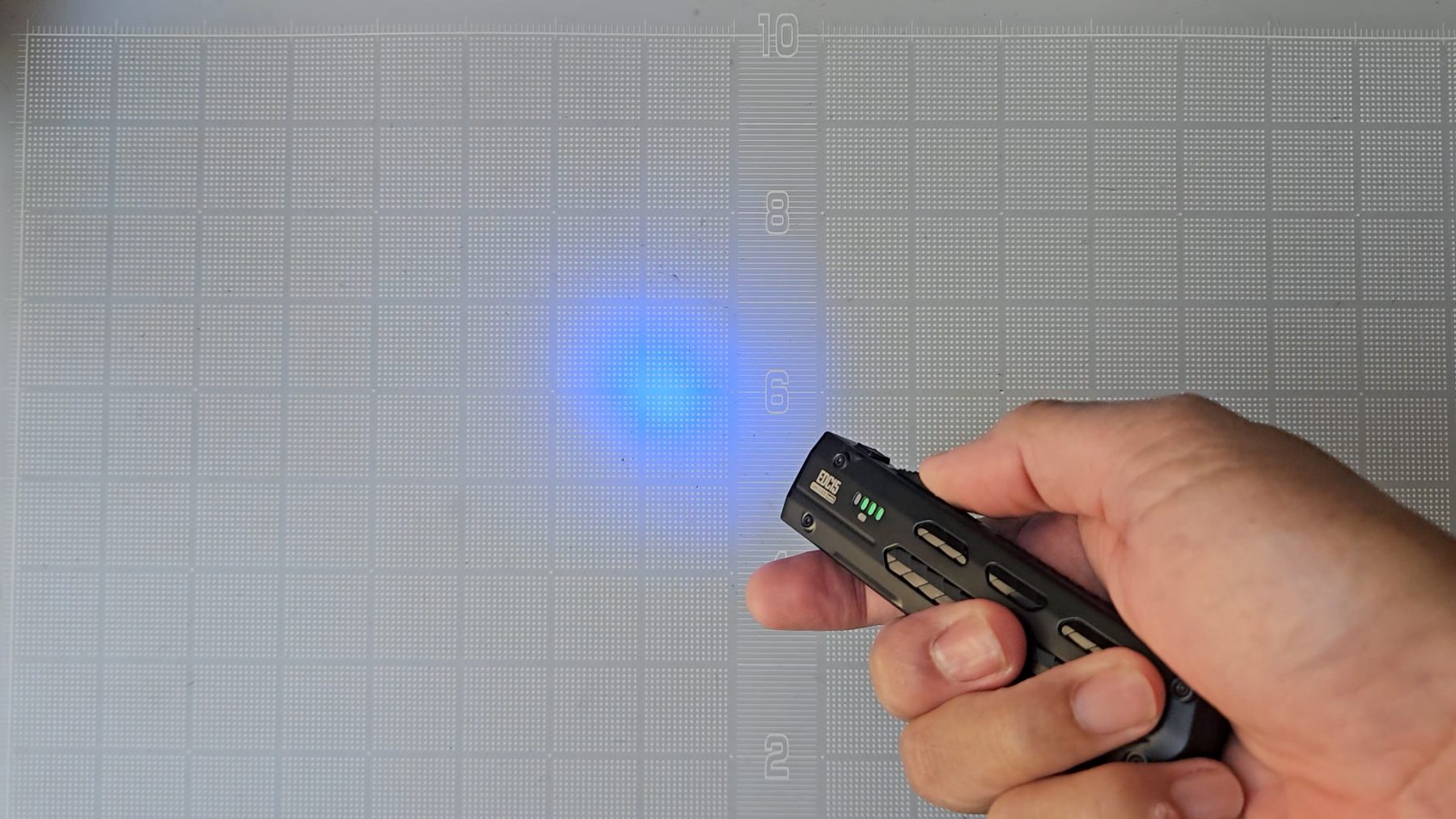
The slide-switch operation keeps things simple. Four steady white levels plus strobe and a hidden unltra-low mode. In addition it has 3 levels of UV brightness for identifying bogus bills or unsavery activity by the previous occupiers of your hotel room.
The beam is mostly flood, great for close work, less great if you’re trying to spot a raccoon across the field. Build quality feels solid for the size made of aluminum that shrugs off pocket lint and the occasional drop. It even comes with a clip and lanyard.
Is it the brightest, throwiest, or fanciest light on the market? No. But it’s the one you’ll actually have with you when the power goes out, the basement gets weird, or you just need to find the remote under the couch.
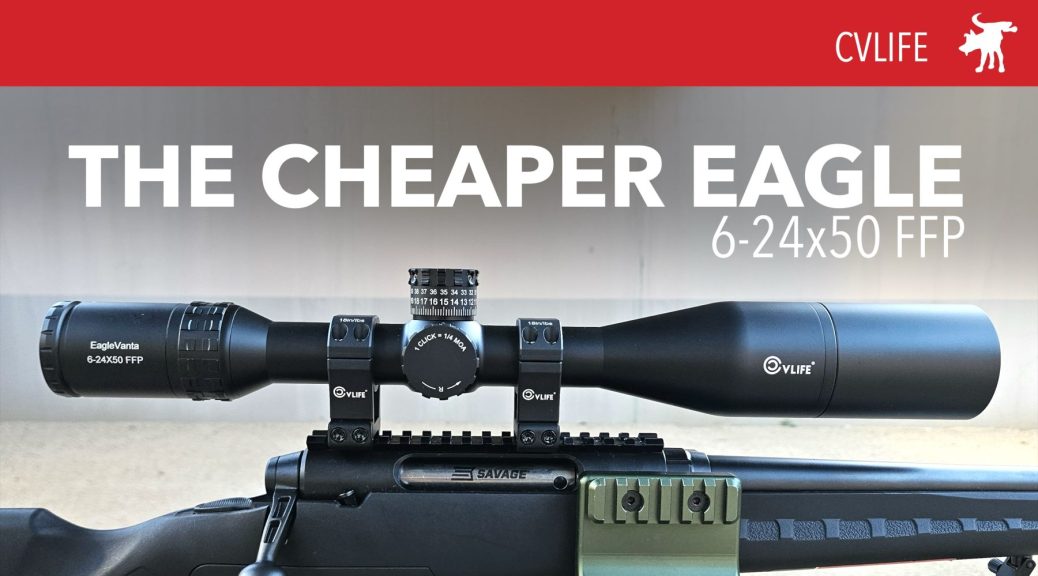
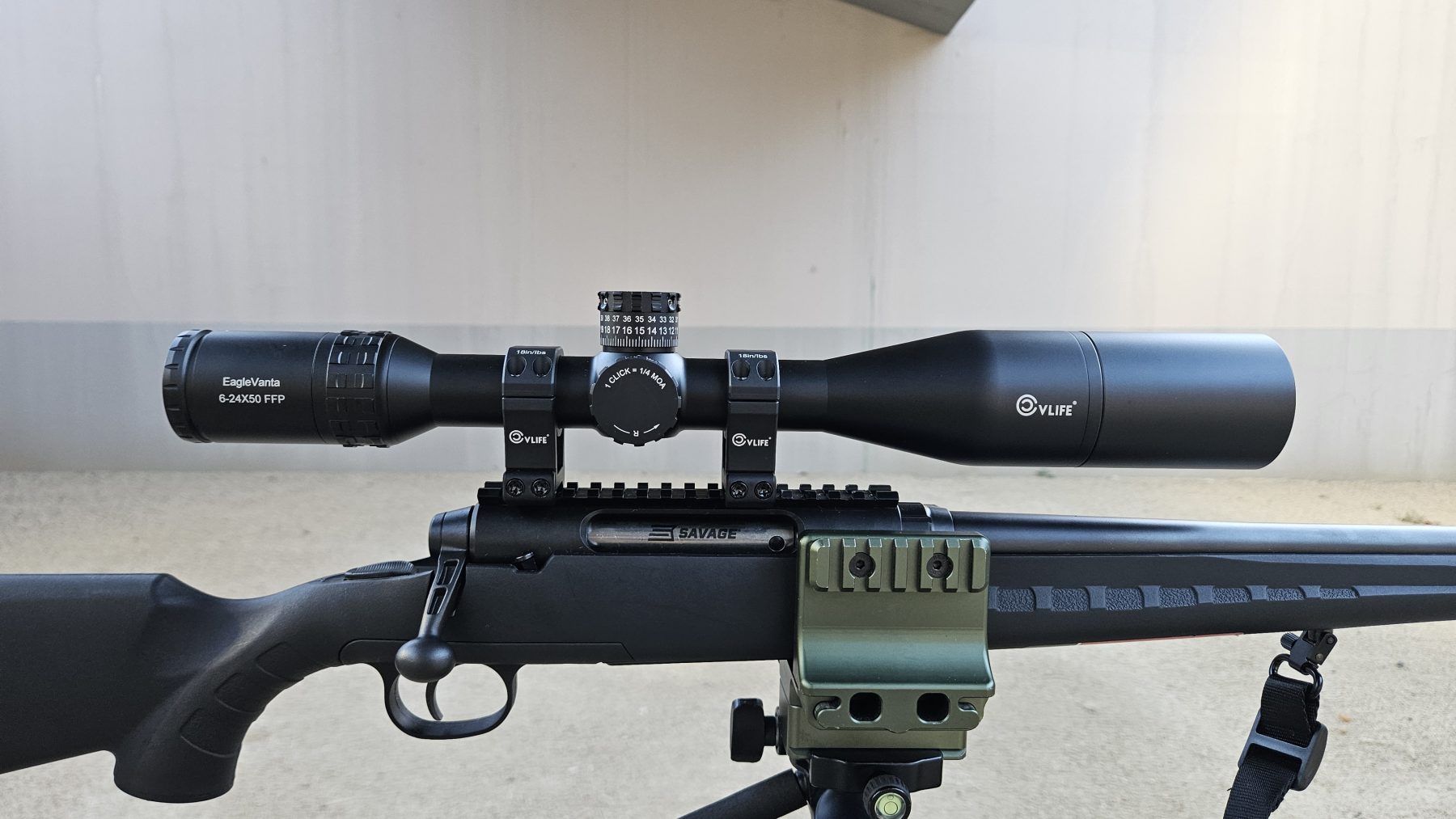
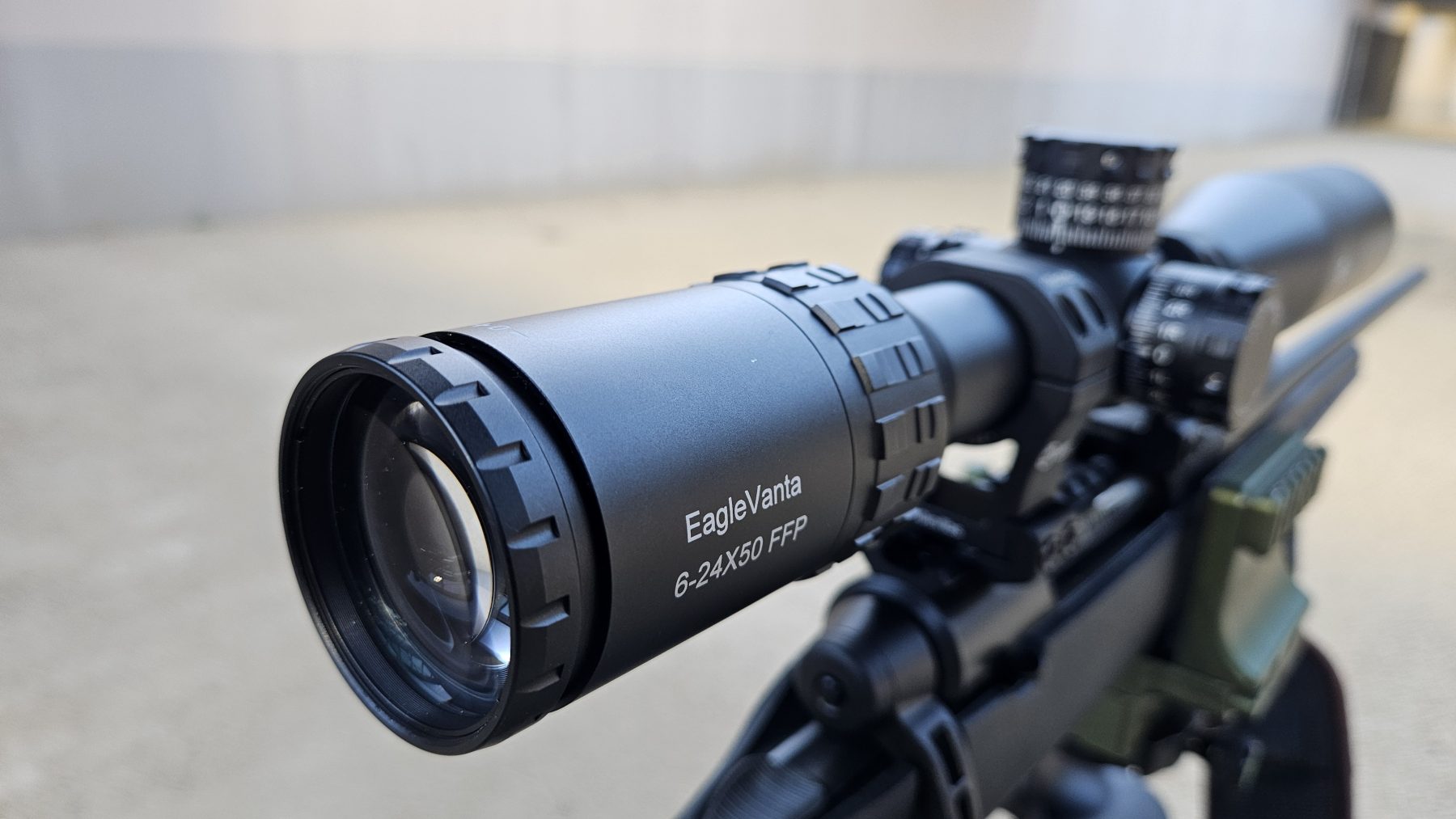
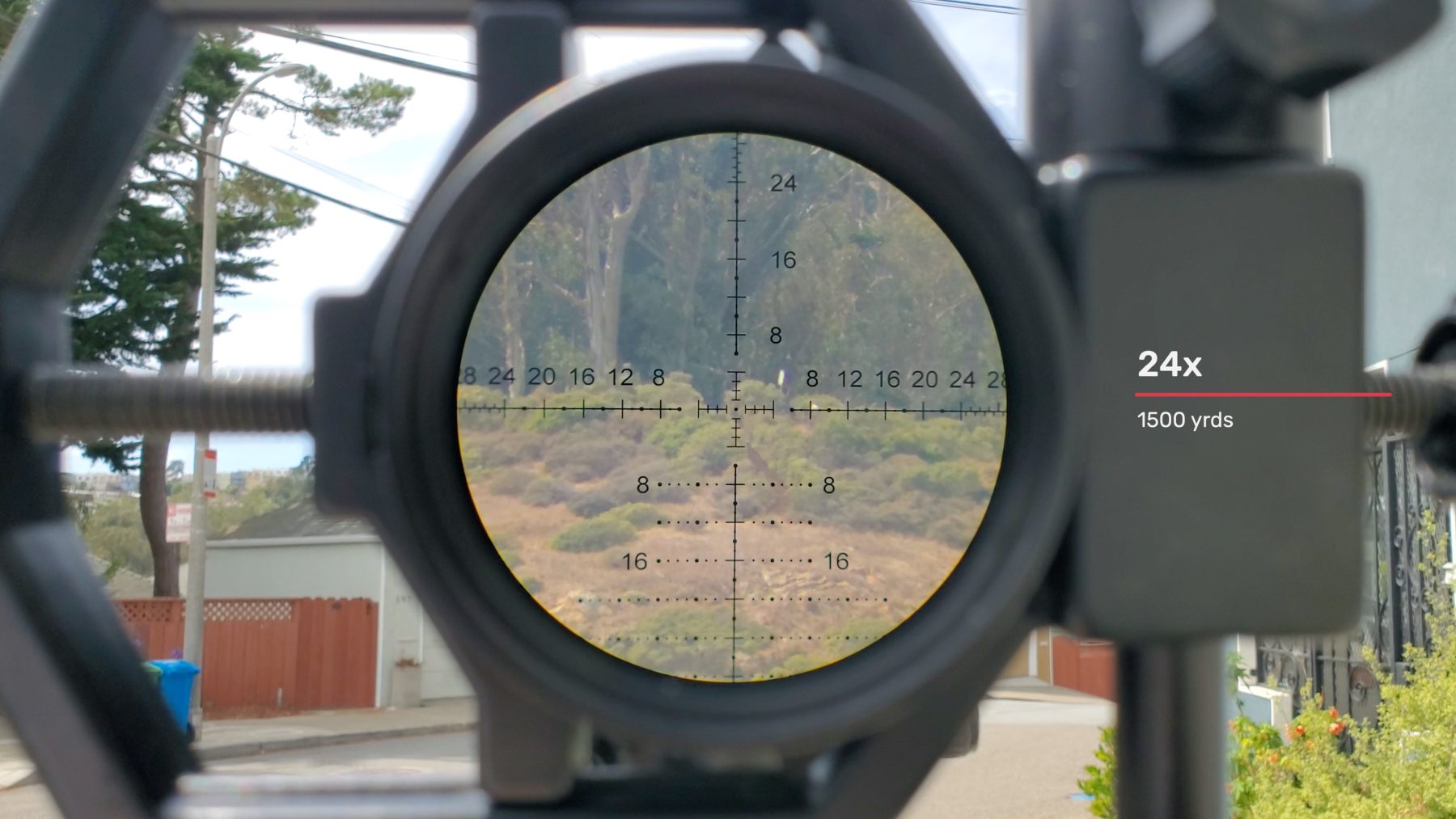
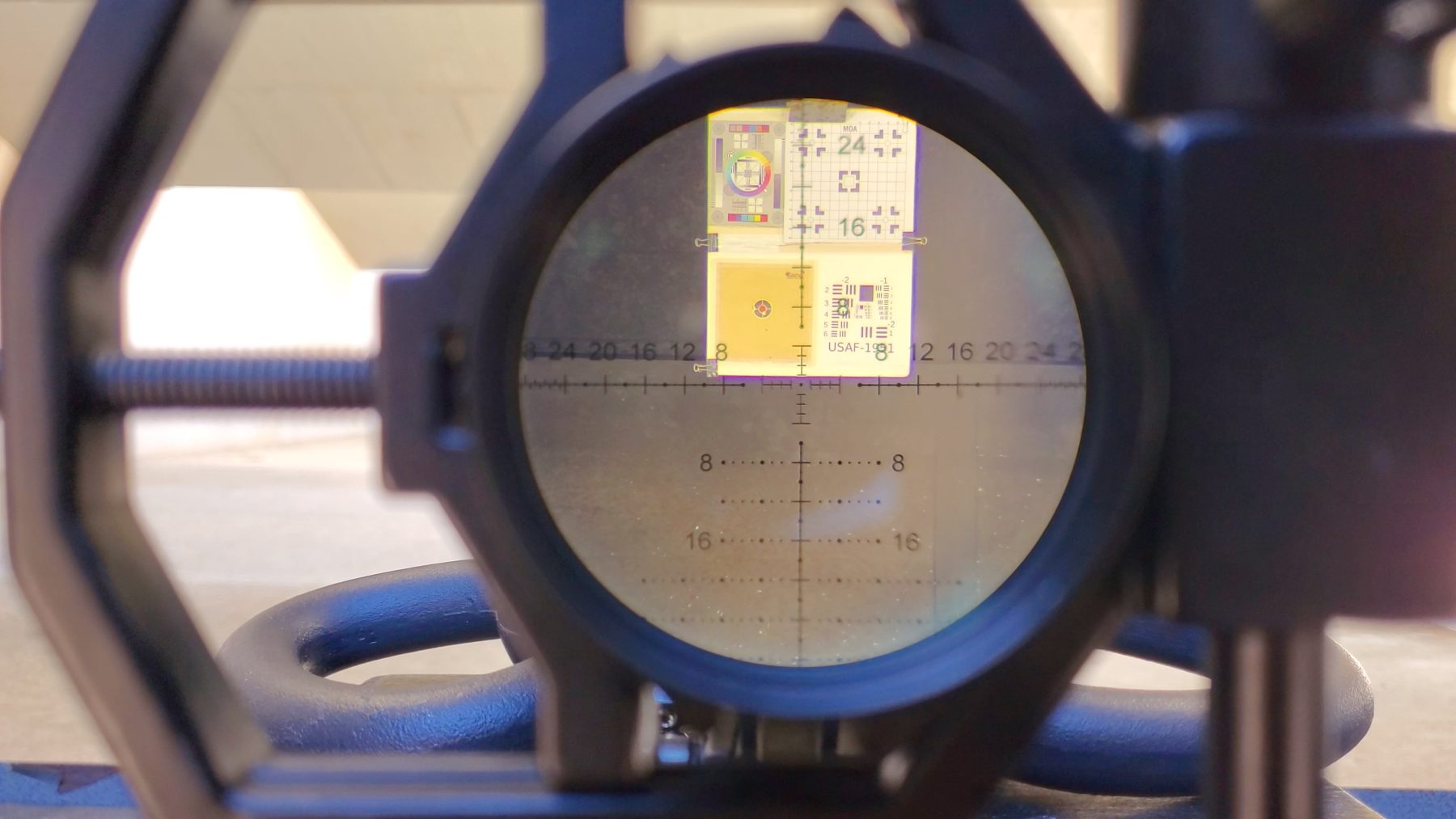
Continuing CVLife’s proud tradition of smashing animal names into a random name, we get the EagleVanta 6-24×50 FFP. “Vanta” still means “boast” in Italian, and this one boasts a proper first-focal-plane Christmas-tree MOA reticle, a 34 mm tube, zero-stop elevation, and side parallax that actually goes down to 10 yards. Not bad for a scope that costs less than a decent night out.
The scope has fully multi-coated ED glass, comes comes with flip-up caps, a sunshade, and a nice set of rings. But perhaps to accomodate any strange rifle setups, these are high rings which are about 1/2″ too high for any of my rifles unless you prefer a see-through setup for your iron sights?
It’s not going to dethrone a high-end Japanese or German optic, and at nearly 30 ounces it’s no featherweight. But for the money it delivers real long-range tools—FFP holdovers that work at every magnification, decent tracking, and enough adjustment to get you into trouble—without requiring a second mortgage.
Ocean Beach is like like a local secret. This three-and-a-half mile stretch of Pacific shoreline just past the western edge of Golden Gate Park and The Great Highway. Hundreds of yards of soft sand extend from the parking lot to the ocean. Above the sea wall, a multiple walking paths run for about mile between the Cliff House ending in sand dunes.
This beach attracts local in San Francisco and experienced surfers from around the world. The water looks inviting until you remember it’s usually 52–57°F year-round and the currents have a long, documented habit of sweeping people out, so be careful when walking near the water if you’re visiting.
Before the neighborhoods of the Richmond and Sunset filled in, this was a vast dune wilderness. Steam trains and later streetcars brought city people out to the edge for fresh air and amusement. The Cliff House has stood in various forms since 1863, watching over Seal Rocks. Adolph Sutro’s enormous glass-roofed baths once filled a cove just north of here; the ruins still sit there, atmospheric and photogenic. Playland at the Beach—roller coasters, fun houses, the original It’s-It ice cream sandwich—ran until 1972. At very low tides you can still spot the weathered ribs of the ship King Philip, wrecked in 1878 near Ortega Street. Between 1850 and 1926 roughly twenty vessels came to grief along this stretch.
Today the beach is quieter, part of the Golden Gate National Recreation Area. The amusement parks are gone, the dunes partially restored, and the place is chill.
Enjoy 10 minutes of zen that I filmed at one of the last days of Summer 2026.
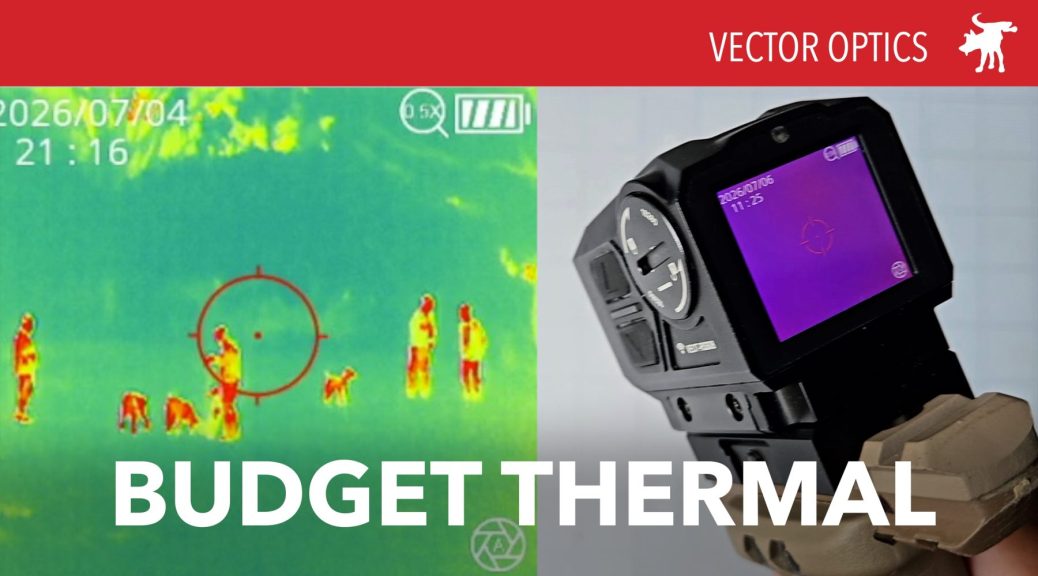
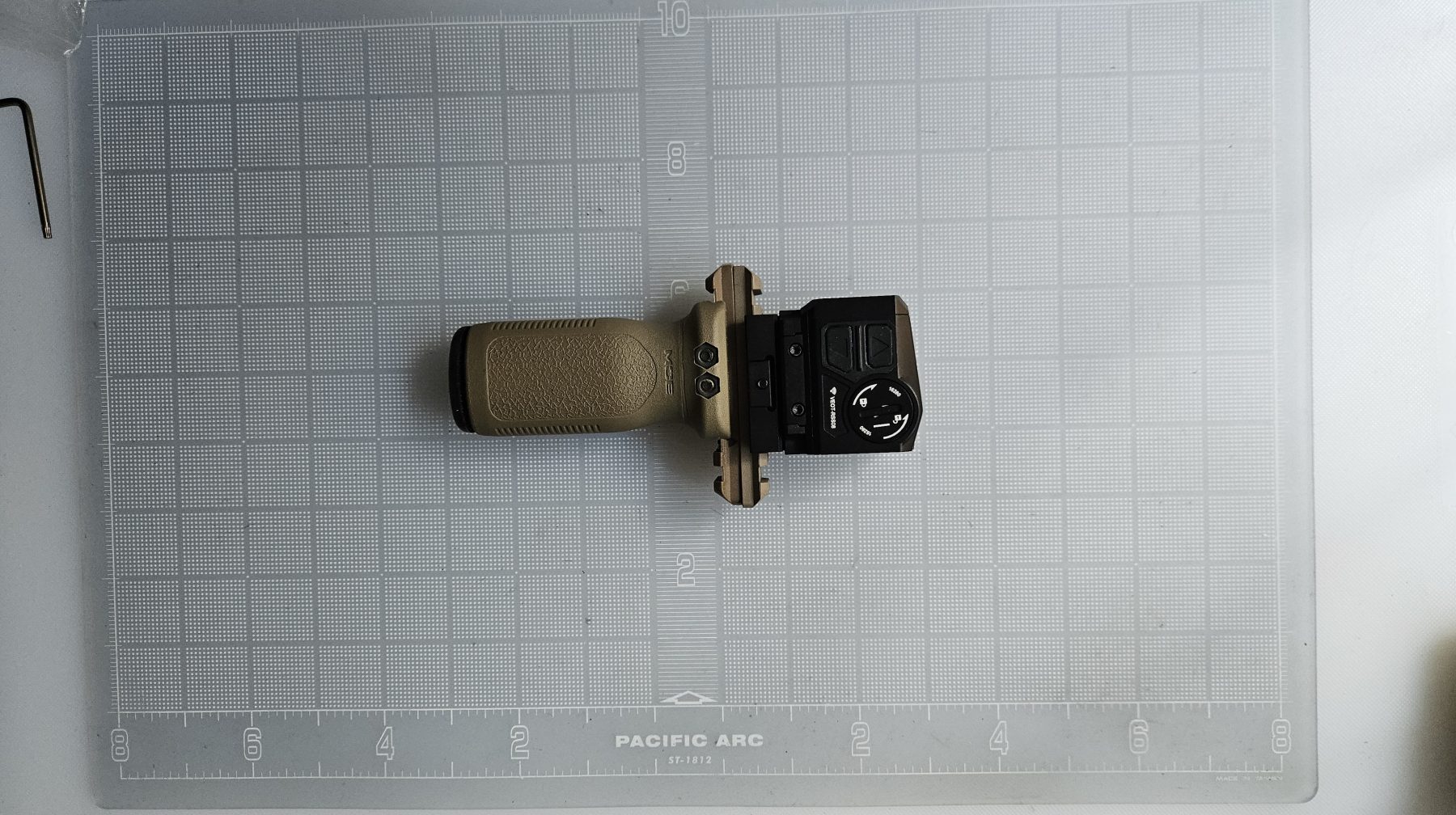
At the Vector Optics booth at Shot Show 2026, I discovered the smallest thermal optic I’d ever seen, the Owlset HEIM ES X-Nano RSS08. This thermal optic has an ACRO and is sized between an enclosed pistol red dot and an EOTech holosight.
The RSS08 is powered by an 18280/CR2 battery and came with 3 cells in the box along with a USB-C combatible charger. Each cell is rated to run the unit for up to 3.5 hours (in standby/sleep mode). The unit can also be powered and recharged using a USB-C port.
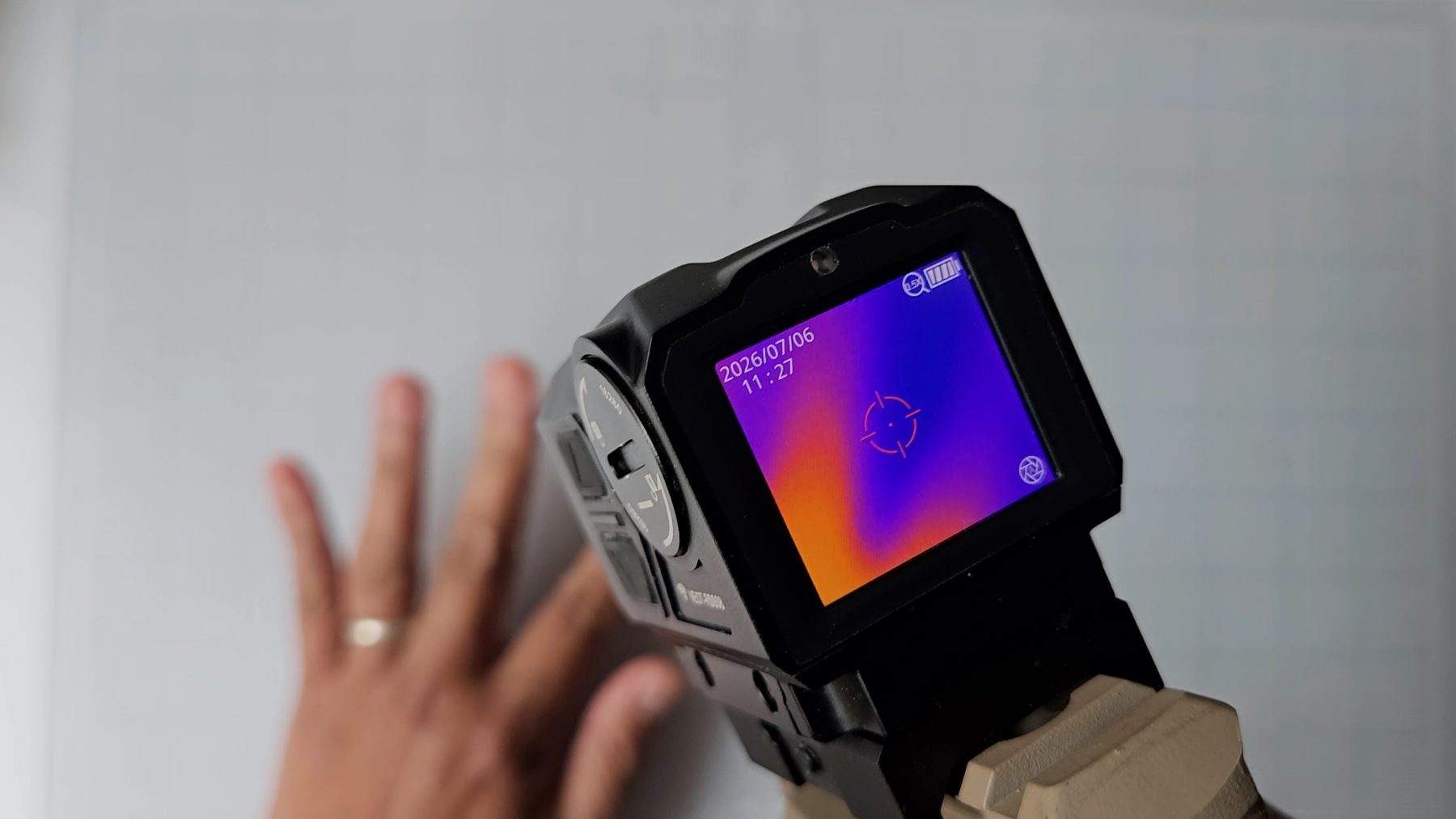
The RSS08 is not just a thermal imager, but it is also a thermal camera, allowing the user to record video and photo stills. The unit has about 14-16GB of internal memory. The RSS08 model can be connected via WiFi to an Owlset mobile App to control the camera and to download files. Or you can download the files via the USB-C port to your computer.
Its 1.4″ LCD display screen is a touch display which allows for gesture controls and access to the menu. Two external control buttons allow additional access the menu and activate/deactivate the unit. The RSS08 offers 6 false-color modes to display hot/cold objects and 10 reticle options for targeting. The default PURE MODE setting must be deactivated before the reticles are available.
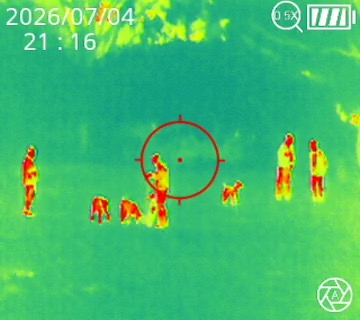
Nighttime, hand-held testing did reveal the unsuitability of using the RSS08 as a pistol optic. I was able to clearly ID human and varmint-sized objects in complete darkness over 100 yards away. But the rapid movement of the LCD screen under recoil would make it unreadable in rapid fire. On a rifle, it would necessitate very slow semi-fire. On a pistol slide, impossible.
Moreover, the light spill from the screen would easily give the user’s position away to another human. To an animal, this wouldn’t be as alarming as the noise we make walking around at night. And before using this thermal on a firearm, you should consult your local hunting and gun laws.
One major drawback to using the RSS08 as a combat or patrol optic is water. The RSS08 is IPX6 water-resistant, able to survive rain and water spills. But as anybody with a phone knows, moisture renders LCD touchscreens inoperable until they can be wiped dry.
Where I see this mini thermal being used is co-mounted to a red dot or other optic. The box comes with an ACRO to Picatinny adapter plate, and Vector Optics makes a selection of adapters. The RSS08 isn’t the firearms optic as I’d originally hoped, but it is a capable and affordable full-featured thermal camera.
I’ve reviewed many of Discovery Optics (DiscoveryOpt) scopes and a have found their top-tier scopes to be among the best values in terms of glass clarity and precision features. DiscoveryOpt opened a US office to service customers with their Lifetime warranty. They have been touring the country supporting PRS and long-range matches, promoting their scopes and getting first hand feedback on their products.
Nigel, the head of their US office, was traveling through San Francisco and we arranged to meet up at my local range. I reached out to my subscribers and collected questions about DiscoveryOpt that they wanted me to ask during our interview.
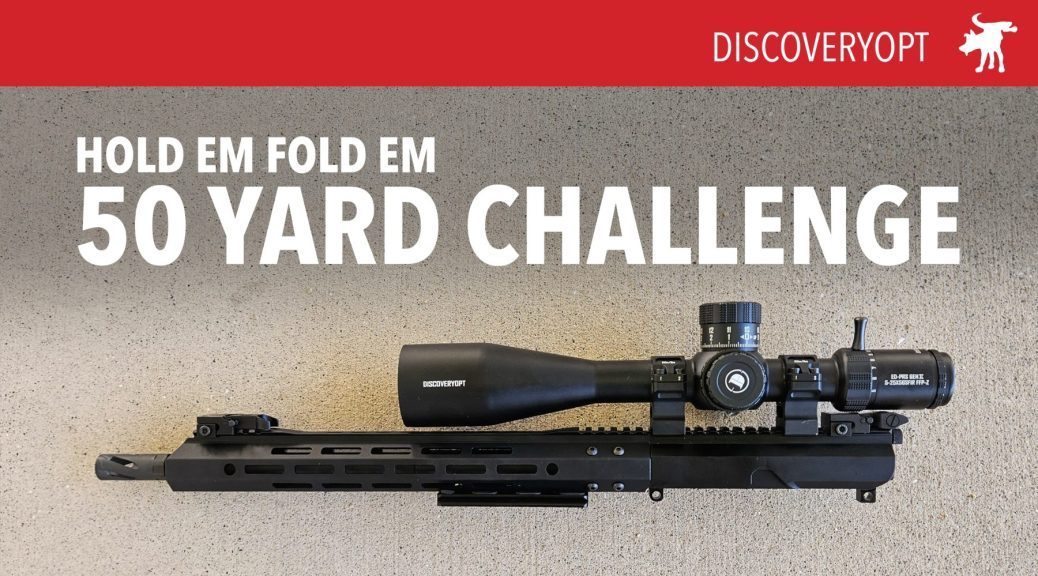
My YouTube friends @Dayattherange and @Hazzbro1964 created a deceptively tricky .22 rimfire challenge target called Hold Em or Fold Em. https://dayattherange.com/holdem-or-foldem/5/
This timed challenge requires 10 shots to hit 10 targets from 50 yards with a .22. The first row is five playing-card targets for a straight flush; the second row is five smaller ones for a royal flush. You must keep every shot entirely inside its card without breaking any lines or it’s a DQ. After the first five you can hold (stop) or go for broke on the royal flush. Ties are broken by time. From 50 yards the cards are roughly 1–1.5 MOA—tiny, with edges that are hard to distinguish.
For my attempt I used a budget Bear Creek Arsenal BC-22 (dedicated .22 LR semi-auto AR upper on a BCM lower). On top sat a Discovery Optics ED-PRS Gen 2, a 5-25×56 FFP scope with Japanese ED glass. Even though it’s a long-range optic, the high magnification and clarity made the thin card lines visible enough to aim precisely (I stayed in the mid-power range rather than maxing out at 25×). I sighted in with a few spotter rounds, then ran the challenge.
I DQ’d on the first row (broke a line), but continued for fun. Time was 1:31. Looking at the target, the second (smaller) row actually went better—several clean hits inside the cards. Aim small, miss small, I guess. Not a clean run, but a fun test of both the budget upper and the high-power scope at close range.
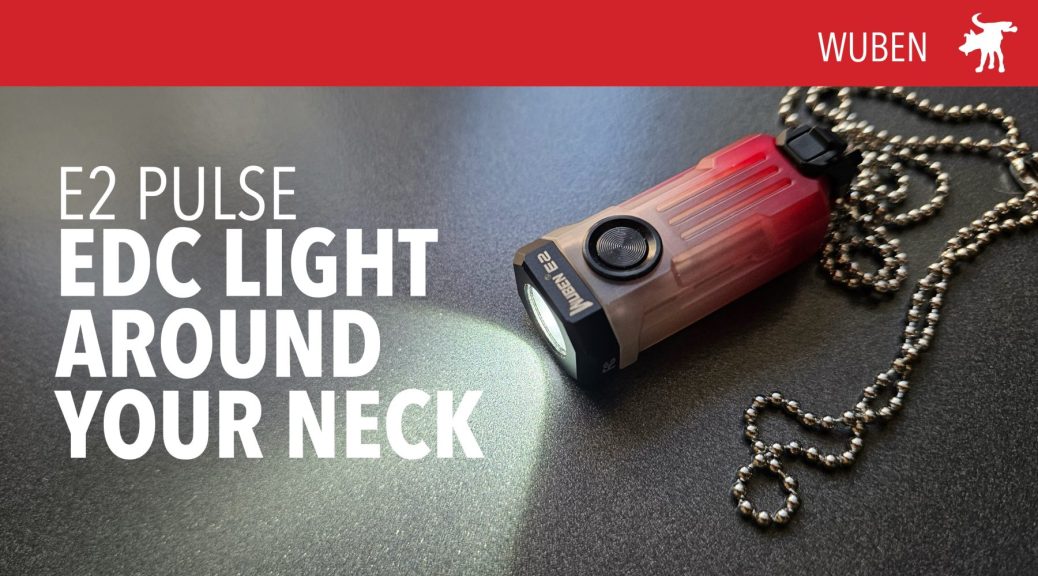
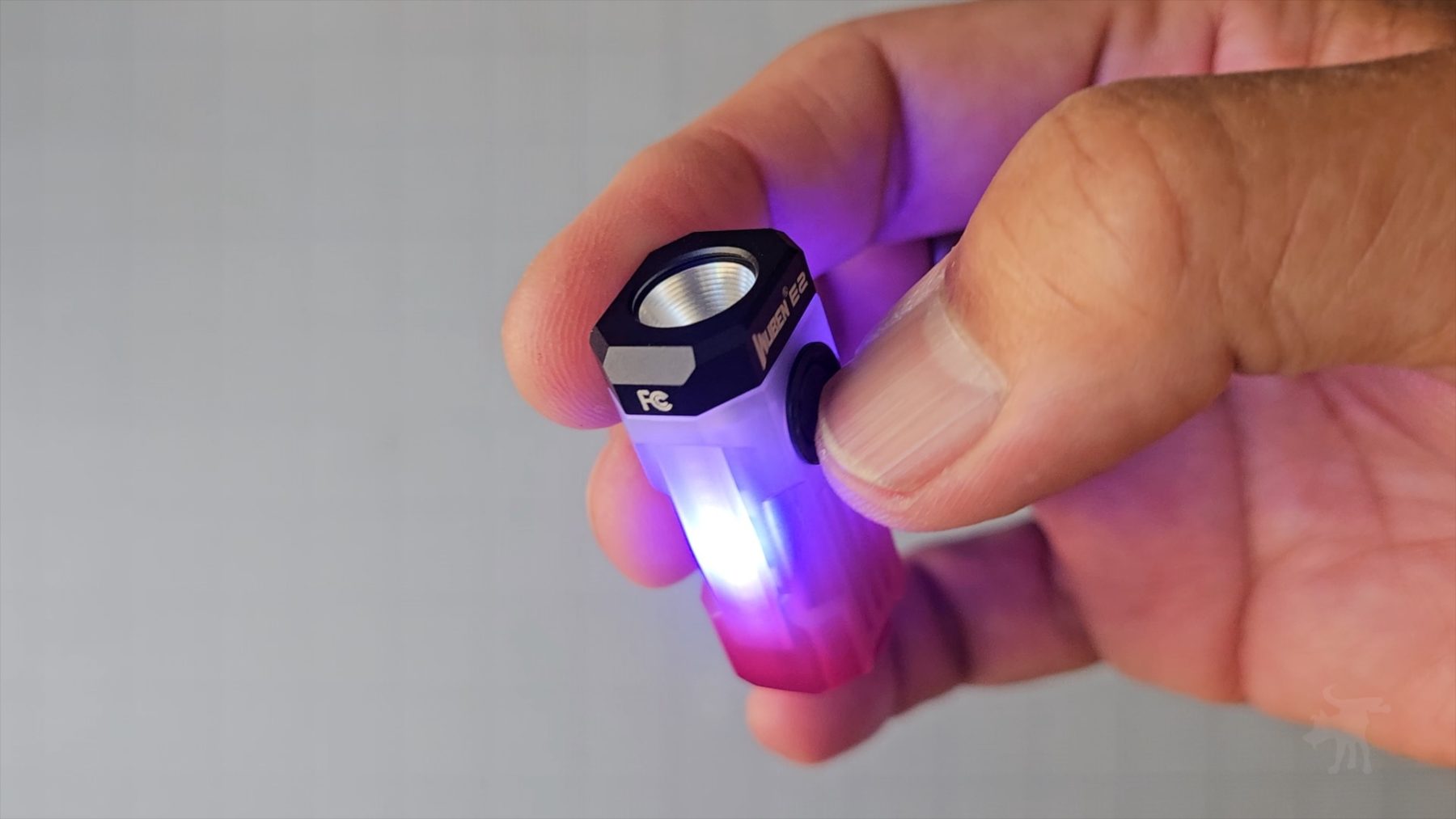
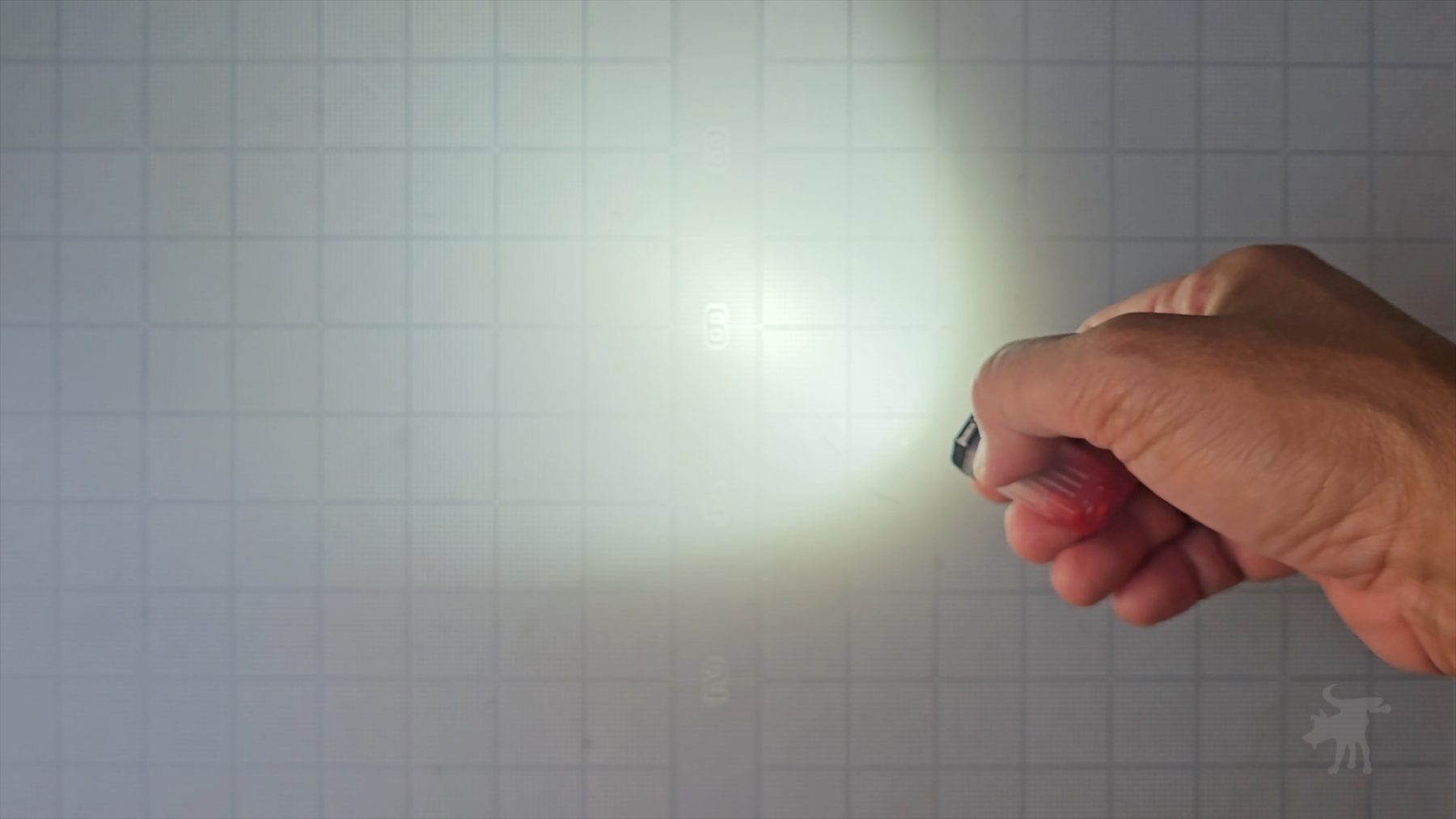
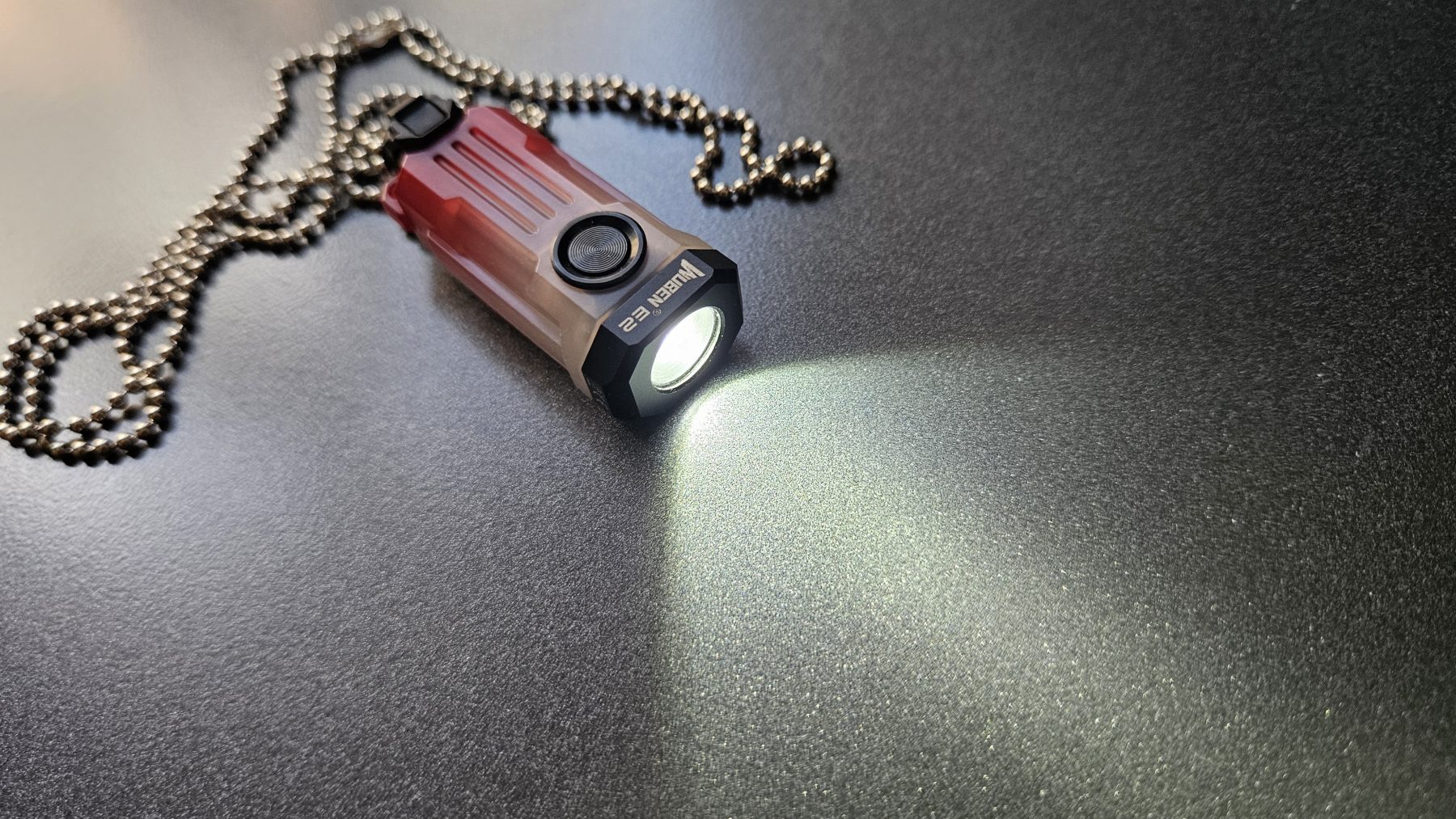
The E2 is a lightweight, compact keychain with some unique features that set it apart. It has a multi-output main beam with a 150 lumen max, body light, and body blue/red signal lights. The E2 Necklace Edition is the first flashlight I’ve ever tested that comes with a clip-on bead chain that turns it into a neck-worn flashlight.
My sample was not perfect. The activation button would occasionally stick when pressed. And like the X5, Wuben seems to have a reputation for less-than-perfect waterproofing. In my high-power water test, some water worked itself inside the body. Despite this, the unit continued to function through the rest of my testing.
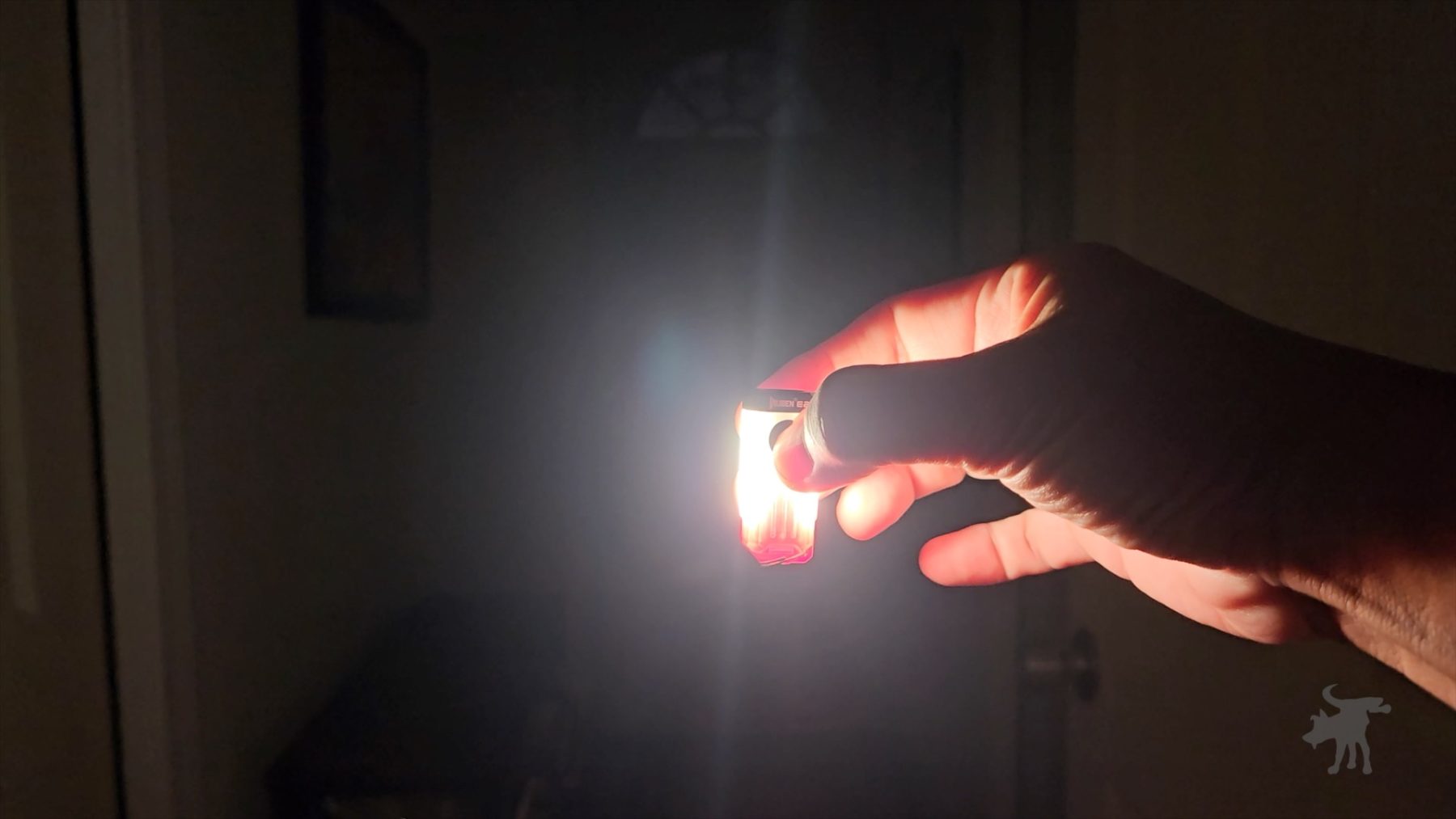
One cool feature escaped me until nighttime testing: its body is glow-in-the-dark.
SHOP
SPECS
Max Output: 150 lumens (main) Max Throw: 26 meters Battery: Built-in 120 mAh Li-ion battery Charging: USB-C port Dimensions: 19 × 14.6 × 41.4 mm Weight: 10.7 grams Durability: IP66
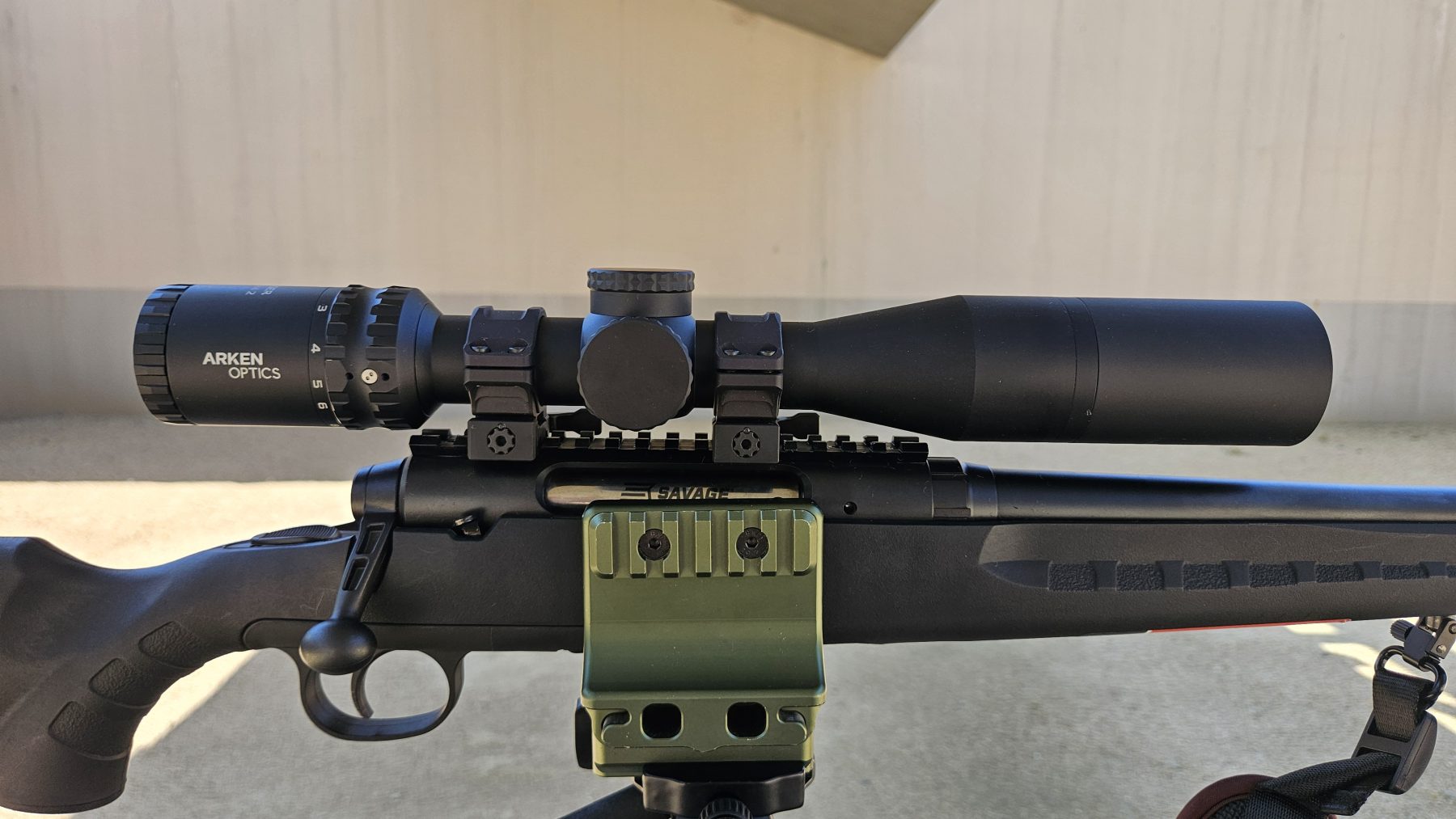
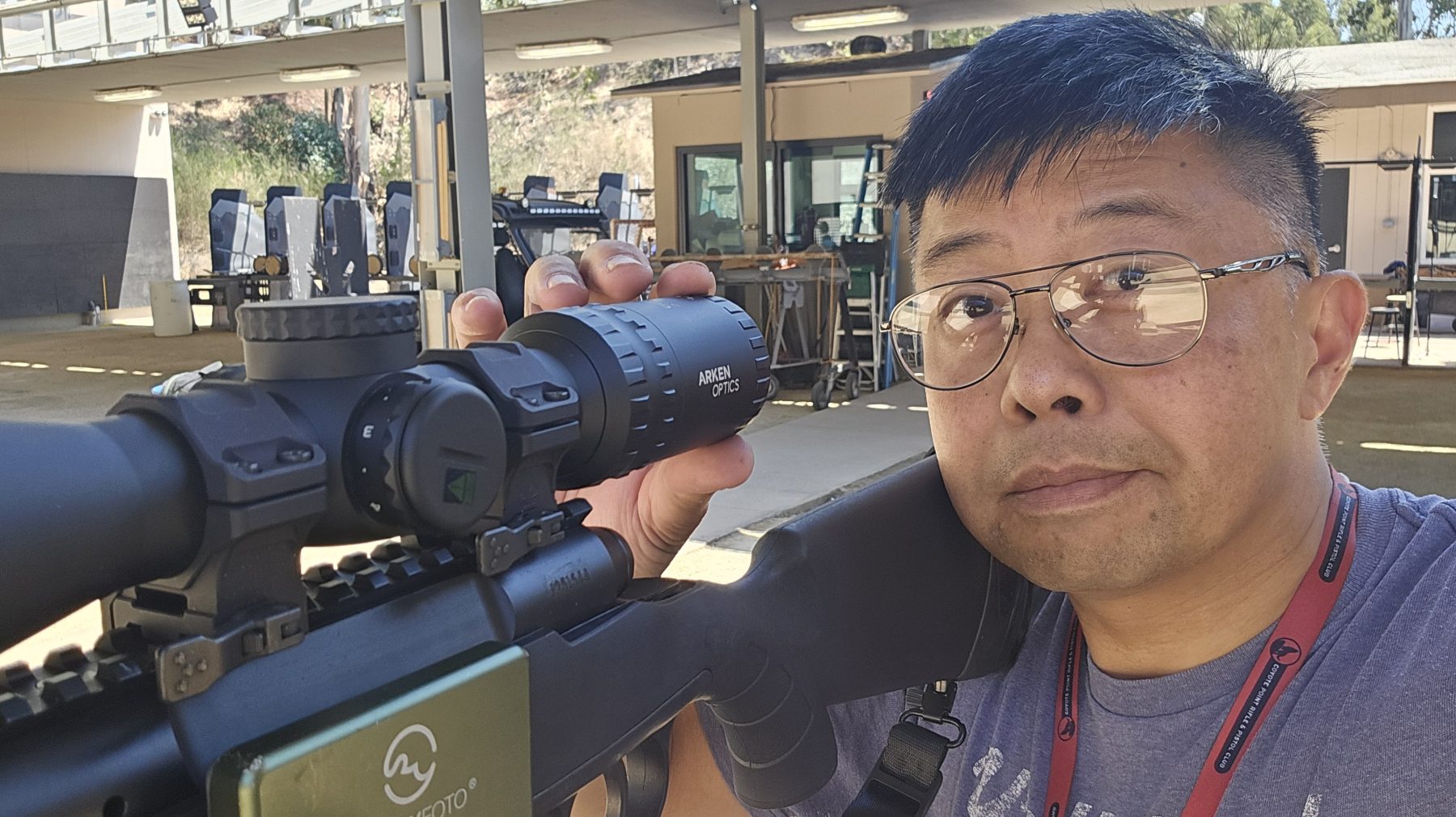
Just before its official release, Arken sent me an Outrider, their new traditional hunting scope. This new scope was not something I was expecting to come from Arken. It’s not tactical. It’s Fud.
Arken shook up the firearms industry with their SH4 and EP5; long-range scopes for half the price of the competition. Scopes with oversized turrets, zero-stop, and a first focal plane reticle with a detailed tree and fine subtensions. Scopes made for PRS competition shooters or counter-snipers.
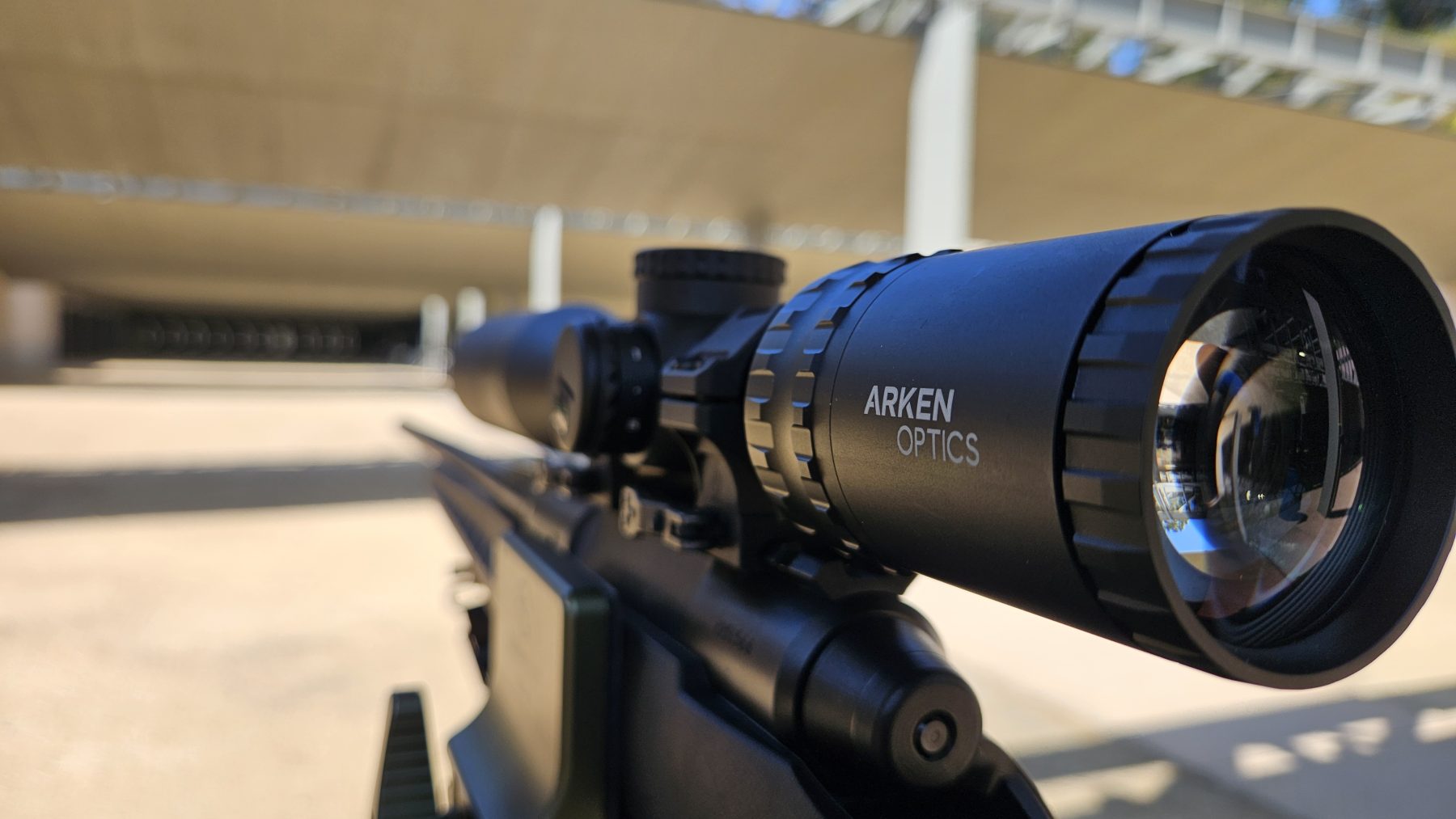
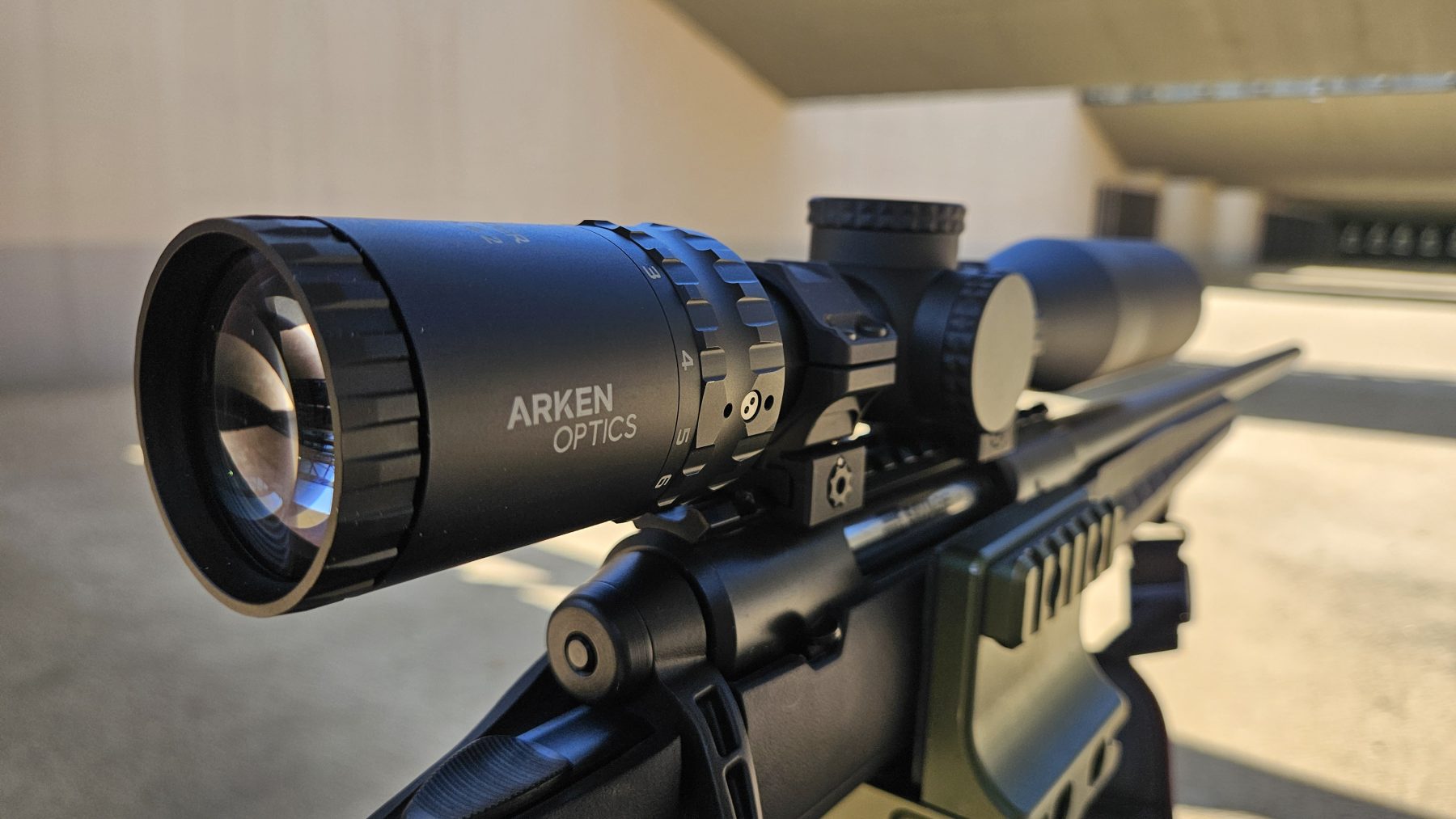
The Outrider is the antithesis of tactical. It has a traditional hunting scope: second focal plane duplex reticle, capped low-profile turrets, and a fixed 100-yard parallax focus. It has a small fin that you can screw into the magnification ring, but it feels unnecessary as the ring turns butter smooth.
But the Outrider isn’t a step backward in quality. It has Japanese HD glass delivering a sharp and color-accurate image. It has an LPVO’s fiber optic center dot that is daylight bright and an unusual 2x low end providing an exceptionally wide field of view. It has a good eyebox and is pretty lightweight, especially compared to Arken’s other scopes.
The Outdrider may be a traditional hunting scope, but it has Arken’s trademark quality optics, robust build, and affordable street price (~$300.)