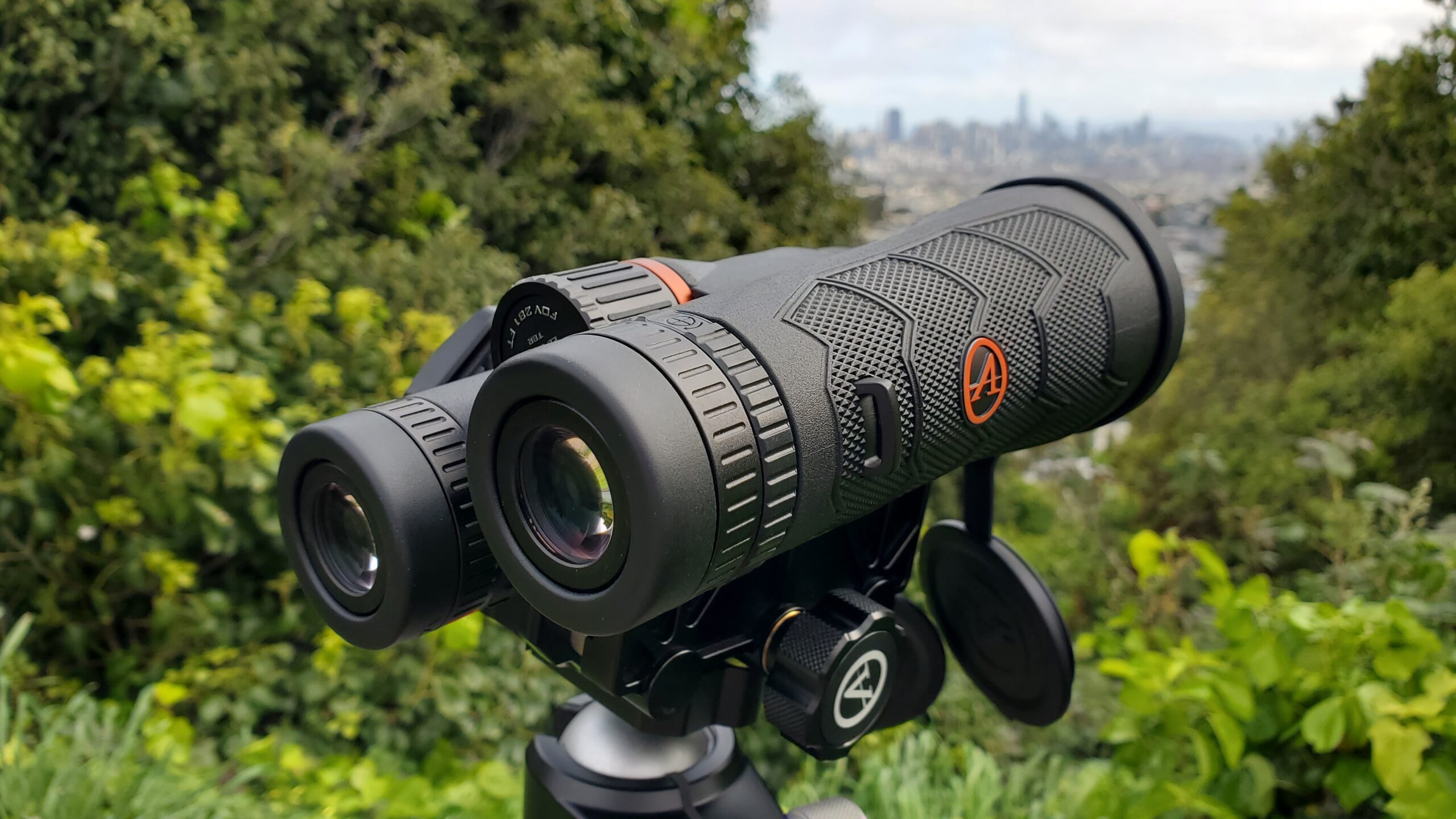
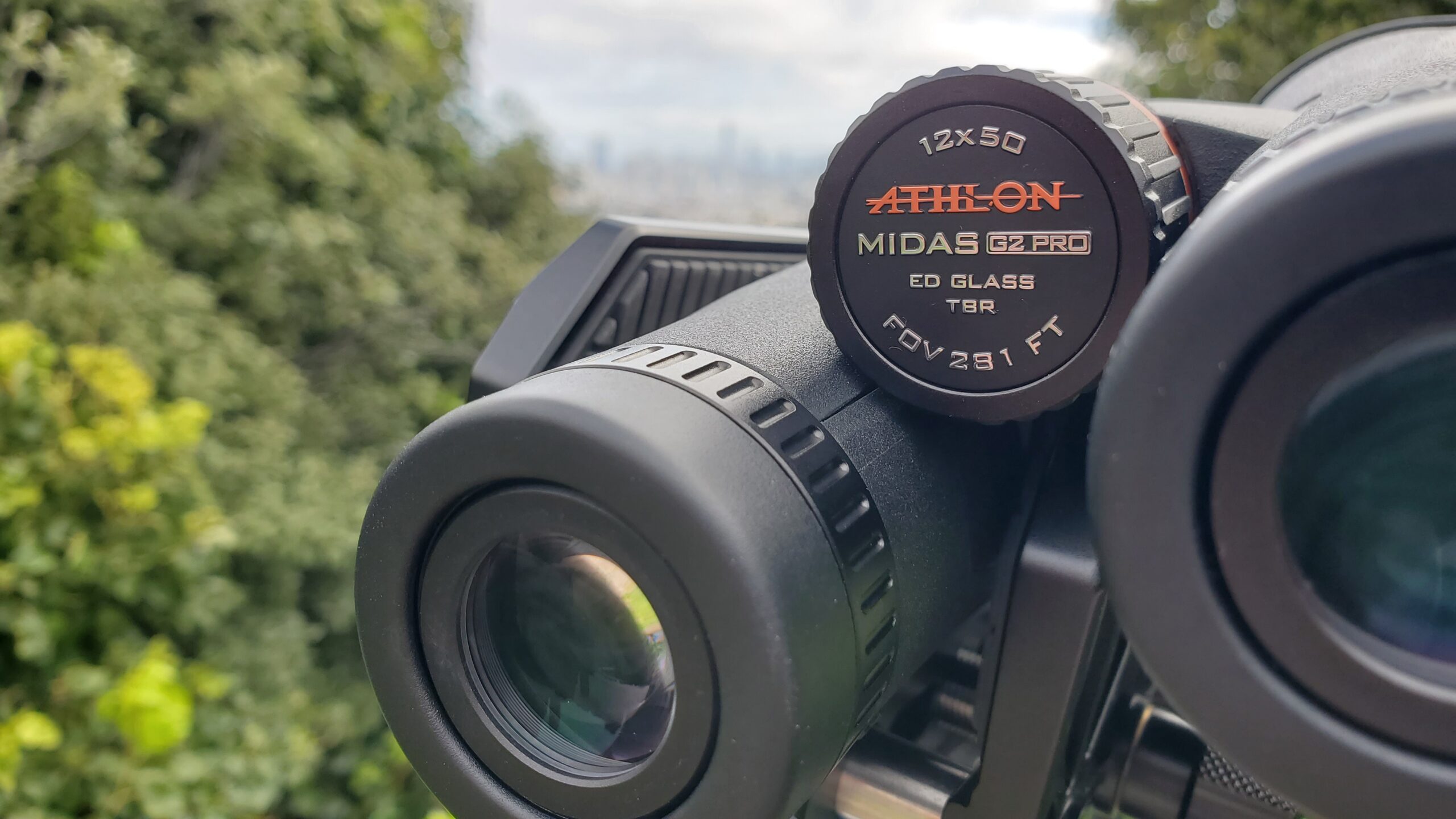
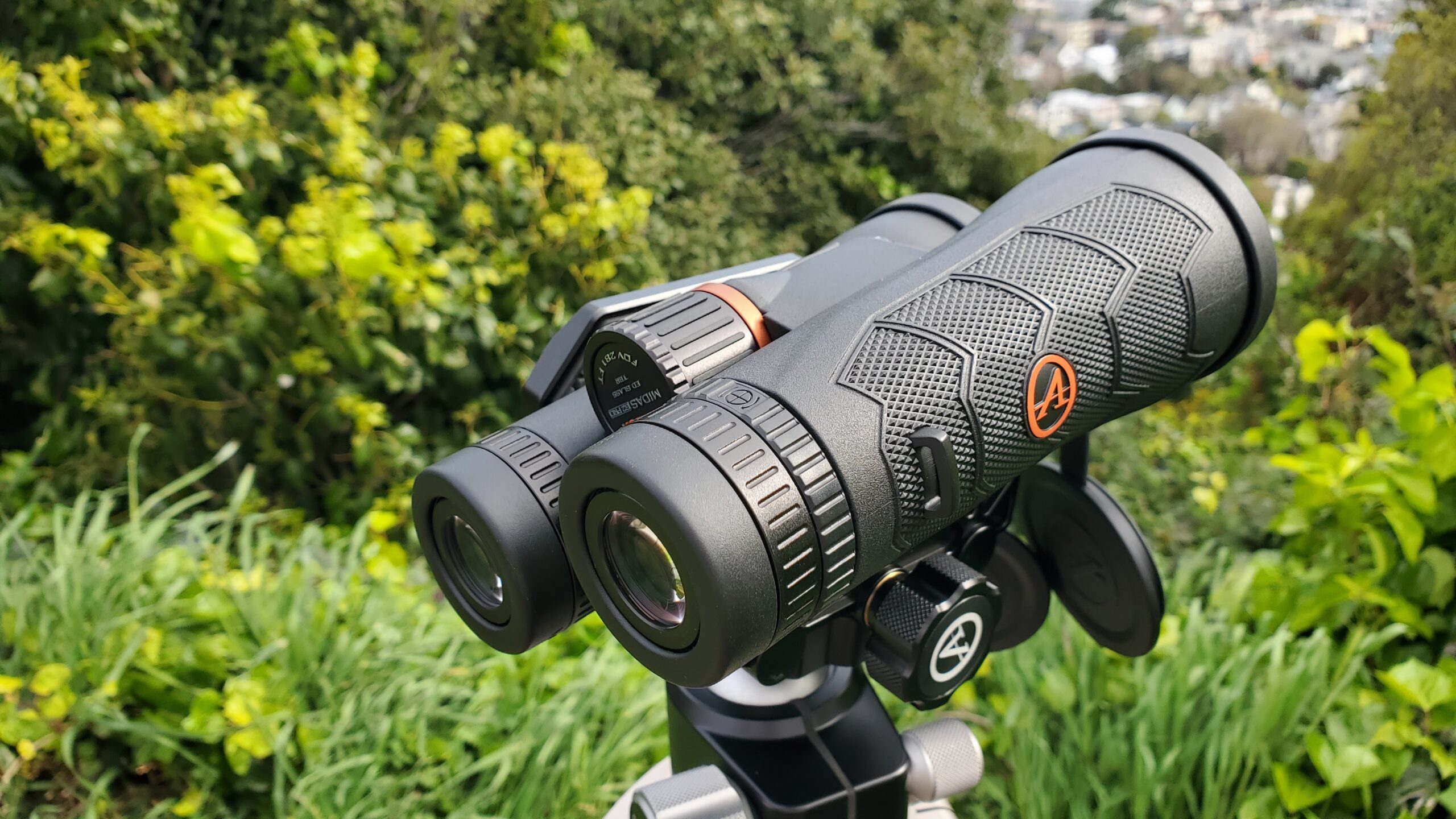
I reviewed the Midas G2 Pro 12×50 over a year ago and found they produced some of the clearest images I’ve tested from a 12x binocular under $500. Over the course of the year, it’s helped me spot my targets at the range and been a solid performer. Last week I took it to watch a major league ballgame at San Francisco’s Oracle Park.
Watching a ballgame is a different experience with this optic. I didn’t have a tripod or mount to steady and it was constantly scanning the field, fast panning to follow the ball and plays. In this use case, I found that the Midas was a bit more finicky to find its best focus. I found myself adjusting the focus and diapoter. I also found the exit pupil’s sweet spot to be slightly past the maximum extension of the telescoping eye-cups, so I’ll probably add some extended rubber cups if I want to use these at another ballgame.
This prize supplied by Discovery Optics and is awarded at their sole discretion and direction.
RULES
NO PURCHASE OR DONATION IS NECESSARY TO ENTER. YOUR CHANCES OF WINNING DO NOT INCREASE WITH A PURCHASE. VOID WHERE PROHIBITED.
1. Eligibility
Void where prohibited by law. Must be legal resident in the USA. Moondog Industries employees, subsidiaries, affiliates, suppliers, advertising and promotion agencies, employees’ immediate family members, are ineligible to participate in the contest/giveaway.
Entrants must be willing and able to appear on YouTube to discuss the contest and post images of the prize on their social feed should they win the contest.
2. Sponsors and Platforms
Discovery Optics (known as the SPONSOR) and Moondog Industries (known as the CO-SPONSOR) is a video Edutainment producer and game promotor based in San Francisco, CA. YouTube, TikTok, Rumble, X and online video platforms (known as PLATFORMS) are not SPONSORS or in any way affiliated with the contest or content.
3. Agreement to Rules
By entering the contest, participants agree to abide by the SPONSOR’s Official Rules and decisions. The SPONSOR retains the right to refuse, withdraw, or disqualify entries at their sole discretion. By submitting an entry, the participant agrees to accept the decision of the SPONSOR as final and binding.
4. Entry Period
Contest email entries must be received between: 12:00pm EST 1 April 2025 and 12:00pm EST 30 April 2025
5. How to Enter
This contest requires your skill in navigating your phone or computer controls to screen capture an image of the following YouTube channels/Social Media accounts. Subscribe or Follow and make a screen capture of those pages showing a greyed out Subscribe button or indicator that your account is Following that page. Send a screen capture image file of any of those sites to contest@moondogindustries.com . One entry per person or per Social Media account. Fraudulent methods of entry, photo retouched, or other methods of circumvention of the rules may result in the SPONSOR invalidating a participant’s entries.
6. Prizes
The winner must be able to receive the prize by e-mail or by physical mail. Prize may be substituted at the sole discretion of the SPONSOR. Acceptance of the prize grants SPONSOR permission to use the winner’s entry, name, and likeness for advertising, promotion, and trade without further compensation or remuneration unless prohibited by law.
7. Odds
The odds of winning is dependent upon the number of eligible entries received.
8. Selection and Notification of the Winner
The winner will be chosen at random by the SPONSOR from among the entrants who demonstrated the skill to navigate the electronic entry and have met the minimum requirements. Winners will be contacted via the email used to enter the contest. Winner must have a legal address within the US to ship the prize.
SPONSOR is not liable for the winner’s failure to receive notification of winning if he or she provided the wrong email address or if their email security settings caused your prize notification to go into the spam or junk folder. If a winner does not respond within 24hrs of sending a notification, the SPONSOR will select an alternate winner. Receipt of the prize is upon the condition of compliance with federal, state, and local laws.
9. Rights Granted by the Entrant
The SPONSOR, upon submission of an entry into the giveaway or contest, has the right to use the participant’s submission, voice, likeness, image, statements about the contest, etc., for publicity, news, advertising, promotional purposes, trade, and so forth, without any further notice, review, consent, compensation or remuneration.
Participants shall defend or settle against such claims at their sole expense, and shall indemnify, defend and hold harmless the SPONSOR from any suit due to damage of or by the prize.
10. Terms & Conditions
The SPONSOR reserves the right to modify, suspend, cancel or terminate in the event that non-authorized human intervention, a bug or virus, fraud, or other causes beyond your control impact or corrupt the security, fairness, proper conduct, or administration of the contest/giveaway.
11. Limitation of Liability
Entry into this contest constitutes the participant’s agreement to release and hold harmless the SPONSOR and PLATFORMS, subsidiaries, affiliates, employees, etc., against all claims liability, illness, injury, death, loss, etc., that occurs directly or indirectly from participation in the contest or use/misuse of the awarded prize.
12. Disputes
As a condition of participating in the promotion, the participant agrees to resolve all disputes with an arbitrator designated by the SPONSOR in the state of California, without resorting to any form of class action. Entrants waive all rights to punitive, incidental, or consequential damages, and waive all rights to have damages multiplied or increased.
13. Privacy Policy
Participants agree to abide by all privacy and NDA laws in the State of California and any federal laws of the United State of America.
14. Winners List
Participants may request a list of winners by submitting a request in writing to Moondog Industries for up to 30 days after the contest ends.
15. Social Media Platform Rules
Winners will agree to post a photo of the prize on their social media channels in such a way as does not violate any rules of that platform. The winners also agree to appear for an interview where they will discuss the prize and its performance. If there are functional problems with the prize, the winner agrees to make a good-faith effort to resolve all issues with the SPONSOR prior to posting reviews or opinions about the prize.
16. Affirmation of Acceptance of and Agreement to All of the Official Rules
By entering the contest, the entrant has affirmatively reviewed, accepted, and agreed to all of them.
Too Much Information live chat show. This episode we’ll be covering 2025’s most anticipated movies. This video is sponsored by Aura. Stop leaving yourself vulnerable to data breaches. Go to my link https://aura.com/moondog to get a 14-day free trial and see if any of your data has been exposed. Read my notes https://moondogindustries.com/tmi-live-250326/
This brand is a German footwear and apparel company. It is the second largest athletic and fitness brand in the world, behind Nike.
THUMBNAIL THIS
DOWN THE RABBIT HOLE
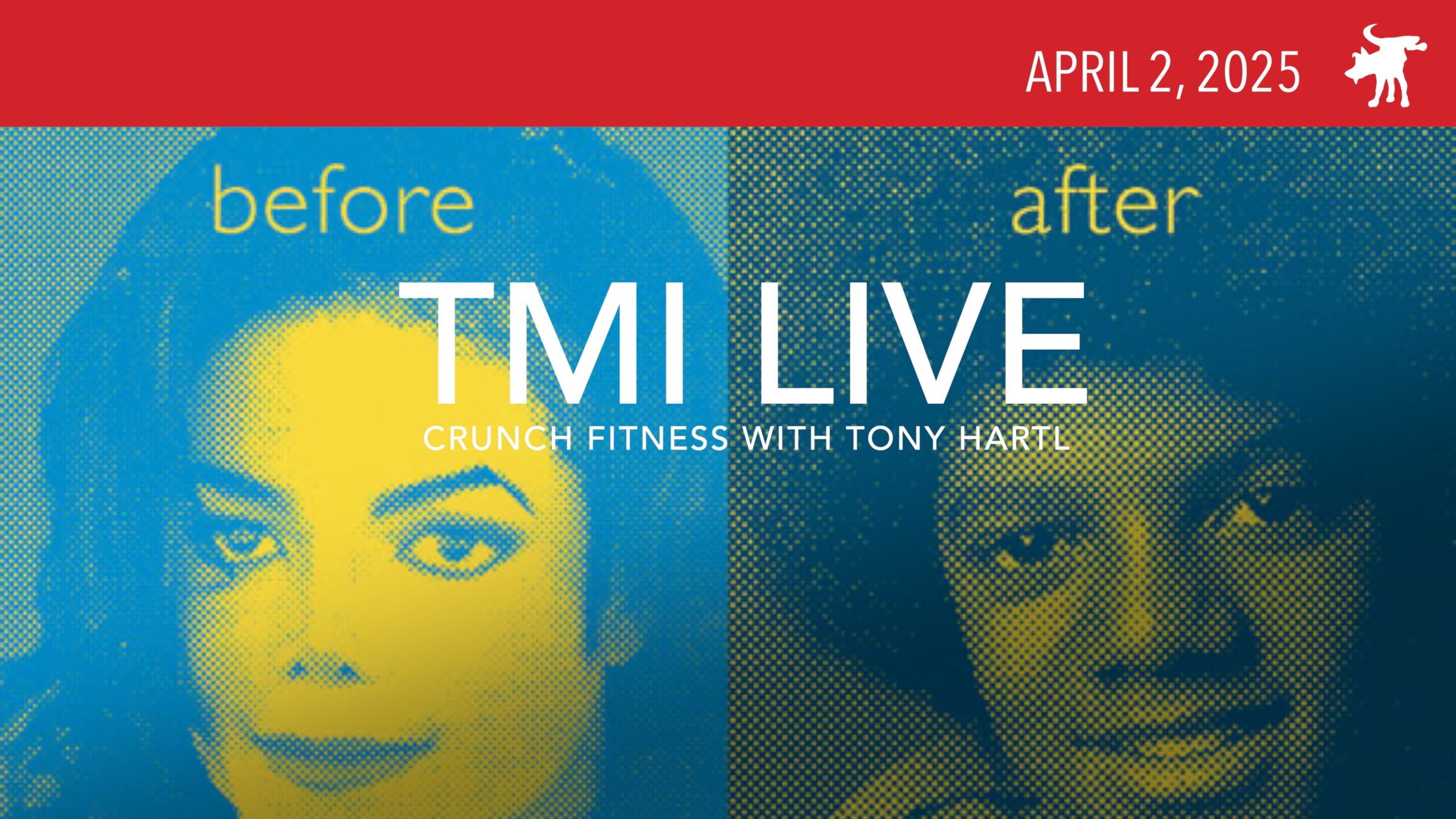
Crunch Fitness is a worldwide fitness brand. Crunch was founded in NYC’s Greenwich Village in 1989 by Doug Levine, a former stockbroker. It’s tagline and philosophy “No Judgments” was ment to remove the intimidation factor from going to the gym.
I started working on Crunch Fitness advertising back in 1995. I designed an wrote headlines for a variety of print and billboard ads. Today I work on freelance creative projects for Crunch.
Special Guest: Tony Harl Author, serial entreperneur, Tony Hartl founded Planet Tan in Dallas in 1995 and built the company from the ground-up before selling it for millions. He has been a guest lecturer at The Caruth Institute of Entrepreneurship at SMU’s Cox Business School. He is a Partner and CEO of Crunch Fitness Texas.
CONTESTS March Multixel contest drawing
April 5 Contest
NAME THE BRAND CLUE:
This brand was named after it’s founder Adi Dassle. It first attained popular awareness in the early 1980’s among the hip-hop community. Rappers Run-DMC wrote a song estolling their name and footwear. Unfortunately they perpetuated America’s mispronouncication of the brand.
April Fools! The Bear Creek Arsenal does produce the Grizzly Glock-alike in a variety of sizes, including a compact 9mm. The pistol shown in the video by Patrick isn’t a real one. But they were gracious enough to let me film this at their booth at SHOT Show to mad props to them.
Alto’s Adventure is a free-to-play sports/action game for Android and iPhone, released in 2015. In this game, you play as a snowboarder in the Andes. You start the game playing as Alto. You can unlock additional snowboarders with modified abilities like faster top speeds.
The developers wanted to create a game that captured the “flow” state feeling when carving down a slope on a snowboard. They’ve succeeded. This game is one of the most beautiful games I’ve played. Both in the design of its graphics as well as its atmospheric procedurally generated soundtrack.
During the game, you constantly ski “downhill” from left to right on procedurally created terrain. You can jump or back-flip by tapping or pressing on the screen. As you play, the time-of-day, lighting conditions, weather, and visibility can change.
As you ski, you can spank llamas you pass, pick up glowing coins, and power-ups such as feathers and magnets. Alto must avoid random chasams, rocks, campfires, and “Elders” who chase you down to punish you for spooking llamas. You can grind on aqueducts and decorative bunting draped on poles.
Just in case you’re wondering, this is a legit review of the game. But this video was an April Fools. But if you do want to see more Lets Play videos, let me know and I might start creating content.
Last year, Discovery impressed me with the ED-PRS Gen2 5-25×56 scope with its high-quality glass, features, and street price under $500. They told me they were working on a 6-36x version but had delayed production until they were satisfied with the results. The wait is finally over with the XED 6-36×56 with a street price of just under $700.
This scope is share many of the features of the new ED-PRS Gen2 MOA like its new throw lever design and its tool-free turret screw tops. The XED is slightly longer and heavier overall with a noticeably wider parallax dial than the ED-PRS. The biggest change is the XED’s 35mm tube which allows a wider range of adjustments.
The XED utilizes Japanese ED glass for excellent optical clarity and brightness while minimizing chromatic aberration. Most high power scopes have tight eyeboxes, the XED is unforgiving at 36x. Tight eyebox aside, for those that require a bit more magnification than the ED-PRS 5-25x, the XED is tough to beat.
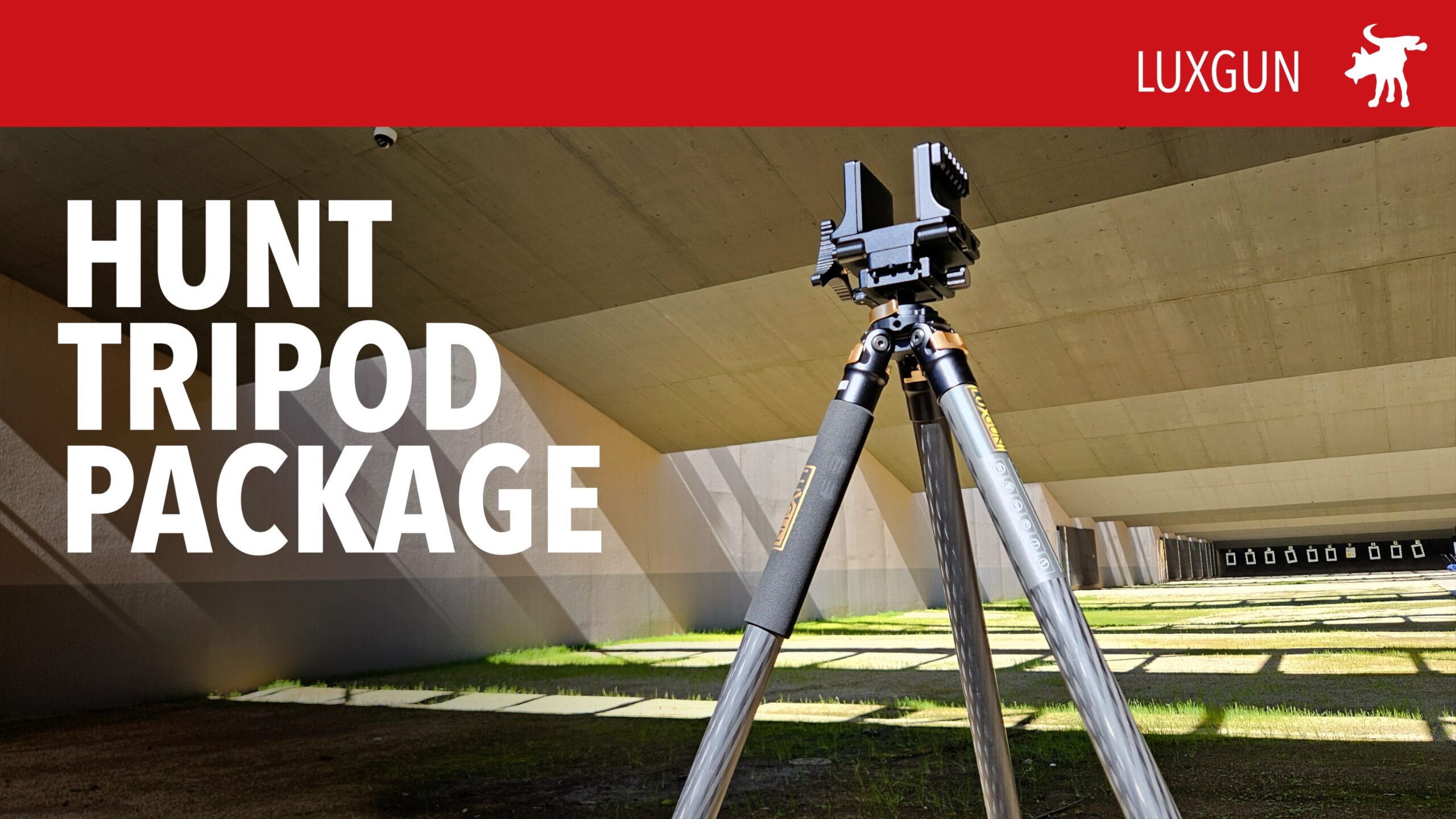
Luxgun is a shooting sports tripod brand made by Sunwayfoto. My buddy Slavguns introduced this new brand to me at SHOT Show 2025 where a sample of this new hunting and shooting tripod was displayed at Christensen Arms. He helped design and put together this product.
The Hunt Tripod is a 65″ tall carbon fiber tripod (it’s taller than me) with a 28mm inverted ball-head, and a quick detach ARCA/Swiss base. The tripod comes pre-mounted with a wide-expanding Sunwayfoto saddle mount. The Hunt kit is more than just the tripod and mount,, it includes all the accessories a new hunter or shooter needs to start shooting, including a MLOK-to-ARCA adapter, feet spikes, and a Picatinny-to-ARCA adapter.
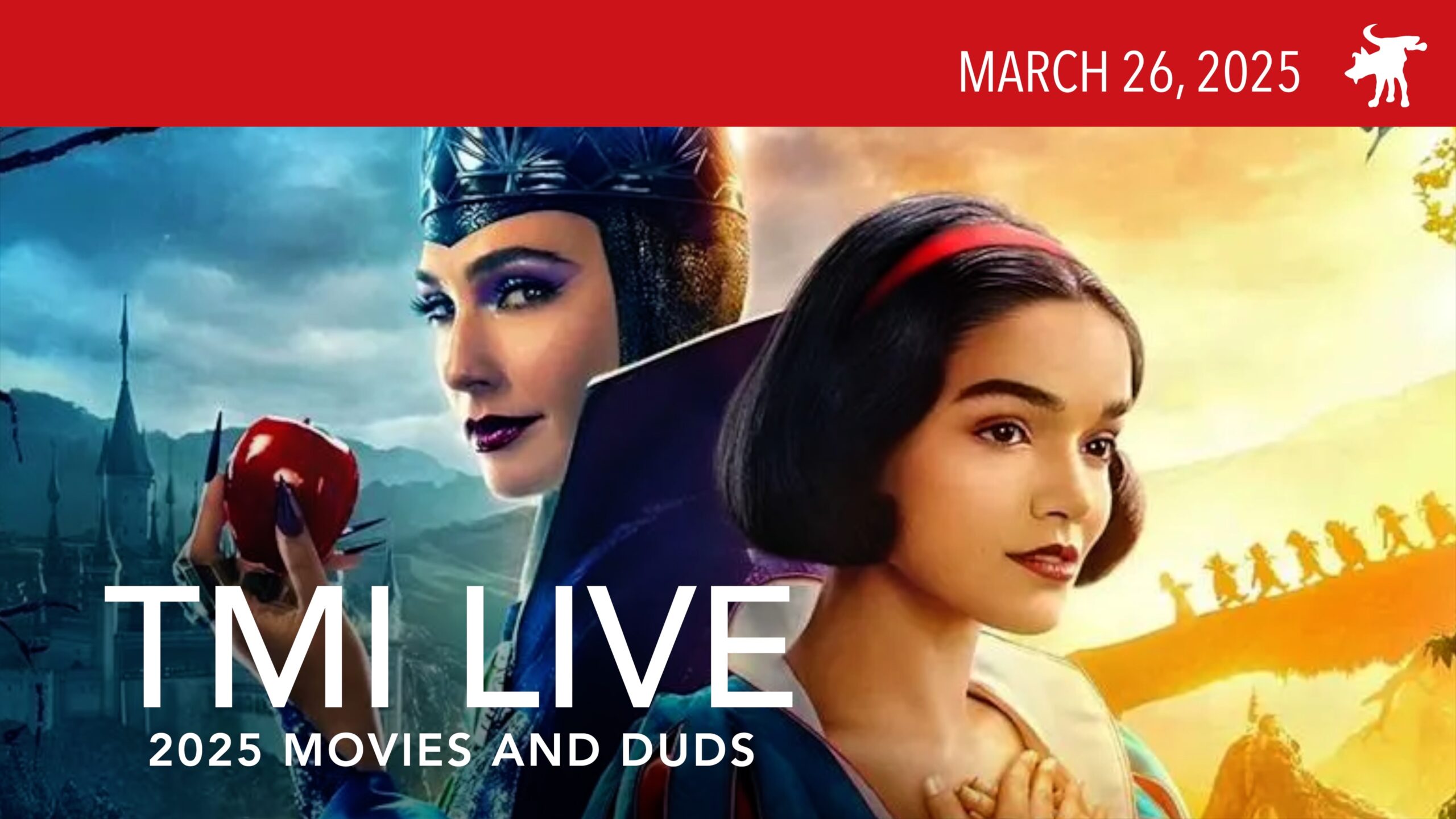
Too Much Information live chat show. This episode we’ll be covering 2025’s most anticipated movies. This video is sponsored by Aura. Stop leaving yourself vulnerable to data breaches. Go to my link https://aura.com/moondog to get a 14-day free trial and see if any of your data has been exposed. Read my notes https://moondogindustries.com/tmi-live-250326/
This brand is one of the oldest motion picture studios. This studio has produced such classics as Gone With the Wind, Ben Hur, Singin in the Rain, Rocky, and James Bond.
THUMBNAIL THIS
WORD OF THE WEEK
“Ars Gratia Artis” Art for Arts sake; a French phrase meaning l’art pour l’art, signifies the belief that art’s value lies solely in its aesthetic qualities and not in any didactic, moral, or political purpose.
This brand known by its initials, was originally Metro-Goldwyn-Mayer Pictures. It has passed through a number of owners and is currently owned by Amazon.
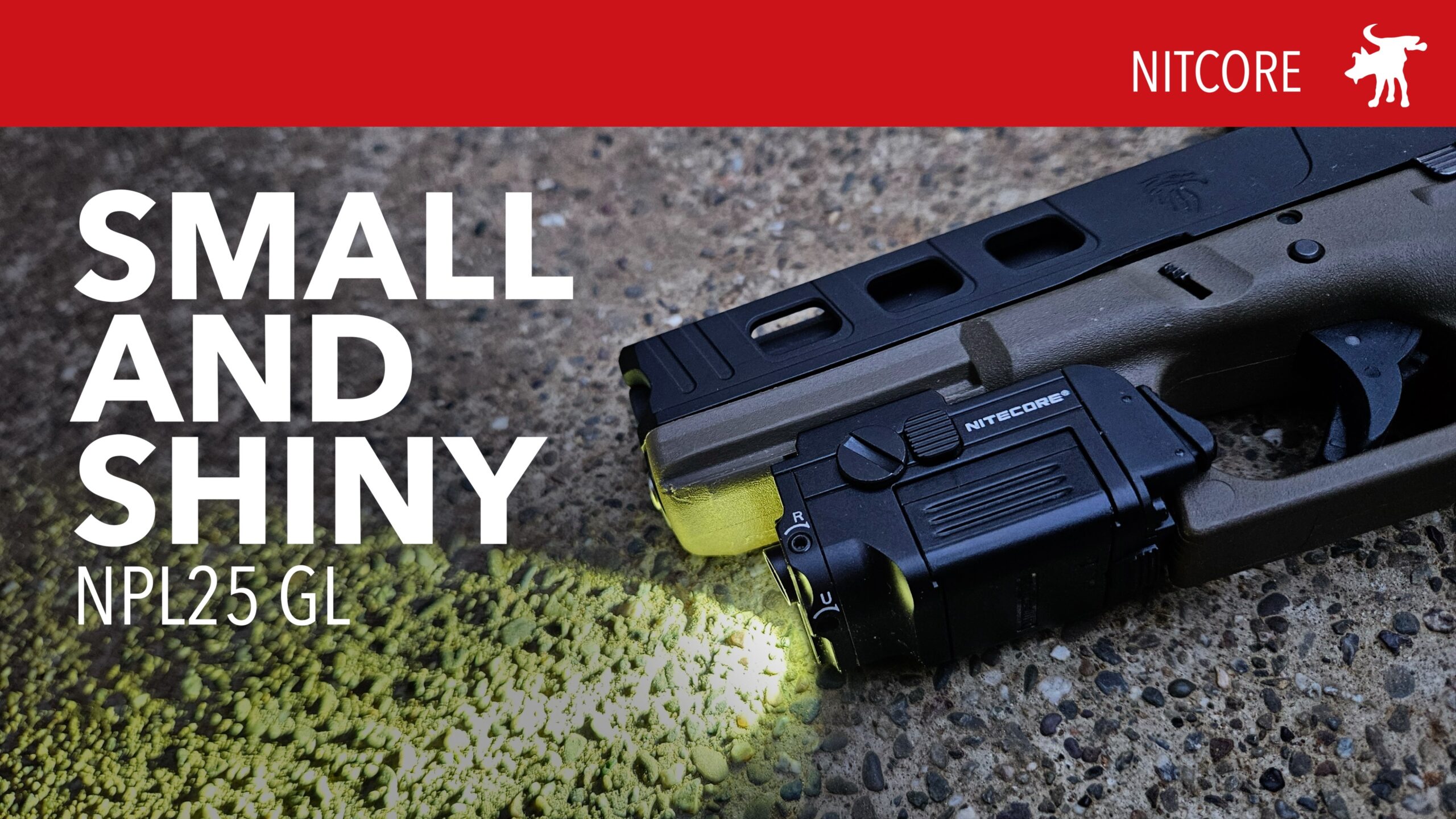
Nightcore’s new NPL25 GL is one of the brightest compact weapon lights available. Its adjustable clamp allows it to be used on a variety of pistols. In my tests, my unit could output a maximum of 825 lumens, close enough to its rated 900 lumens. In addition to its brightness and CCW-friendly size, it also features a laser and removable built-in battery pack.
Its removable battery has LEDs which indicate its charge level. In theory, you could buy extra battery packs to swap out. But replacement battery packs are not available for sale on Nitecore’s website which seems like a huge oversight. A fresh battery pack can run the NPL25 for over 35 minutes in high mode.
My key issue with the NPL25 isn’t the battery pack, but with the proprietary magnetic USB cable used to recharge the pack. Unfortunately, Nitecore did not design the NPL25 to use a USB-C cable or a phone-compatible wireless charger. I spoke to them about this at SHOT Show 2025 and they revealed to me, they will be releasing a USB-C charging station that ships with 2 spare batteries. Problem solved.
NPL25 Max Output: 900 Lumens Max Beam Distance: 255 m Max Beam Intensity: 16000 cd Max Runtime: 0 h 35 m / 0.02 d LED: NiteLab UHi 20 LED Battery Detachable: 500mAh Li-ion Battery Dimensions: 56.0mm x 33.0mm x 32.0mm (2.20″ x 1.30″ x 1.26″) Weight 66 g / 2.33 oz
Athlon Optics is known for making a wide range of high-quality scopes on par with other Leupold, Vortex, and Burris at a more reasonable price. At SHOT Show 2025 the displayed design and packaging updates to their entire scope line. They have enlarged turrets to allow more visible markings, added screw-on throw levers, and added sunshades.
Like Vortex and other brands, I suspect Athlon is addressing competition from new Chinese-built budget scopes like Discovery and Vector, and even budget US brands like Monstrum. Those new brands include high-quality accessories with their scopes such as flip-up covers, sunshades, throw levers, and even scope mounts and rings.
As Dustin said, Athlon has been offering shooters great value, and with these updates, even more so. I look forward to trying out all of these new products in the coming year.