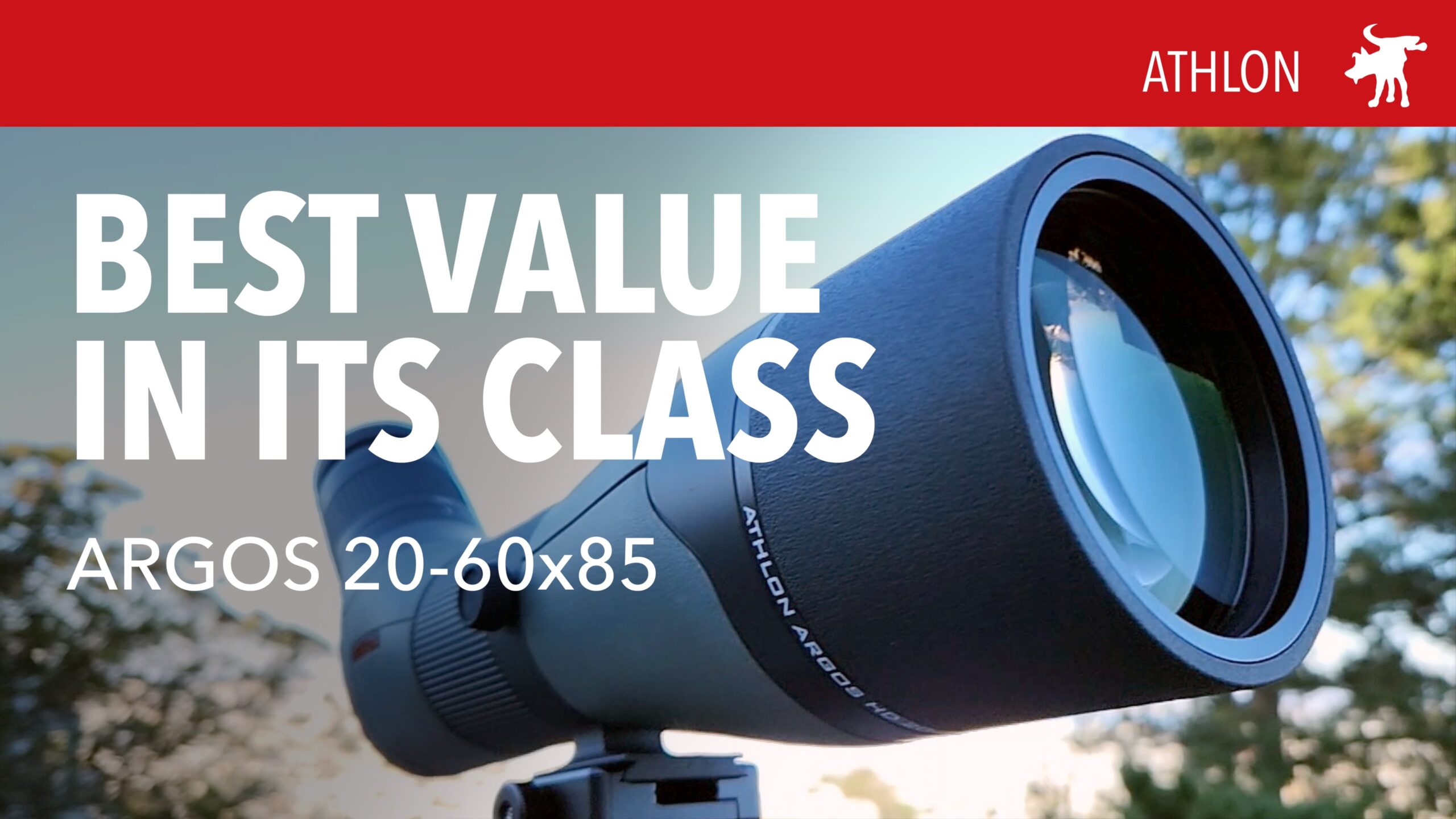
Athlon Argos 20-60×85

Athlon is known for being a top value brand in sporting optics; offering competitive performance at a lower price-point. A year ago I bought and reviewed an Athlon Talos 20-60×65 and found it easily outclassed other budget spotters under $150. This year, Athlon offered me an opportunity to test their next tier up: the Argos 20-60×85.

The Argos package comes with a soft padded scope case that is designed with zippered cut out to allow you keep the case wrapped around the scope even while it is mounting it to your tripod. Hunters and birders are able to move and carry the tripod without disconnecting the scope. With the case ads extra impact and weather protection around their optic when repositioning your glassing location.

The scope is well armored with textured plastic coating around the tube and body. External build quality appears excellent without the uneven seams and fitting found on budget scopes. The kit comes with rubber lens covers which seal almost too well.

The scope comes with an Arca/Swiss compatible 360º rotating mounting color, built-in sun shade and eye-cup. The optics focus ring is a large collar around the whole tube. Its large size allows for both fast and fine focus.

The scope features HD glass and a large yepiece with a 1″-2″ eyebox. Despite the almost oversized eyepiece, its eye relief is a somewhat disappointing ~18mm. At maximum magnification, my eye-glasses touch the eyecup.

Looking through the scope I was pleased with a bright clean image. Glassing objects over 1000yrds I found the image to be slightly less sharp than the cheaper Talos. But at the rifle range, glassing reference target at 100yrds, the resolution of the Argos was as good as scope that cost 2x or 3x more. Only the Argos’ chromatic aberrations, hazy cast and tight eyebox keep it firmly in a Mid-Tier performance class.

But don’t just believe me. Outdoor Life magazine choose the Argos as one of the Top 8 spotting scopes of 2022. While they were underwhelmed by its graininess and lack of brightness, they were still impressed enough to rate it a Great Buy. The Argos is a well built HD spotting scope with decent optical performance with a street price of about $340, which rates it a Great Buy to me too.

Retail Affiliate Link

Amazon https://amzn.to/3Am3wwv

RESOLUTION

Element 6 / Group 0

SPECS

Power: 20-60X
Obj. Lens: 85 mm
Eye Relief: 19.5-18 mm
FoV Angular: 1.9-0.9⁰
FoV ft @1000Y: 102-48 ft
FoV m @1000M: 34-16 m
Close Focus: 39.4 ft
Exit Pupil : 4.2-1.4 mm
Weight: 70.0 oz
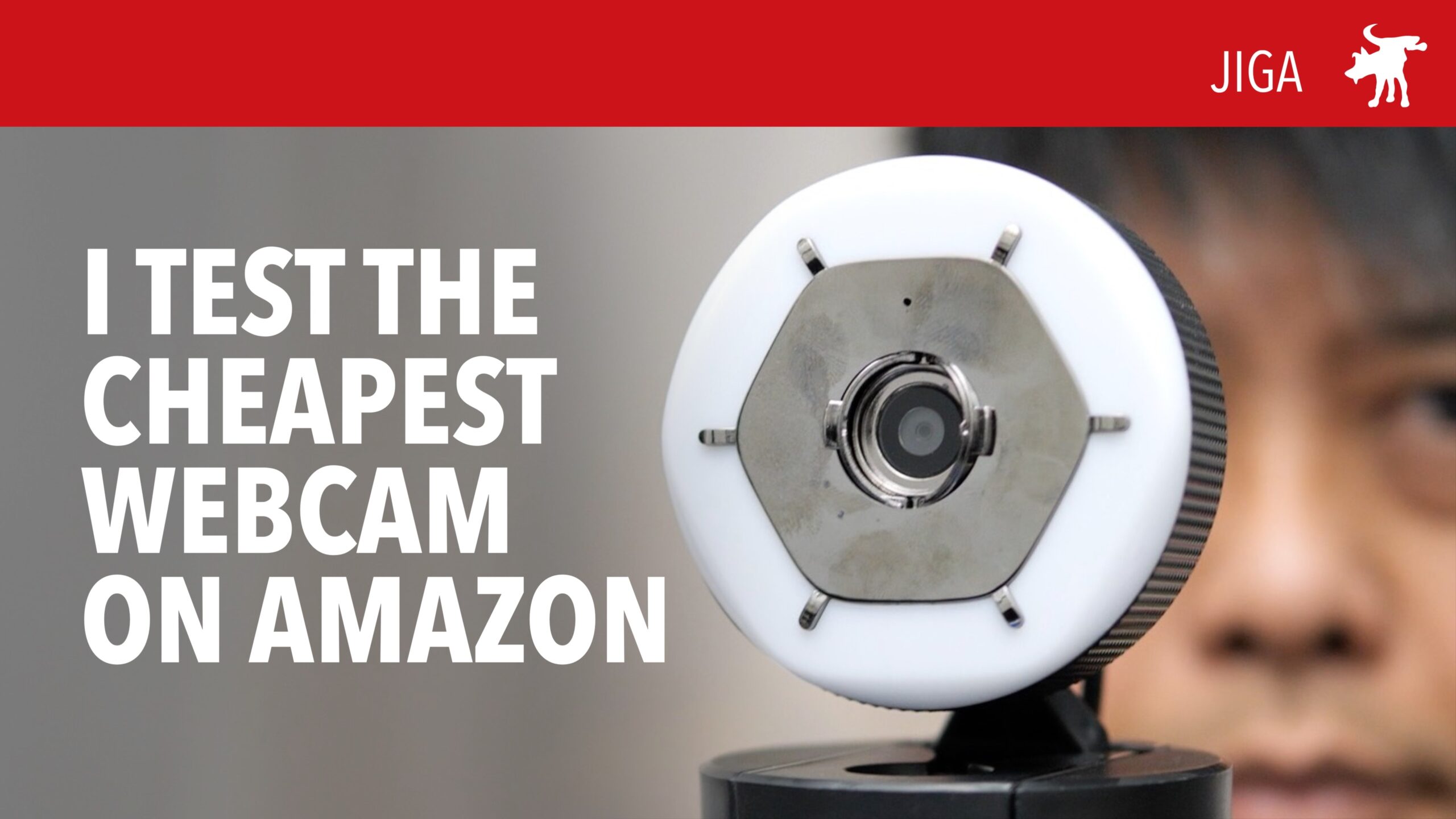



The cheapest 1080p webcam on Amazon

I bought the cheapest 1080p USB webcam I on Amazon. In fact it doesn’t haven have a model or brand name in the description. Looking through the product description and details, I was able to find a connection to a webcam brand named JIGA but even their Amazon product page doesn’t include this particular model. On the box it says is “Stream Webcam 1080p”. On the side, it reads model: WB-203PRO manufactured by Shenzhen Xinchengxin Technology Co Ltd which after a quick Google search seems to be associated with the JIGA brand name.

But I needed a cheap webcam for my upccycled 2011 Mac Mini which uses an old Apple LCD monitor that doesn’t have a built-in camera. Not that built-in camera from 2011 would look that good (I think they were 720p or 720i back then?) My son needed a webcam to group-chat with this friends for a class project, so went on Amazon and found a $12 no-name webcam that was on sale for $9.99; it seemed to have decent legit-looking reviews.

Opening the box, I was surprised at how large this camera first appeared. It is 3″ x 3″ and roughly the size of a hockey puck but twice as thick. The large size accommodates the design of a built in LED ring-light. It was very light but the plastic body felt very cheap or at least what you’d expect for $10.

Around the camera lens are two “eye-lids” which can be pinched closed as a privacy blocker. The webcam doesn’t have a powered-on indicator LED. You can leave the ring-light on low-power as a reminder that it is plugged in and active.

The ring-light is controlled through the touch-sensitive front plate around the lens. A short press changes the brightness. A long press changes the LED color temperature from warm-cool-balanced-off. The color settings didn’t have that much effect on my apparent skin tone and the ring-light was too small and dim to really work to fill in shadows and provide primary illumination.

But if properly and well lit I found the image quality to be surprisingly good and detailed. Using only it’s built-in LED or in low light, the frame rate is noticeably lower with motion blur. In brightly lit settings, the frame rate appears to be less than 30fps and depending on your computer setup the footage you record may be a few frames out-of-sync with your audio.

The camera’s built-in microphone is its worst feature. The sound has low volume and thin. My 2015 vintage Macbook’s built-in mic sounded worlds better than the webcam. I would recommend using a separate headset, analogue or USB microphone when using this webcam for better results. But as I mentioned you may have audio sync issues but for a $10 webcam, its to be expected.

Overall this webcam is surprisingly good for $10 and certainly worth the price. If JIGA or whoever makes this camera were to provide a firmware update to fix the 6-frame lag issue, this would be an excellent budget webcam save for the crappy built-in mic.

This product is available through my Amazon affiliate link: https://amzn.to/3ALaADm

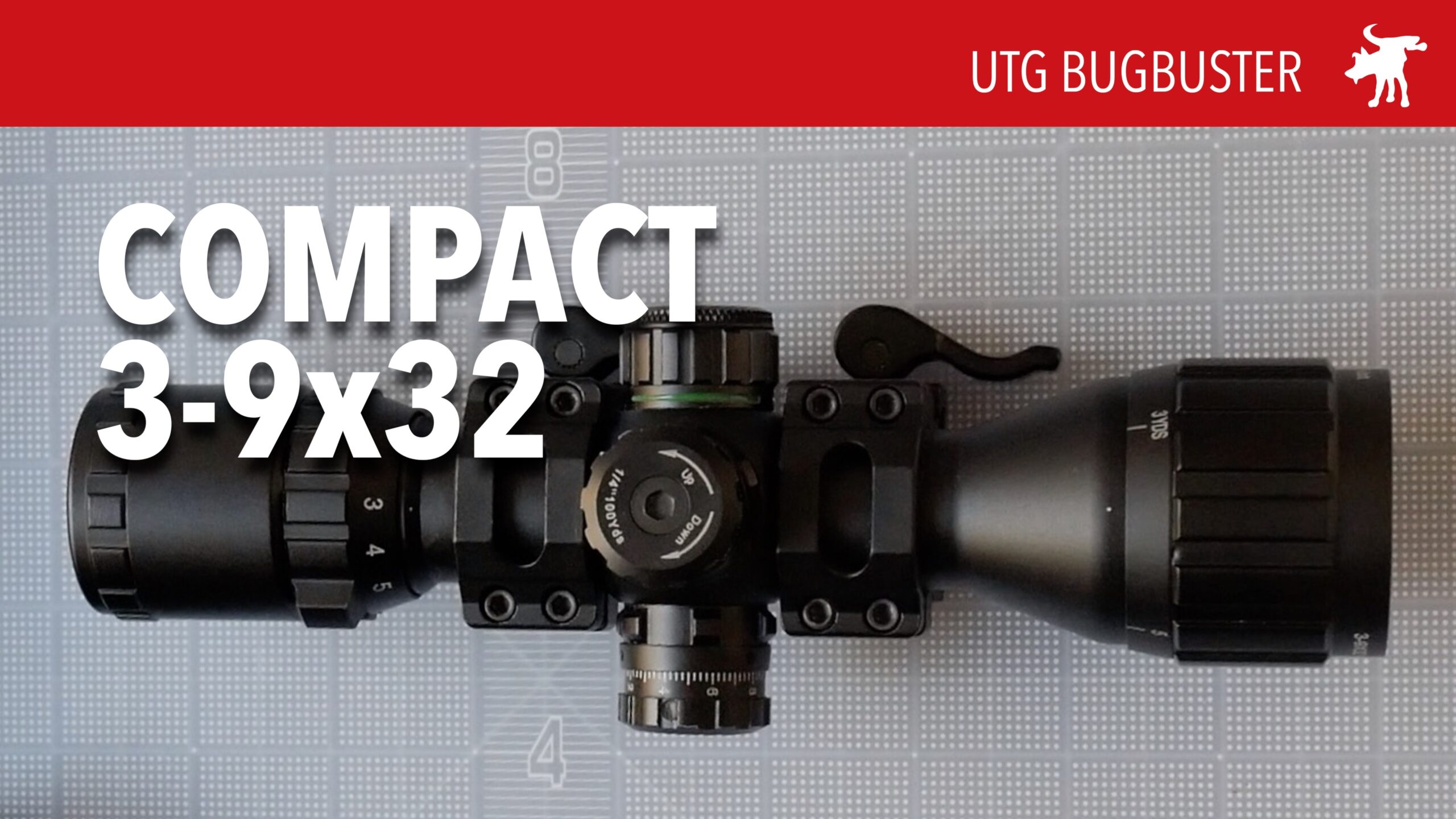
UTG BugBuster 3-9×32

When I bought my Ruger 10/22 TD it came in a neat compact range bag from Ruger that was designed fit both halves of the rifle when disassembled. But I discovered that when I tried to attach a normal sized 3-9×40 scope, not only did it look ungainly large on the rifle but worse still, it would not fit in the Ruger range bag while attached to the receiver half of the rifle. I bought at UTG Bugbuster, which at under 9″ long, perfectly fit on the rear half of the rifle and allowed me to pack it in my Ruger bag.

Up until I testing Leupolds and higher end Vortex’s and Athlons I was perfectly happy with the optical quality of the BugBuster. It had a MilDot style illuminated reticle (though the turrets are set in MOA), adjustable paralax focus, and had lockable exposed turrets.

Optically it is not much better than many no-name or budget Chinese brands under $100. It suffers noticeable chromatic aberrations, milky warm color tint, and isn’t terribly sharp especially around the edges. But it has a decent eyebox and kept it’s zero despite repeated detachments from my 10/22 to test other optics.

For it’s price tier (I bought 4 years before the pandemic) it’s a decent scope. Not great and not the best optically. But if you’re in need of the smallest 3-9x scope its hard to beat.

Available through my Amazon Affiliate link: https://amzn.to/3P39JlS

RESOLUTION
Group: -2
Element: 2

OVERALL RATINGS (out 5)
Build: 4
Glass: 3
Reticle: 4
Holds Zero: 5
Box Test: 5
Turrets: 4
Eye Box: 3
Value: 4


Specs

Magnification: 3-9x

Objective Diameter: 32 mm

Eye Relief: 4.2-3.2 inches

Field of View: 37.1-14 ft field of view @ 100 yds

Tube Size: 1″

Turret Adjustment: 1/4 MOA

Turret Lock: Yes

Zero Reset: Yes

Reticle Style: MIL Dot

Elevation Adj. Range: 110 MOA 32 MIL

Windage Adj. Range: 55 MOA 16 MIL

Adjustment Per Revolution: 25 MOA

Parallax: AOE 3 Yds – Infinity

Illuminated Reticle: Red/Green

Length: 8.11″

Weight: 13.9 oz

Battery: CR1620

Gardencube Hydroponic Grower

San Francisco is famous for its regular layer of moist fog and blessed with a mild year-round climate. Too cool and mild. I’ve tried without success, to grow vegetables and fruits in the backyard. So I was thrilled to be sent a Gardencube hydroponic grow grow system to test and evaluate.

The unit has a built in bank of LED grow lights so you can set it up anywhere indoors, such as a closet, bedroom, or garage. I choose the laundry sink, the darkest place in my basement. For the test, I purchased heirloom tomato, cilantro, and basil seeds and filled up the hydroponic tank.

It took about 3 days for the seeds to germinate (you don’t need to power the unit for that part). I plugged in the unit and activated its built-in water pump and LED lights. It offers options for standard green leaf growth and a lighting option to encourage flowering for fruits and tomatoes.

After 2 weeks of growth I could identify and differentiate the planets. I discovered I had mistakenly planted one too many cilantro and had to cull it and re-planted tomato seeds. The tomato plants grew the fastest, the basil the slowest. After 3-4 weeks, though small, cilantro and basil could be harvested, one leaf at a time.

Even after only a few weeks, I can confirm the Gardencube works as a hydropnic growing device. It remains to be seen if the small grow pods can provide enough of a base to growing full-sized plants that can be harvested year round. And of course it remains to be seen if my tomato plants will actually bear fruit (I’m not sure if they pollinators?)

For those interested ingrowing other planets, such as the kind you can smoke or ingest for recreational use. I don’t have any experience to share with you. But for growing temperature sensitive vegetables; it works.

Purchase on Amazon through this Affiliate Link: https://amzn.to/3TNix1f
and help support us.

Oneleaf NV100 Night Vision

Night vision (light enhancing) scopes have been used by hunters and soldiers since the Vietnam War but even today these devices can cost thousands of dollars. With progress of technology, these devices have shrunk in both size and price. The Commander NV100 is a digital video camera that is designed to mount directly onto a typical rifle scope and turn it into a night vision scope. Oneleaf technologies sent me an NV100 to test out.

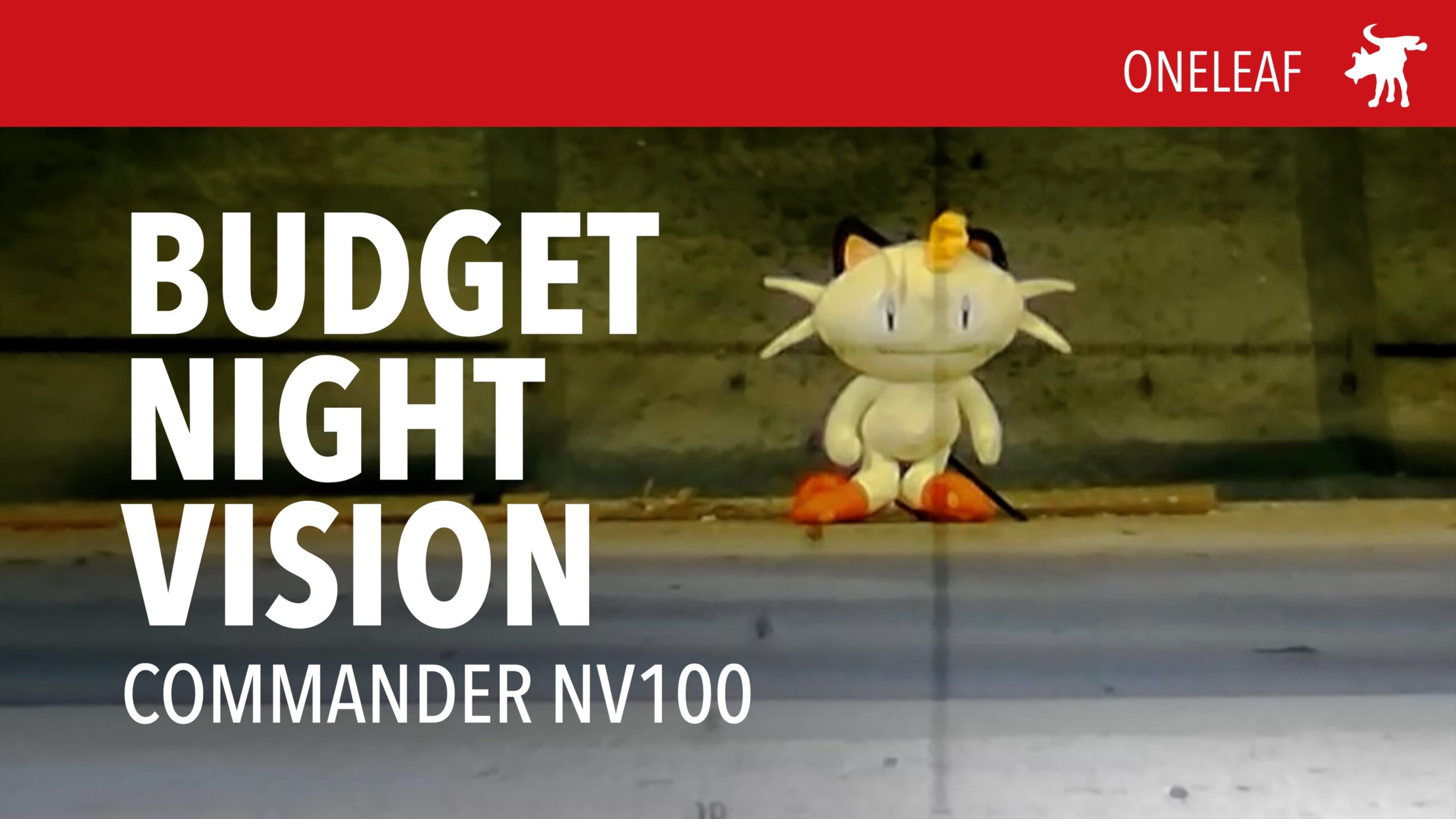
Almost all digital video cameras can see in IR light but most have a built-in optical filter that block out most IR light which can distort and fog an image in normal light. Using the NV100, you are looking at its built in digital display viewfinder much like you would with an old-school video camera. In fact, when using the NV100 in normal light, the image looks slightly blown out with a glow on objects, a side-effect of IR light.

The NV100 can record 1080p videos and photos onto a micro-SD card. It runs of a rechargeable CR18650 battery which can be recharged using a micro-USB cable. The unit can also record sound and output though a 3.5mm headphone jack, though the audio sounds compressed and low fidelity.

In practice the NV100 is equivalent to a Gen 1.5 night vision monocular. To a small degree it can passively enhance low-light images but in reality, it does require IR illumination to function as intended. The unit has a built-in IR illuminator and visible red laser to light up and aim at targets.

The NV100 can be used as a hand-held Night Vision monocular. It has a standard 1/4(20) camera screw mount at its base to allow the unit to be mounted on photo tripods. OneLeaf does not offer any type mounting system or adapter to attach it to a helmet or headband.

Where the NV100 shines is its ease of mounting to a rifle scope. The packing includes a 42mm, 45mm, and a 48mm adapter collar to allow you to mount it to your scope (some spotting eye-pieces may be too large even for the 48mm adapter). The NV100 attaches to the collar via bayonet style locking ring; the package also includes a roll of electrical tape to assist in shimming your eye-piece to provide a more secure fit for the adapter collar.

When mounted to a rifle scope, the image you see in the NV100 appears like a low-resolution videocam viewfiender. The unit’s menu system is accessed through the viewfinder and the buttons on the unit function like a D-pad for navigation through the menu system. Adjustments in focus are made through the NV100 large physical focus knob.

I could get a decent focus of an object 100yrds away but I could not get both my target and the reticle in the same plane of focus, despite adjusting the scope’s paralax focus, ocular focus, and the NV100’s focus. I could get both somewhat in focus at my scopes lowest magnification (4x) but found it impossible at magnifications greater than 6x.

I was easily able to see objects 100yrds in low light and even faintly in pitch-black in its full-color video mode. Switching to B&W mode activates the unit’s built-in IR illuminator, an IR LED flashlight with a lens that allows you to adjust the beam from flood to focused. Oneleaf claims it can illuminate objects up to 300m away.

In B&W IR mode, the issues with depth-of-focus were even more pronounced. The reticle was blurred to the point of invisibility when my scope was at 20x magnification. Given that IR illuminators are far shorter range than visible light flashlights, long range engagements using a scope and the NV100 may be a moot point though some users have posted varmint hunts at ranges out to 200yrds or more.

The NV100 does have two shortcomings, the first one is a potentially a deal-breaker for some hunters. In my testing the NV100 has a short 1.5″-2″ eye-relief from the back of its eyepiece (OneLeaf claims up to 2.75″). This is fine for shooting 22LR or even 5.56mm AR’s. But on a large caliber rifle this short eye-relief could easily cause scope bite. OneLeaf does include some larger eye-cups which could provide more padding but a real solution would be to design a viewfinder eyepiece with a minimum of 3″ of eye-relief.

The second issue is minor but annoying. The image the NV100 displays is distorted, with the vertical proportions appearing shorter than the horizontal giving you a squashed image of your target. This is also evident in the movies and photos you take with the NV100.

Overall the Commander NV100 works as advertised without breaking the bank (though the latter is relative the cost of higher-end NV systems costing hundreds more). On my wish-list of improvements would be a firmware update to allow adjustment of X/Y proportions of the image, a lanyard loop to attach a wrist or neck lanyard for handheld use, and an adapter arm to attach it to a GoPro or PVS-14 mount.

The OneLeaf Commander NV100 is available through this Amazon Affiliate link: https://amzn.to/4kMPrO6

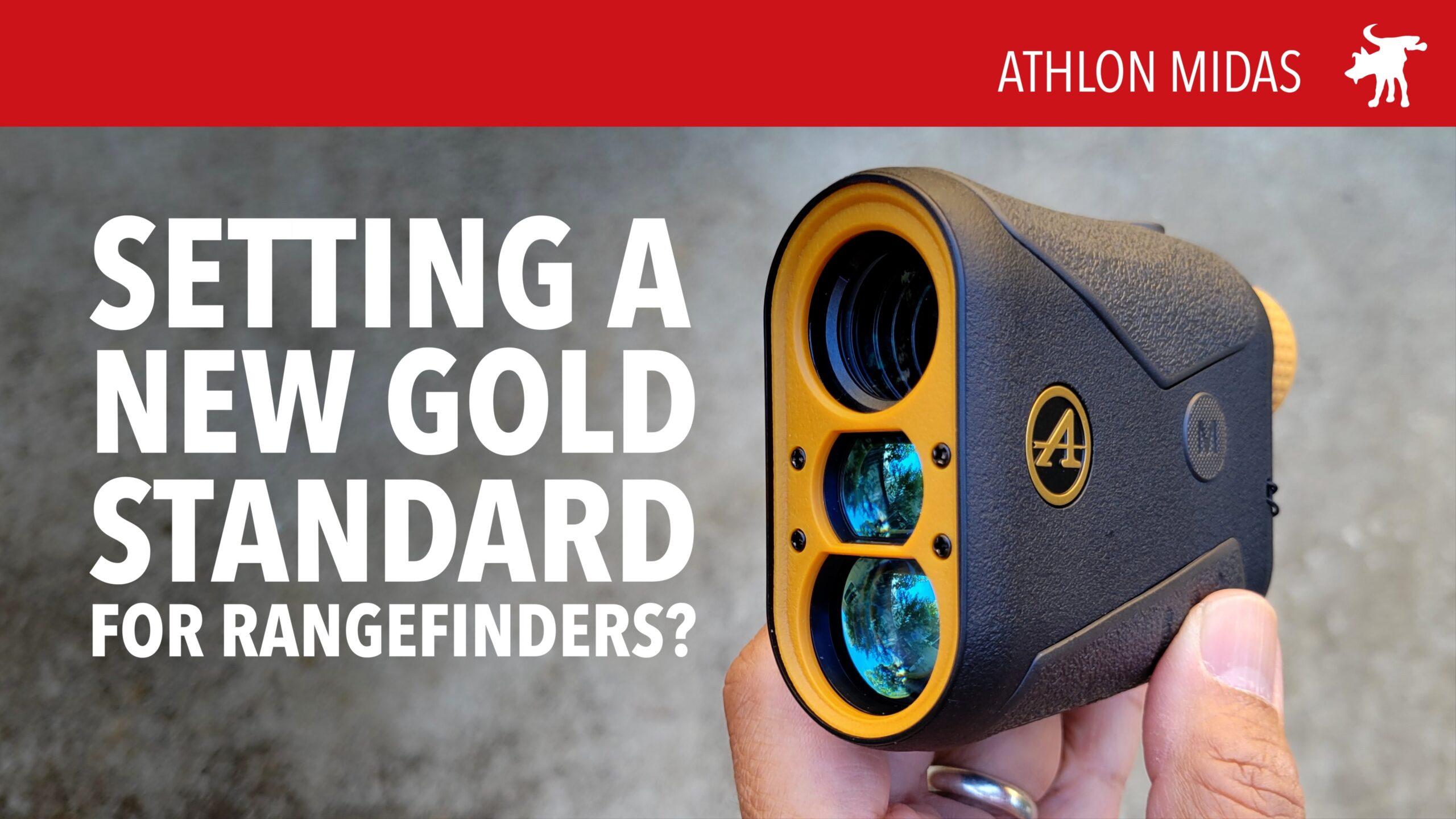
Athlon Midas 1 Mile Laser Rangefinder

Years ago I bought a cheap $50 golf laser rangefinder. It does the job, measuring distances out to 500-600yrds but I’ve always envied the hunters and shooters who had laser rangefinders that could call out distances to +700 yards. That’s why I was excited when Athlon sent me their Midas 1 Mile Laser Rangefinder to test out. And I’m sure with the start of hunting season in much of the country, others are eager as well.

My first impression of the unit was that it felt lighter than my golf rangefinder, while feeling far more solid though both have plastic bodies. The Athlon has a textured brown body with thicker rubberized panels at your handholds to provide a more secure grip with wet hands or wearing gloves.

The viewfinder has a fixed 6x power magnification. Sadly not to the level of Athlon’s 6x scope optics but par for the course for a range finder (or a dirt-cheap budget binocular). The image is clear-ish and I was able to differentiate car sized objects about a mile away.

The unit comes with a single CR2 lithium battery housed in a battery compartment with a coin slot screw cap. The cap has a rubber o-ring to keep it water tight. The manufacturer claims it is “rain resistant” which means it is not “water proof” or submersible. But remarkably it is covered under Athlon’s No-Fault Lifetime Warranty.

The menu options are visible through the viewfinder in a projected display. You can choose measurements in meters or yards, and it has a golf or hunting mode (the later displaying the distance in a furthest of target in a group). The unit can also be set to display vertical, linear, and horizontal distance to your target.

Available on Amazon through my affiliate link: https://amzn.to/3f9b12D