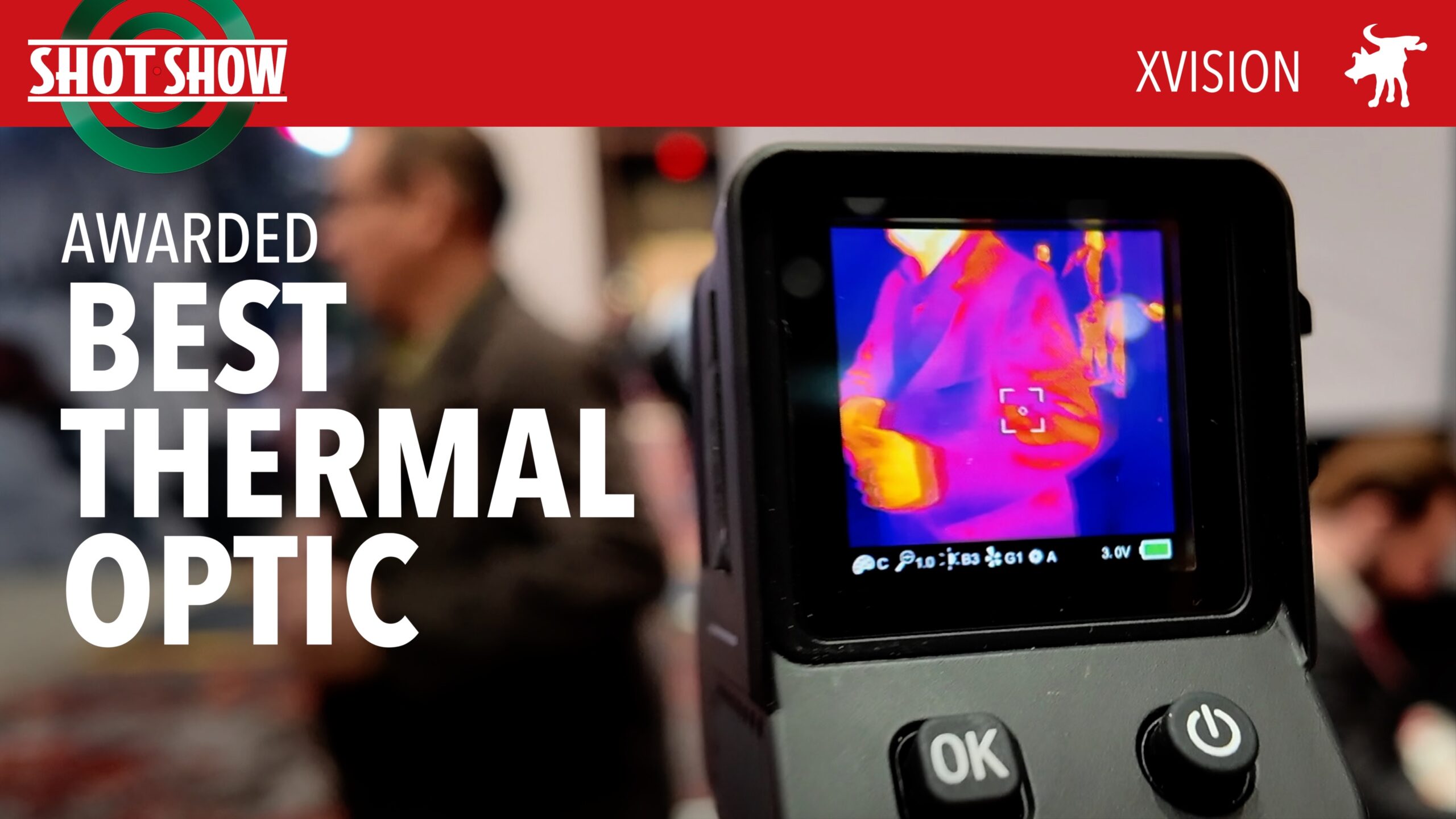
XVision specializes in digital optics. At SHOT Show 2025 I got a chance to see their Flex series of compact thermal scanners and sights. The Flex2 won Outdoor Life’s “Best Thermal Optic” award because of its high resolution and compact size. These thermals ran from $2500-$3000 MRP, but what caught my eye was their Shadow 100 night vision scanner because it has an MSRP of $149.
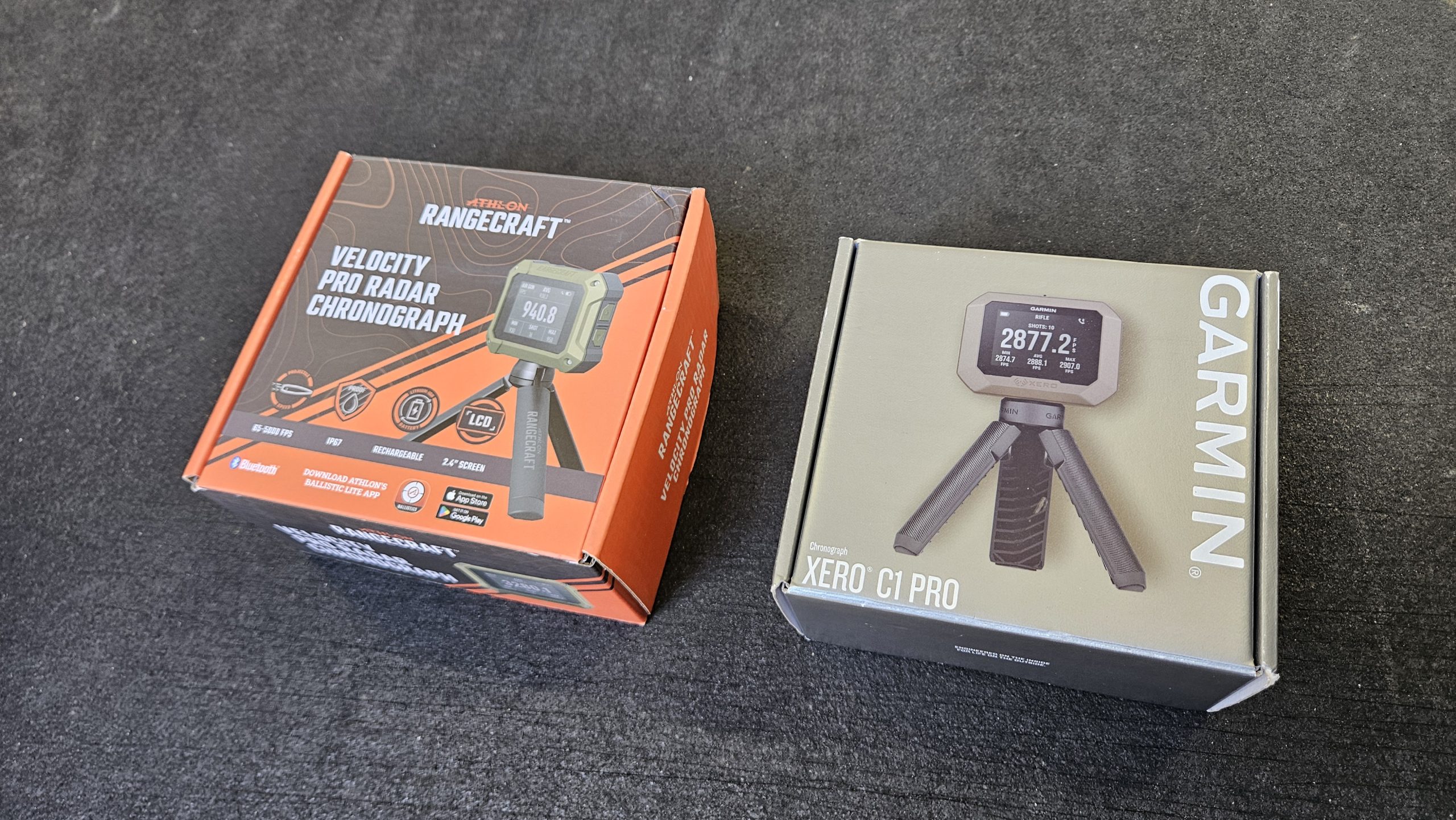
Back in January, I got a chance to see a pre-release sample of the Rangecraft Velocity Pro at Athlon’s booth. Athlon had planned to release the Velocity Pro in early April for a price of $350. Unfortuantely, nobody knew that the Trump Administration would be imposing over 100% tariffs on Chinese made products. Nor that this would cause widespread parts and shipping delays.
Some folks online were posting negative comments about Athlon, butthurt because the chrono didn’t ship in April and the price had gone up to $399; which is only about 10%. Retailers started getting their shipments at the very end of April and customers were getting their orders in the first week of May. I was pleasantly surprised to get a Velocity Pro from Athlon to test this early on. Often when a company has such high demand for a new product, they skip the gun-tubers until after they get their 2nd or 3rd shipments fromt he factory.
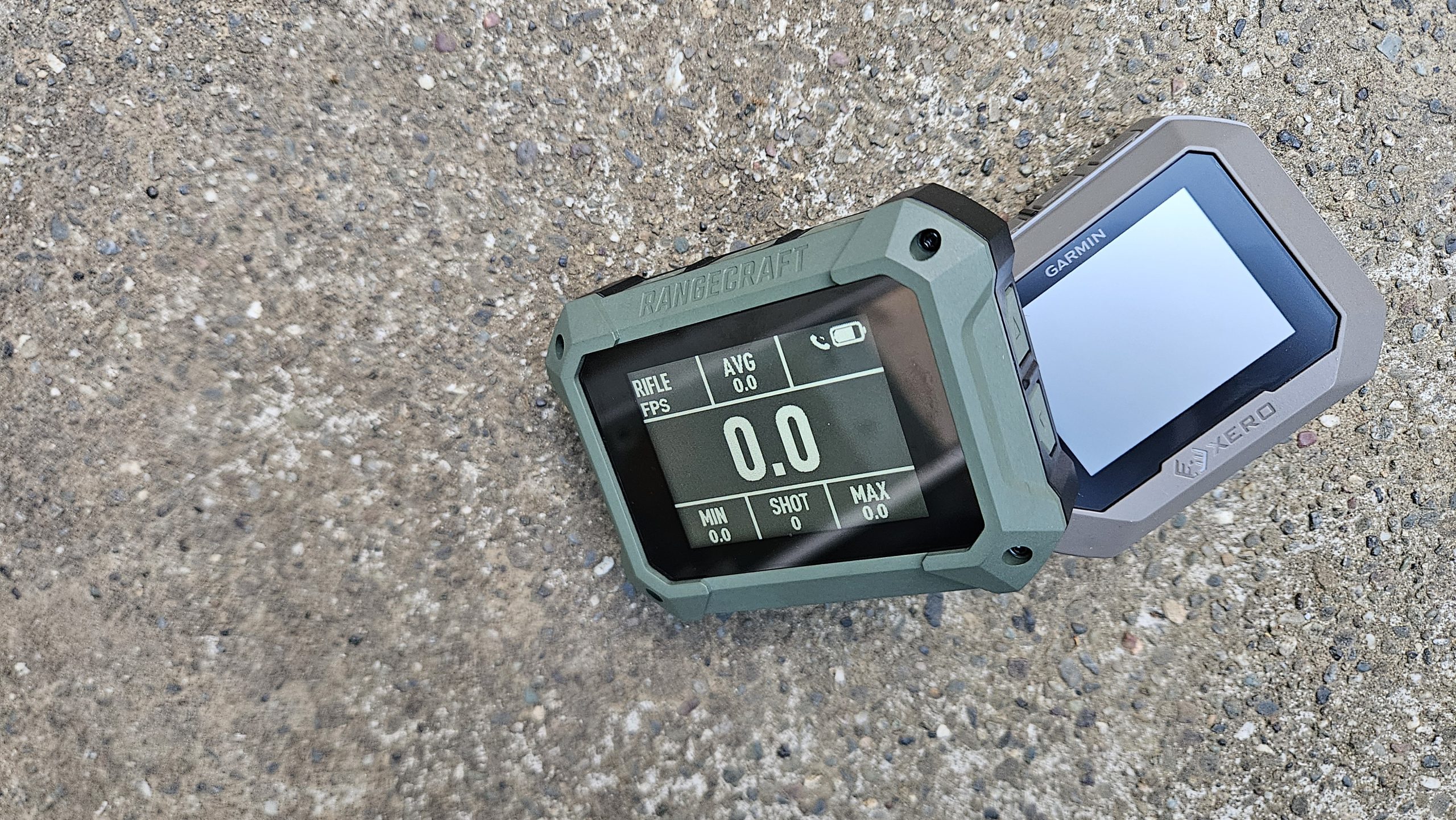
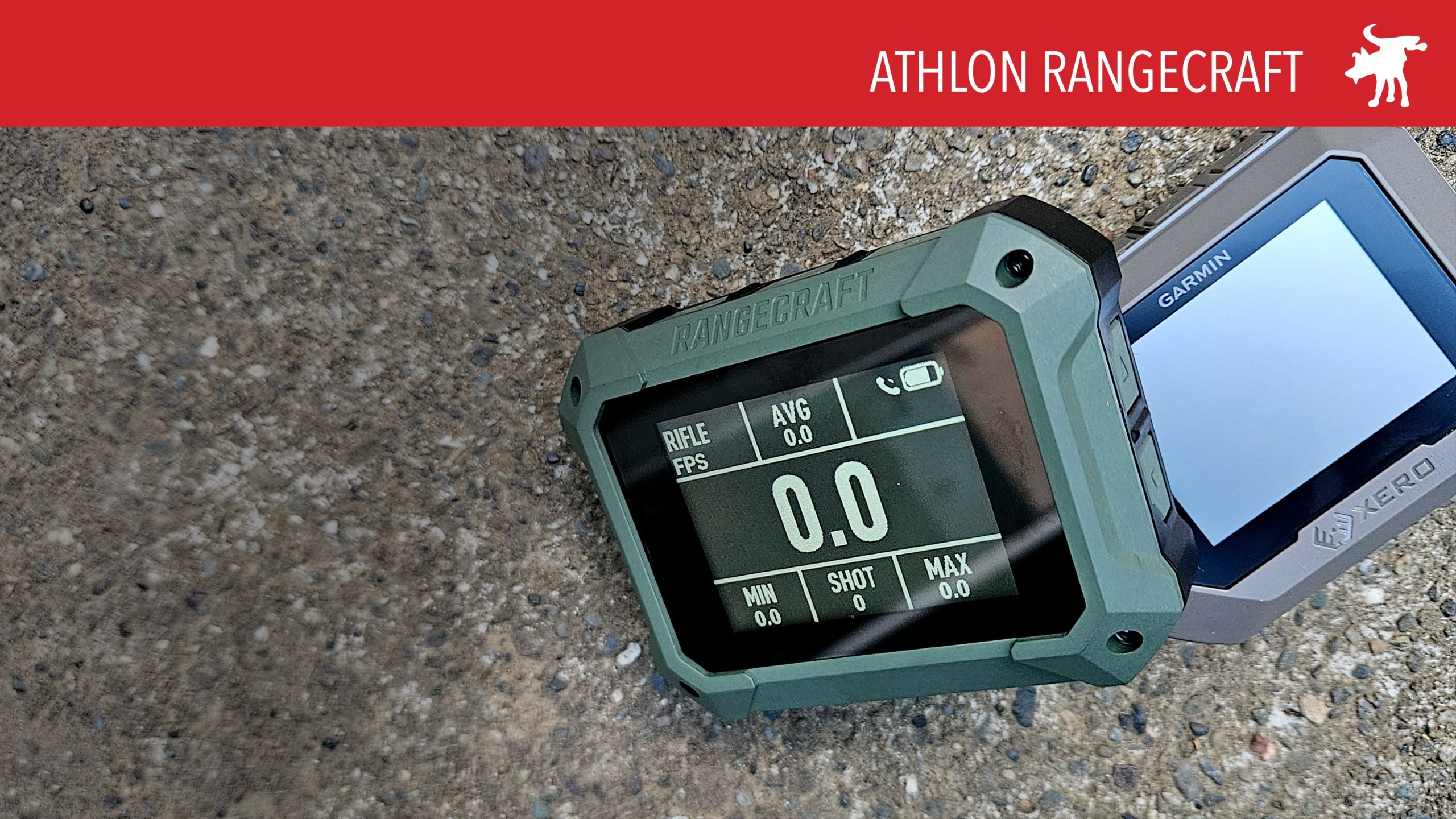
The Velocity Pro looks strikingly similar to the Garmin Xero. It is slightly larger in size with a slightly bigger display screen. The Velocity Pro has 2 additional control buttons on the top and has its menu arrow buttons on the side of the unit. Its physical dimensions are only slightly larger than the Xero and it also has a slightly bigger and brighter LCD screen. The Velocity Pro’s tripod base is heavier providing a more stable platform against high winds.
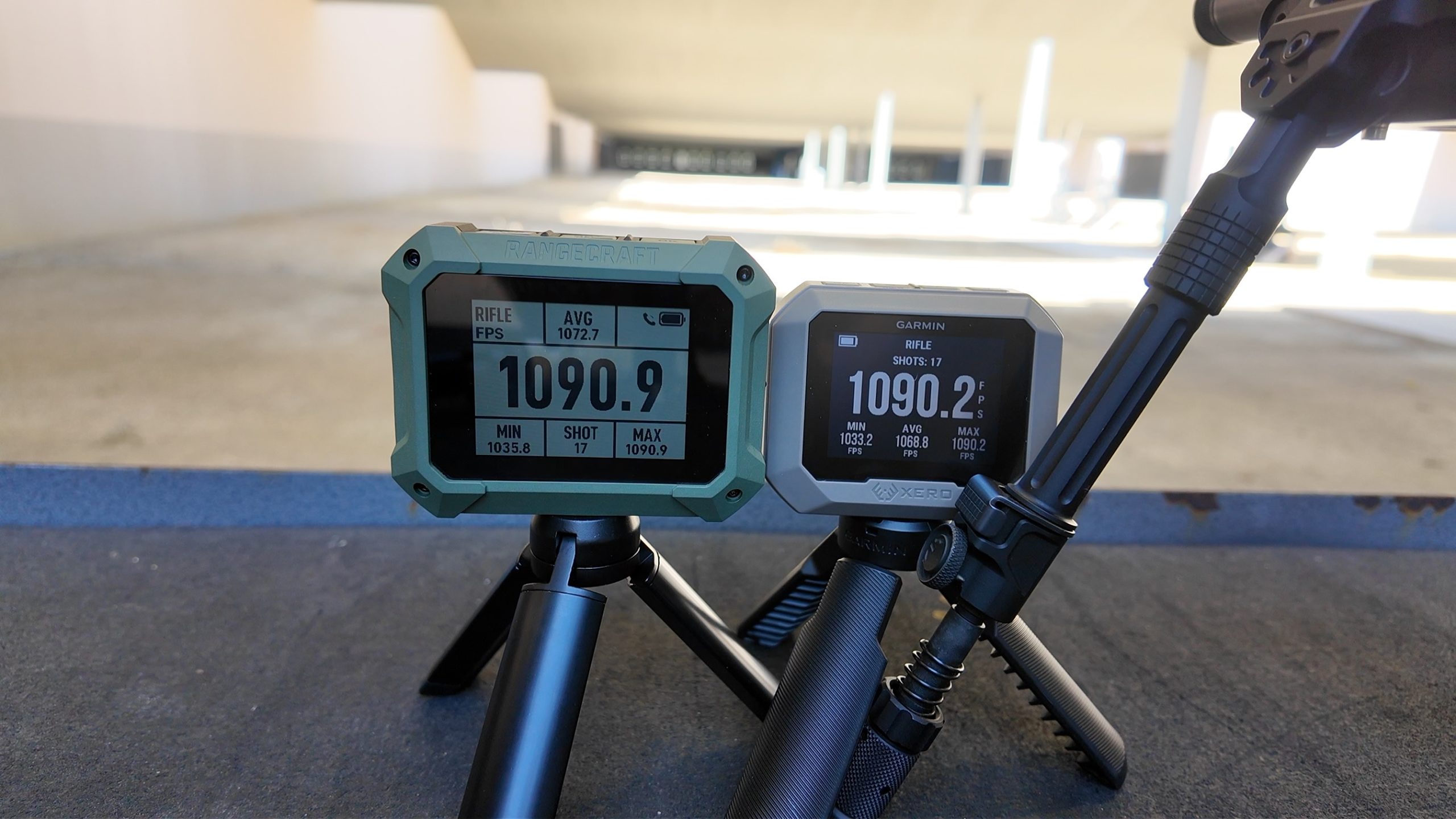
Comparing the two at the range, the Velocity Pro showed slightly faster readings on average to the Xero. The difference between the two chrono’s was less than 1% which is neglibable. While testing a pistol shooting in rapid fire, the Xero could not keep up with the Velocity Pro. The Xero would miss recording shots if there was less than a 1.5-2 second delay between shots. The Velocity Pro’s more reliable sensors, better menu layout and contols, and with less than a 1% difference in readings made the Rangcraft the better chrono.
Too Much Information live chat show. In this episode, we’ll be talking with Gizzard Gary, a retired nuclear power IT specialist, turned YouTuber https://gizzardgary.com/. This video is sponsored by Aura. Stop leaving yourself vulnerable to data breaches. Go to my link https://aura.com/moondog to get a 14-day free trial and see if any of your data has been exposed. Read my notes https://moondogindustries.com/tmi-250514-gizzard-gary/
This company is one of the largest corporations in the US. It traces its origins to 1889 and Thomas Edison; this company was one of the first electrical energy utilities in the US. This company has “electric” in its name. Since 1955, it has been the largest builder of nuclear power plants in the US.
THUMBNAIL THIS
DOWN THE RABBIT HOLE
SPECIAL GUEST Gizzard Gary Is a native of Burlington, Kansas (population 2,593); born and raised. He retired after 42 years working at the nuclear plant near Burlington, and started his YouTube channel in 2017. His channels include Gizzard Gary, Gary Reviews, Boomer Listens, and hosts a weekly livestream Fowl Territory.
CONTESTS
Brand Clue: Helmed by legendary and notorious CEO, Jack Welch, this company was one of the most profitable corporations in the 1990’s.
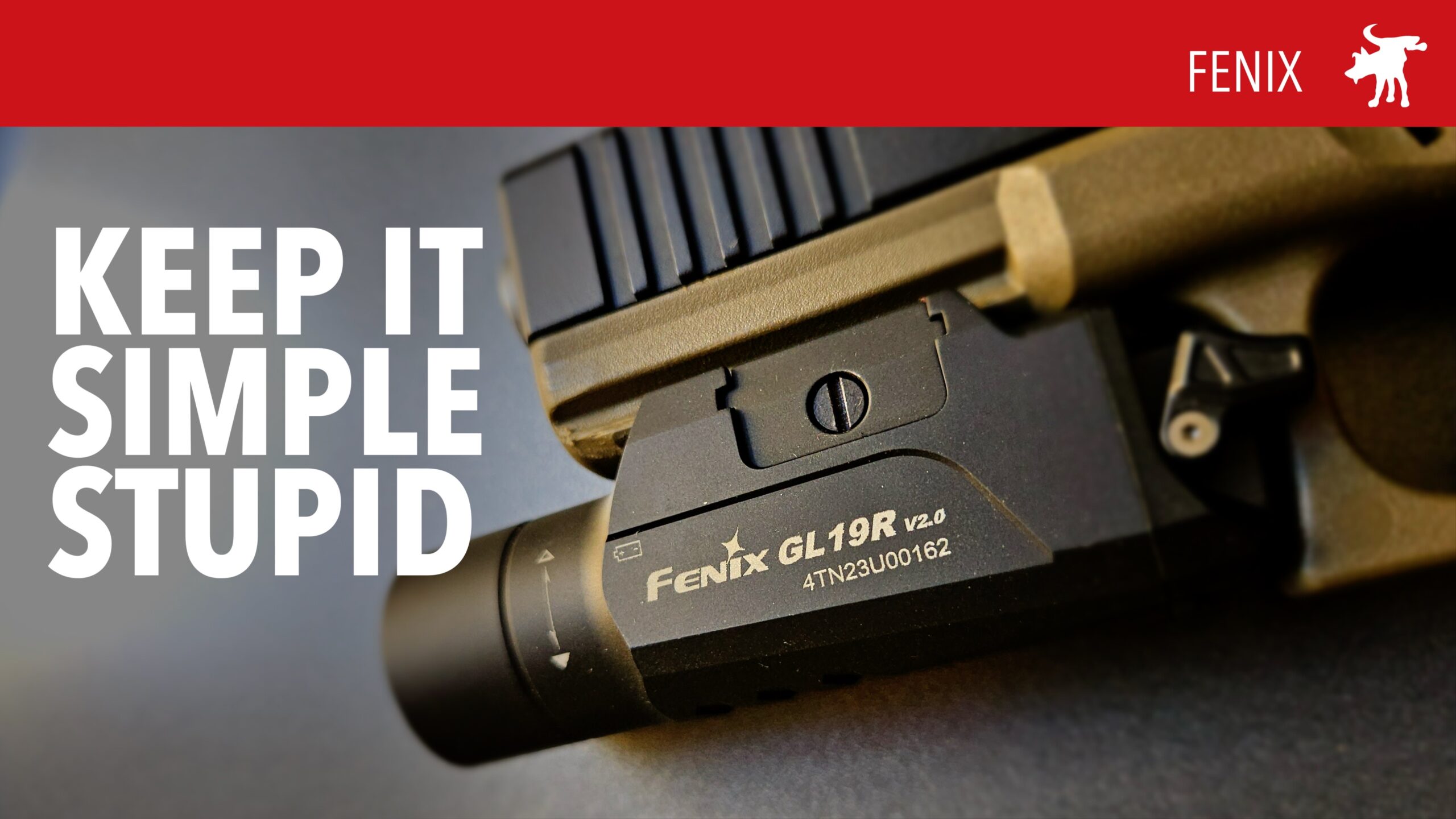
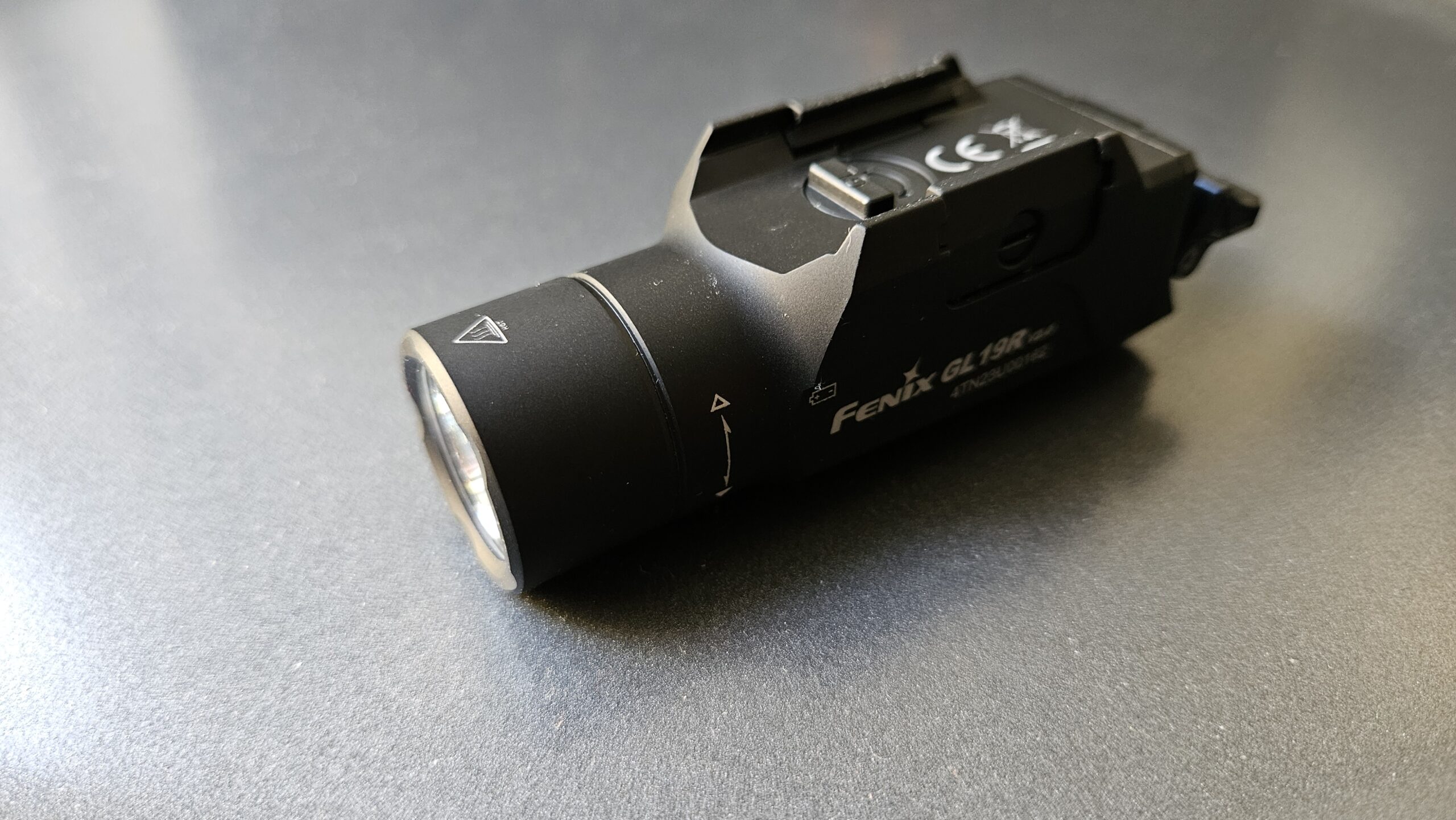
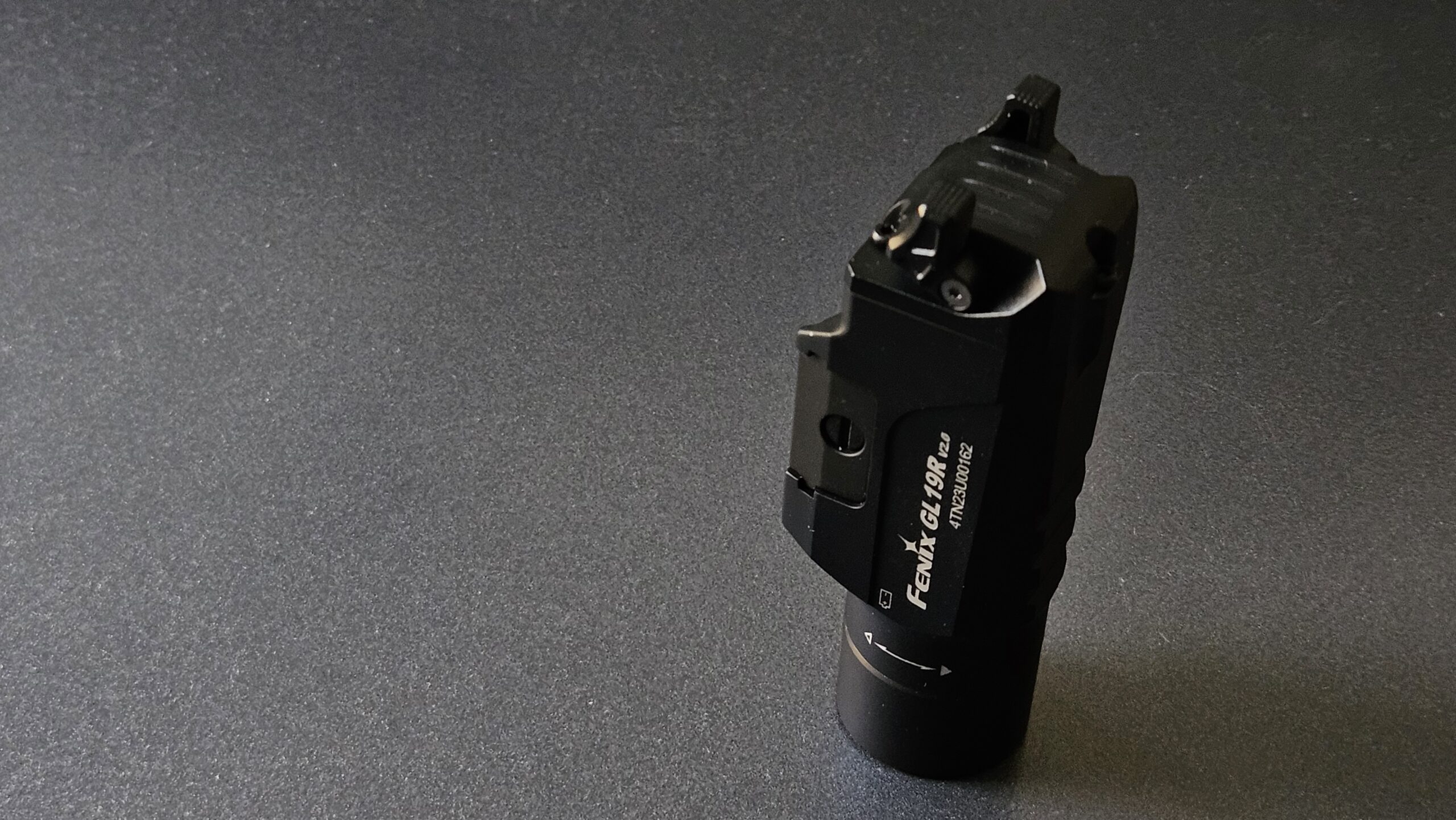
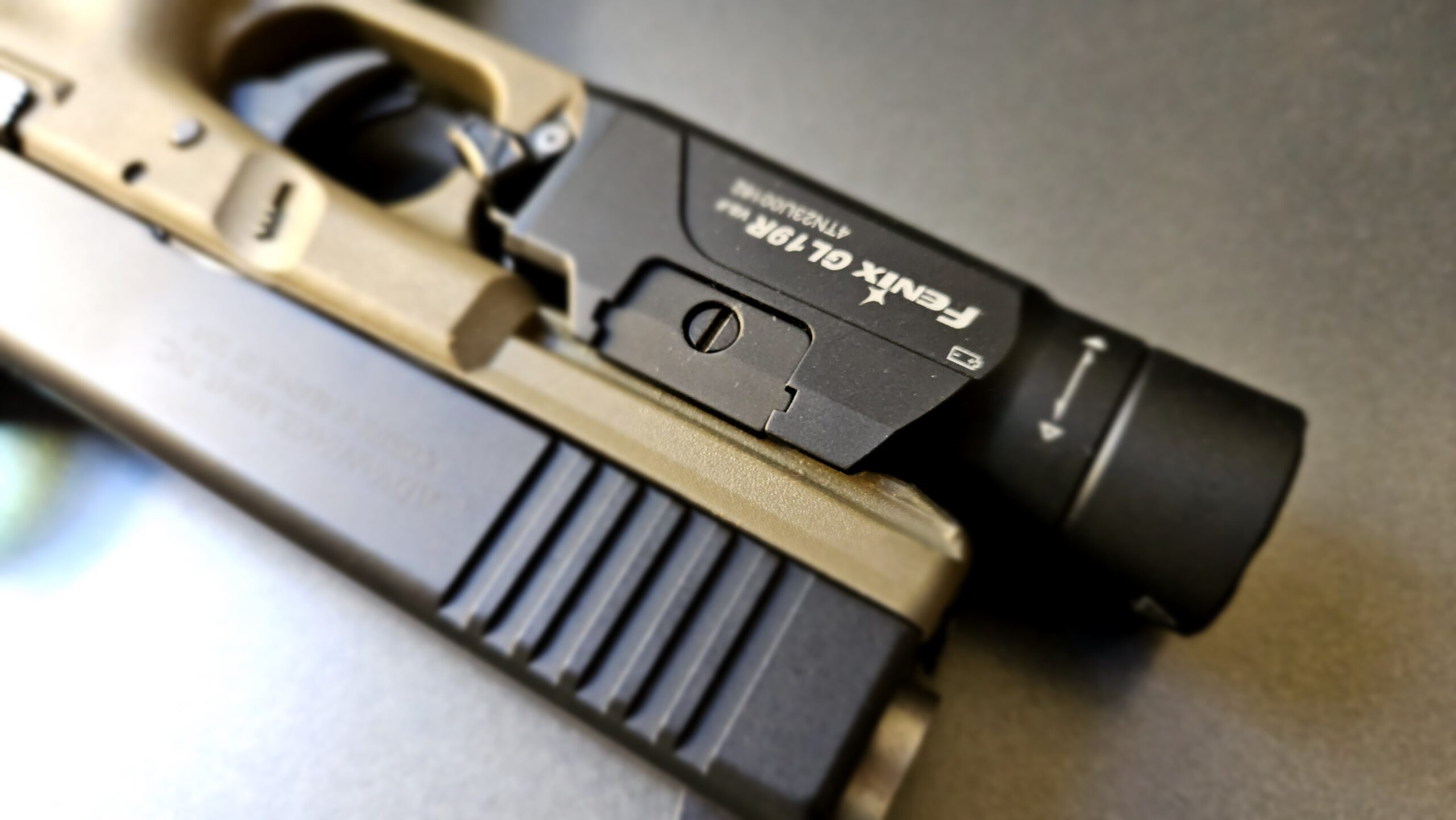
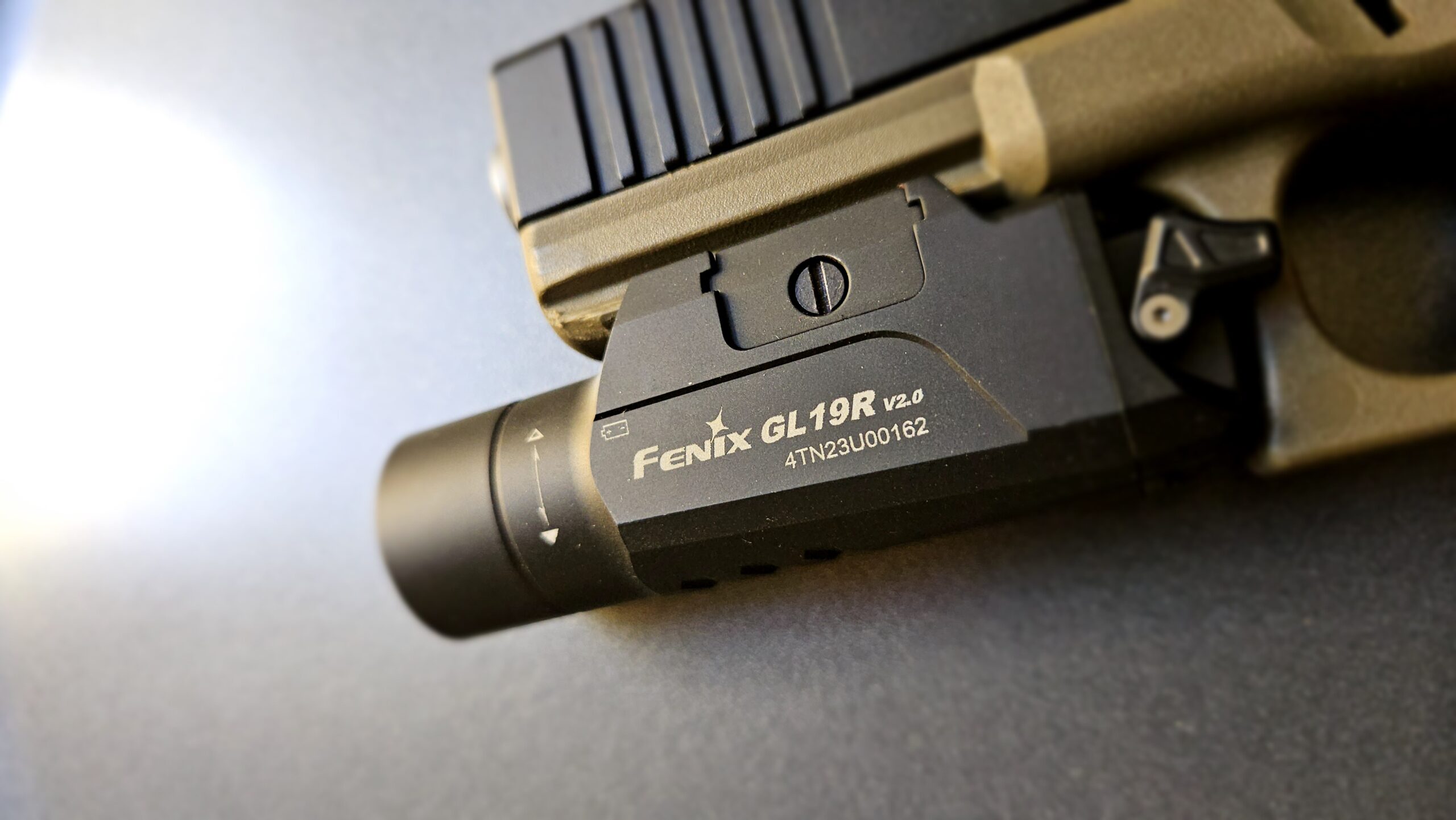
At SHOT Show 2025 Fenix showed me the update to their super bright 1200-lumen GL19R weaponlight. Fenix listened to user input and created the 2.0 following the principles of K.I.S.S. Not Rock-n-Roll all Night and Party Everyday, the other one: Keep it simple, stupid.
The GL19R 2.0 does away with the strobe and changeable brightness output. No fussing around with different modes or accidentally activating one. You get either Turbo (1200 lumens) or off.
The controls have been changed to mechanical finger-activated levers, which can either be flipped to constant on or pressed for momentary. There’s no fussing with the micro-seconds of pressure to activate momentary vs. constant. Moreover, Fenix includes 3 different levers with different lengths and heights. Finally, Fenix added a quick-release lever and innovative, tool-less adapters to use the GL19R 2.0 for either Picatanny or Glock rails.
The GL19R 2.0 retains the CR18650 battery which can be charged internally via a USB-C cable. Sometimes less is more. In the GL19R 2.0 having fewer brightness modes makes for a MORE reliable weaponlight.
I stopped by the Fenix booth at SHOT Show to see Fenix’s new offerings for 2025. I tested the GL19R last year and found it to be a reliable and bright weaponlight. This year, they showed me the GL23R with its new mechanical control switches and the new v2 GL19R with the same switches.
Too Much Information live chat show. In this episode, we’ll be talking about buying gold and silver to diversify your assets and SHTF with Mark Damsetter. This video is sponsored by Aura. Stop leaving yourself vulnerable to data breaches. Go to my link https://aura.com/moondog to get a 14-day free trial and see if any of your data has been exposed. Read my notes https://moondogindustries.com/tmi-250507-gold-with-mark/
EARLYBIRD Clue: This gold coin is known for the image on its opposite “tails” side.
THIS WEEK
Moondog2A
Moondog Reviews
Moondog Go
NAME THE BRAND CLUE
It is the name of the Apollo 11 Lunar Lander in which Neil Armstron and Buzz Aldren were the first to set foot on the moon.
THUMBNAIL THIS
DOWN THE RABBIT HOLE
The volatile stock market. Gold and precious metals
Hedge against inflation
Diversification
SHTF
SPECIAL GUEST Mark Damsteter Retired from Finanance and Accountant. Grew up in Buffalo NY. Served in the US Airforce. Is an avid coin-collector since he was a kid and through that got into Gold and precious metals.
CONTESTS
Brand Clue: This is the mascot and symbol of the United States. These are the largest birds of prey in North America.
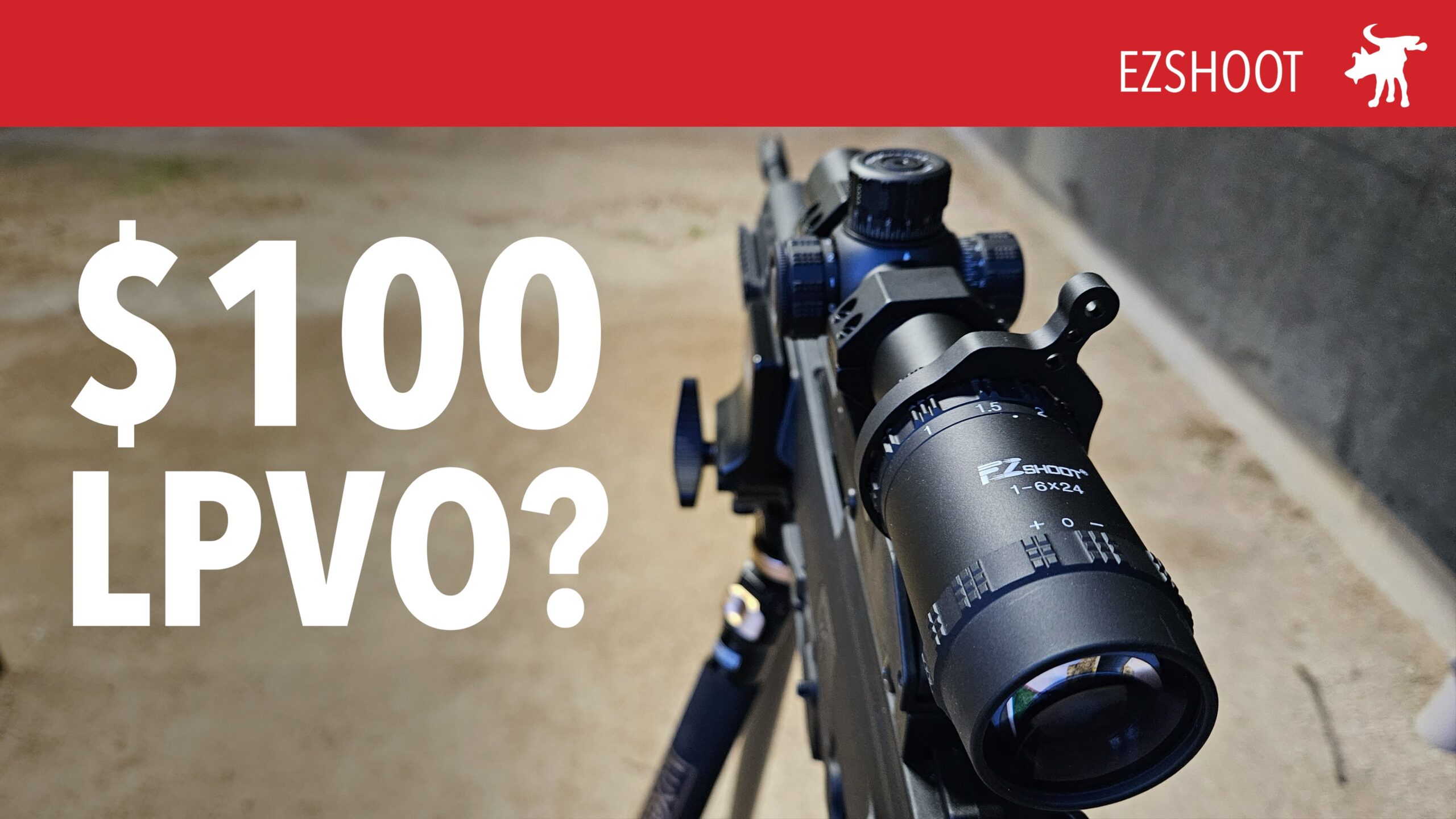
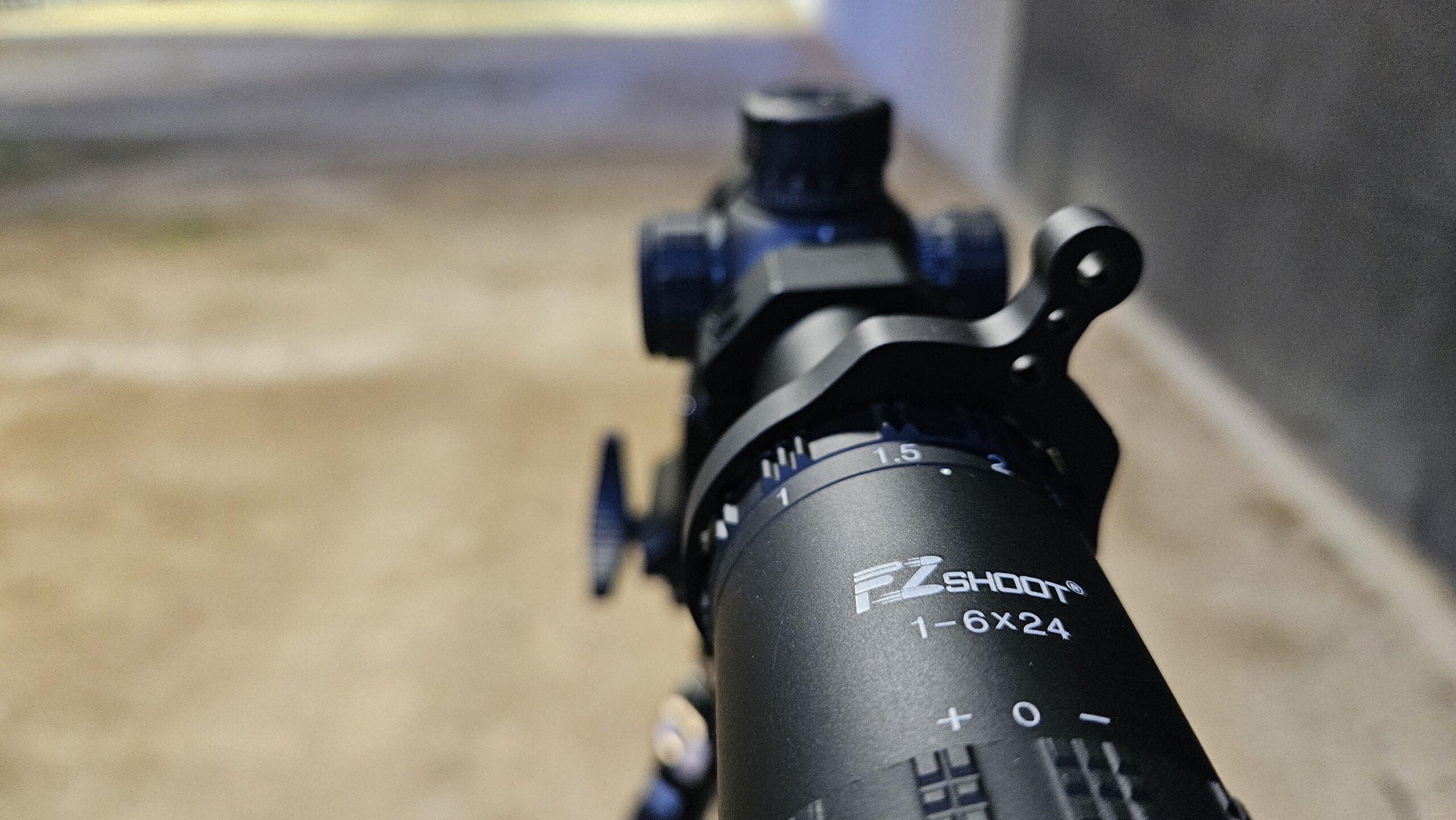
EZShoot is a budget brand that looks it. Their new LPVO doesn’t even have a name, it’s just called their “1-6×24 LPVO”. When it arrived, it came in a generic black cardboard box without branding or identifying markings or printing.
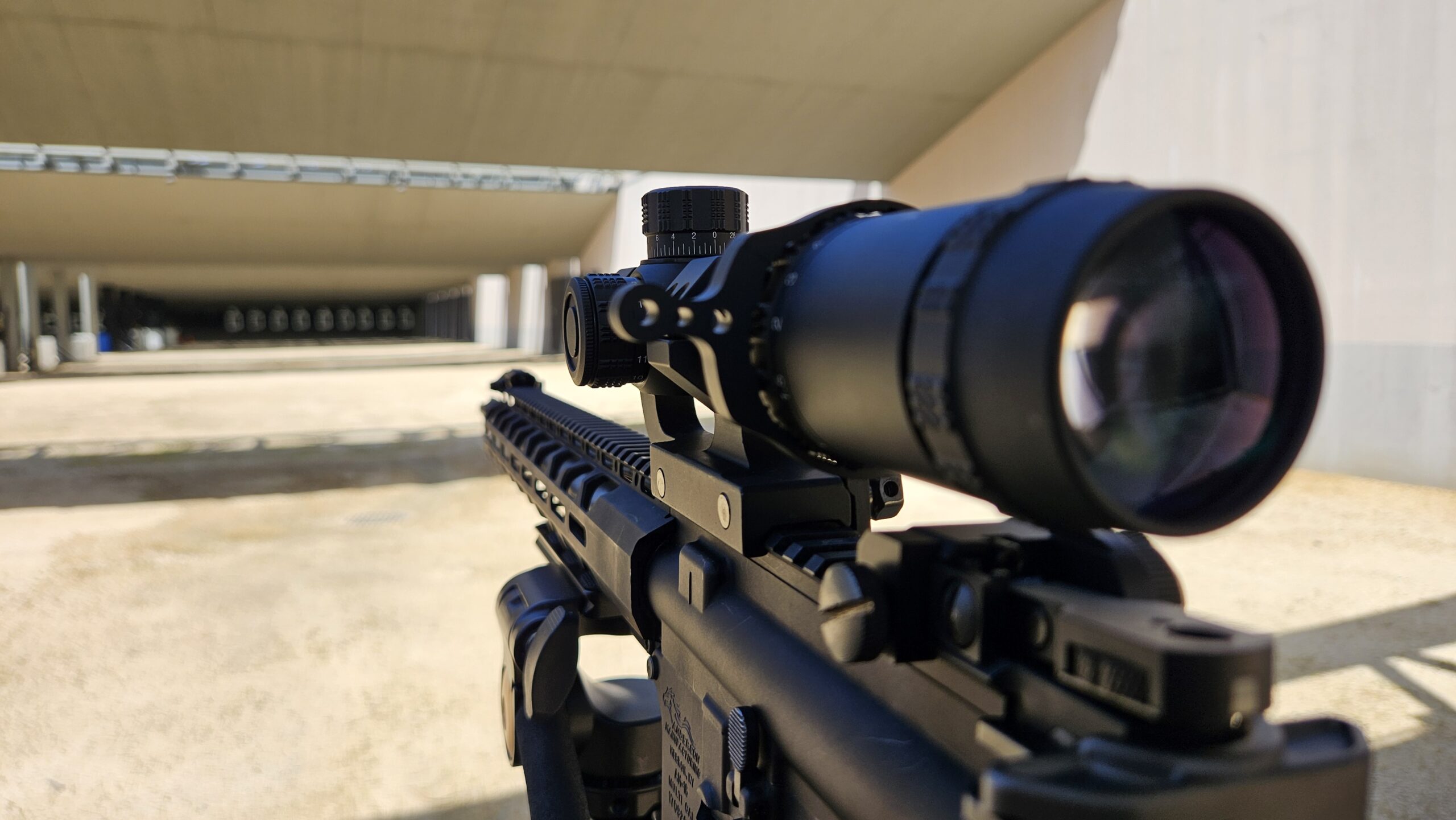
Inside was a decent-looking LPVO with a dimple pattern on the turrets that reminded me of Discovery Optics or SIG. The turrets were nice with clear audible and tactile clicks and no slop between clicks. It included a metal throw lever and a cantilever mount. The latter was budget quality.
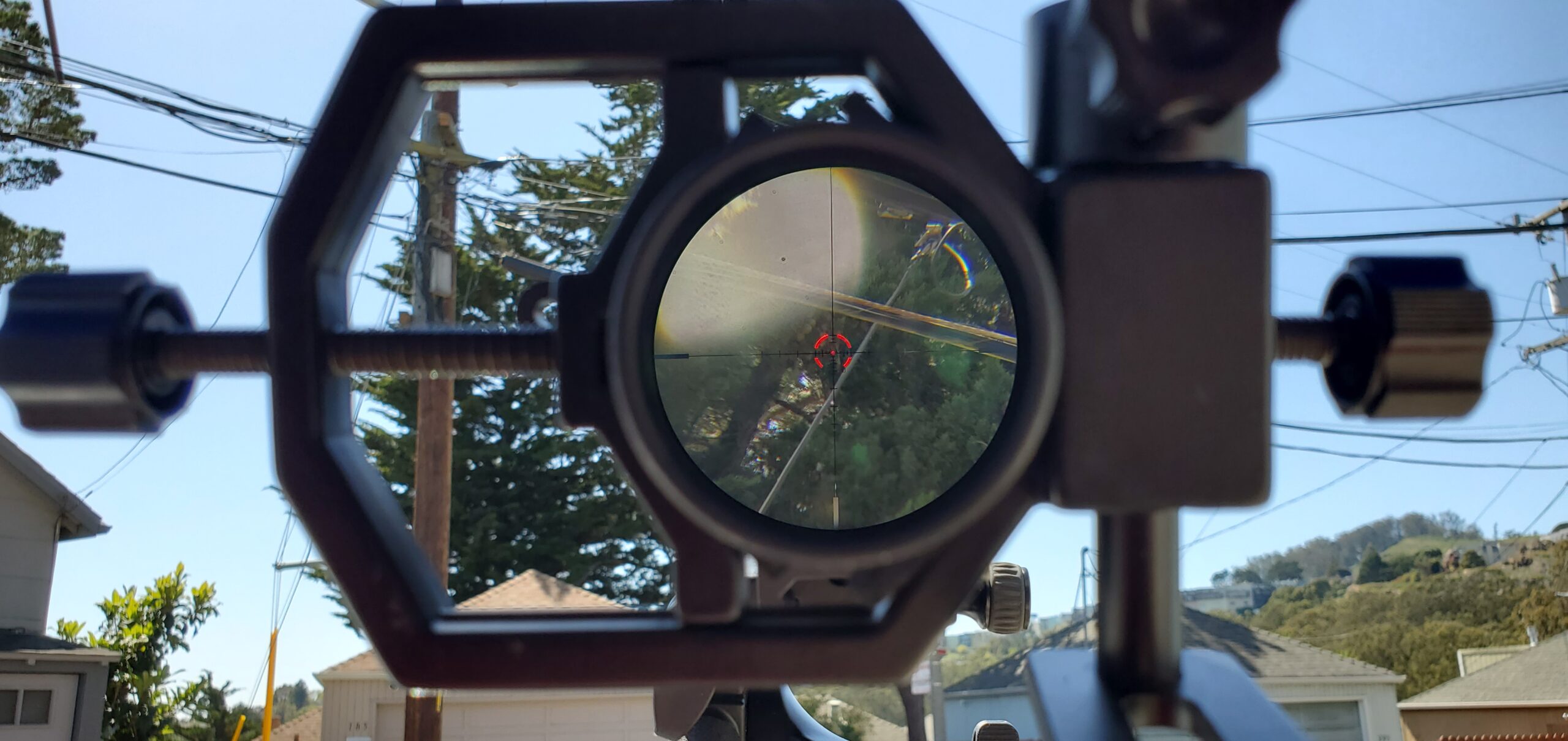
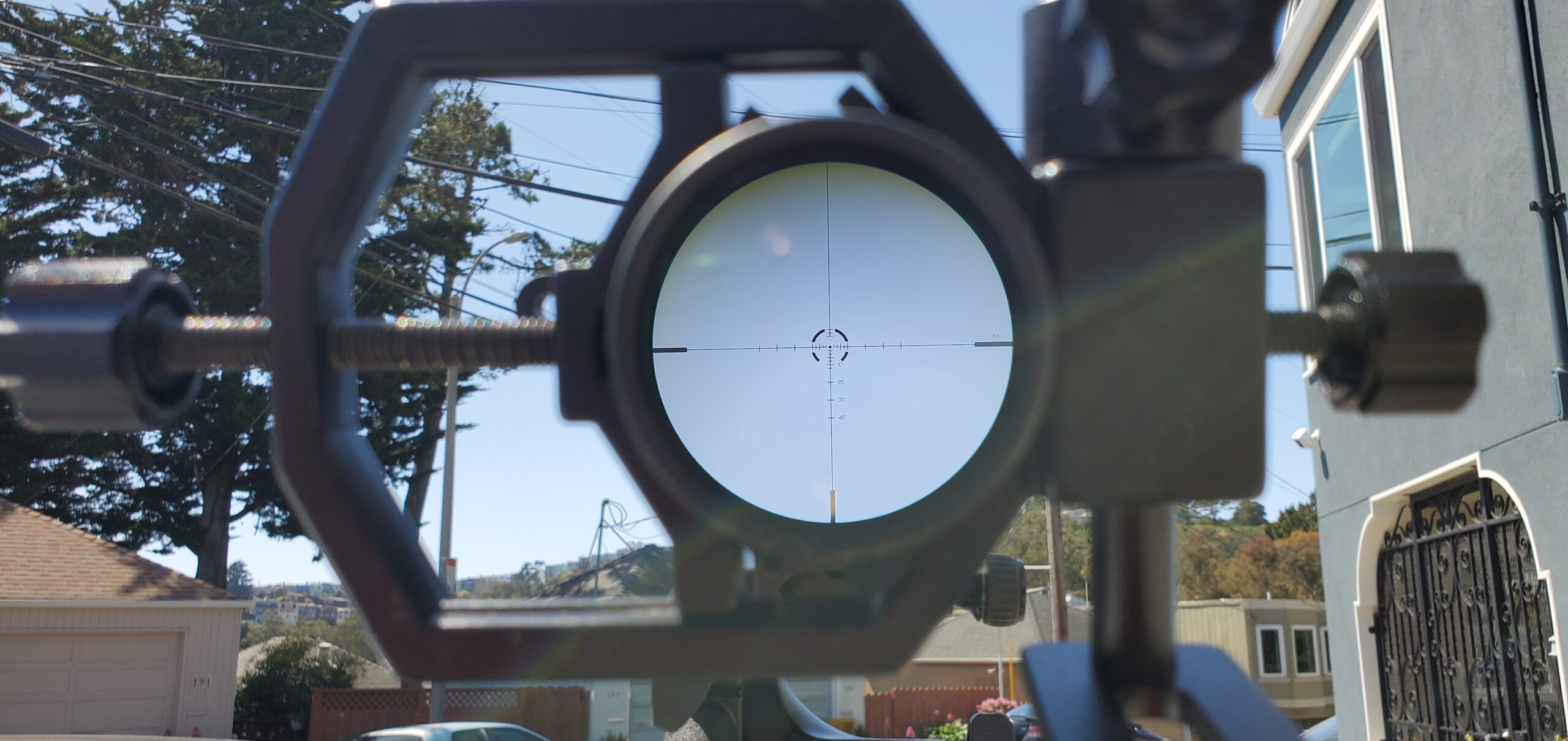
Looking through the scope, it was obvious where compromises were made. The image exhibited noticeable edge distortion, creating a fish-eye-like effect at 1x. At 6x the image was not tack sharp (despite my efforts to adjust the diopter) with chromatic aberration. Thankfully, it has a good tactical reticle design that offers daylight-bright illumination.
Despite its lackluster optical qualities, it has decent turrets and an appealing price. The total package comes in at around $100, give or take. While there are certainly better budget LPVOs like the Monstrum Banshee of CVLife Eagle Talon, they cost about 50% more. Or get one free. This June, I’ll be giving away an EZShot 1-6×24 to a lucky winner of my Moondog Go contest. Enter to win (ends May 31, 2025): https://moondogindustries.com/may2025ezshootcontest/
This prize supplied by EZShoot and is awarded at their sole discretion and direction.
RULES
NO PURCHASE OR DONATION IS NECESSARY TO ENTER. YOUR CHANCES OF WINNING DO NOT INCREASE WITH A PURCHASE. VOID WHERE PROHIBITED.
1. Eligibility
Void where prohibited by law. Must be legal resident in the USA. Moondog Industries employees, subsidiaries, affiliates, suppliers, advertising and promotion agencies, employees’ immediate family members, are ineligible to participate in the contest/giveaway.
Entrants must be willing and able to appear on YouTube to discuss the contest and post images of the prize on their social feed should they win the contest.
2. Sponsors and Platforms
EZShoot (known as the SPONSOR) and Moondog Industries (known as the CO-SPONSOR) is a video Edutainment producer and game promotor based in San Francisco, CA. YouTube, TikTok, Rumble, X and online video platforms (known as PLATFORMS) are not SPONSORS or in any way affiliated with the contest or content.
3. Agreement to Rules
By entering the contest, participants agree to abide by the SPONSOR’s Official Rules and decisions. The SPONSOR retains the right to refuse, withdraw, or disqualify entries at their sole discretion. By submitting an entry, the participant agrees to accept the decision of the SPONSOR as final and binding.
4. Entry Period
Contest email entries must be received between: 12:00pm EST 4 May 2025 and 12:00pm EST 31 May 2025
5. How to Enter
This contest requires your skill in navigating your phone or computer controls to screen capture an image of the following YouTube channels/Social Media accounts. Subscribe or Follow and make a screen capture of those pages showing a greyed out Subscribe button or indicator that your account is Following that page. If the page is not functioning, please contact contest@moondogindustries.com . One entry per person or per Social Media account. Fraudulent methods of entry, photo retouched, or other methods of circumvention of the rules may result in the SPONSOR invalidating a participant’s entries.
6. Prizes
The winner must be able to receive the prize by e-mail or by physical mail. Prize may be substituted at the sole discretion of the SPONSOR. Acceptance of the prize grants SPONSOR permission to use the winner’s entry, name, and likeness for advertising, promotion, and trade without further compensation or remuneration unless prohibited by law.
7. Odds
The odds of winning are dependent upon the number of eligible entries received.
8. Selection and Notification of the Winner
The winner will be chosen at random by the SPONSOR from among the entrants who demonstrated the skill to navigate the electronic entry and have met the minimum requirements. Winners will be contacted via the email used to enter the contest. Winner must have a legal address within the US to ship the prize.
SPONSOR is not liable for the winner’s failure to receive notification of winning if he or she provided the wrong email address or if their email security settings caused your prize notification to go into the spam or junk folder. If a winner does not respond within 24hrs of sending a notification, the SPONSOR will select an alternate winner. Receipt of the prize is upon the condition of compliance with federal, state, and local laws.
9. Rights Granted by the Entrant
The SPONSOR, upon submission of an entry into the giveaway or contest, has the right to use the participant’s submission, voice, likeness, image, statements about the contest, etc., for publicity, news, advertising, promotional purposes, trade, and so forth, without any further notice, review, consent, compensation or remuneration.
Participants shall defend or settle against such claims at their sole expense, and shall indemnify, defend and hold harmless the SPONSOR from any suit due to damage of or by the prize.
10. Terms & Conditions
The SPONSOR reserves the right to modify, suspend, cancel or terminate in the event that non-authorized human intervention, a bug or virus, fraud, or other causes beyond your control impact or corrupt the security, fairness, proper conduct, or administration of the contest/giveaway.
11. Limitation of Liability
Entry into this contest constitutes the participant’s agreement to release and hold harmless the SPONSOR and PLATFORMS, subsidiaries, affiliates, employees, etc., against all claims liability, illness, injury, death, loss, etc., that occurs directly or indirectly from participation in the contest or use/misuse of the awarded prize.
12. Disputes
As a condition of participating in the promotion, the participant agrees to resolve all disputes with an arbitrator designated by the SPONSOR in the state of California, without resorting to any form of class action. Entrants waive all rights to punitive, incidental, or consequential damages, and waive all rights to have damages multiplied or increased.
13. Privacy Policy
Participants agree to abide by all privacy and NDA laws in the State of California and any federal laws of the United State of America.
14. Winners List
Participants may request a list of winners by submitting a request in writing to Moondog Industries for up to 30 days after the contest ends.
15. Social Media Platform Rules
Winners will agree to post a photo of the prize on their social media channels in such a way as does not violate any rules of that platform. The winners also agree to appear for an interview where they will discuss the prize and its performance. If there are functional problems with the prize, the winner agrees to make a good-faith effort to resolve all issues with the SPONSOR prior to posting reviews or opinions about the prize.
16. Affirmation of Acceptance of and Agreement to All of the Official Rules
By entering the contest, the entrant has affirmatively reviewed, accepted, and agreed to all of them.
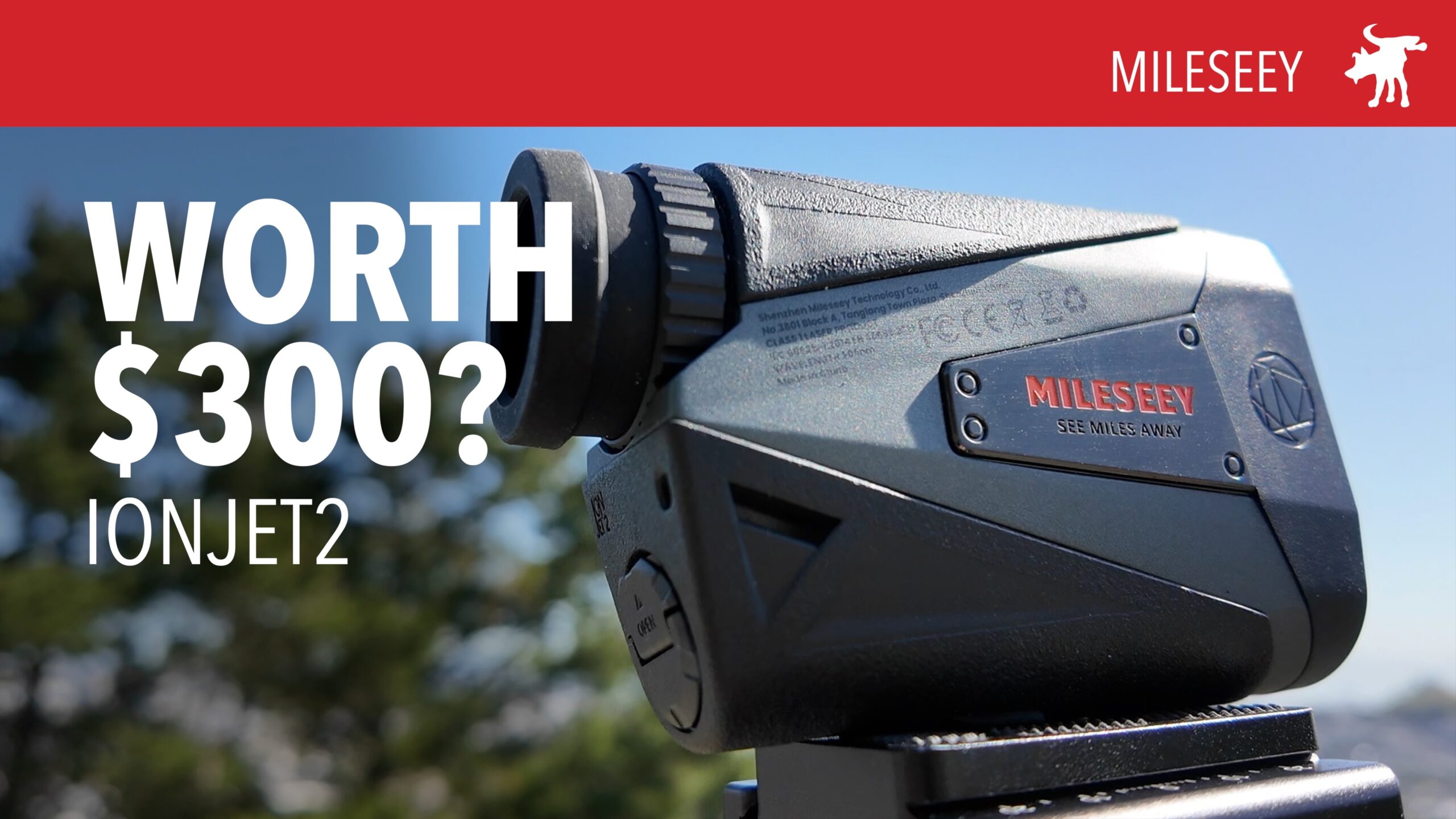
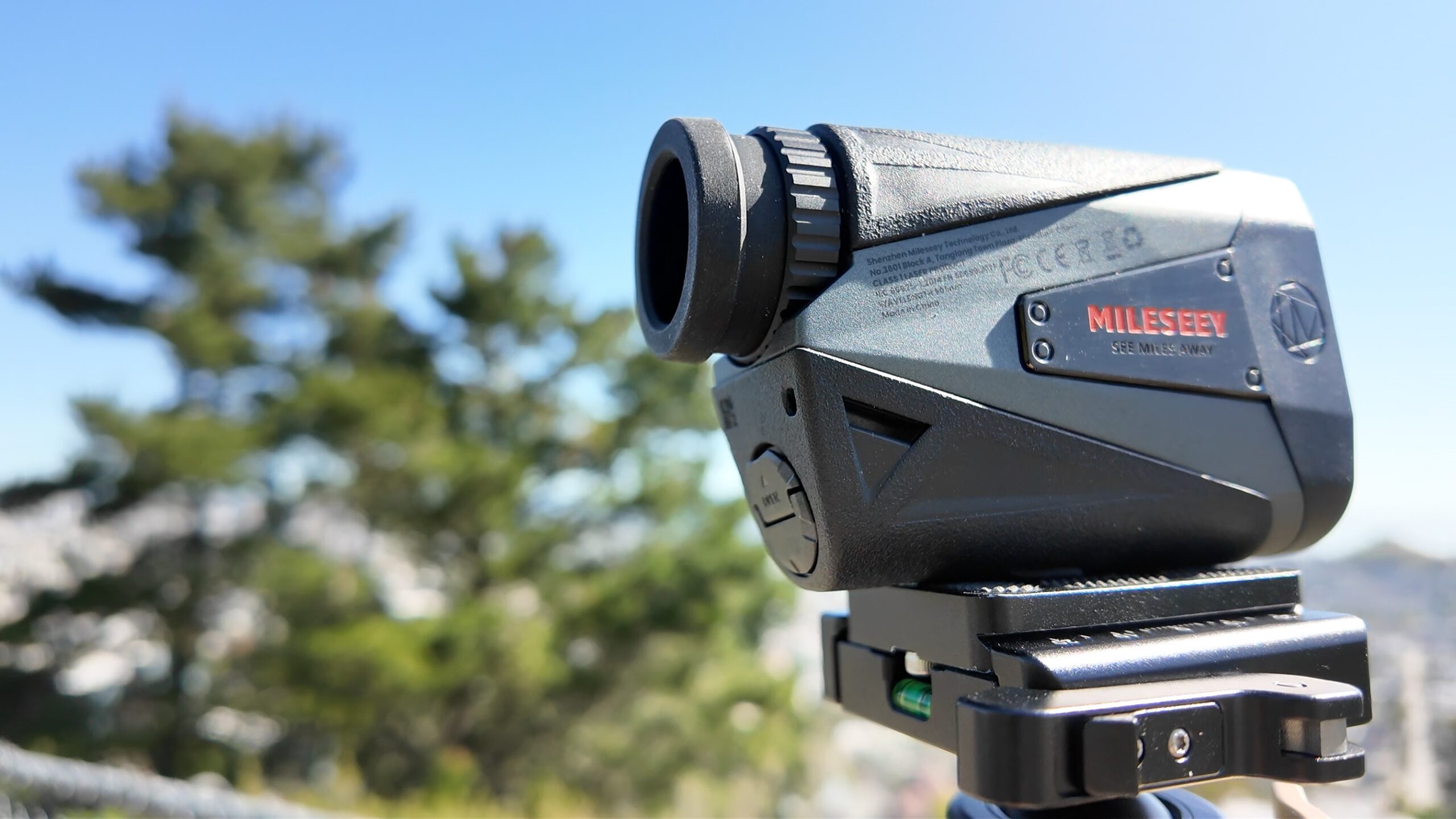
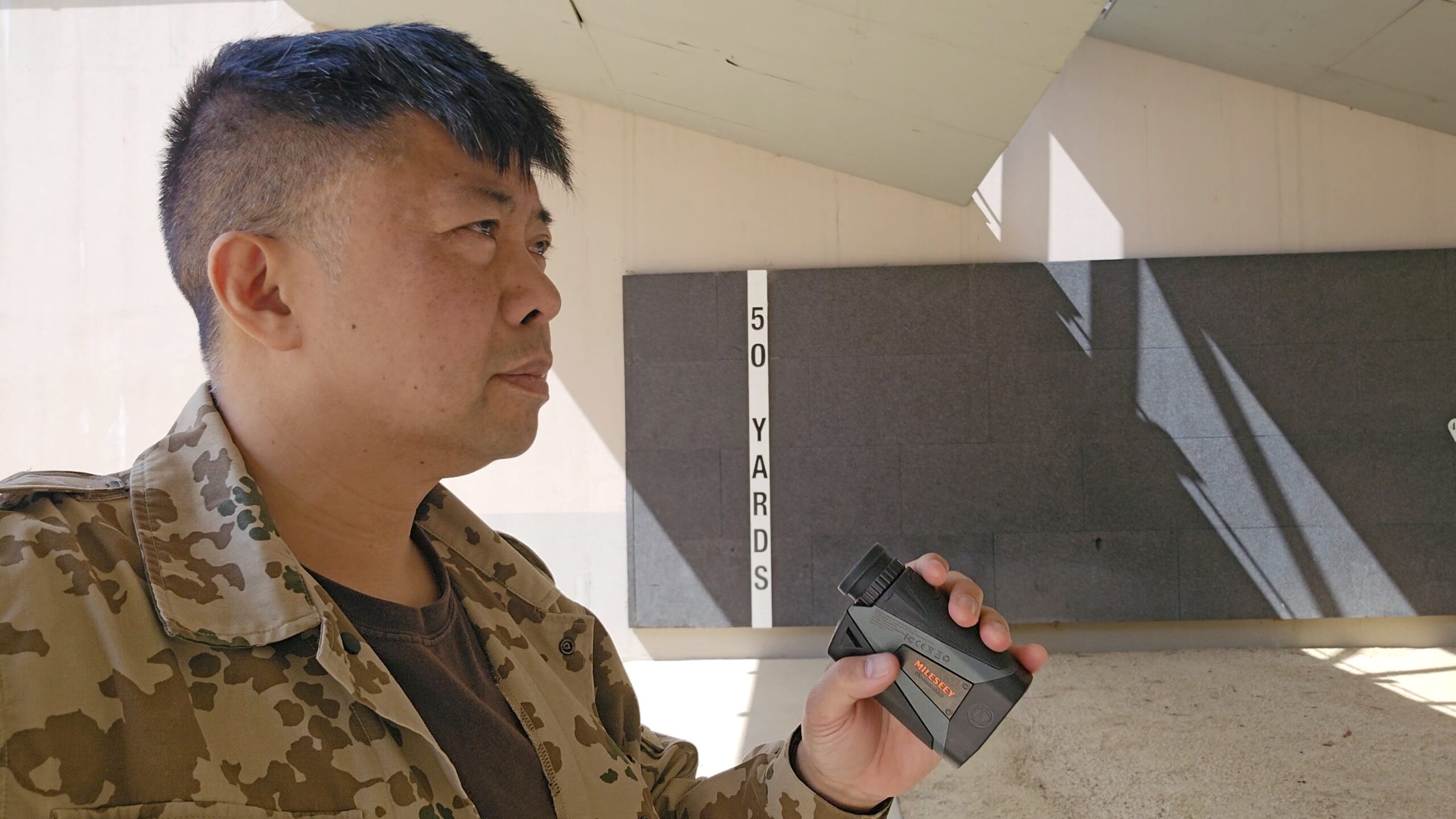
I’d never heard of the Mileseey brand before they asked me if I would test their laser rangefinder. As it turned out, Mileseey is the world’s 3rd largest manufacturer of laser measuring devices. Most of their products are industrial-grade instruments, and their IONJET 2 lives up to these standards.
The IONJET2 is remarkably solid and weighs more than any handheld laser range finder I’d previously tested. Much of this weight I attribute to its all-metal body and internal rechargeable 450mAh battery. In addition, it has a CR2 backup battery that is user-replaceable.
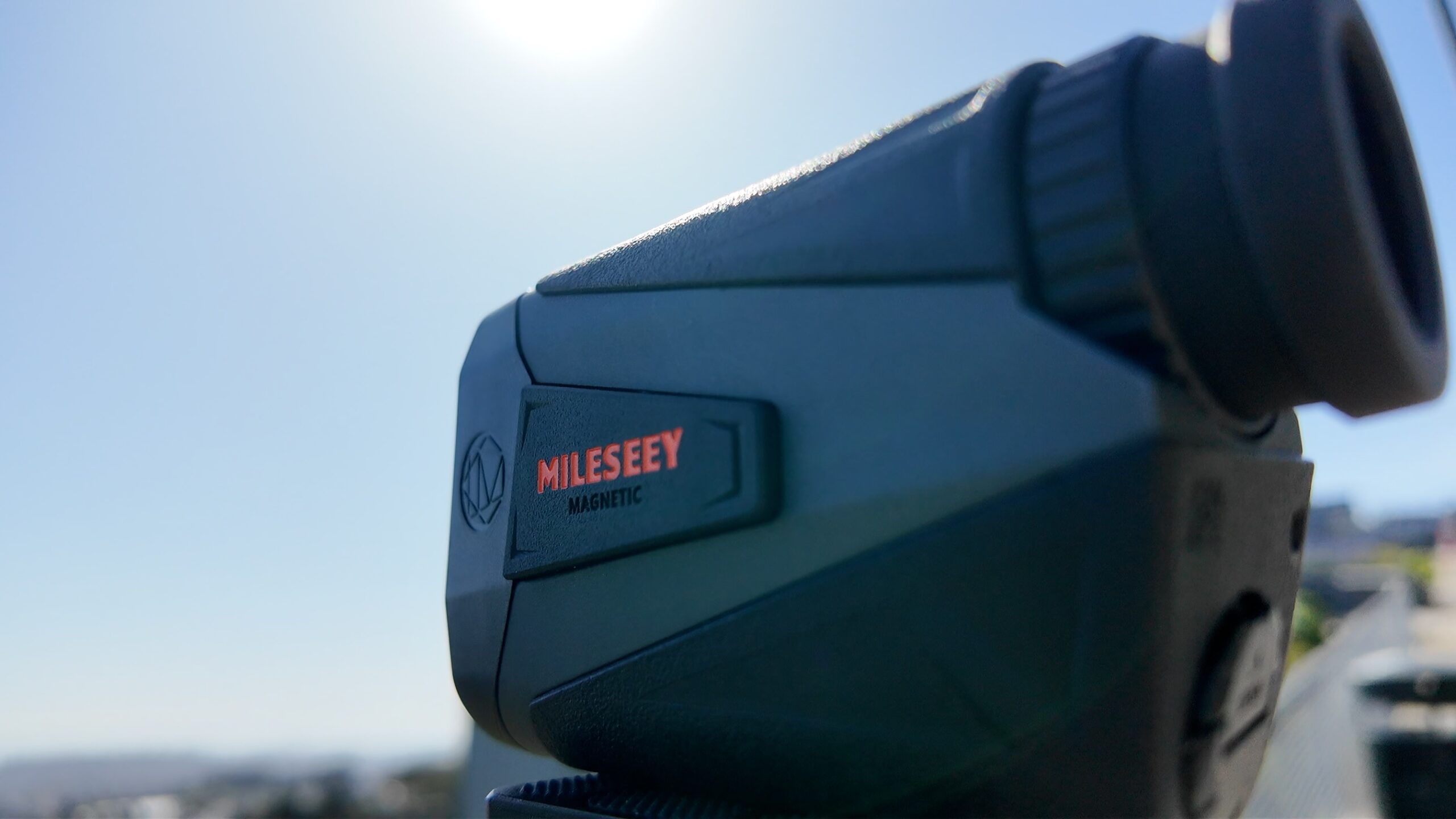
In addition, the unit has a magnetic pad on its left side that allows the unit to be quickly mounted to a car door as a hasty tripod. It also comes with a rubber-coated metal belt clip plate so that you can quickly stow the IONJET2 to your hip, allowing you to quickly get hands-on to manipulate a bow or rifle.
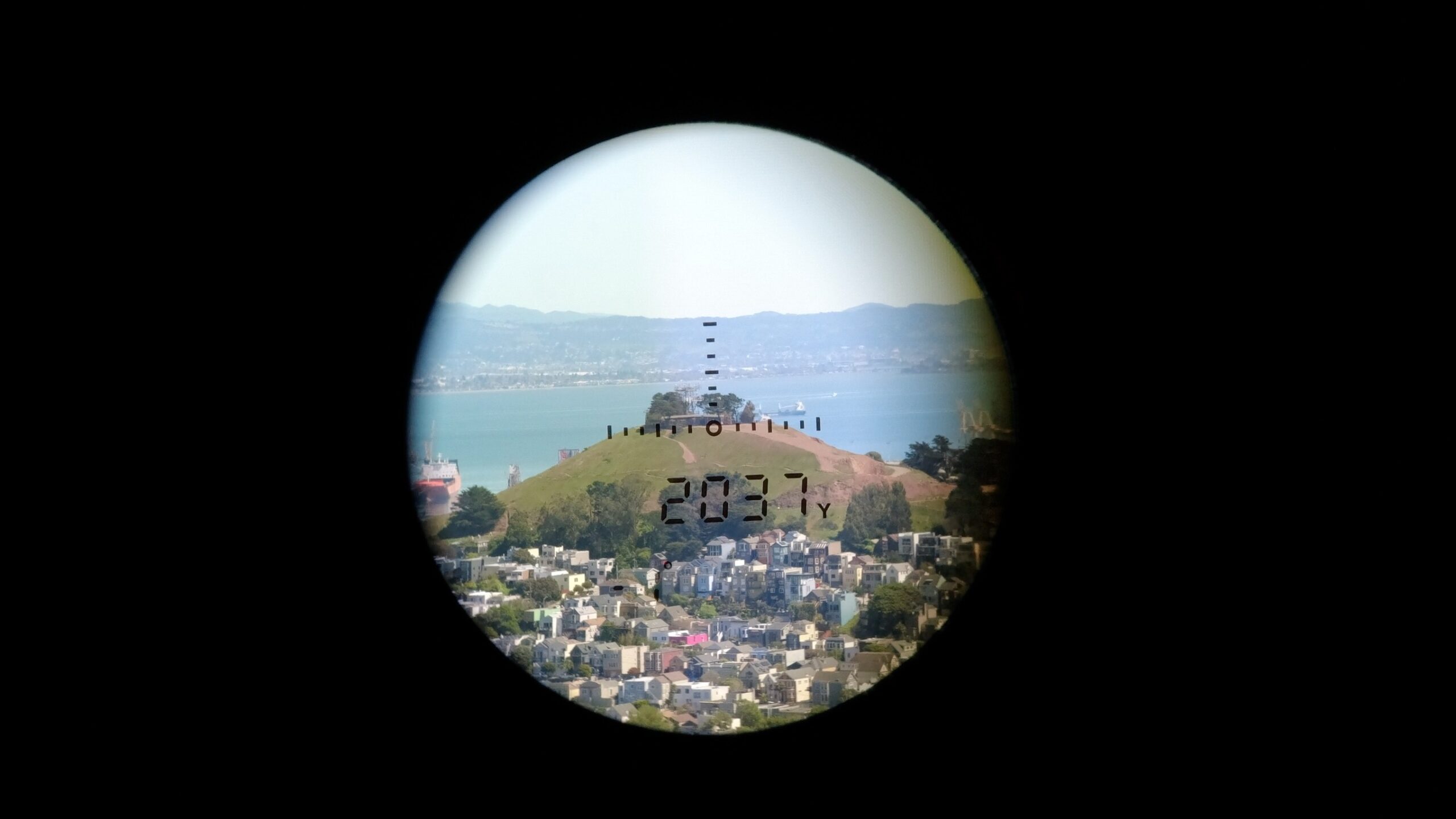
The unit offers a clear though unremarkable 6x aiming optic. It has an illuminated display and offers distance modes that include line-of-sight, horizontal distance, and a variety of archery-specific options. Unfortunately, the wealth of modes makes its typical 2-button controls rather unintuitive. But that’s the problem I have with most laser range finders; I usually set it to BEST or LOS and forget the rest.
I tested the accuracy of the IONJET’s measurements at a local golf course’s driving range. What was more impressive was that in direct sunlight, the IONJET2 outperformed all other rangefinders I’ve previously tested. I was able to measure the distance to the microwave repeaters at the top of Bernal Peak hill 2037 yards away or 1.16 miles away (confirmed with Google Maps).
All of this performance doesn’t come cheap at $300. To be fair, that is still cheaper than top-tier laser models from the likes of Leupold, SIG, and Vortex. But if you want the performance of an industrial-grade instrument, you’ll get it with this one.
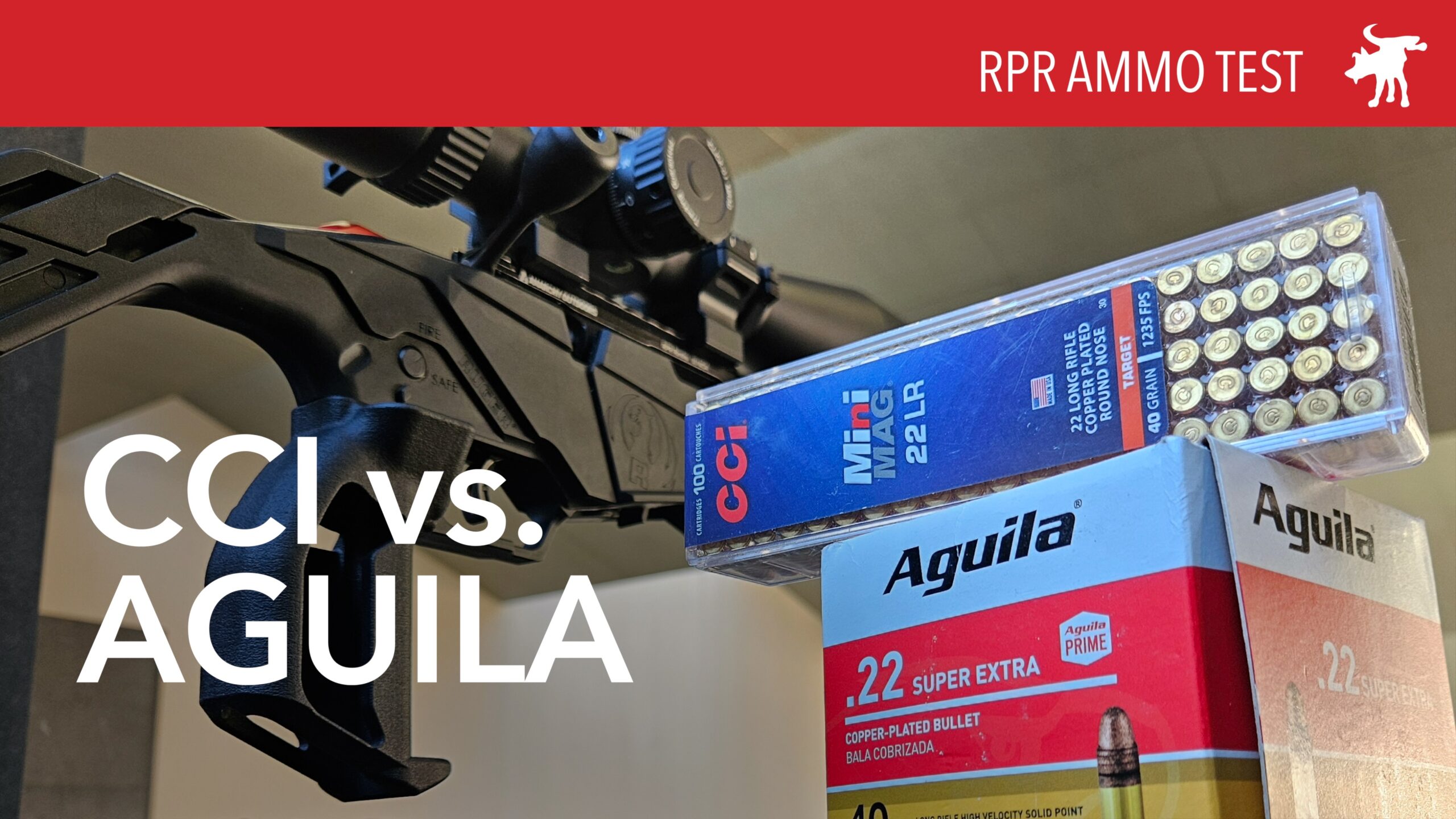
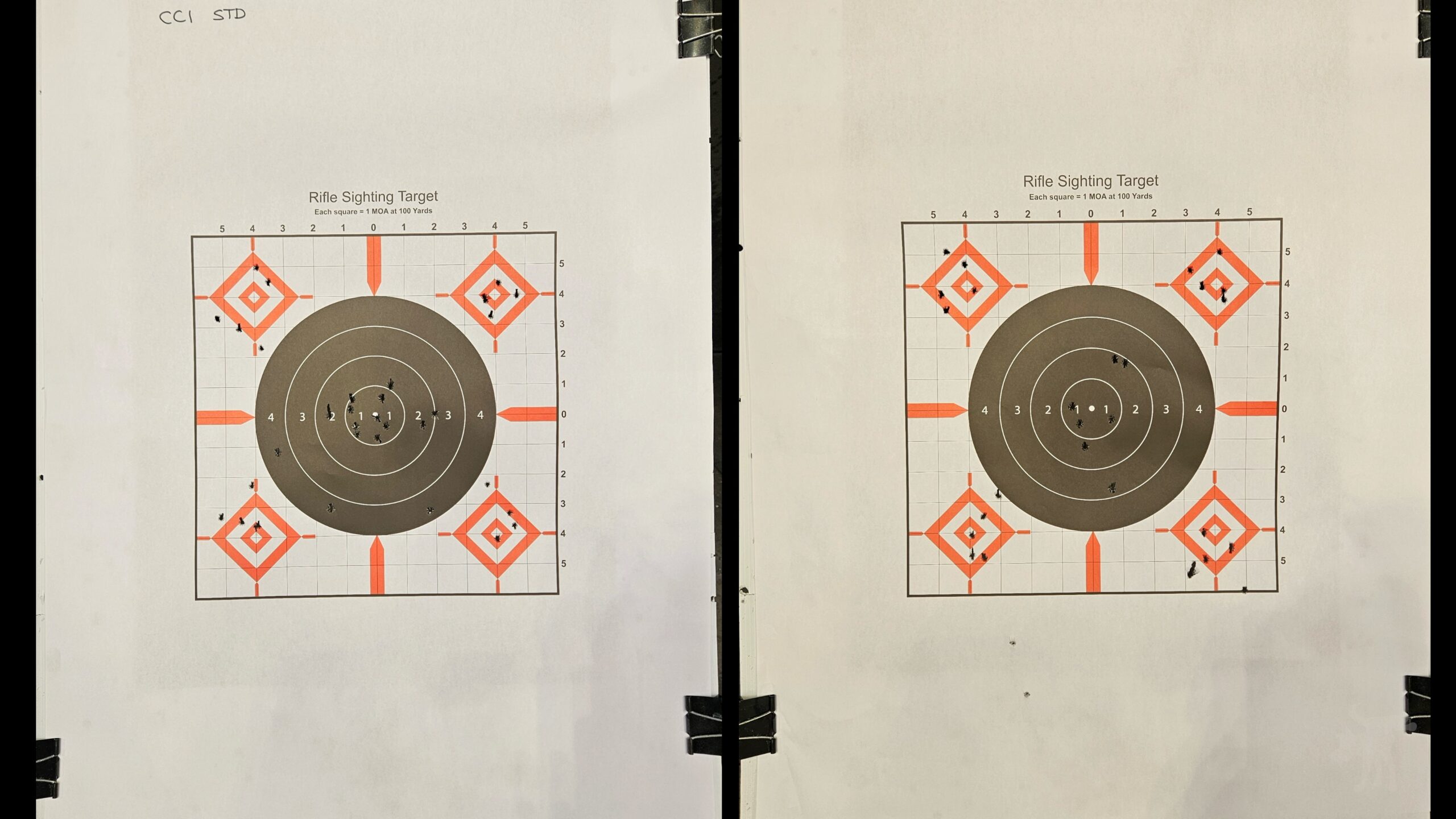
CCI Standard Velocity is a popular 40gr LRN 22LR ammo among my club’s bullseye pistol and precision rifle shooters for its consistency. Some shooters consider it almost as good as match-grade ammo. I wanted to test its performance against the cheaper Aguila Super Extra Standard Velocity.
Testing both at 100 yards with my factory Ruger Precision Rimfire Rifle (RPR) with a Discovery Optics LHD budget 8-32×56 FFP scope. Aguila edged CCI by small amount based on my measurements using Range Buddy on my phone. The difference is performance is smaller than the difference in price, Aguila Standard Velocity being 25%-50% cheaper than CCI Standard.