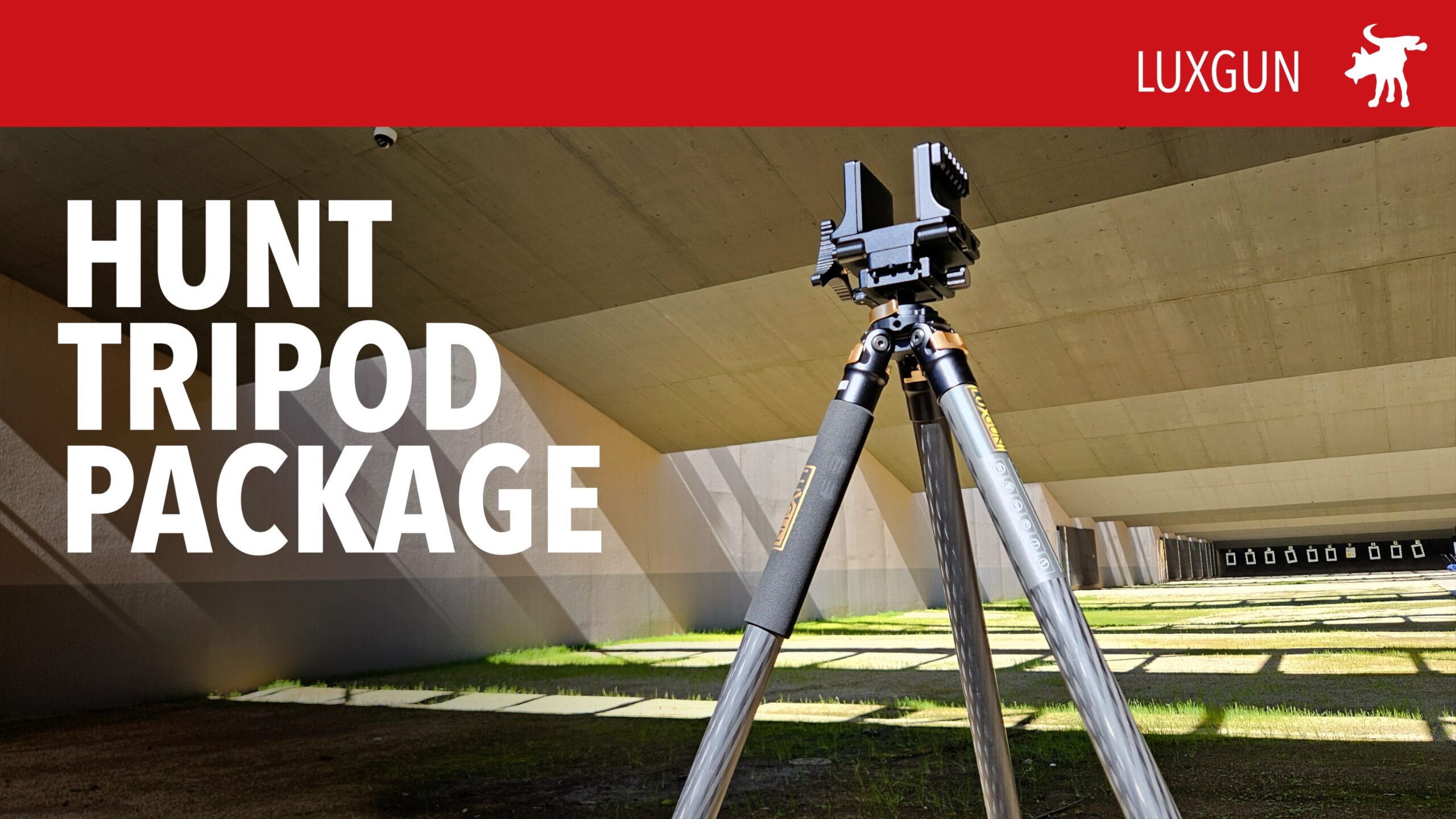
Too Much Information live chat show. In this episode, we’ll be talking with Brandon Rudge, a professional PRS shooter, about designing the WBR reticle and consulting on the design of the March-FX 5-42×56 PRS Edition scope. Read my notes https://moondogindustries.com/tmi-250702-march-scopes-brandon-rudge
This video is sponsored by Aura. Stop leaving yourself vulnerable to data breaches. Go to my link https://aura.com/moondog to get a 14-day free trial and see if any of your data has been exposed.
This video is sponsored by Venice.ai. Go to my link https://venice.ai/moondog to enjoy private, unscensored A.I. Get 20% off a Venice Pro Plan using code: moondog
March Scope is the sporting and tactical scope brand created by Deon Optical Design of Nagano Japan.
DOWN THE RABBIT HOLE
PRS Precision Rifle Series is a shooting sports body that organizes standings of PRS matches regionally and nationally. Unlike traditional bullseye or benchrest competitions, these events incorporated targets placed at varying distances and required shooters to engage from improvised positions such as barricades, rooftops, or natural terrain.
March Scopes is known for producing world-class premium optics. But they aren’t very well known, because of their eye-watering prices and because their scopes are only sold by specialty optics stores. Their scopes have been in high demand among professional F-class and benchrest shooters. Last year, March enlisted a professional PRS shooter to help optimize a March-FX High Master scope for PRS and NRL style shooting.
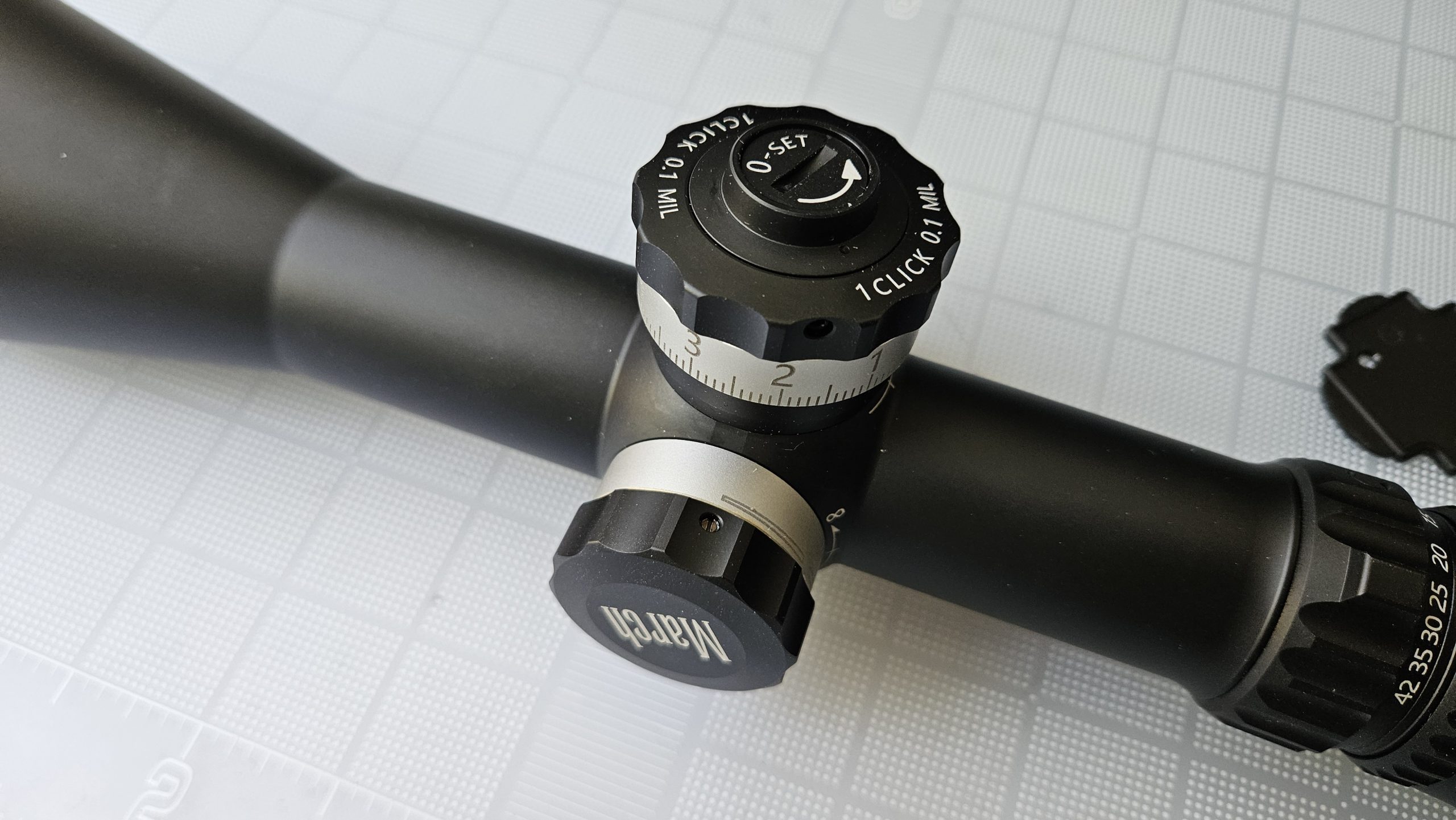
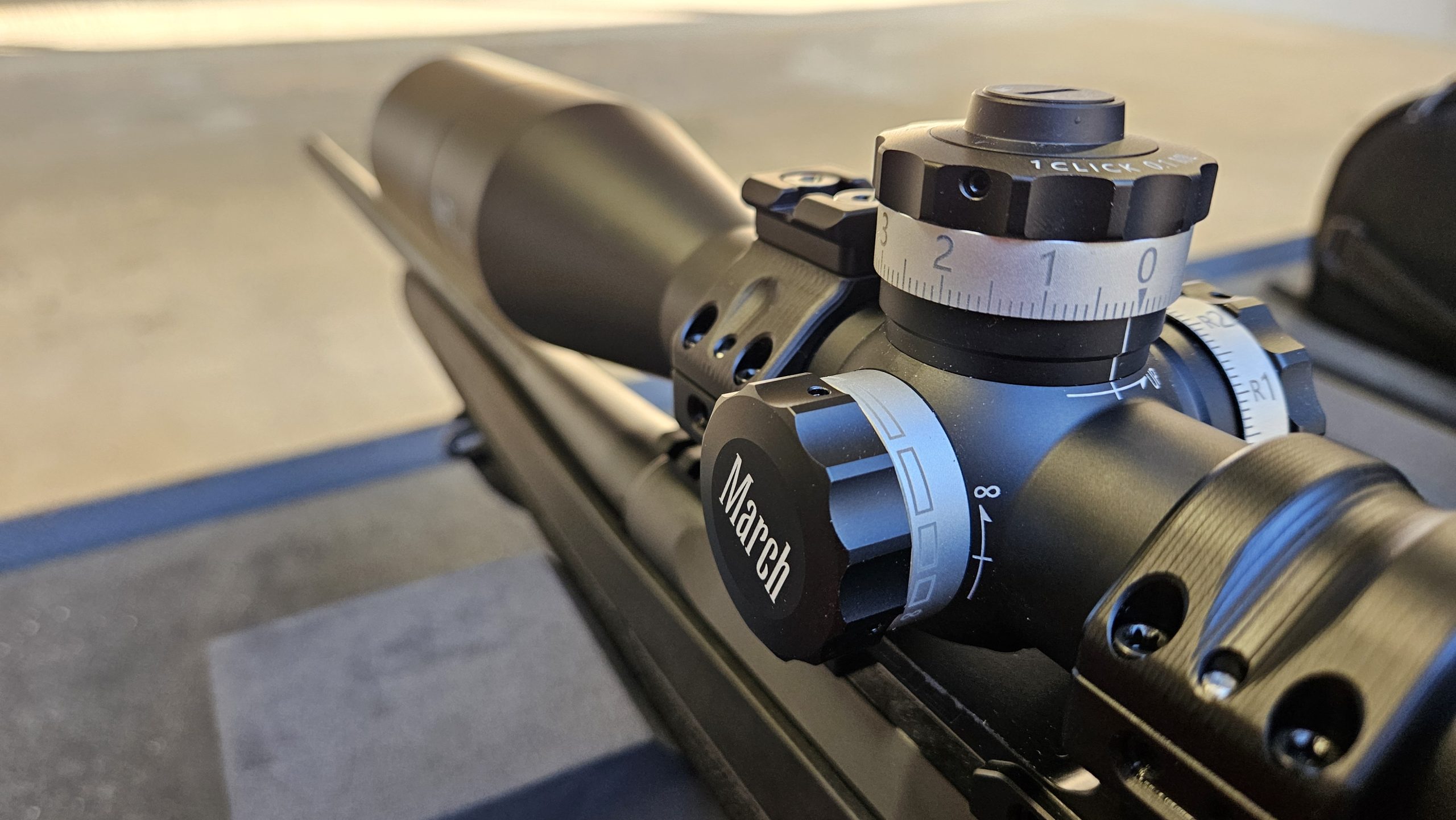
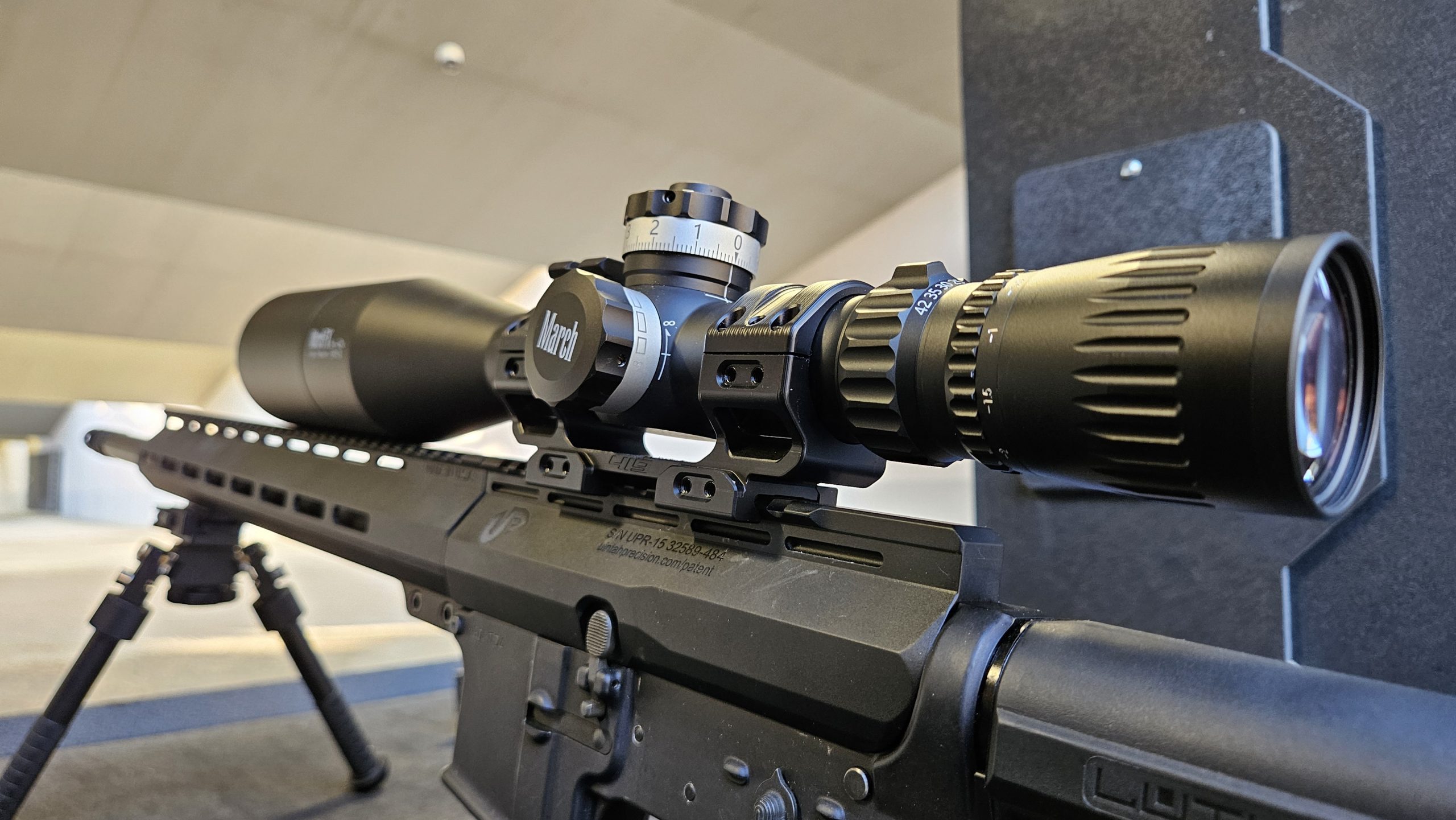
I got a chance to see a prototype of the March-FX High Master PRS Edition FX Gen II at SHOT Show 2025. And I got an opportunity to meet the designer of its FML-WBR reticle, Brandon Rudge. This scope was eye-catching for the silver bands around its turrets. But this wasn’t just for style, Brandon got March engineers to make turrets out of a metallic material that could be written on with whiteboard, dry-erase markers to mark off target dope during competitions. A simple yet brilliant feature that I predict will be ripped off and copied by other scope makers.
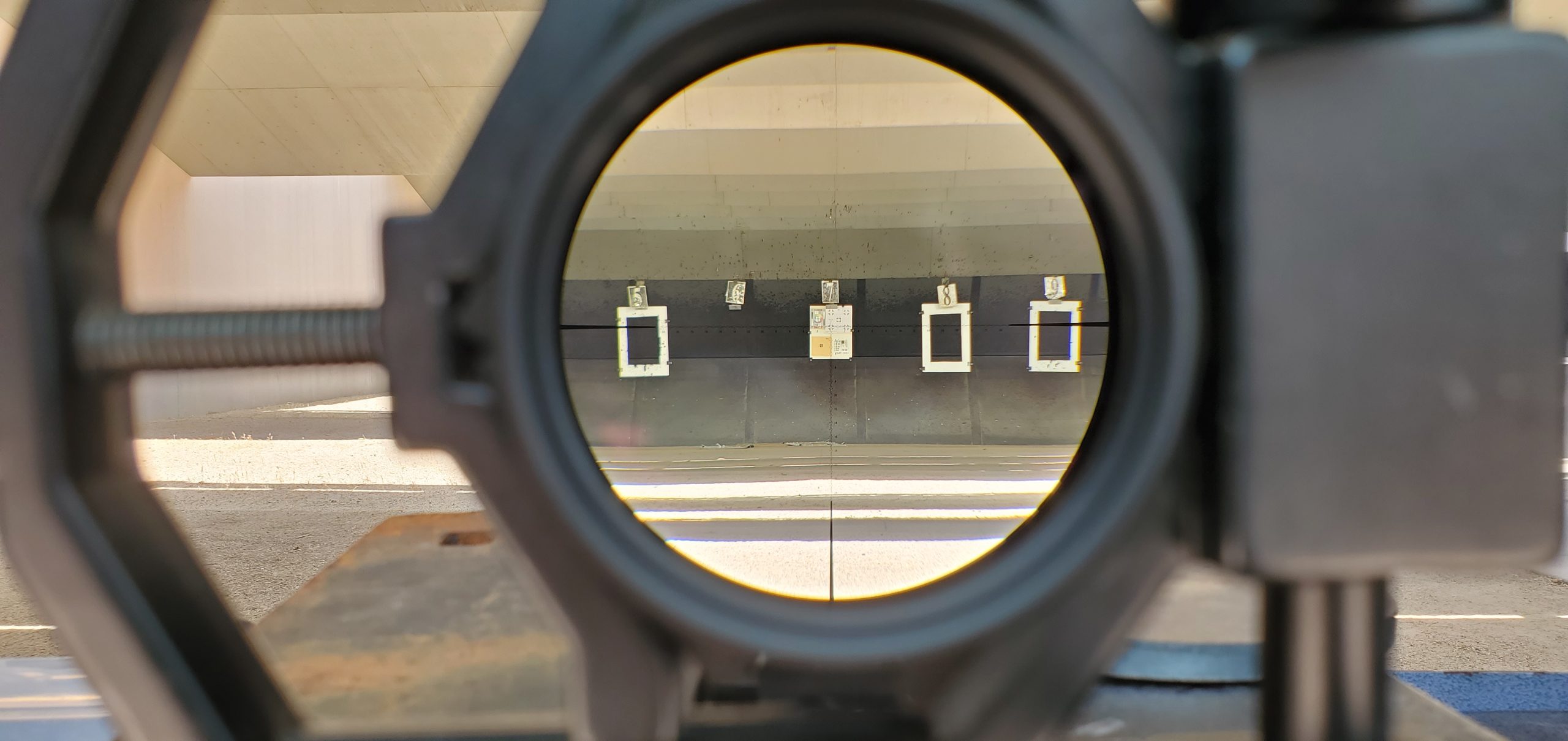
The scope has some other differences from the standard March-FX. It has non-locking turrets, so there is no chance of an accidental lockup during a stressful match when adrenaline makes turret adjustments challenging. The reticle illumination has been removed to allow for a thinner, finer etching of the reticle. All of these features enhance this scope’s already stunning glass, exceptional range of magnification, and wide field of view, to make a scope that is optimized for PRS / NRL competition.
One additional note, the testing demo sample I received was missing the break-away throw lever and MD aperture filter normally included with this scope.
Luxgun is a shooting sports tripod brand made by Sunwayfoto. My buddy Slavguns introduced this new brand to me at SHOT Show 2025 where a sample of this new hunting and shooting tripod was displayed at Christensen Arms. He helped design and put together this product.
The Hunt Tripod is a 65″ tall carbon fiber tripod (it’s taller than me) with a 28mm inverted ball-head, and a quick detach ARCA/Swiss base. The tripod comes pre-mounted with a wide-expanding Sunwayfoto saddle mount. The Hunt kit is more than just the tripod and mount,, it includes all the accessories a new hunter or shooter needs to start shooting, including a MLOK-to-ARCA adapter, feet spikes, and a Picatinny-to-ARCA adapter.
At SHOT Show 2025 Outlier Micro-Action rifle won “The Most Innovative Rifle” award. I stopped by the Arken booth to see it. Bobby, one of its principal designers, walked me through the features.
Outlier started with a Mini-Action receiver, which allows for left or right handed loading of cartridges into the chamber, and minimized it even further to a 1″ wide arch that holds the 3-lug bolt to the chassis. This reduces the cost and weight of the rifle by removing unnecessary parts. Moreover, they added their patented Backdraft suppressor barrel which uses the barrel sleeve as the primary dissipation chamber for the suppressor can.
The entire rifle weighs less than 6lbs yet provides the stiffness of a standard rifle system. Perfect for backcountry hunters or military sniper units. My only concern was the possibility of building up heat in the barrel which Benchrest and F/Class shooters avoid but Outlier promises a sub-MOA rifle or your money back.
Before I knew anything about high power scopes, I purchased a CVLife 6-24×50 AOR scope for my AR15 and happily used it at 100 yard targets. It was basic, out-dated, but cheap, and surprisingly reliable. “Walmart” quality is where I’d position their scopes, but recently they’ve attempted to bring themselves up to the level of “Target” or “Sheels”.
The Eagle Blaze is CVLife’s most ambitious attempt to date to put out a true long-range optic. The scope has 5-25x magnification range, a usable first focal plane (FFP) Christmas tree reticle, a zero stop, and using Japanese ED glass. On paper this looks like a legitimate PRS-style scope with an eyebrow raising $299 street price.
To achieve this low price, there must be compromises. The turrets are user resetable with a coin, come with a zero-stop ring lock, and have audible and tactile positive clicks. But they have a flaw. Unless the turret top is insanely cinched down, the turret will turn lose after locking down losing, rendering its push-to-lock feature useless.
In my testing I found that twisting free a “locked” turret does not move the reticle. It essentially makes the turret free floating. You are better off leaving the turret in the up-position at all times, otherwise your numbers will not sync to your zero.
Optically, the ED glass did reduce chromatic aberration. But in low light (in a shaded target cove), the scope lost a lot of detail and contrast. While this is a liability to hunters who need the ability to take game after sunset, the Eagle Blaze is a surprisingly good scope in broad daylight.
CVLife continues to improve the quality and features of their long-range optics line. This scope fumbled the execution but the play was solid. I look forward to a correction and improvement soon.
Telson is a new optics company out of Texas that I’d never heard of prior to making this video. A fellow Pewtuber asked if I’d be interested in reviewing a premium, mid-range scope with Japanse ED glass. A few days later, I got a box sent to me from @GunTotinMinnosotan
The plain white sample box is not the retail version and I can’t confirm what sort of accessories a consumer will receive such as lens caps, throw levers, etc. My sample was the actual production version, albeit with scope rings attached (which may not be present in the retail version either).
Physically the scope reminded me of a Leupold Mk5 or a US Optics. It had a unique diamond-weave design motif in the contact surfaces of the turrets and rings. It came with a removable throw lever with a diamond-shaped design. The rings turned smoothly and the turrets were crisp, audible, and tactile positive.
The elevation turret has a zero-stop which is engaged by lowering the turret onto an internal pin. The turret has a pop-up indicator when the turret is turned past its second revolution. This indicator is actuated by the zero-stop pin under the turret and does not function when the zero-stop is deactivated. Neither the windage or the elevation are locking.
The image through the glass is impressive owing to its quality ED glass. Bright, clear, and color-accurate with minimal chromatic aberration. I liked its thin clean Christmas tree reticle with a small floating central dot. The only disappointing aspect I found was its tight eyebox.
I had one other disappointment: I had to return the Toxin. I handed this scope back to Telson at SHOT Show so that they could display it at their booth. But they did give me something back in return: a coupon code to share with my readers to get 6% off buying one for yourself.
Telson is a new Premium Optics company based in Texas. I had never heard of them prior to testing their Toxin 3-18×50 scope. I met their founders (Canadian precision shooters) for the first time at this year’s SHOT Show.
Their scopes are all over a $1000 but have features usually found on scopes that cost many times more. Telson scopes feature high end Japanese glass, practical design features and quality construction. I was also impressed by the thought they put into the quality of their mounts and accessories.
Only time will tell if Telson succeeds in the crowded and competative PRS optics market but the quality of their products, design, and marketing are on target and all center X.
March Scopes makes some of Japan’s highest-performance competition rifle scopes and true World Beaters. At SHOT Show 2025 they showed off a refinement of their flagship PRS scope and a new concept prototype, the March Tracking Scope.
An example of Marche’s innovation is their prototype “Tracking Scope”. This straight-path scope has a reticle and is based on their 6-60x and 8-80x Majesta rifle scopes. What makes this scope a “Tracking” instead of a “Spotting” scope is its ball-jointed tripod mount, allowing the scope to pivot, pan, and tilt. This allows for easily tracking a moving target or shifting to various stationary targets much more quickly and preciously than a scope on a ball or panning head. This is a concept scope that March plans to produce next year if there is positive customer feedback.
They say “Less is More” that could certainly be said of the ED-PRS GenII 4-20×52 scope. Earlier this year, I reviewed Discovery Optics new GenII revision of their ED-PRS 5-25×56 scope. The GenII EP-PRS boasted improved optical clarity by using Japanese ED glass. So, why would they make a 20x scope when they already offered a 25x? And why would you want to buy one?
The 20x version appears nearly identical to the 25x. In terms of performance, the 20x has a 4x magnification factor which means in theory it should provide slightly a sharper and brighter image when set to the same power numbers as the 25x. In my testing, the differences were too subtle for me to see. But what I could clearly see is that the 20x is slightly shorter, slightly lighter, and slightly cheaper than the 25x.
Moreover, most hunters and target shooters don’t typically shoot a 5-25x scope at its maximum 25x; preferring a setting of about 12x or 16x to improve clarity and brightness. A 20x scope is able to be used at 12-18x. Let me again remind you that the 20x is slightly shorter, slightly lighter, and slightly cheaper than the 25x. It all starts to make more practical sense.
Let me preface this review by stating that I am not an ELR (Extreme Long Range) or F-class shooter. I’ve hit a 1000yrd target a handful of times in my shooting career but I make no claims of being an expert on the nuances ELR shooting and gear. My opinions and observations about March scopes are from the point of view of your average 100yrd range shooter.
March Scopes is the brand name of rifle scopes made by Deon, a small optics company in Japan. That name is not well known by most gun owners but it’s a brand name that will impress anybody who is an ELR competition shooter. March Scopes are known in ELR for extremely high magnification scopes that were made with high quality ED glass, and for their commensurate high price tags.
I had an opportunity to visit their booth at SHOT Show and was shown their new Majesta 8-80×56 scope. That’s correct this scope’s top end is 80x! That’s the highest power scope in the world that you can buy (if you have the ~$4500 to buy one).
This scope has some unique features. The turrets have March’s Shruiken turret locks; star shapped ring atop the turret which turns to lock and unlock the turret. The illuminator is activated by a button on the end of the parallax turret. It has screw down zero stop that can be a accessed outside of the turret.
The Majesta has Deon’s “Super Master” lenses made with their Super ED glass. I don’t know if “Super ED” is their own name or an industry name for a formulation of ED (Extra Low Dispersion) glass with a higher fluorite content. This reduces chromatic aberration. In my testing, even at 80x I saw almost no CA through my camera. Where most premium scopes would exhibit a notable purple or green fringe at 24x or 30x, the Majesta at 80x showed just a slight yellow tint on high contrast edges.
The Majesta was specifically designed to reduce the mirage/shimmer effect of light bending due to warm air, distorting the image of a target at long range. The Majesta does not completely eliminate mirage (nothing can, thermodynamics and physics) it glass enhances contrast and detail in some magical way to allow long range shooters to see better detail on their target despite the mirage.
In my 100yrd range testing, this scope at 80x scopes is impressive. Almost like looking through a spotting scope. You will lose quite a bit of brightness and experience a very unforgiving eyebox understandably. You won’t be able to see the nuts on a fly but you will be able to see that fly crawling on your center X.
I won’t bother posting a online retail link as these scopes are special order at most retailers. They are certainly a boutique luxury optic. Sadly this scope is a short-term loaner so I have to send this scope back to March after this review so I won’t have any long-term follow up. But I appreciate March Scopes giving this Average Shooter an opportunity to ride this unicorn.
・10X Zoom in SFP, MOA ・New bicolor scope: Dark grey body with black turrets ・Robust 34mm body tube with a 4mm thick wall simply to make the scope extra strong ・56mm objective lens ・Highest magnification rifle scope in the world ・Wide Angle eyepiece : 25 degrees ・Temperature Anti-Drift Lens System ・High Master lens system (Super ED lenses) ・Shimmer protection ・Focus from 10 yard to infinity ・Scope body fully machined from aluminum ingot ・All Japanese metal parts with no plastic part except for minimum essentials such as an insulator ・Argon gas filled for internal stability ・6 level illumination module ・Top quality multi lens coating where the transmittance is very near 100% ・Water repellent lens coating ・Shuriken lock elevation and windage turrets