At SHOT Show, I sat down with Jon LeCorte who walked me through their new binocular. This optic stood out by blending premium Schott glass with advanced integrated rangefinding and a ballistic display designed to help shooters estimate holdovers.
Tract is a direct-to-consumer optics brand known for value-packed rifle scopes and binoculars
Key features include:
Optical performance German Schott Glass with highly transmissive coatings and sharp resolution optimized for field use.
Premium Construction built and assembled in Japan
Built-in rangefinding and ballistic calculations — shooters and spotters can lock distance and solutions directly through the binocular, reducing the need to switch to a separate device.
Mobile app integration, enabling upload and management of up to five ballistic profiles via a paired smartphone for quick referencing and adjustments.
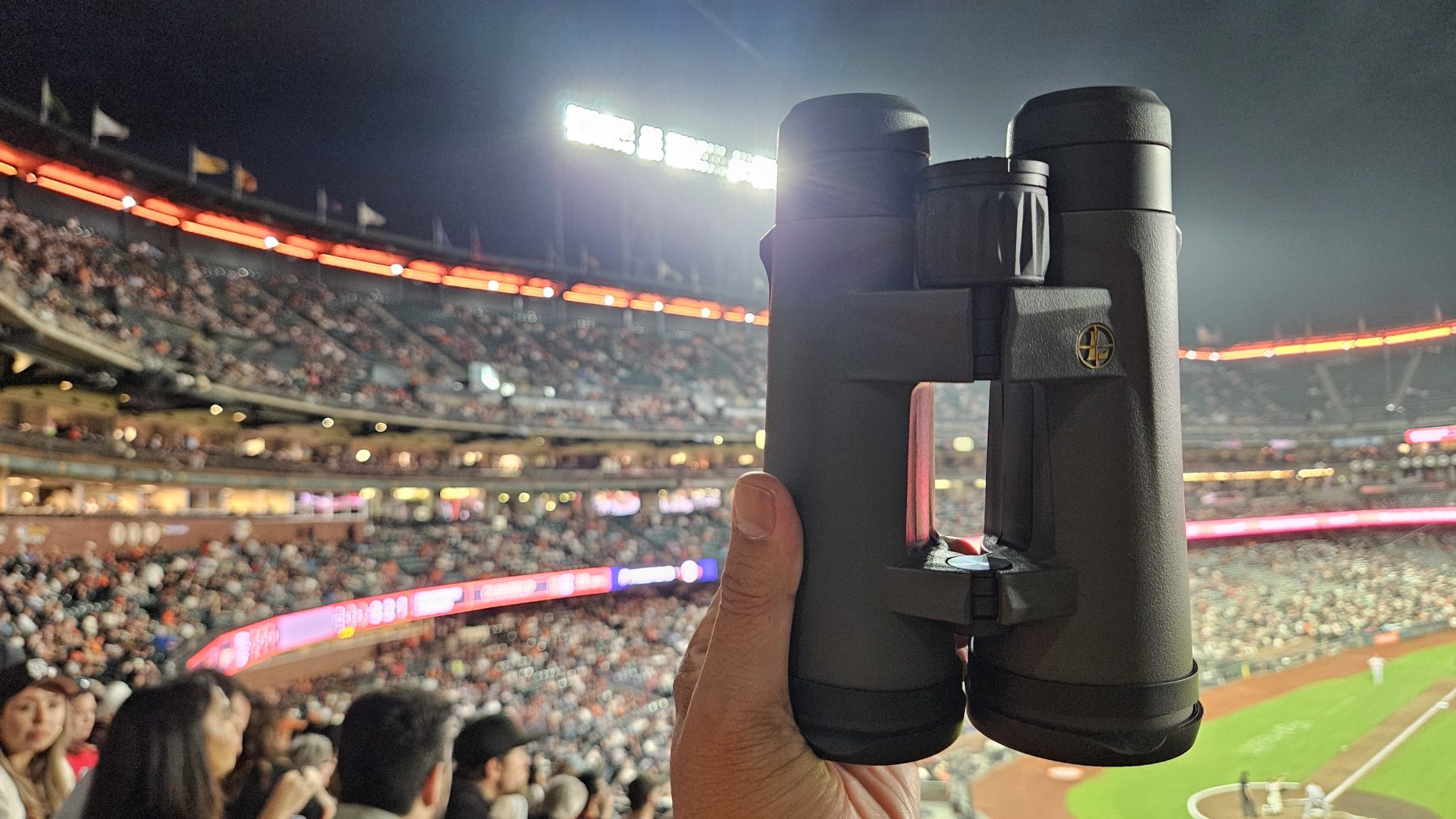
When I reviewed the BX-4 Pro Guide HD Gen2 last year, I was impressed by its world-class optical performance. Over the last couple of months, I have grown to like it even more. Recently, I took it to a baseball game at San Francisco’s Oracle Park.
The BX4 gave excellent views of the players in the field. I went handheld for the entire game, so its wide exit pupil and broad zone of focus made looking through it and finding focus very eas,y no matter the distance of my object of interest. Best of all, the ergonomics made the BX4 feel effortless to hold. This will be my go-to optic for my sporting events moving forward.
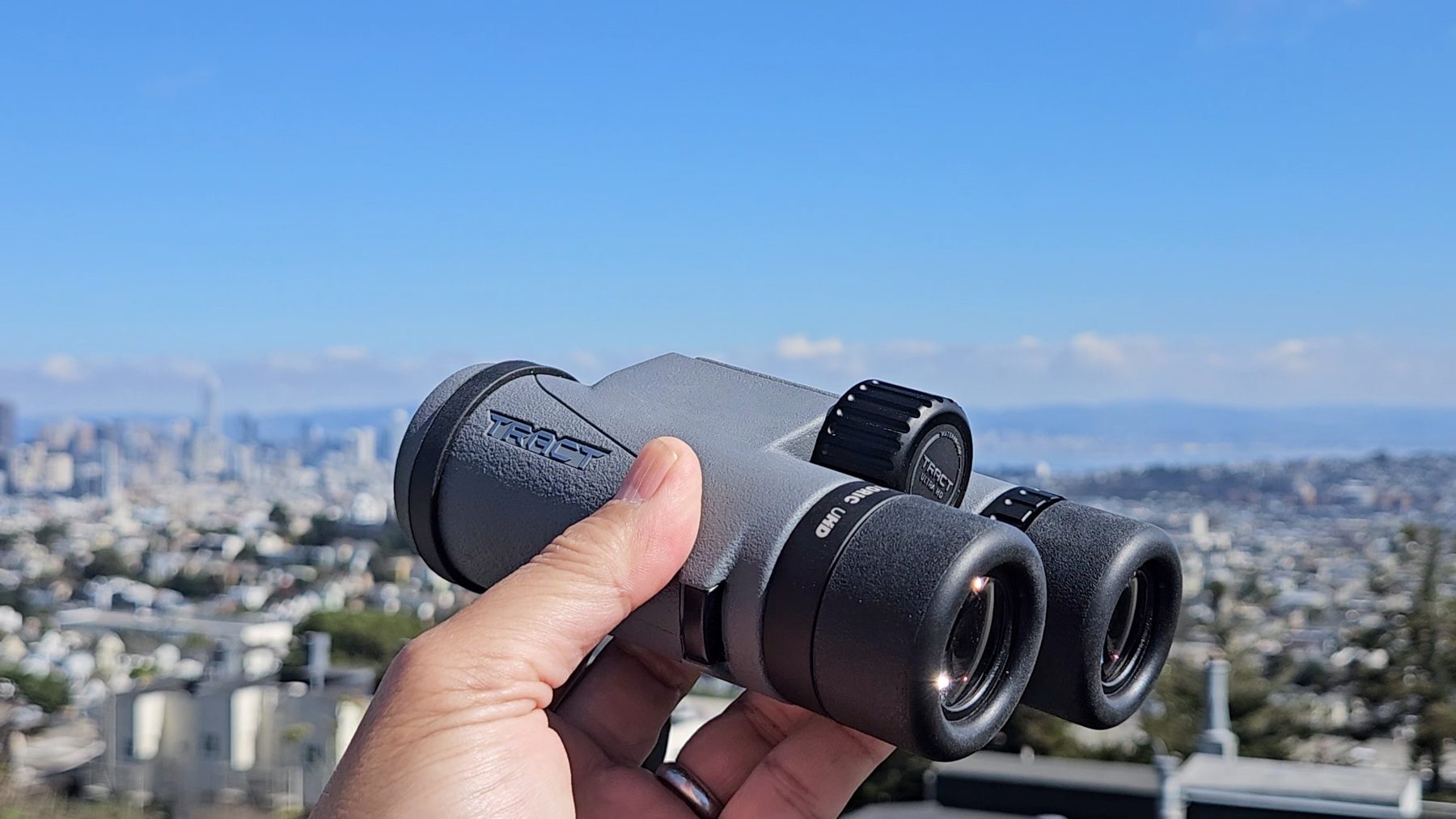
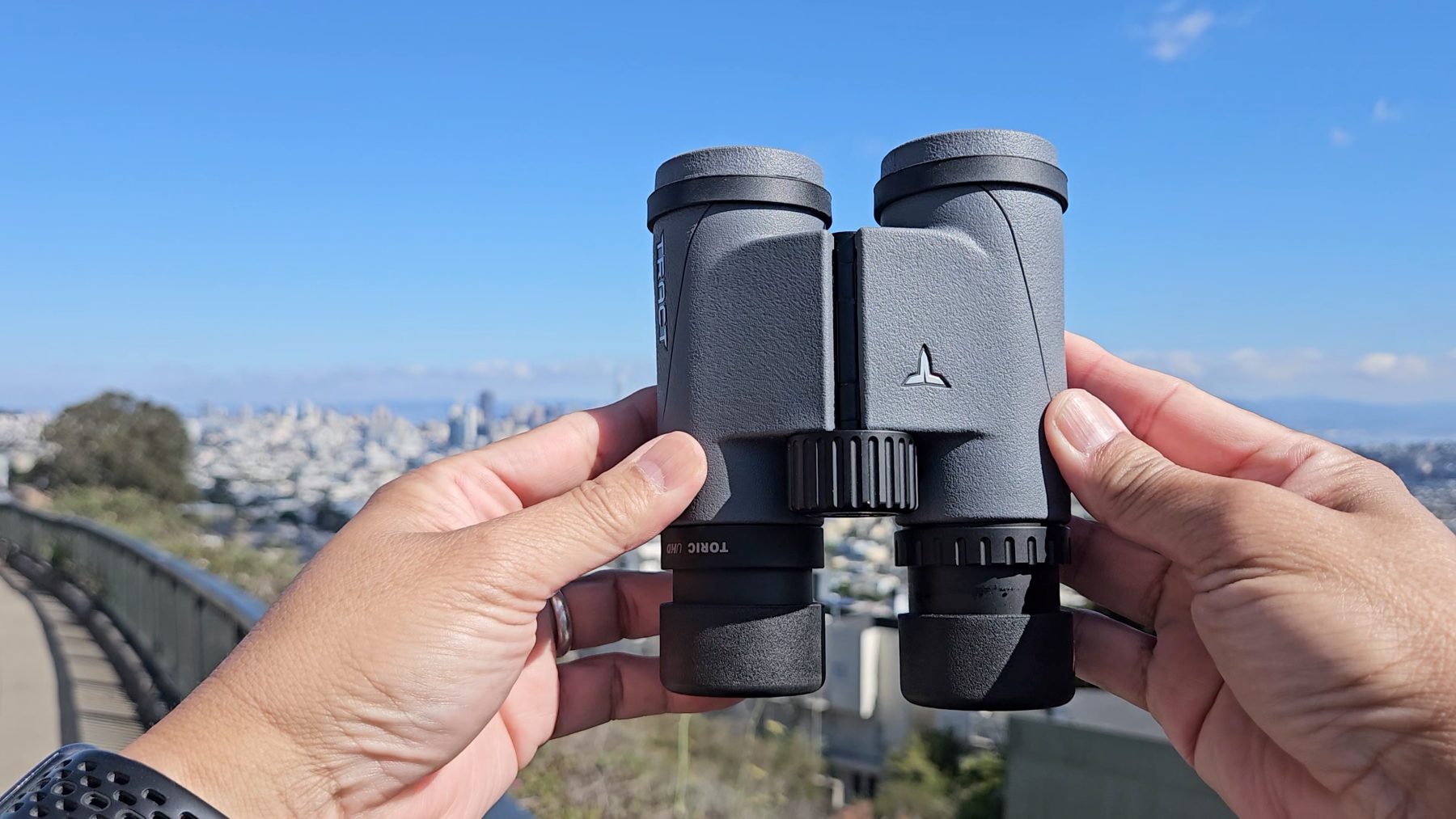
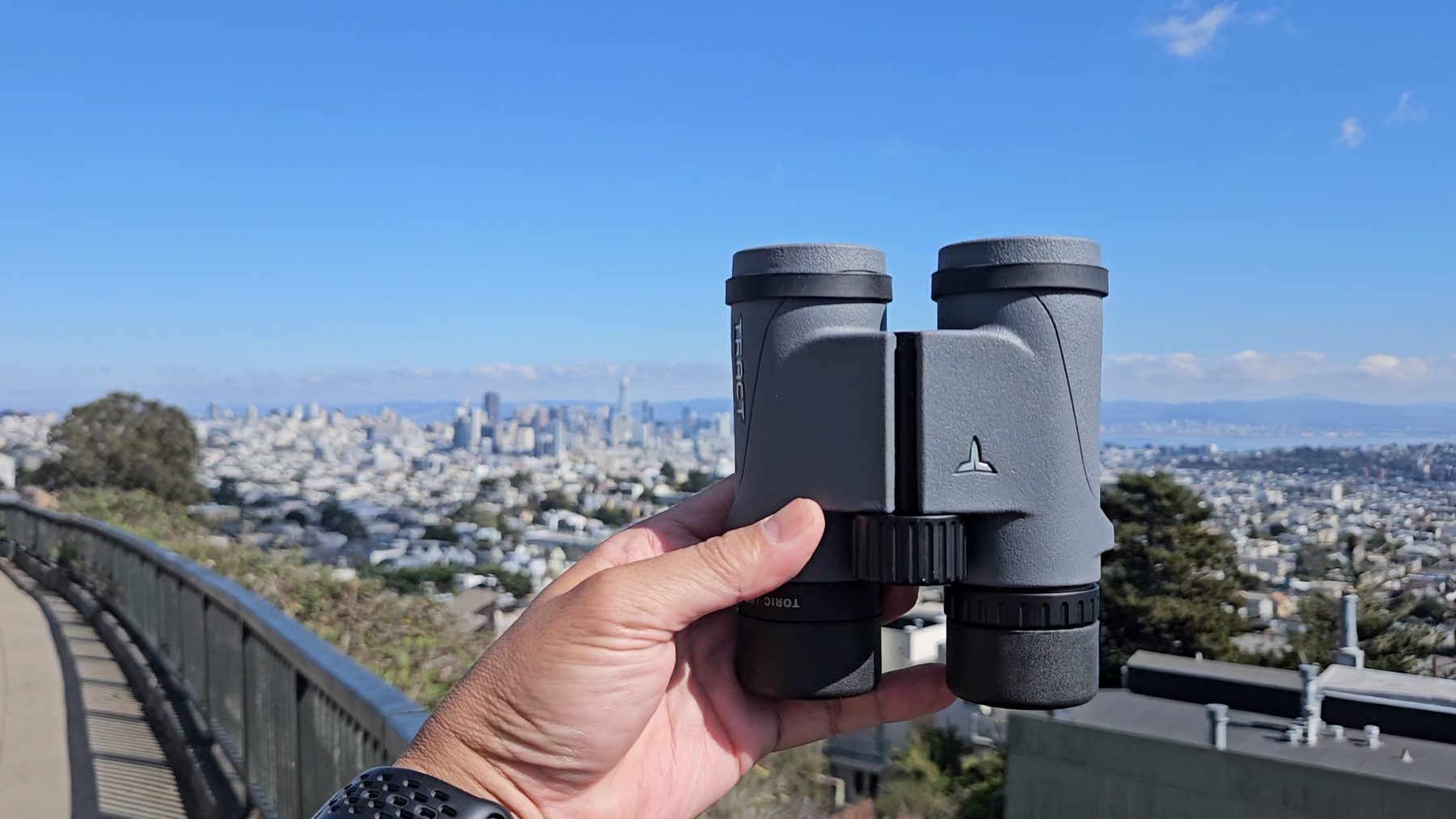
The Toric UHD 8×32 are the smallest and most compact model in Tract’s high-performance Toric line of binoculars. The Toric feature SCHOTT HT glass, which offer their highest levels of light transference, as well as reduced chromatic aberration. This is the same glass used in premium Zeiss scopes.
The Torics are designed and built in Japan to high standards. Not surprising as Tract’s founders were formerly at Nikon before that brand’s exit from the US sporting optics market. The Toric features ruborized armor around a relatively lightweight magnesium chassis.
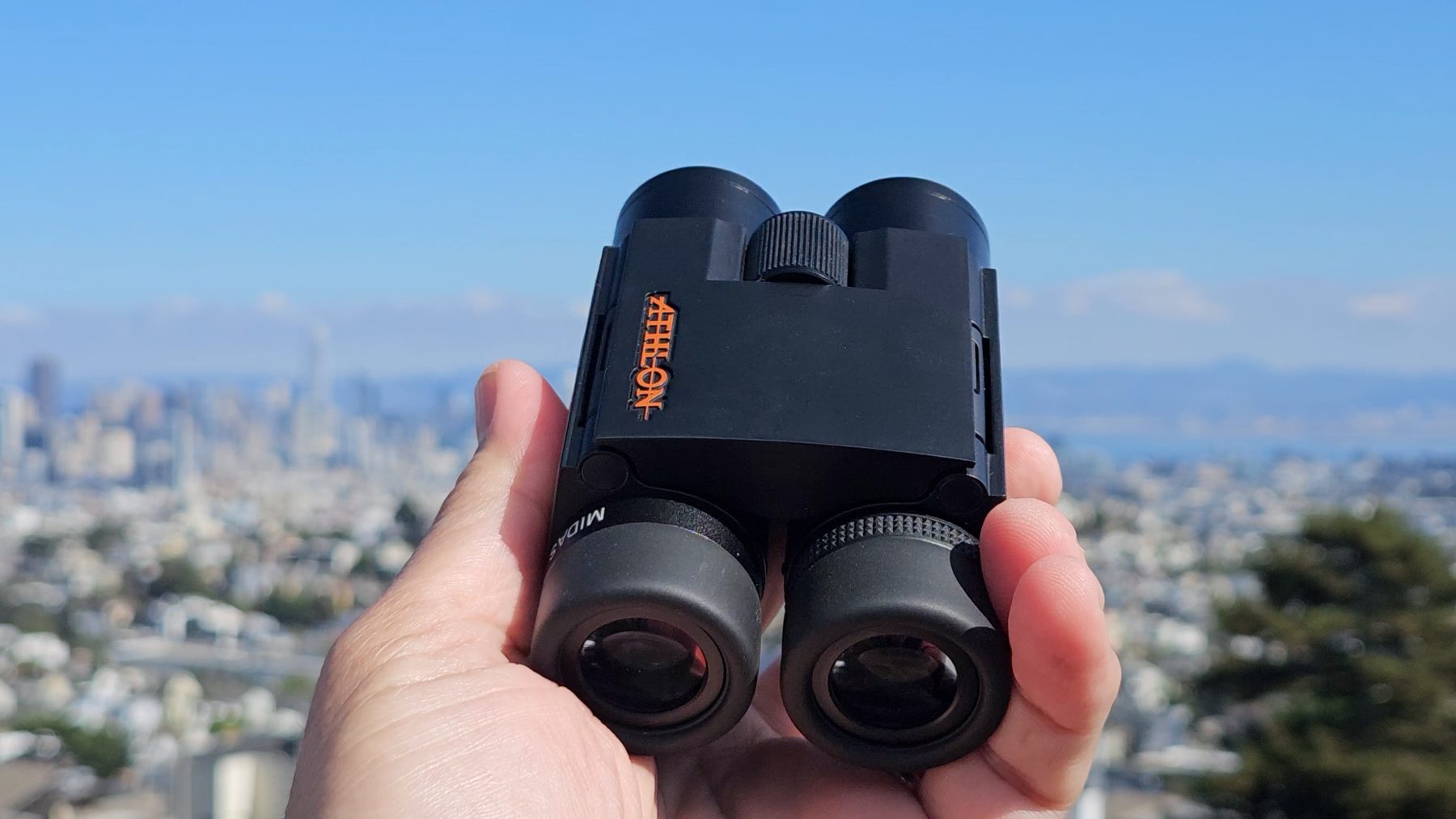
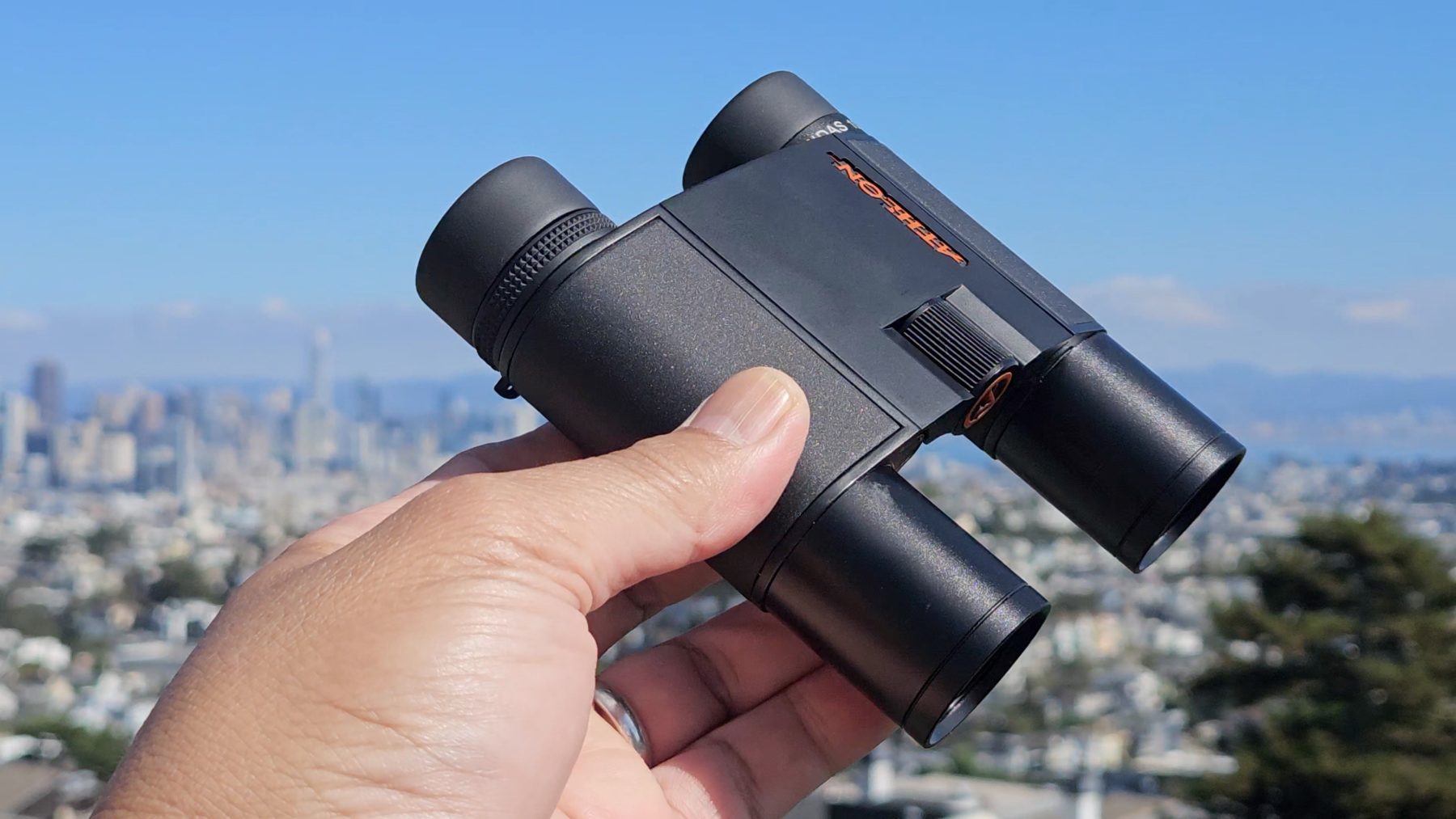
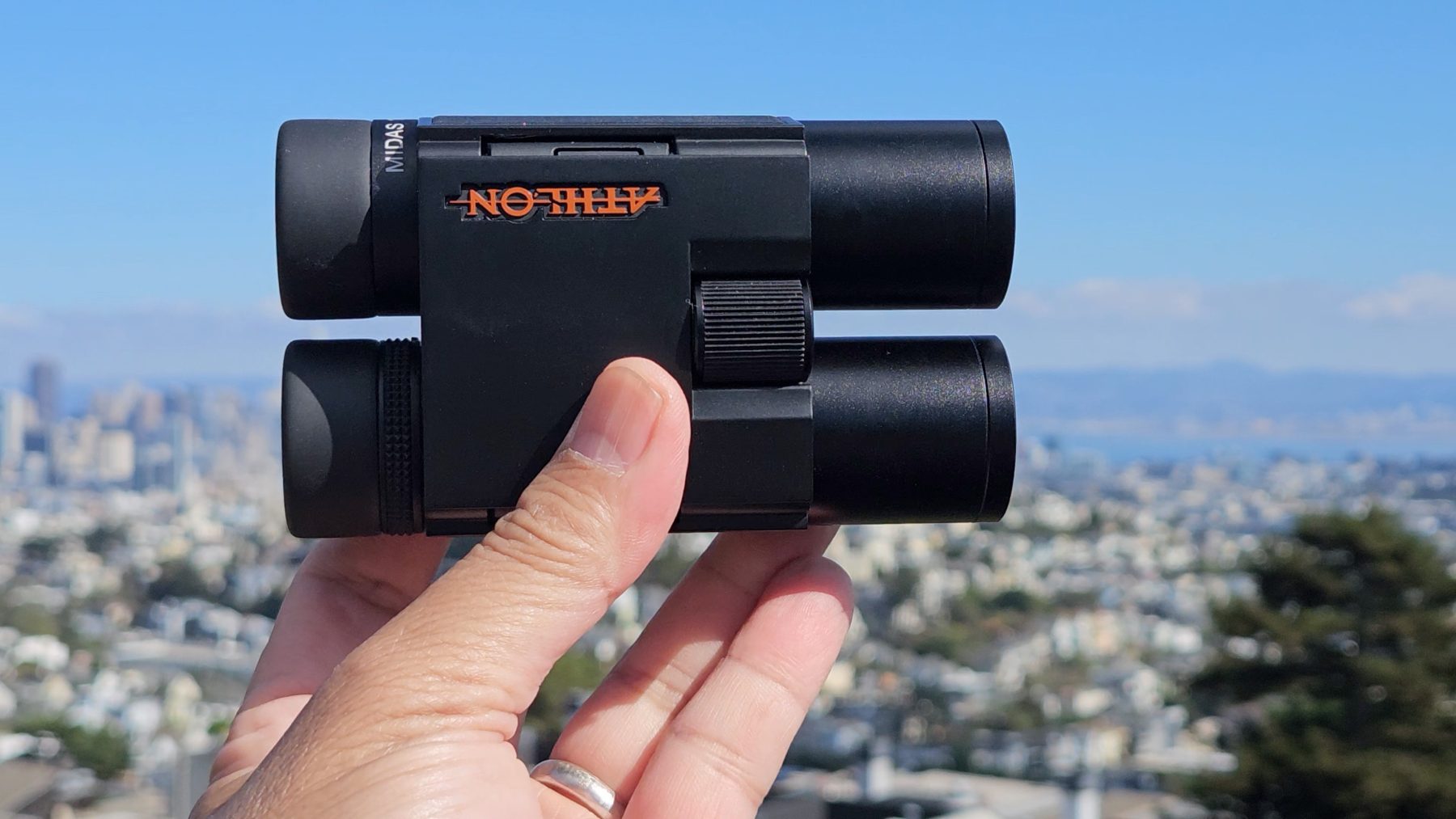
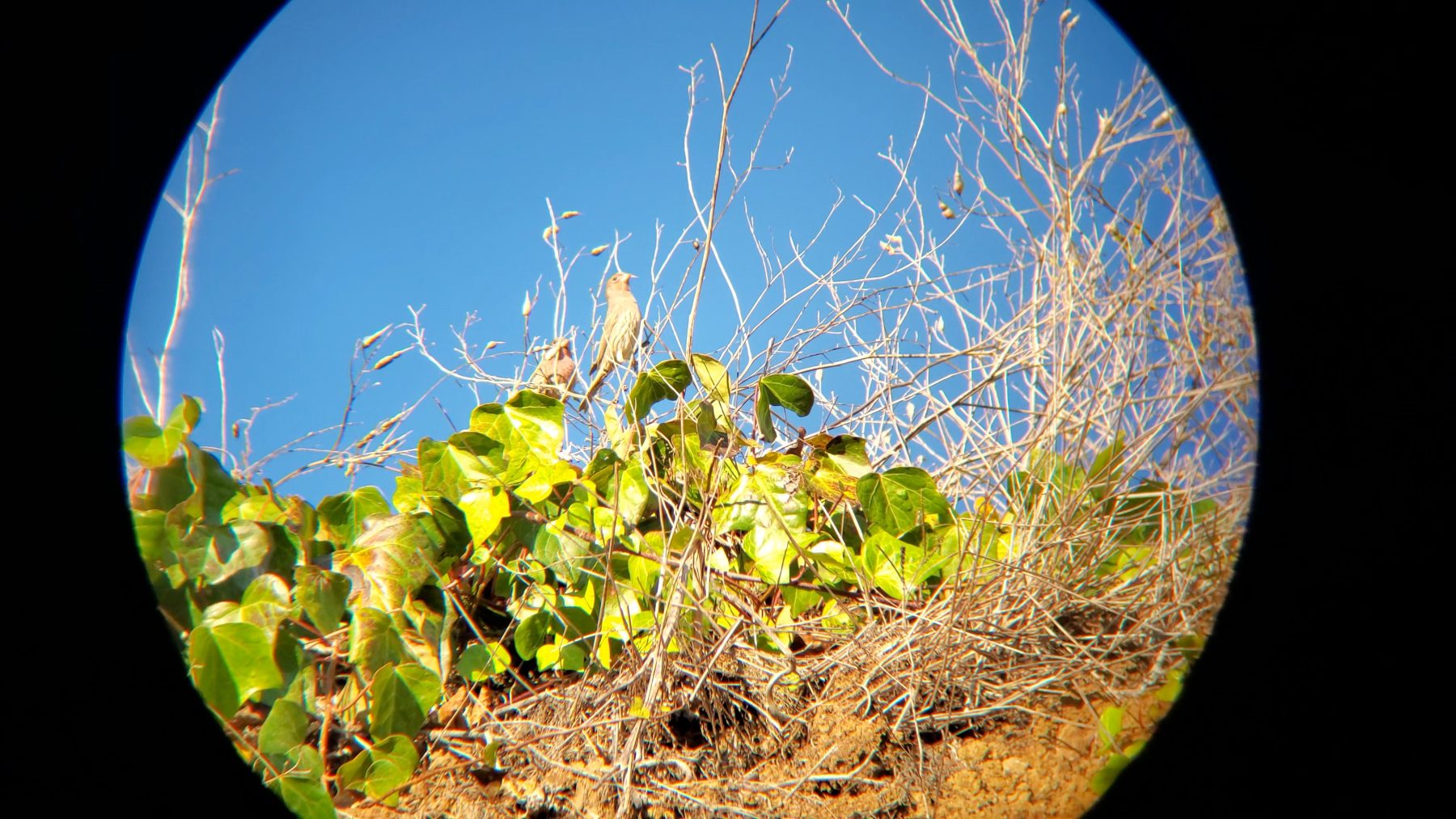
Athlon Midas G2 UHD 10×25 are Athlon’s smallest and lightest folding travel binoculars. But unlike other compact folding bino’s this has a decent eyebox and exit pupil which doesn’t look like you’re looking through a straw. And it features a decent sized 25mm objectives for good light gathering from its UHD glass.
It has a magnesium tube and frame which is light weight. Save for some plastic panels along the bridge, it is almost entirely metal. It comes with a nice padded case and neck strap but for maximum portability, it can fold compact enough that can fit into a shirt or pants pocket. This is practically an EDC kind bino that can be an excellent backup optic but with enough performance that it can substitute for a larger bino in a pinch.
Swarovski is known for some of the highest quality glass in sporting optics and some of the most expensive. The AX Visio 10×32 binoculars are nearly $5000. But that premium price isn’t just because it’s a Swarovski, it’s because the AX Visio has built-in visual A.I. components, allowing it to identify birds and wildlife.
When the user aims the binoculars at an animal and activates its ID system, it checks its internal database and displays the name of the bird or animal to the viewer. It has built-in GPS to reduce false positives by excluding animals that would not normally be located where the viewer activates it. For example, if the unit was used in California, it would not identify birds normally found in Australia.
I hold a slim hope that I can get a sample to test out.
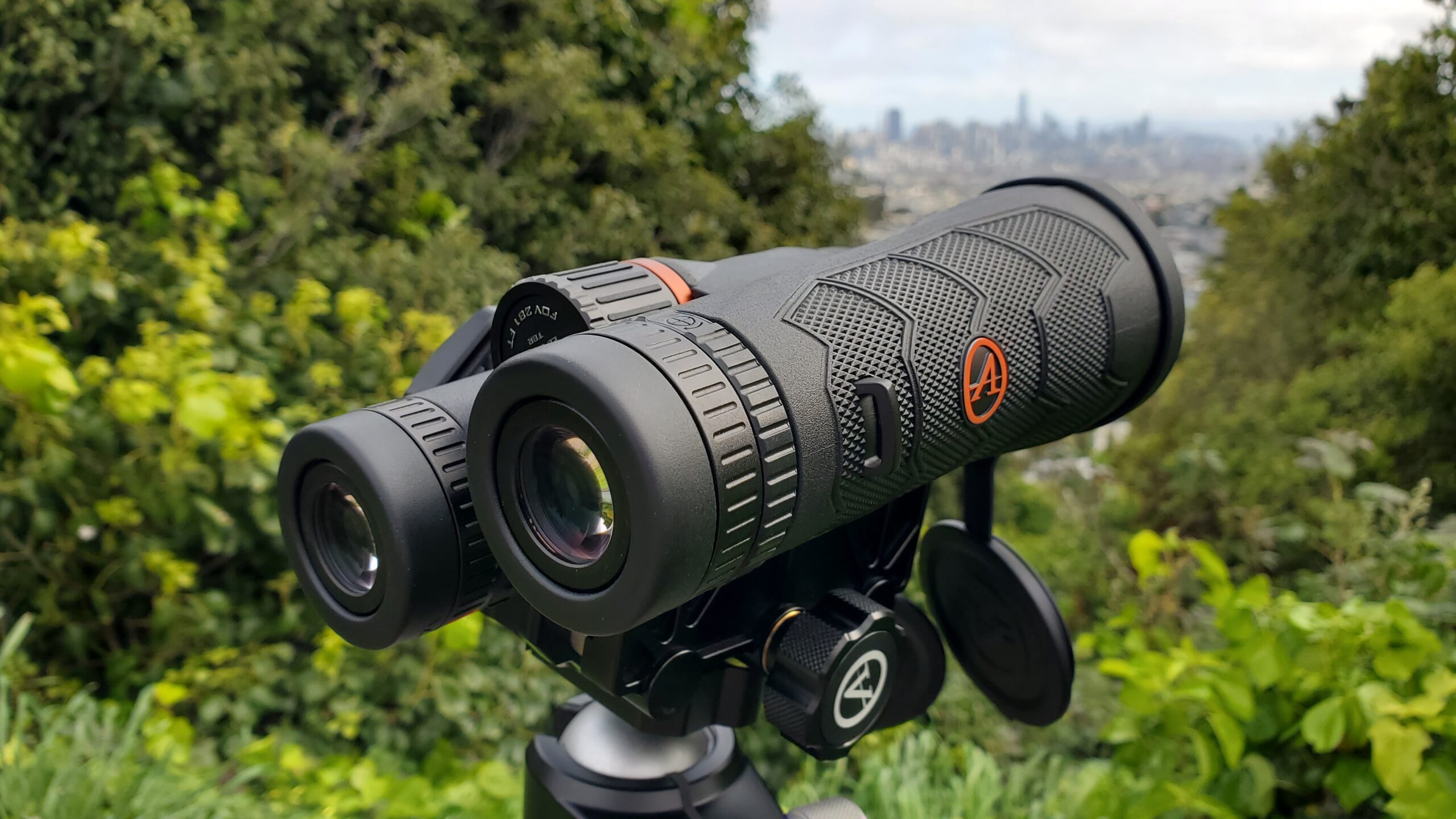
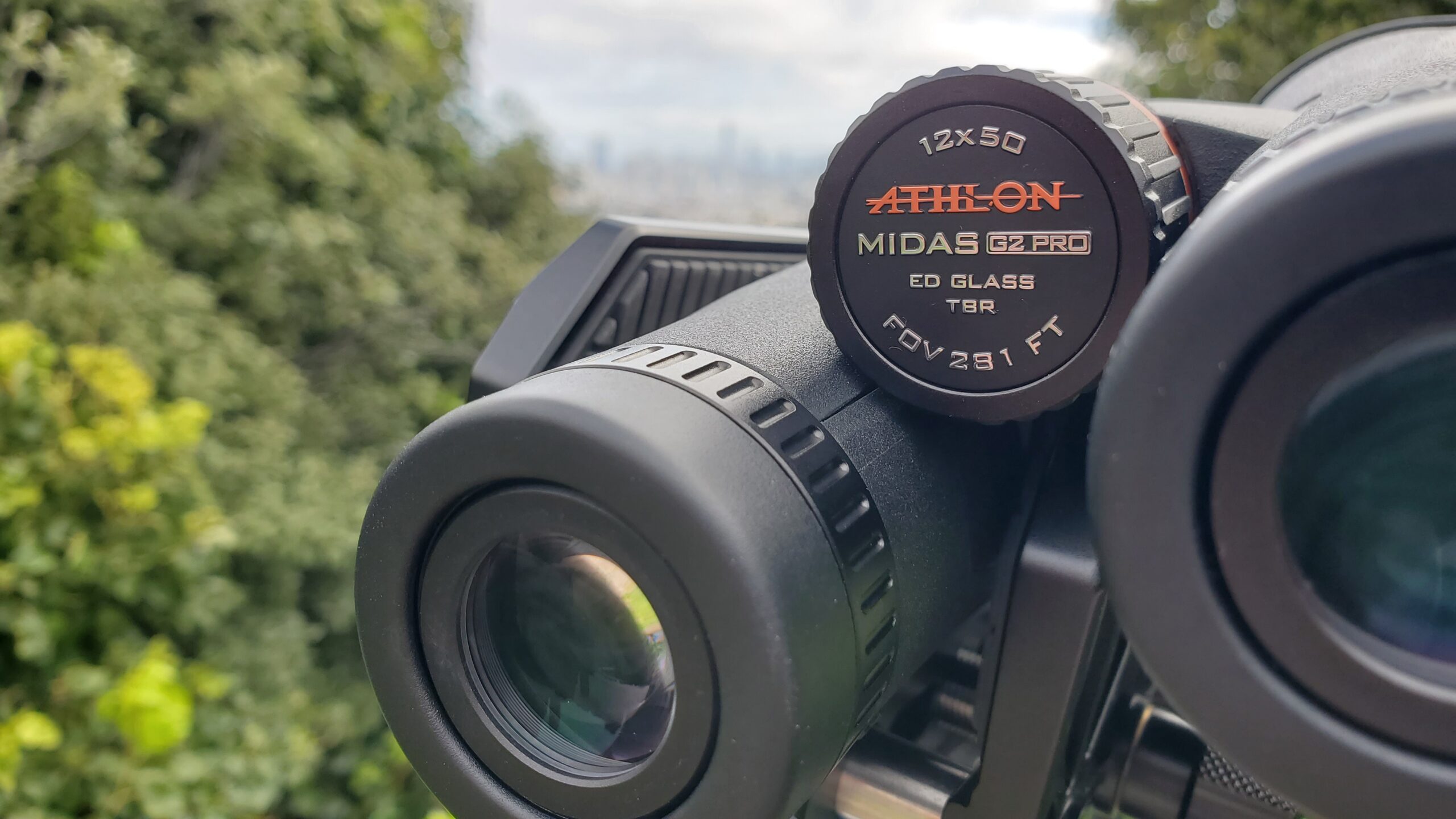
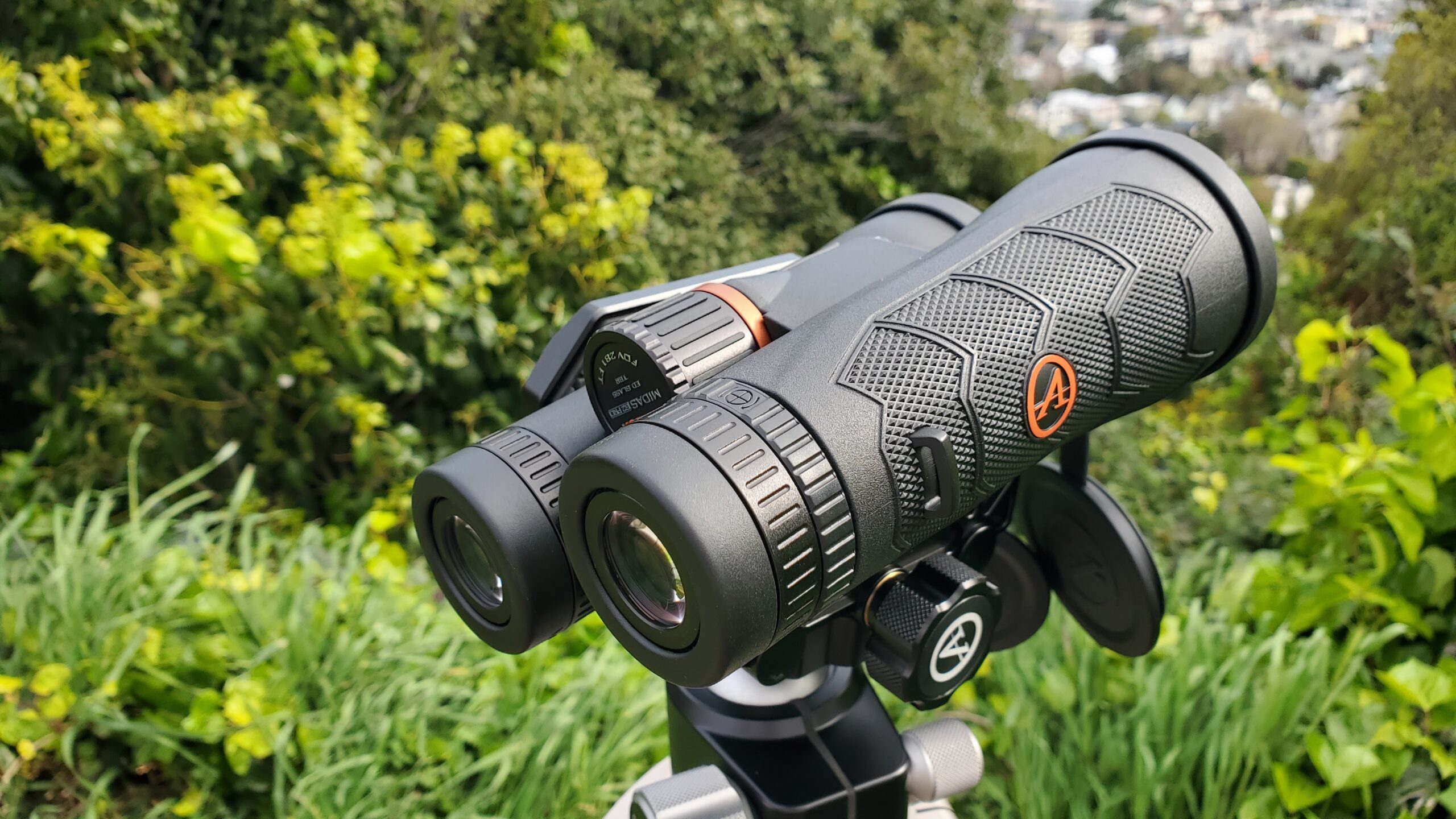
I reviewed the Midas G2 Pro 12×50 over a year ago and found they produced some of the clearest images I’ve tested from a 12x binocular under $500. Over the course of the year, it’s helped me spot my targets at the range and been a solid performer. Last week I took it to watch a major league ballgame at San Francisco’s Oracle Park.
Watching a ballgame is a different experience with this optic. I didn’t have a tripod or mount to steady and it was constantly scanning the field, fast panning to follow the ball and plays. In this use case, I found that the Midas was a bit more finicky to find its best focus. I found myself adjusting the focus and diapoter. I also found the exit pupil’s sweet spot to be slightly past the maximum extension of the telescoping eye-cups, so I’ll probably add some extended rubber cups if I want to use these at another ballgame.
Athlon’s Argos line is their value tier product line, a step up from their budget/entry level Talos. But taking a look at the build quality and features of the Argos Gen2 8×42 binoculars, it looks more like a premium optic. The tubes are encased in rubberized armor coating with checkerboard textured panels to add further grip in wet conditions.
The Argos comes with soft plastic retained front lens caps which are one of the few disappointing features. The retaining strops too easily slip off the front of the tubes when flipping open the caps. The rear caps are spectacle style which can be retained to the optic, when used with a neck strap. The rear lenses have built-in retracting eye cups.
Indicative of budget level optics, there was some softness in focus and increased chromatic aberration along the other edge of the image. The Argos does not have ED glass like their more expensive Midas and Cronos optics but was nicely bright and clear. For an 8x scope, the field of view is nice and wide with good depth of field.
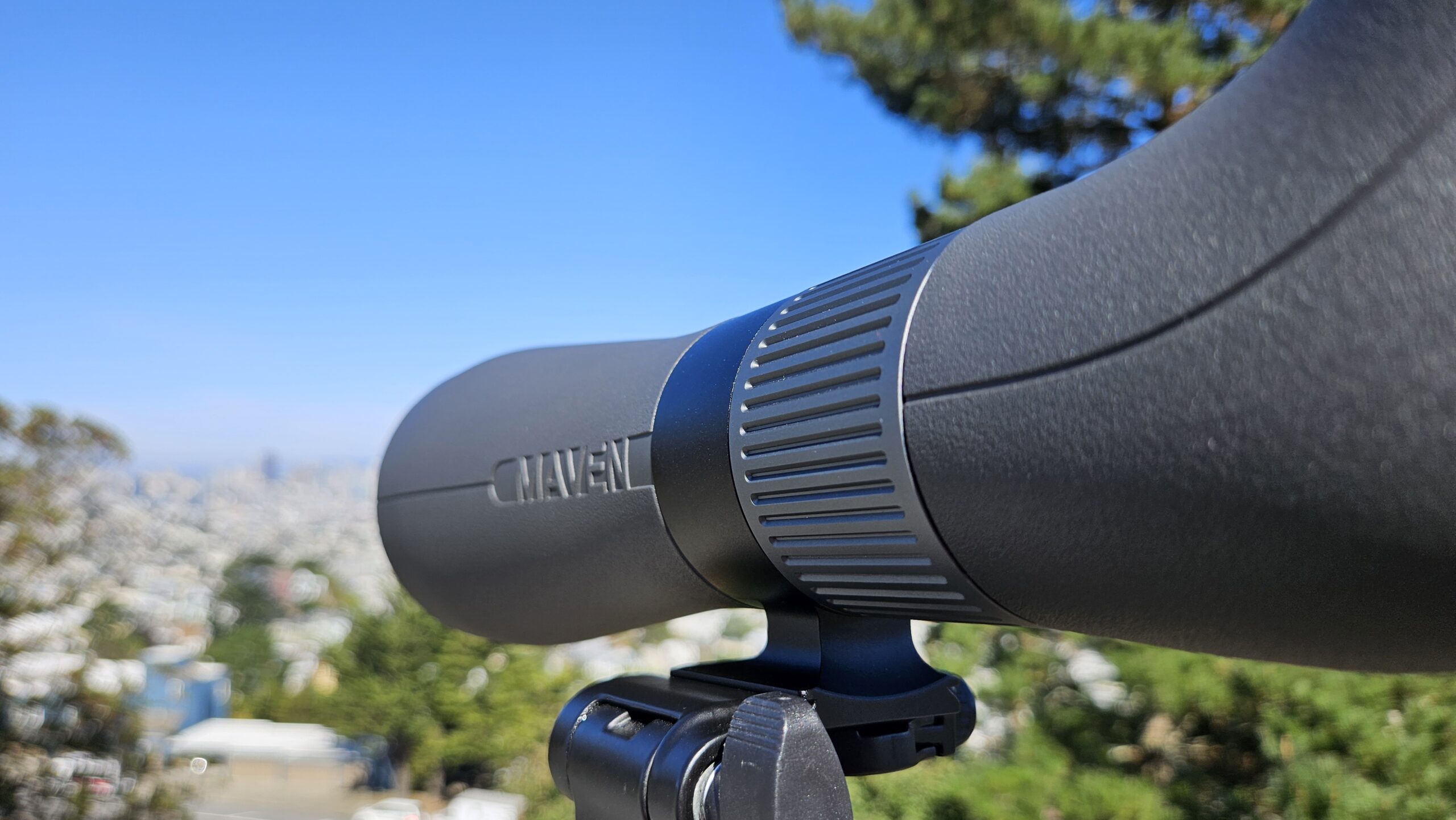
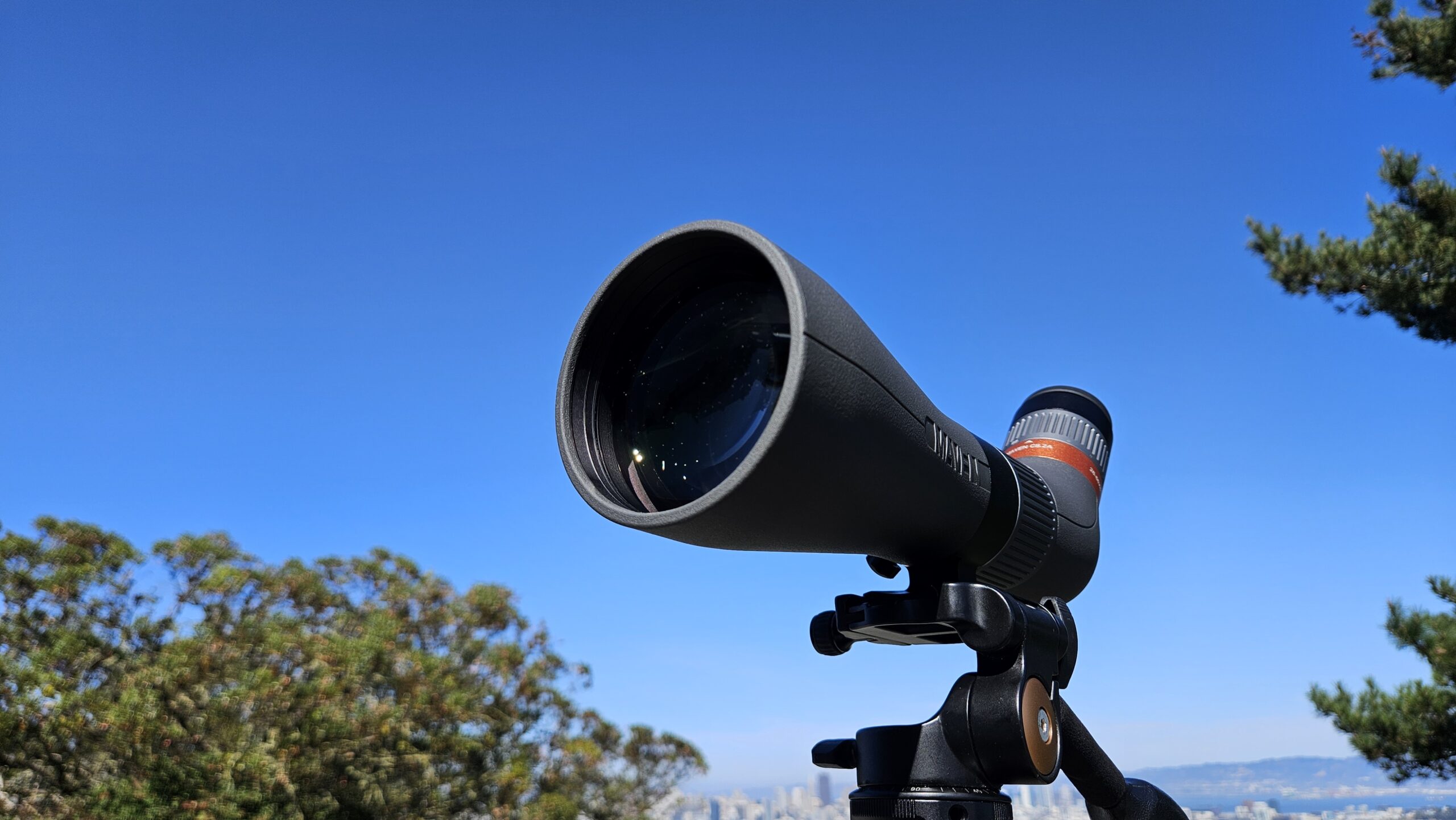
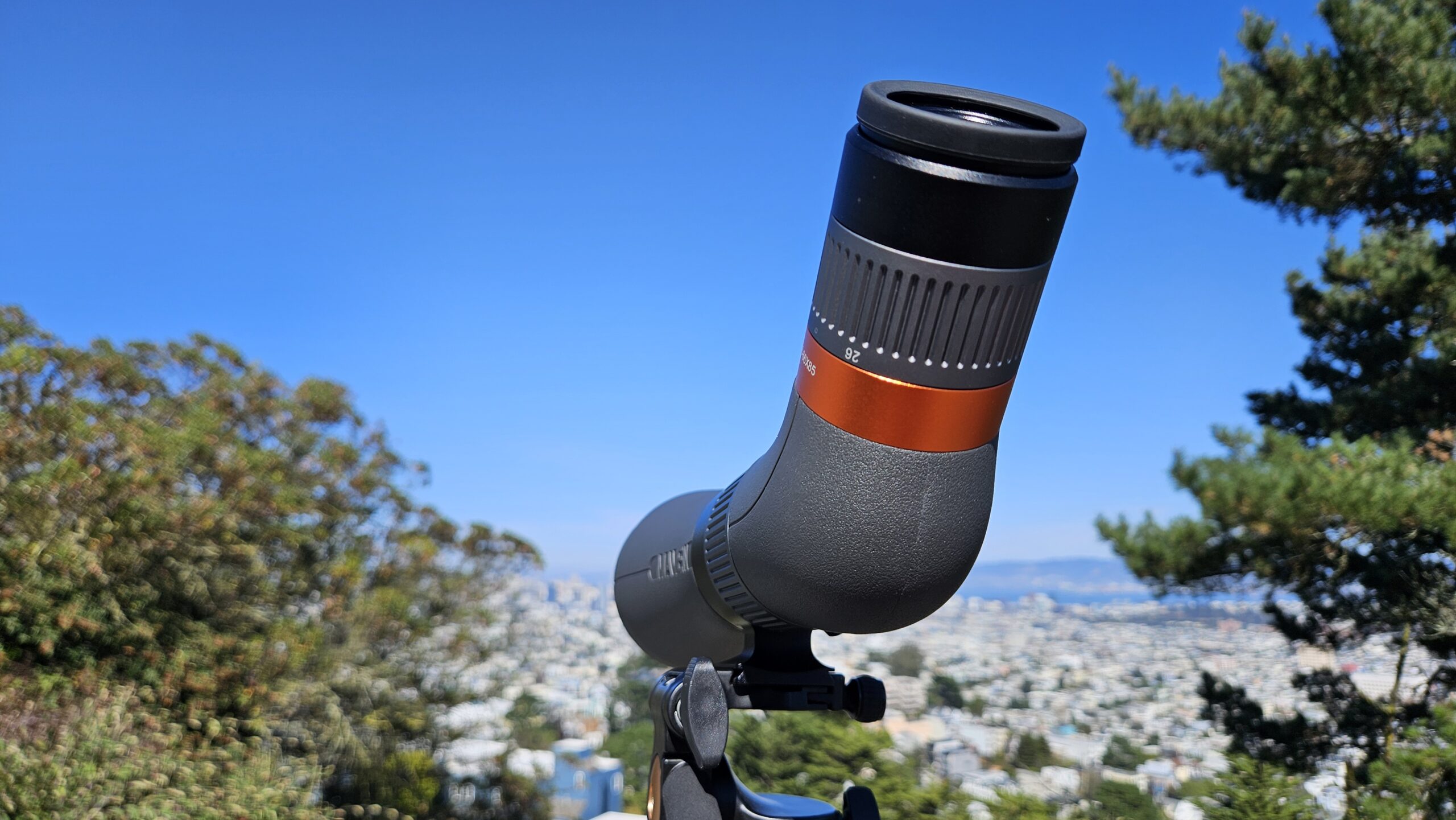
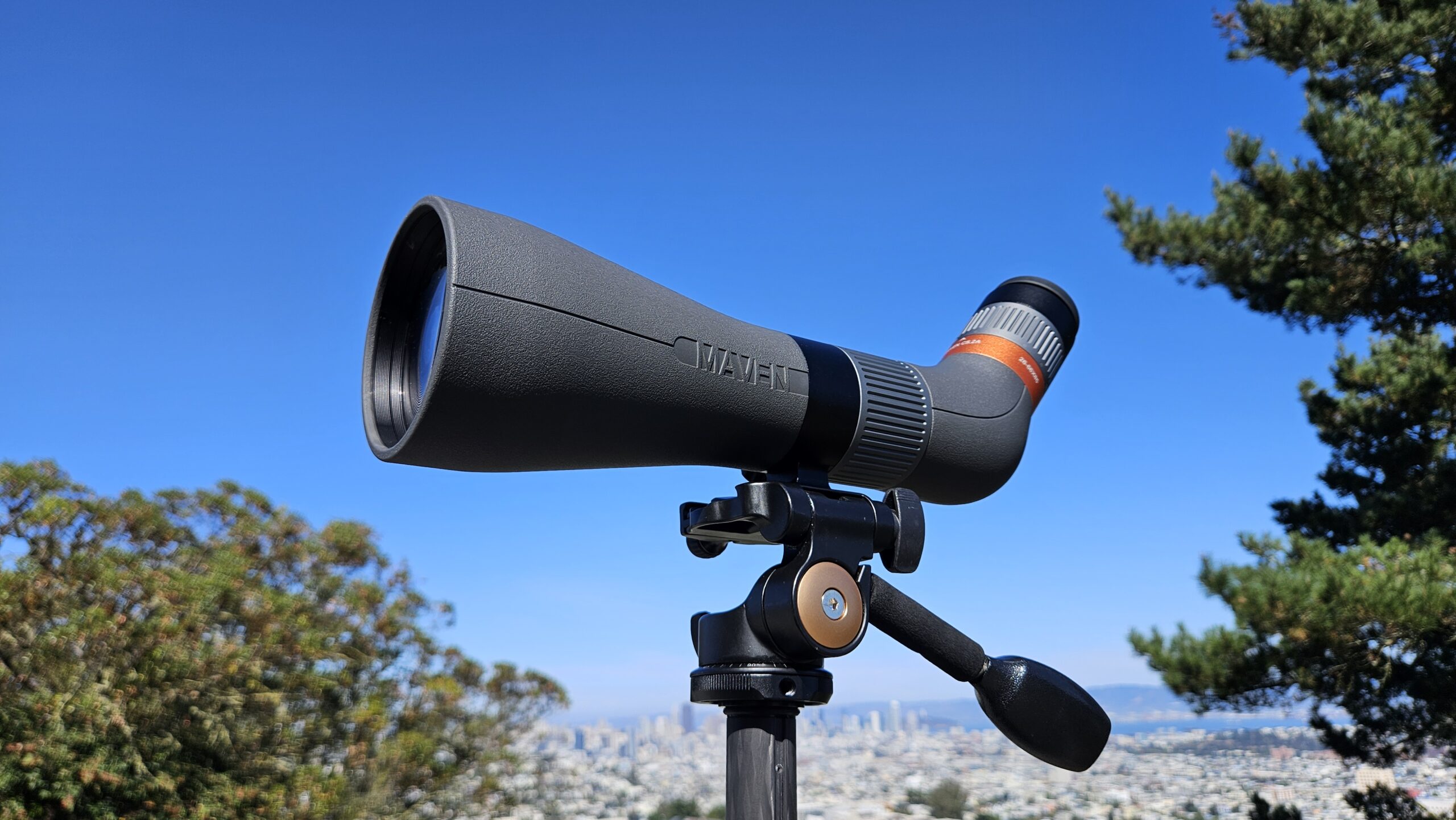
The CS.2A 26-66×85 is the most powerful optic in Maven’s C-line of spotting scopes and binoculars. It features Chinese ED glass and construction. But before you turn up your nose, know that there is a wide range of quality between various factories and cities in China. This scope looks every bit as well made as Maven’s Japanese built scopes, so much so that I honestly couldn’t tell the difference were it not for the MADE IN CHINA printing at the bottom of the tripod adapter foot.
The main difference between this scope and their more expensive Japanese spotters is that the C-line has ridges on its focus and power wheel, whilst the Japanese S-series spotters have a fine checkering. Otherwise, the C-line has the hallmarks of Maven’s scopes: Dark grey polymer armor on the body and smooth turning focus and power rings.
Optically the scope is sharp, bright, and with good color rendering. At maximum magnification, the image was slightly darkened but exhibited little if no chromatic aberration at long distance.
Sunwayfoto makes a wide range of carbon fiber, light weight photography, video, and hunting tripods. This is the opposite. This is a heavy weight all aluminum table top tripod. That isn’t in reference to its weight which is over 3lbs (remember this is a tabletop tripod that at its max is only 18 inches high). This tripod’s strong enough to hold up to 55lbs of equipment.
Sunwayfoto sent me both a tripod and a XB-52 ball head to test out. The tripod legs extend with a classic design where the leg extension is sandwiched between the support legs above it. The extending legs are double-headed with spikes on one end which can be removed and reversed for rubberized feet on the other. On the inside/bottom face of the legs are an additional set of rubber feet to allow the tripod legs to be splayed out a full 90º to allow the tripod to be placed as low as as possible on a table.
I tested the tripod at the range by attaching Maven 18x50mm binoculars. It handled this lightweight optic like it was nothing. Similarly when I mounted an AR with an ARCA/Swiss M-Lok adapter to the tripod, it prooved a beefy rifle rest. Unfortunately my final test was to try a telescope mounted on a Picatinny/ARCA adapter. Unfortunately, the XB-52 ball head offered strength enough to easily hold the rifle scope but there was just enough play that I wasn’t able to get a repeatable lock on a bullseye target at 100yrds when putting the turrets through a rough torture test.
My testing requirements are quite unusual so for 99% of the rest of you out there who have even the heaviest broadcast video rig or a high caliber rifle, this heavyweight tripod and ball head combination should well suit your needs.
Main Material: Aluminum Number of Leg Sections: 2 Max Height: 18.1 in./ 46cm Min Height: 0.16 in./ 5cm Length with legs folded:12.6 in./32cm Net Weight: 3.08 lb./1.4kg Load Capacity: 55 lb./25kg Screw Thread: 3/8″ Leg Angles: 30°、60°、90° Top Plate Diameter: 2.68 in./6.8cm
When choosing travel binoculars there’s a trade off between power and portability. With the Maven B.3 it meets a Goldilocks spot between both. The B.3 compact size and optical performance covers a wide variety of users from hunters to sports fans, to birders, naturalists, and travelers. Most of all it appeals to those who strive for efficiency and minimalism.
The B.3 comes in 6x, 8x, and 10x models, all with 30mm objective lenses and the same body. The differences in magnification also provide differences in field of view and depth of field, inverse to its magnification power. I chose the 8x to as the best balance of both. On Maven’s website, you have the ability to custom design and order your optics; selecting the color of components, including adding commercial camouflage patterns.
The B.3 also features ED glass for clarity and color balance. It has a generous depth of field, a wide field of view, and a silky focus mechanism. Like all of Maven’s optics, it is also the most stylish and aesthetically designed sports optics on the market.