I’m not a fan of prism optics. While lighter than an LPVO, prisms have the same limited eye-box of an LPVO (or worse) without the advantages of changing magnification.
But the Vector Paragon micro prism changed my expectations. It has a crazy deep eye relief, and offers a sharper image than a red dot.
The Upgraded SV202 are budget-priced sporting binoculars with ED glass (Extra Low Dispersion). Overall build quality was good, on par with more well-known brands like Athlon or Bushnell. They come with a generic padded case, captured lens covers, and built-in telescoping eye cups.
Equipped with ED glass, the optical image was bright and sharp with minimal chromatic aberration. Its specs compare favorably against the Vortex Diamondback 8×42. While not as high-contrast as Vortex, the SV202 is just as clear at half the price.
SpaceX is expected to be the biggest IPO in history. Paul Dravis of Future Perfect Machine will help explain what this means and why people think SpaceX is worth over $1.5 trillion. This video is sponsored by Venice.ai. Get a free trial, go to https://venice.ai/moondog or use code MOONDOG to get 20% off a Pro Plan. Enjoy uncensored and private A.I. with Venice.
Paul Dravis is a former Managing Director of Bank of America, a former VP at JPMorganChase, and the founder of Future Perfect Machine, a technology analysis and consulting company focused on emerging technologies.
THIS WEEK
Moondog2A
Moondog Reviews
Moondog Go
BRAND CONTEST CLUE
This American car company is the largest maker of electric-powered vehicles, and also a major manufacturer of home battery power, solar panels, and now robots.
DOWN THE RABBIT HOLE
SPACEX
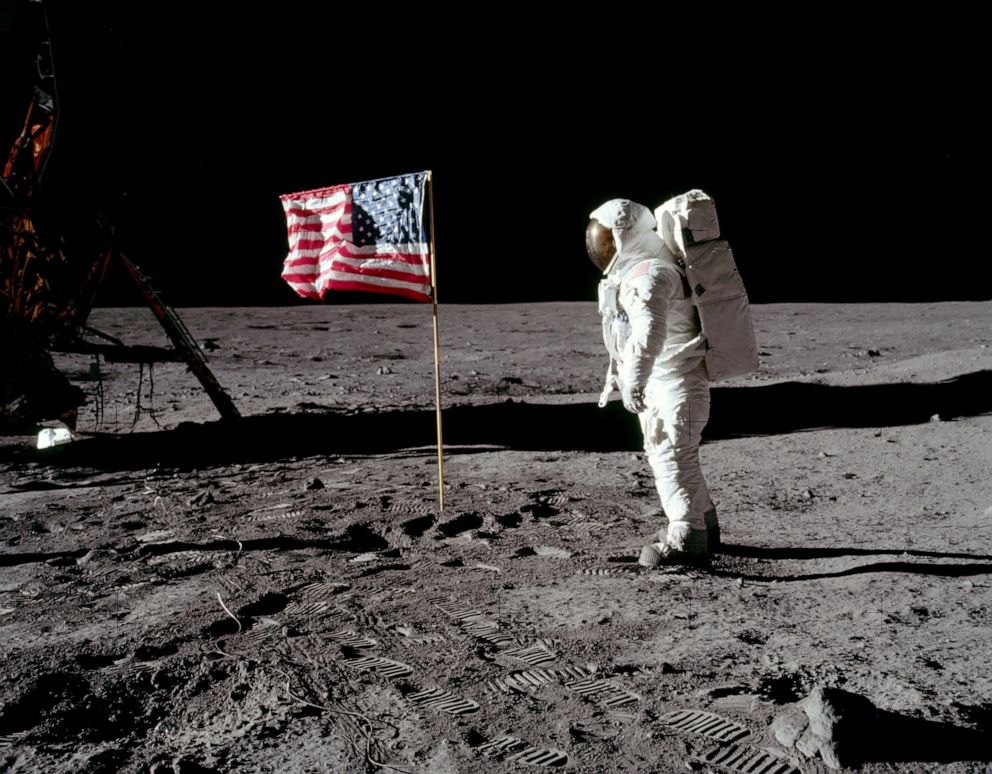
Space Exploration Technologies Corporation (SpaceX) is an Texas based aerospace and artificial intelligence company founded in 2002 by Elon Musk; with the goal of starting a human colony on Mars. Today it’s the most successful private space-launch company and the first to successfully and repeatedly launch and land fully-reusable booster rockets.
They have been contracted by NASA to service the ISS and to provide launch and hardware for NASA’s moon landing missions. In addition to rockets, SpaceX builds and operates the Starlink space-based internet service.
SpaceX filed an S1 and is expected to IPO sometime in June 2026 with an estimated value of over 1.75T.
SpaceX key financials
Connectivity (Starlink): $11.4 billion revenue and $4.4 billion in profit in 2025 (30% operating margin). Space (Launch/Manufacturing): $4.1 billion in revenue with an operating loss of $657 millino in 2025. AI & Compute: $3.2 billion in revenue but $6.4 billion operating loss in 2025
Comparing SpaceX to IPOs from Amazon, Google, Facebook, and Tesla (from Venice.ai)
Based on my research, SpaceX filed its S-1 prospectus in May 2026. Here’s the comprehensive comparison:
SpaceX S-1 Filing (2026)
Metric
Value
IPO Target Valuation
$1.75 trillion
2024 Revenue
$14.1 billion
2025 Revenue
$18.7 billion (33% growth)
2024 Net Income
$791 million profit
2025 Net Income
$4.94 billion loss
Q1 2026 Net Loss
$4.28 billion
Space Segment Revenue (2025)
$4.1 billion
Starlink Revenue (2025)
$11.4 billion (61% of total)
Total Addressable Market
$28.5 trillion
Key Insight: SpaceX swung from profitability in 2024 to massive losses in 2025 due to the xAI merger and heavy AI investments. The company is going public while burning billions quarterly.
IPO Comparison: Revenue vs Expenses
Company
IPO Year
Revenue at IPO
Profitability at IPO
IPO Valuation
Amazon
1997
~$15.7M (1996)
Operating Loss
$438M
Google/Alphabet
2004
~$3.2B (2004) / $961M (2003)
Profitable ($143M H1 2004)
$23B → $1.7B
Tesla
2010
~$112M (2009)
Net Loss
$1.7B
Meta
2012
$3.7B (2011)
$1B Profit (27% margin)
$104B
SpaceX
2026
$18.7B (2025)
$4.94B Loss
$1.75T
Current Market Value & Gains Since IPO
Company
IPO Valuation
Current Market Cap (May 2026)
Total Return
IPO Price
Current Price
Amazon
$438M
$2.86 trillion
~652,000%
$18
~$268
Alphabet
$23B
$2.8 trillion
~12,000%
$85
~$383
Tesla
$1.7B
$1.6 trillion
~94,000%
$17
~$432
Meta
$104B
$1.55 trillion
~1,400%
$38
~$605
SpaceX
$1.75T (target)
N/A (pre-IPO)
N/A
TBD
TBD
Key Observations
SpaceX is unprecedented in scale:
Revenue ($18.7B) is 5x higher than Meta’s at IPO
Valuation target ($1.75T) is 17x higher than Meta’s IPO valuation
Yet it’s losing $5 billion annually vs. Meta’s $1B profit at IPO
Historical Pattern:
Amazon & Tesla: IPO’d unprofitable with minimal revenue → Massive long-term gains (65,000% and 94,000%)
Google: IPO’d profitable with strong growth → Solid gains (12,000%)
Meta: IPO’d highly profitable with established business → Moderate gains (1,400%)
SpaceX Risk Profile: SpaceX combines the massive scale of a mature company with the losses of a growth startup. Its $4.9B annual burn rate and $1.75T valuation make it the most expensive unprofitable IPO in history.
This car company was founded in 2003 by Martin Eberhard and Marc Tarpenning. It is named is a tribute to the inventor and electrical engineer Nikola Tesla. In February 2004, Elon Musk led a group of investors and was named the company’s chairman. Under his leadership, this company went public and has a Market Cap of over $1T .
I tested Bear Creek Arsenal’s BC15 bolt action AR upper and it was far from a stellar experience. BCA is known for making budget-priced ARs and components, but they also have a reputation for budget-quality construction. Out of the box, the BC15 had a rough action, as you can see in my review video.
I received some helpful comments from BC15 owners to improve the action. I stripped down the bolt and thoroughly cleaned and lightly lubed it with CLP. Reassembling, I still found that the lugs would catch and the bolt would not release reliably. I disassembled the bolt again, this time I put a buffing wheel on a Dremmel and carefully polished the lugs until I could start to see shining metal. I was careful not to grind and round out the lugs. My goal was to mechanically simulate running the bolt hundreds of times, breaking it in. After reassembly, the bolt finally ran clean and smooth.
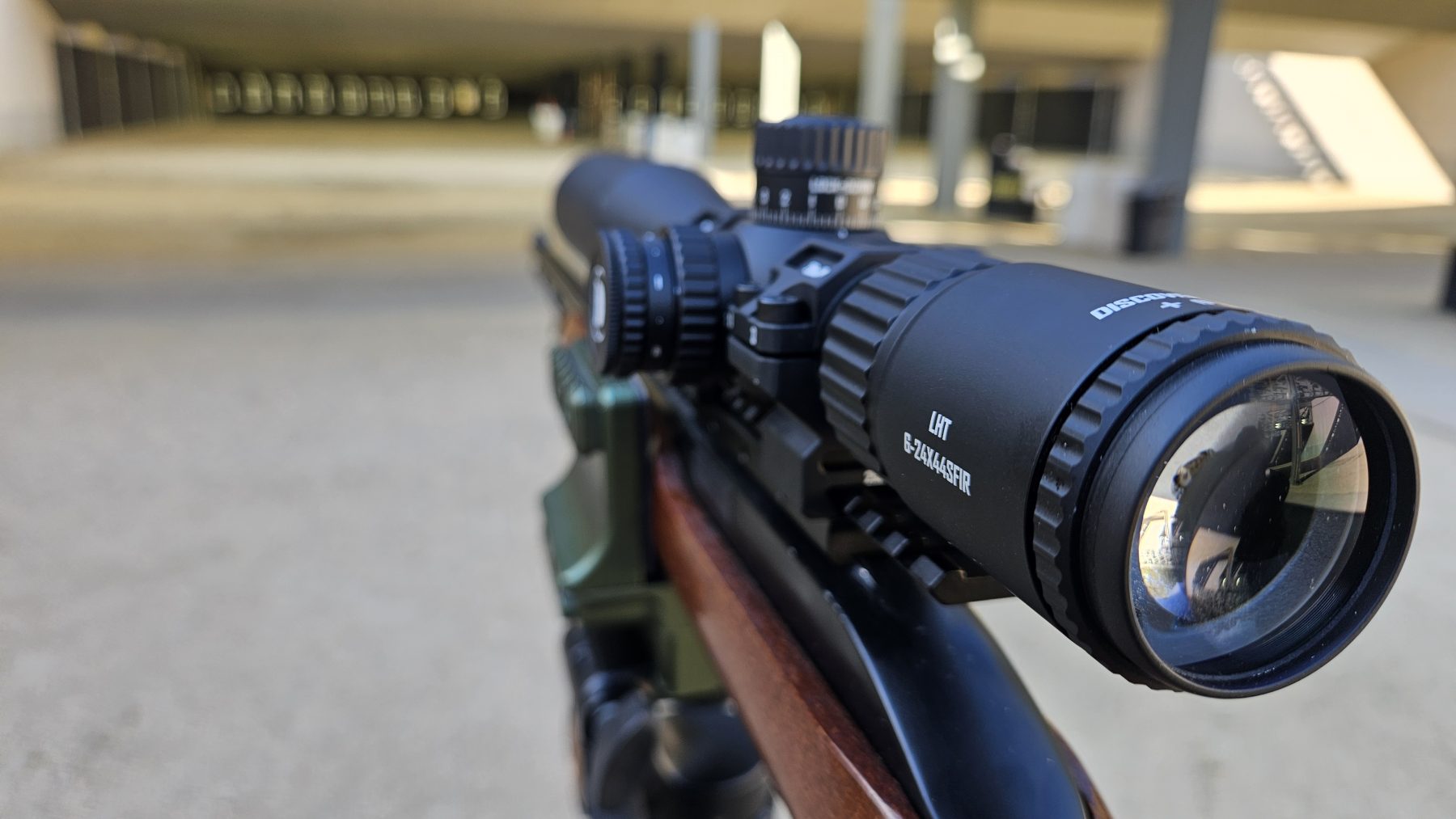
I mated the BC15 to my Anderson lower with a CA-compliant Hera CQR stock, the same lower I used to originally test the BC15. I swapped out a Discovery Optics ED-PRS 5-25×56 for a ED-LHT 3-15×50; a smaller and lighter scope that has the same clear Japanese ED glass. I also used a Discovery Optics Lightweight cantelever mount for a better eye relief.
At the range, the experience with the BC15’s bolt was night and day compared to my original video. The bolt ran smoothly as a bolt action should run out of the box. It makes me wonder why BCA didn’t polish the bolt lugs, as I did before assembling the BC15? At the factory, this would add perhaps 5-10 minutes of work. But BCA could increase the price of the already dirt-cheap BC15 by a modest $50, which is far less than they probably pay a workshop employee per hour. Just a thought.
The ED-LHT was also a better scope for my budget AR build. It is smaller and lighter than the ED-PRS while giving me more than enough magnification and clarity to see my 4″ target diamonds at 100 yards. Though neither cleaning the bore nor adding the ED-LHT improved my 2″ group, this is still tighter than any group I’ve shot with my normal semi-auto AR.
After my interview with Uintah Precision on my TMI livestream show I was pleasantly surprised to receive a package in the mail. Inside was a plain black round tin, and inside was the Victoris trigger. The Victoris is a high-quality, drop-in, single-stage AR trigger. It has a remarkable 1.5lb break with no take-up and a crisp, fast reset. The installation instructions came in a print-out sheet outside of the tin, which oddly read “Do not use anti-walk pins.”
I asked Uintah about this, and they said this was a workaround to prevent returns by unhappy customers. Those buyers who used anti-walk pins often failed to tighten the lock-in screws, which provide the correct tension on the trigger. This caused the trigger to break inconsistently and more heavily than 1.5 lbs. Technically, I could use anti-walk pins, provided I torqued the set screws.
Correctly installed in my budget Anderson lower with a 223 Wyld upper and a Discovery Optics ED-LHT 3-15×50 scope, I tested the setup at the gun range. The trigger was a delight. After gently resting my finger on the trigger, I barely pressed, and I would send my shot. This helped prevent me from accidentally jerking the trigger and provided tighter groups than I typically get with this rifle.
Note that an ultralight break removes the safety margin against accidental discharge needed for everyday or home-defense ARs. The Victoris’ premium price also naturally discourages the casual user from picking up one of these triggers. For bench rest or long-range precision AR setups, ultra-light triggers like the Victoris are ideal for improved shooting.
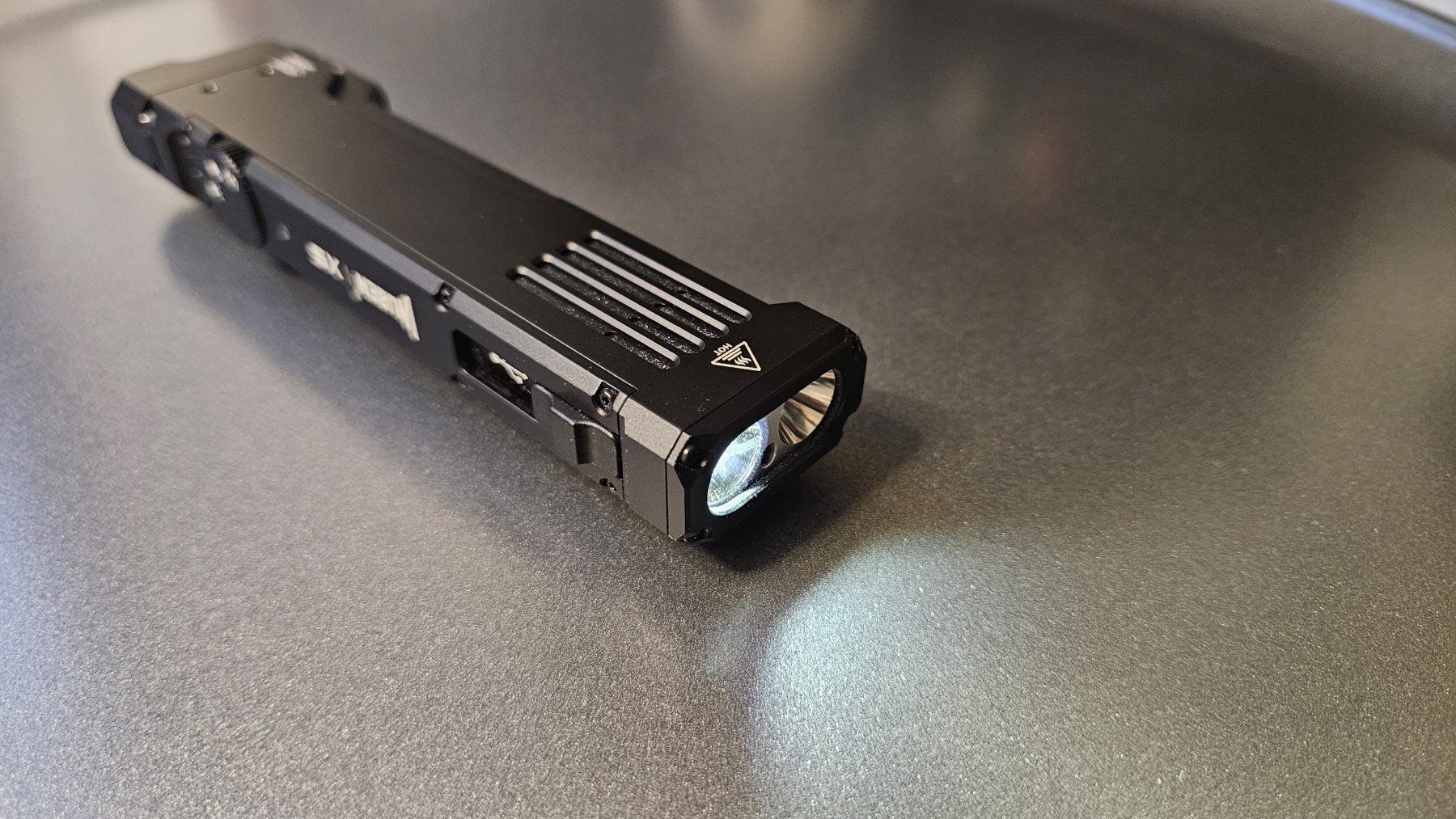
Olight upgraded their already best-selling OCLIP Pro with a new S model. It looks practically identical on the outside. The OClip is named for the large spring clip built into the body that allows the flashlight to clip onto clothing, gear, and objects; and has an embedded magnet to be attach to metal surfaces.
But the difference is more colorful. Instead of simply outputting a red beam for night vision preservation, the S model now offers RGB color; you can cycle between red, green, or blue color output.
The OClip is designed to clip on pockets, backpack straps or even a hat brim. But note that attached to a hat brim The OClip illuminates as much of the user’s face as it does items at hand reach.
Despite its limited beam direction and mounting choices, the design is compact, elegant, and affordable.
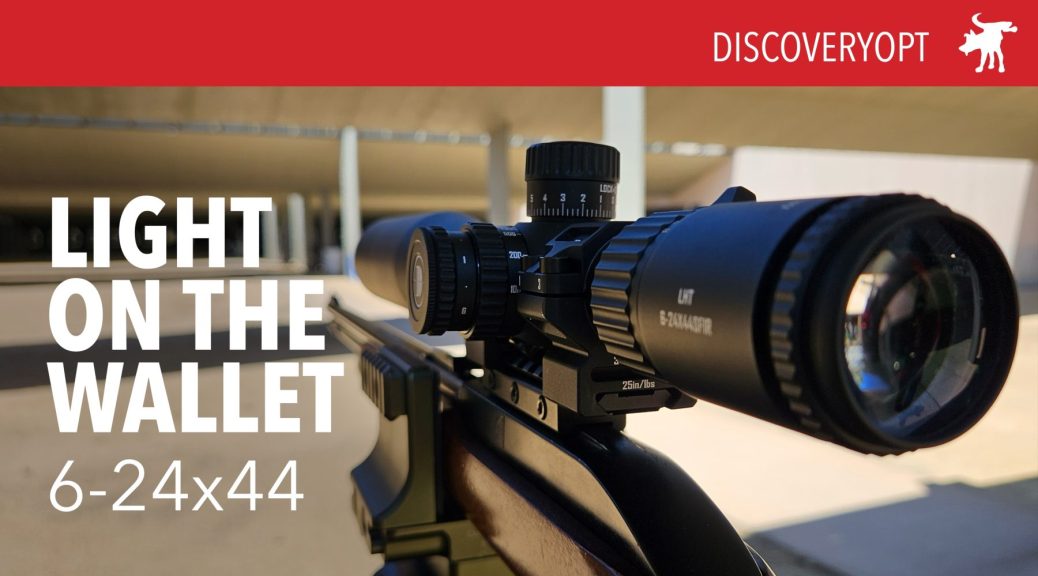
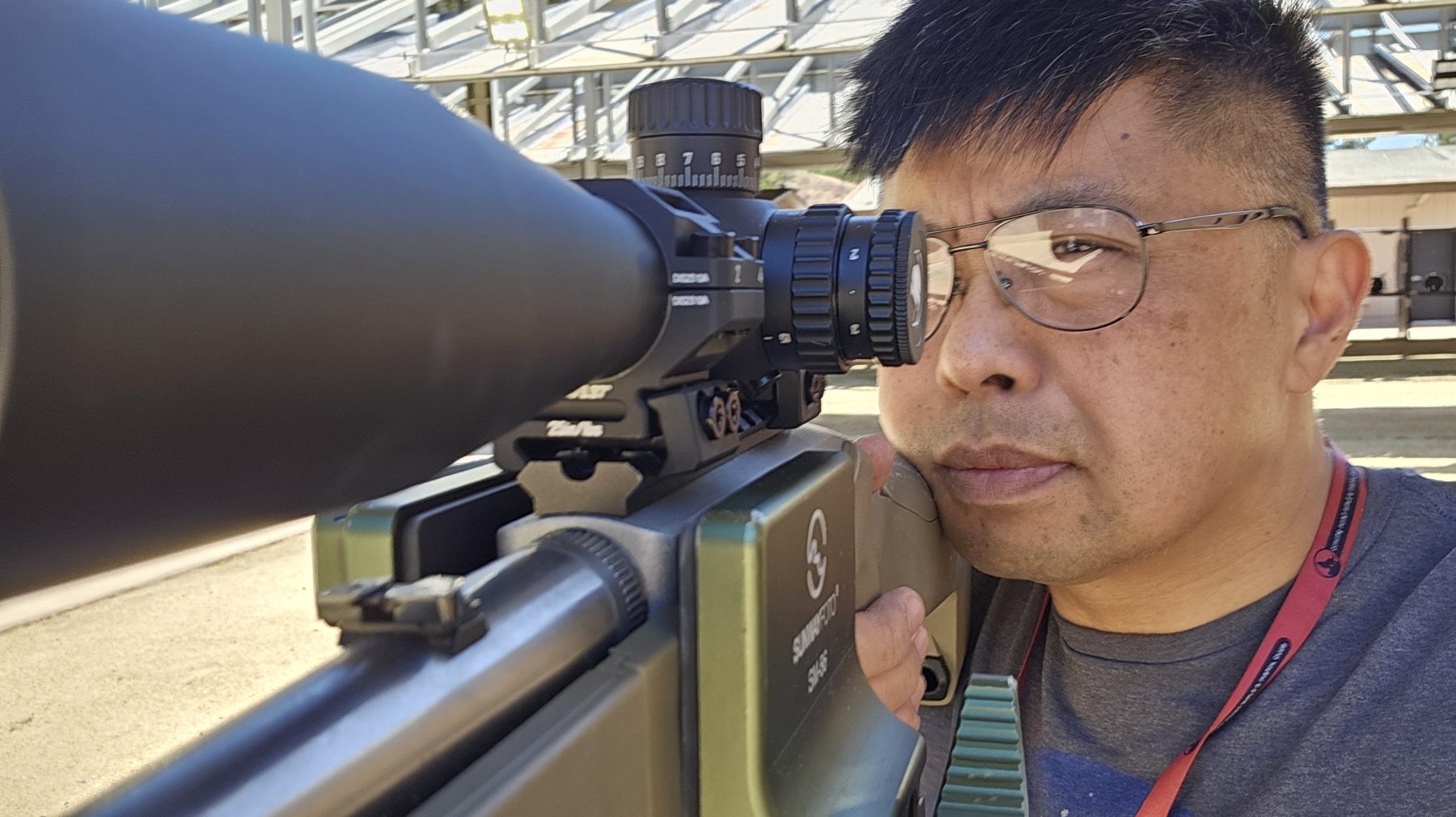
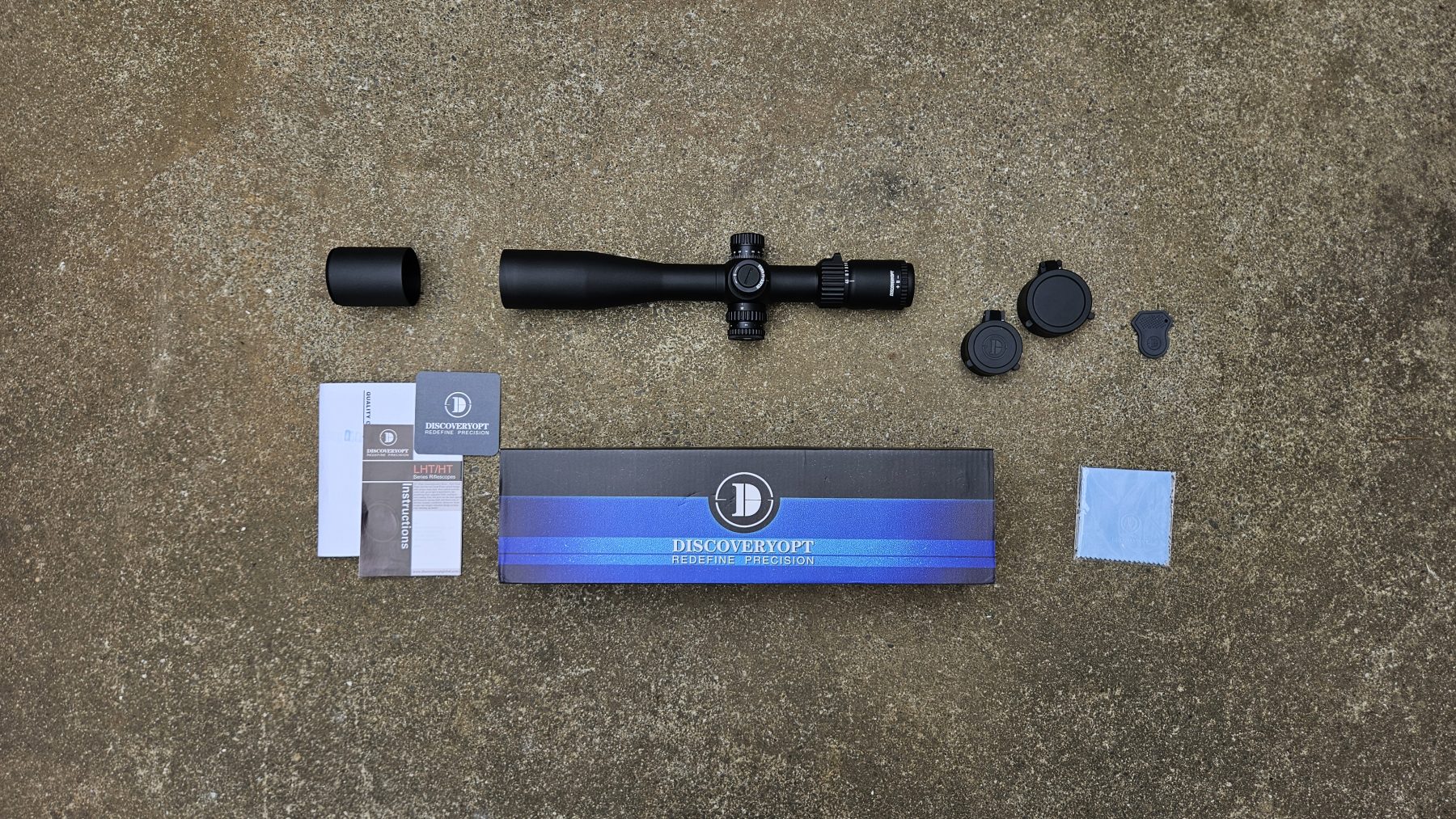
The LHT 4.5-18×42 is the newest model of their LHT 3-12×42 scope. This scope has the lightweight, slim profile of a traditional 3-9x hunting scope, with an cross-over tactical features like a FFP reticle and exposed locking turrets.
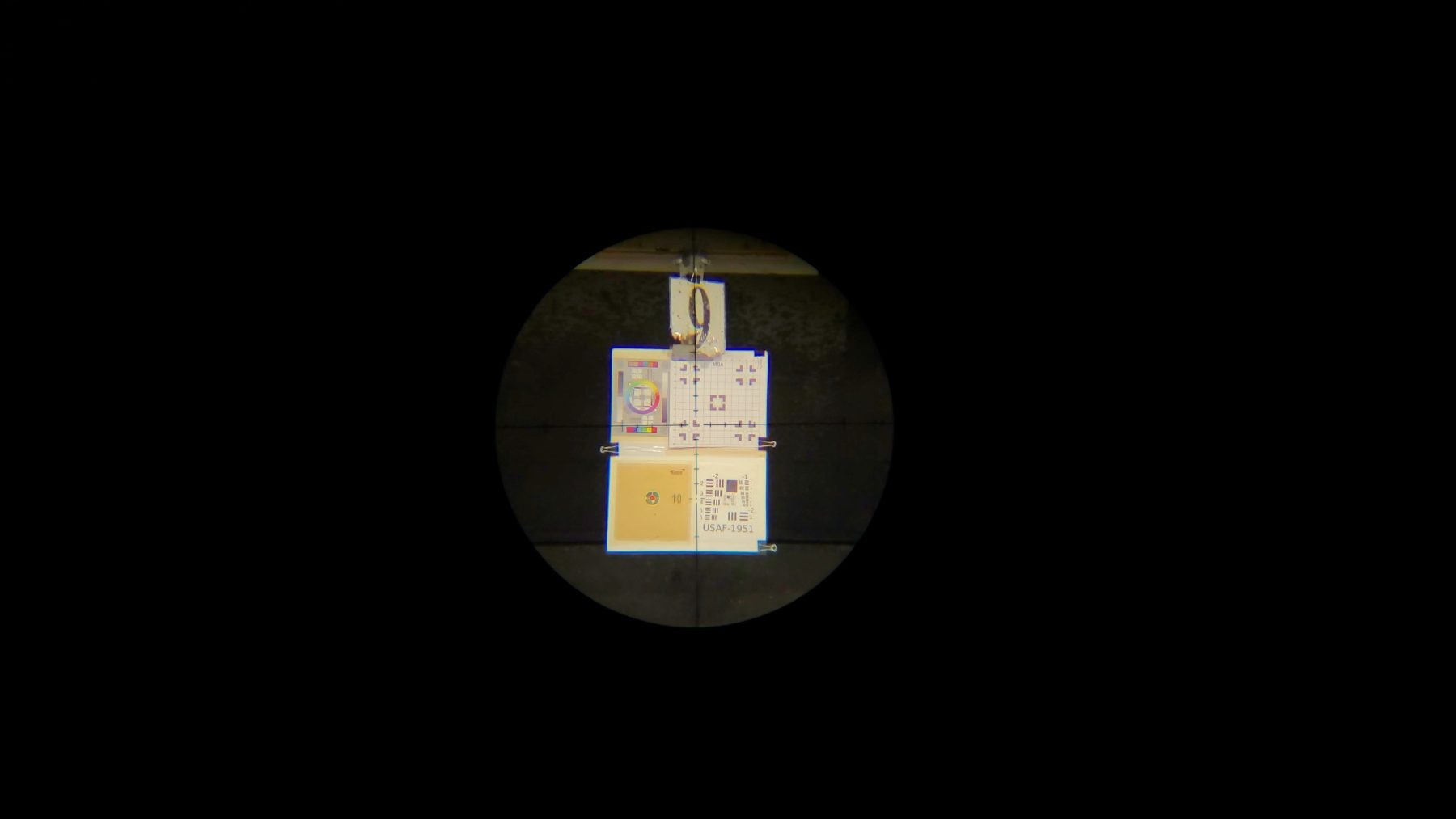
This LHT 4.5-18×42 is practically identical to the 3-12×42, save for 1.5″ longer tube section forward of the turrets. Its glass performed like a budget optic. It has noticeable distortion and softening on the outer edges with some chromatic aberration. But its higher top end of 18x provided acceptable resolution of at the center of its image to identify features on my reference targets at 100 yrds.
What makes both LHT scopes stand out, is its value proposition. Both LHT’s have a street price under $150, making them a better value than even Walmart grade 3-9x scopes. Its modest size and above-average performance make this an ideal standard scope for my 10/22 takedown.
At the Steiner booth, they had an overwhelming array of new products. To follow on their best-selling MPS pistol red dot, they’ve created the smaller MPS-C. It has the clear glass and quality build of the MPS but with an RMSc footprint for compact pistols.
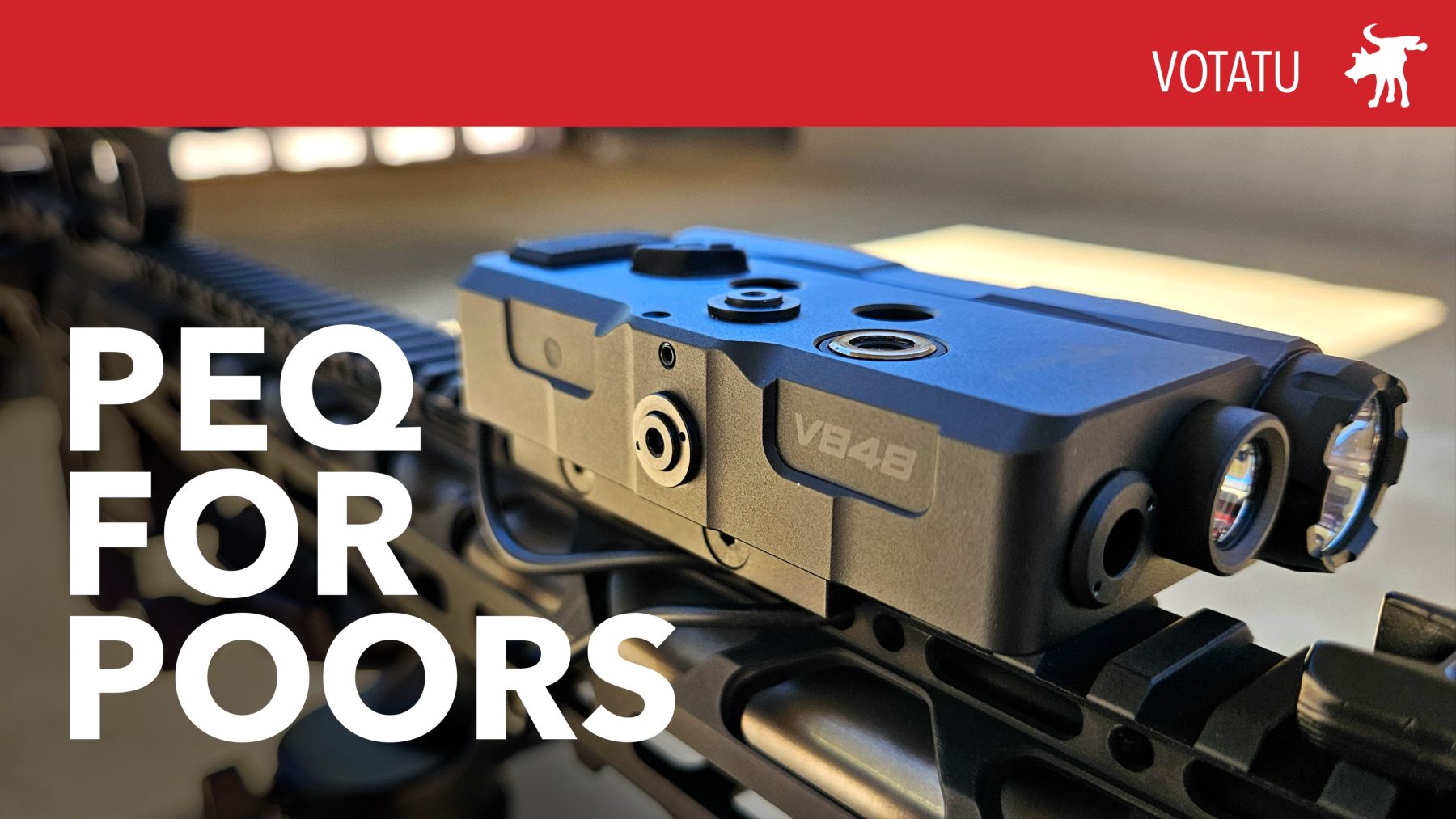
For Law Enforcement, Military, and Private Security, Steiner launched that ATLAS (Advanced Tactical Laser Aiming System). This next-generation aiming and illumination device features five powerful laser, visible and IR emitters. All 5 emitters are co-aligned with a single set of adjusters for effortless zeroing and co-alignment retention.
Finally, they showed their revamped line of H6 hunting scopes and T6 LPVOs, all made at their facility in Colorado.
Last year OSight released the SE, a compact RMS-c footprint enclosed relfex sight. And their first to offer a user-replaceable coin battery tray. This year, they’ve added a feature missing from that red dot: a green dot.
The OSight SE GN is physically identical to the red SE but now offers the same multi-reticle in a green colored LED. This is great for people with astigmatism or who prefer a green color for visibility in daylight.
The rough ride to food truck success. Food Trucks have become a hipster gourmet multi-million-dollar industry. We’re going to learn what it took to be a pioneer in this highly competitive world. We’re going to meet Jordan Roja, ‘Chief Scooping Officer’ of Mustache Mike’s Italian Ice. This video is sponsored by Venice.ai. Get a free trial, go to https://venice.ai/moondog or use code MOONDOG to get 20% off a Pro Plan. Enjoy uncensored and private A.I. with Venice.
Jordan Rojo is the Owner and Chief Scooping Officer of Mustache Mike’s Italian Ice food trucks based here in the San Francisco Bay Area.
“With over 15 years in the food truck industry, I’ve been proud to be one of the early pioneers who helped shape the Bay Area food truck scene into what it is today. What started out as a single operation at a shopping mall kiosk has grown into a thriving multi-unit business with five trucks, three catering carts, and at one point we have even expanded into a brick-and-mortar location. We specialize in everything from large-scale food truck events to catering for Silicon Valley’s Bay Area Fortune 500 companies, private weddings, and have had the opportunity to serve high-profile clients, including Steve Carell, Grammy-winning artists like Chris Brown, Golden Globe winner Teyana Taylor, and professional sports organizations such as the San Francisco 49ers and Oakland Raiders Hall of Famer Tim Brown. At its heart, this is a family-run business, bringing together my spouse, kids, and even my mom – making it not just a business, but something we’ve built and continue to grow together. We’ve built this into a true “lifestyle business,” giving us the freedom and flexibility to design a life we love – centered around family, travel, and independence. ”
Like Kleenex is with facial tissue or Google is with Search Engines, this frozen treat brand has become the generic name for any frozen juice-flavored ice treat on a stick.
Moondog2A
Moondog Reviews
Moondog Go
BRAND CONTEST CLUE
This frozen treat brand started in Oakland, CA and was patented in 1925 by Frank Epperson, who originally called it an “Epsicle”. The company has changed hands a number of times and the brand is currently part of Good Humor Ice cream.